
Oil, Bridges, and Trucks: How Russia’s Logistics Came Under Comprehensive Pressure from Ukraine

Dmytro Shumlianskyi
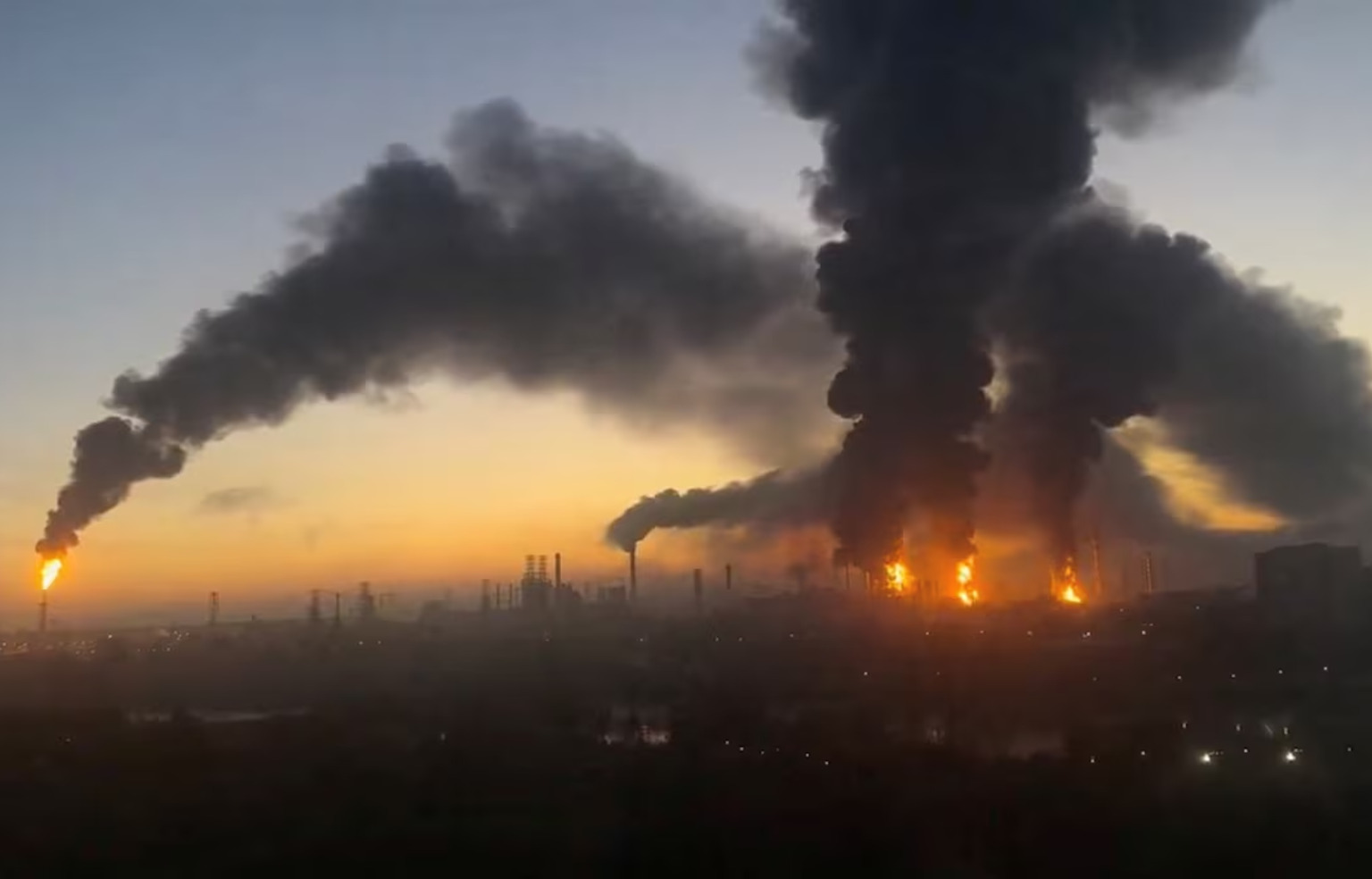

During May–June 2026, the Ukrainian Defense Forces launched a large-scale campaign targeting Russian logistics. Oil refineries, fuel terminals, tankers, fuel depots, ports, railway infrastructure, bridges, electrical substations, cargo trucks, and fuel tankers were all attacked simultaneously.
Ukraine’s new strategy combines strikes against targets deep inside Russia with attacks on tactical and operational-tactical logistics in the rear areas of Russian forces operating in the temporarily occupied territories.
The result of the first, incomplete two months of this systematic campaign has been a growing disruption of Russian military supply lines – particularly on the southern front – a significant deterioration in fuel availability across the occupied territories, and the emergence of shortages of certain fuel products in regions of Russia.
Strategic strikes
The destruction of Russia’s fuel infrastructure remains one of the highest priorities of Ukraine’s strike campaign.
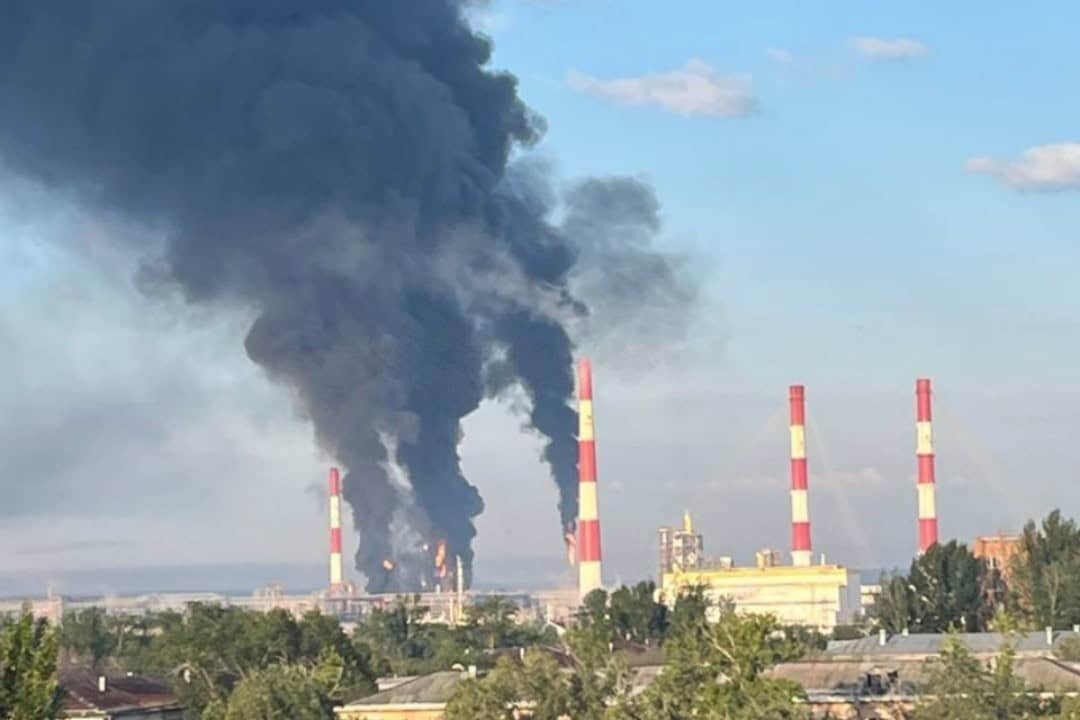
Oil refineries, oil depots, terminals, and pumping stations not only contribute to Russia’s state budget but also supply fuel and lubricants to the invading forces.
May 2026 saw a sharp increase in the scale of drone strikes on the territory of the Russian Federation. According to calculations based on statements by the Russian Ministry of Defense, Russian air defenses claimed to have intercepted 8,973 Ukrainian long-range drones during the month.
Between May 1 and June 20, units of the Unmanned Systems Forces alone struck approximately 30 Russian fuel and energy infrastructure facilities. These included oil refineries, oil hubs, oil depots, oil terminals, line production and dispatch stations, and oil pumping stations.
The strikes targeted facilities across the Samara, Tyumen, Leningrad, Nizhny Novgorod, Vladimir, Saratov, Volgograd, and Tula regions, as well as Krasnodar Krai, Russian-occupied Crimea, and Moscow.
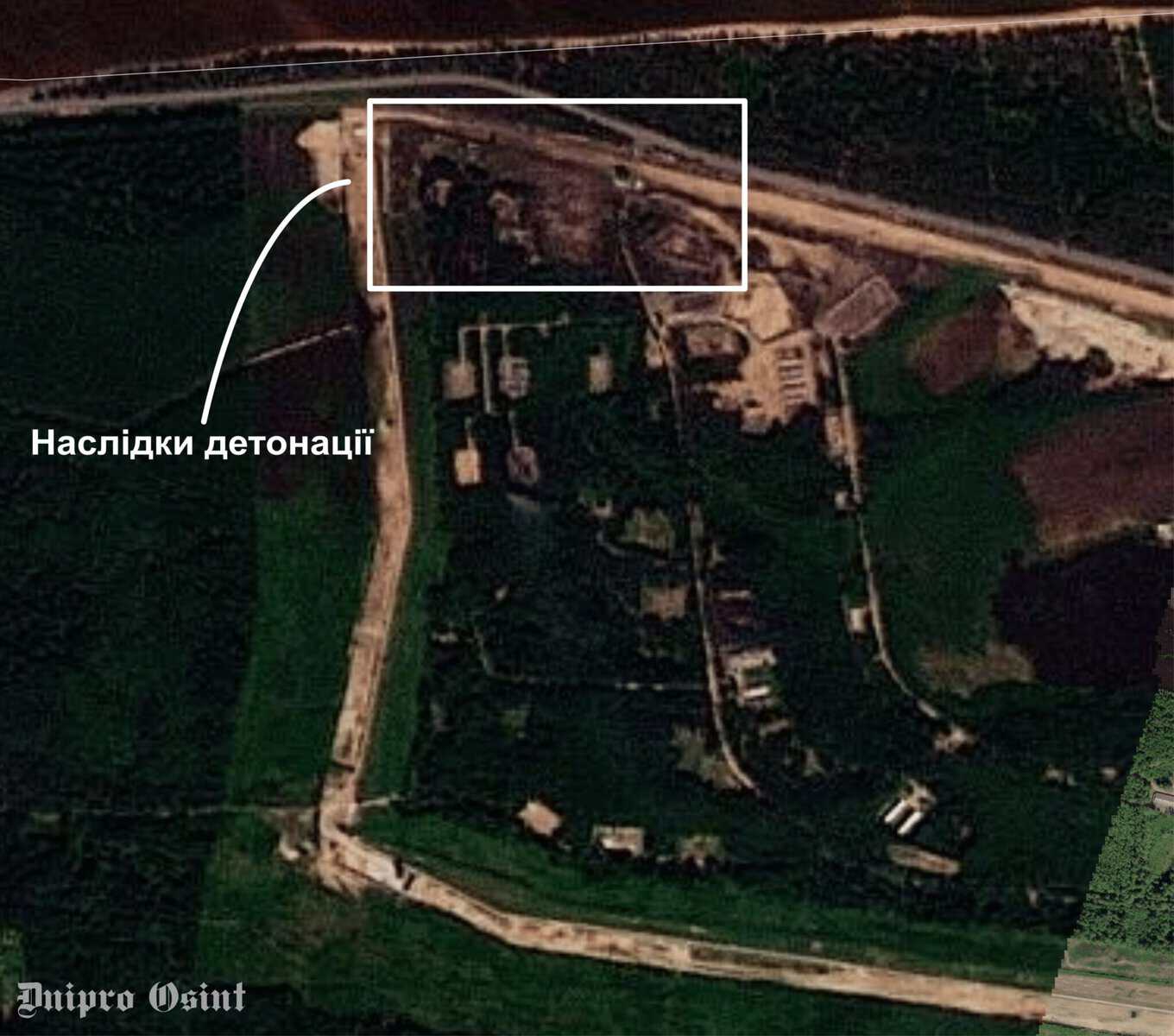
A separate noteworthy development was the successful strike launched by the Ukrainian Defense Forces and the Security Service of Ukraine against a Russian Navy arsenal in the settlement of Bolshaya Izhora, Leningrad Region.
The strike hit above-ground hangar storage facilities, triggering the detonation of ammunition stored there. Reports indicate that the total losses amounted to approximately 5,000 metric tons of military materiel, primarily artillery ammunition of various calibers and engineering munitions.
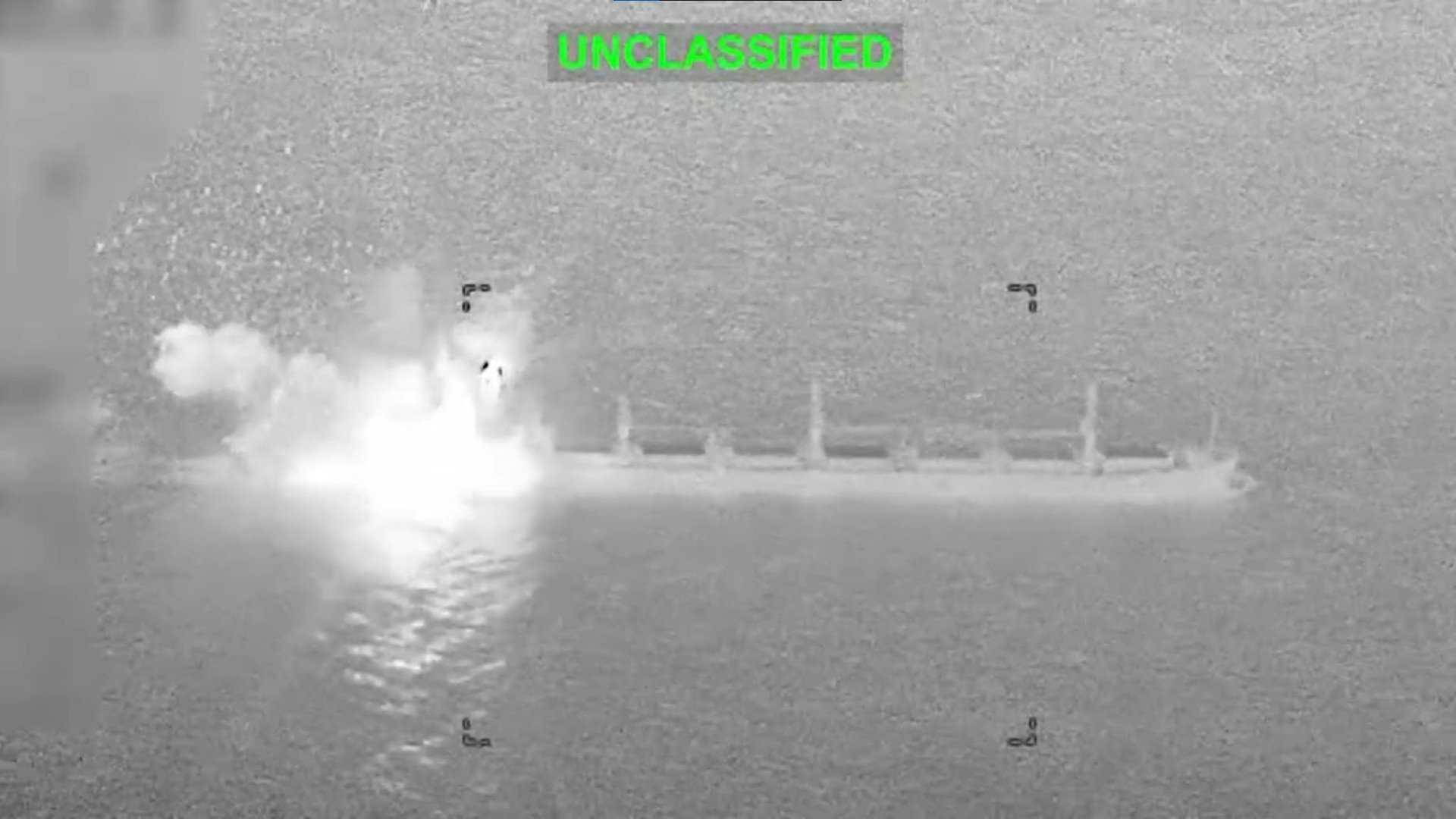
In addition, between late April and mid-June, maritime drones targeted six oil tankers in the Black Sea.
According to Reuters, following Ukrainian attacks in May, virtually all major oil refineries in central Russia were forced to suspend or reduce fuel production. The combined processing capacity of the refineries that fully or partially halted operations exceeded 83 million metric tons per year, or roughly 238,000 metric tons per day. This represents approximately one-quarter of Russia’s total oil refining capacity.
These facilities accounted for more than 30% of Russia’s gasoline production and approximately 25% of its diesel fuel output. As a result, Russia’s diesel production fell from 7.5 million metric tons per month to 5.9 million metric tons between April and May.
Diesel fuel is critically important to the Russian military. It powers trucks, engineering equipment, most armored vehicles, generators, heavy tractors, recovery and repair vehicles, and a significant share of the army’s logistical transport.

The intensification of the strikes coincided with the peak of the agricultural season, when farming operations also require large volumes of diesel fuel.
The fuel crisis quickly became evident through domestic restrictions. Fuel shortages began to be reported not only in the occupied territories but also within Russia.
As of mid-June, reports of fuel sales restrictions, shortages of certain gasoline and diesel grades, and the temporary closure of some gas stations had emerged in the Chelyabinsk, Kemerovo, Volgograd, Ulyanovsk, Amur, Astrakhan, Ivanovo, Kaluga, Kursk, and Moscow regions, as well as in Khabarovsk Krai, the Republic of Tatarstan, Moscow, and St. Petersburg.
Beginning on June 1, Russia imposed a temporary ban on aviation fuel exports for the first time, with the measure set to remain in effect until November 30, 2026. At the same time, a full ban on gasoline exports and a partial ban on diesel fuel exports remain in force.
Operational-tactical strikes
At the operational level, Ukrainian drones target facilities that directly support Russian forces in the occupied territories or are critical infrastructure assets. These include railways, warehouses, electrical substations, communication hubs, fuel and lubricant storage tanks, locomotives, ports, bridges, and UAV workshops.
According to reports from the Unmanned Systems Forces, during the first two weeks of June alone, six railway fuel-and-lubricant trains, at least three locomotives, 18 electrical substations, and 18 telecommunications or communication towers came under attack.
These strikes complemented attacks on transport vehicles carrying fuel, ammunition, and other military materiel. Command posts, temporary deployment locations, and warehouses were also targeted.
The Crimean direction and bridges
A separate focus of the campaign has been strikes against routes connecting occupied Crimea with the mainland parts of the temporarily occupied territories. Following successful strikes on the Crimean Bridge, its capacity remains limited: in practice, it is open mainly for passenger traffic, while freight vehicles and trains are allowed to pass only to a very limited extent.
One of the key methods of supplying Crimea after the damage to the Crimean Bridge became the use of ferries. However, since 2024, the Ukrainian Defense Forces have carried out a series of successful missile and drone strikes against the ferry fleet operating in the Kerch Strait.
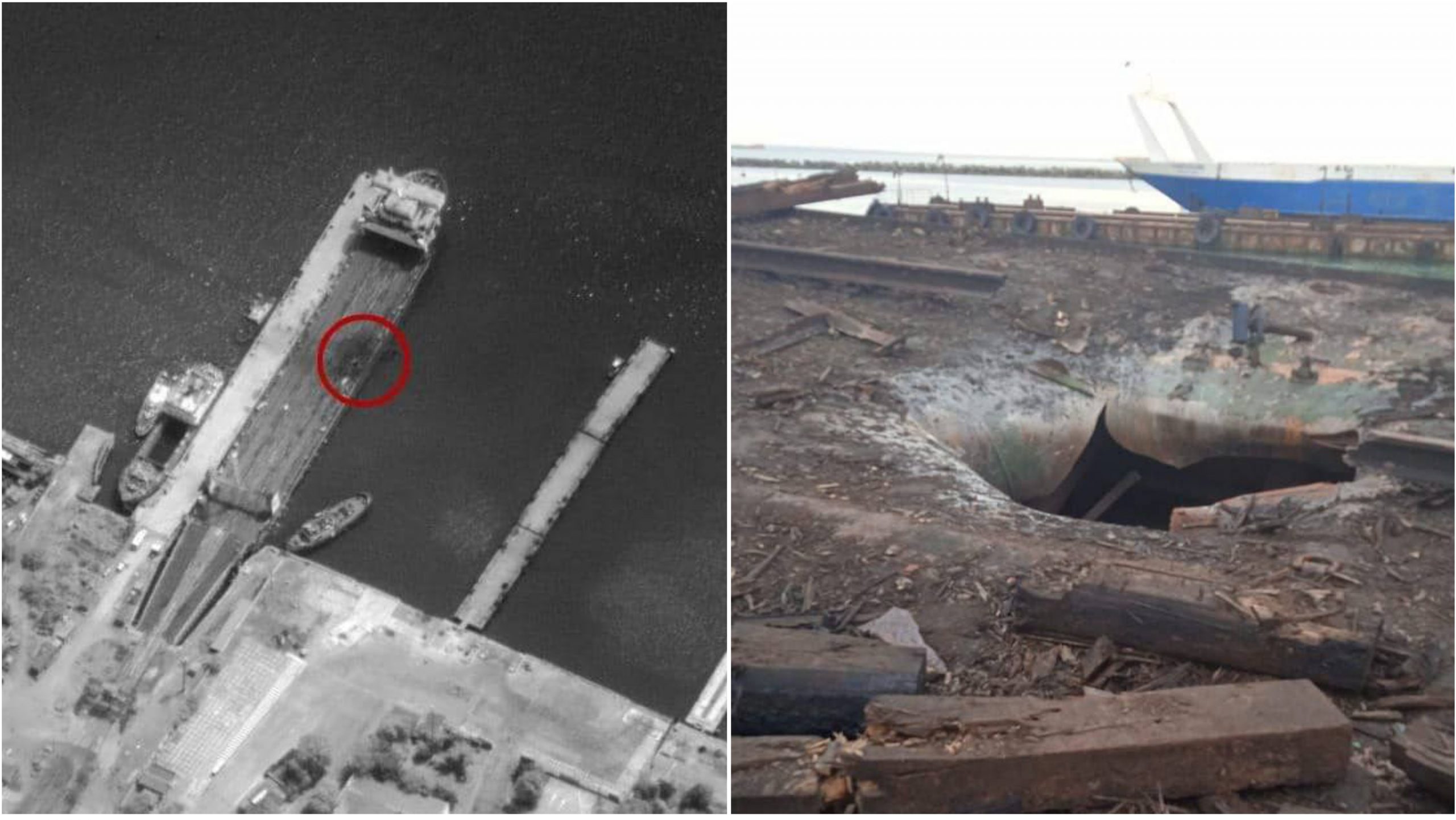
In particular, on the night of April 6, 2026, drones operated by the Defense Intelligence’s Active Operations Department struck the Russian railway ferry Slavyanin. According to Ukrainian intelligence officials, it was the last railway ferry of the occupying forces in the Kerch Strait that remained operational after previous strikes.
On June 21, 2026, during a large-scale drone attack on Crimea, the Ukrainian Defense Forces struck three vehicle ferries at once. Following this, the Russian occupation “administration” of Crimea announced the suspension of ferry services across the strait.
Thus, as of June 22, the only route remaining for Russian logistics to and from Crimea is the so-called R-280 “Novorossiya” highway – essentially a renamed combination of sections of the M-14 “Odesa–Taganrog” highway and the M-18 “Kharkiv–Simferopol–Alushta” highway, along with local roads running parallel to the route.
After strikes on bridges in the areas of Chongar, Henichesk, Armyansk, Stavky, and Myrne, Russian forces began deploying pontoon crossings, which were quickly targeted as well.
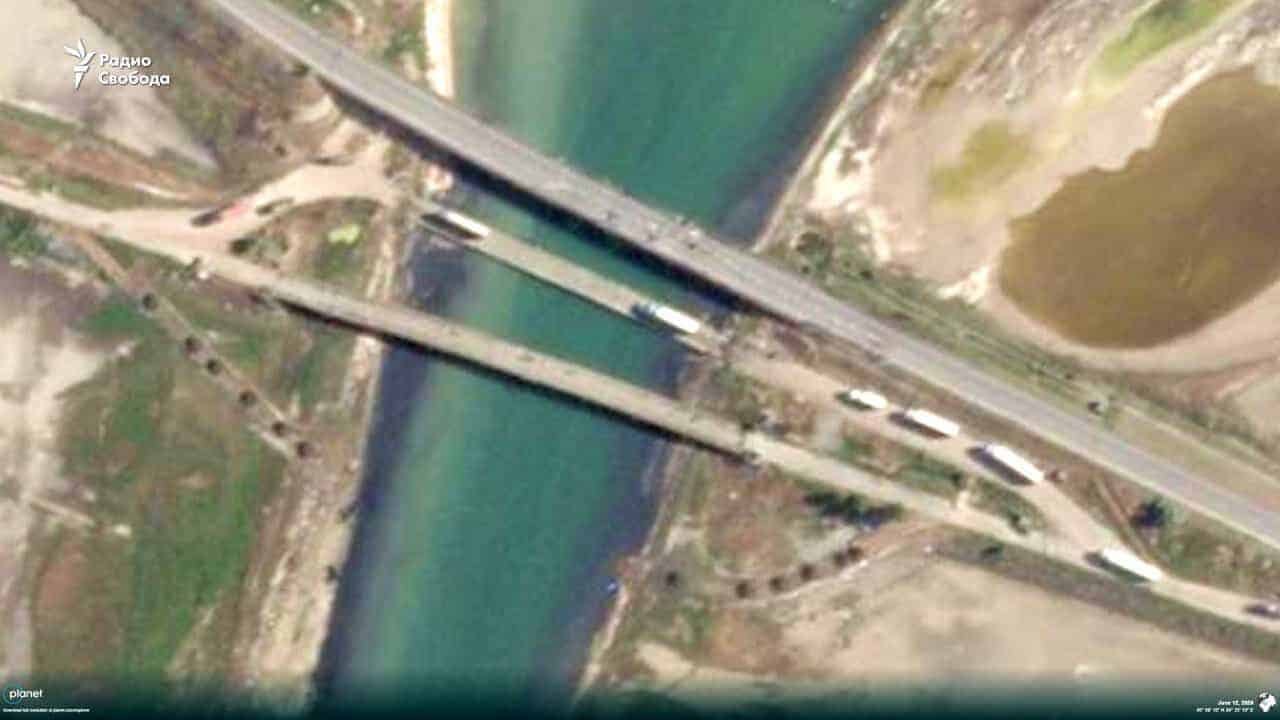
The key difference between the current campaign of attacks on bridges leading to Crimea and the missile strikes of previous years lies in the means of attack used. Instead of scarce cruise missiles, strike drones are now being employed. While drones are difficult to use to completely destroy a bridge, their numbers make it possible to repeatedly damage bridges and temporary crossings, putting them out of operation.
Against this backdrop, significant fuel shortages are being reported in Crimea. In Sevastopol, the occupation authorities were forced to introduce fuel sales to residents using ration coupons and, shortly afterward, “temporarily” suspended the coupon system, as fuel trucks are not always able to reach the city.
Ports and vessels of the Sea of Azov
The ports of Mariupol and Berdiansk have also become part of the logistics campaign. Russia uses them to transport military cargo, ammunition, and fuel, as well as to illegally export Ukrainian grain.
Throughout June, the 422nd Luftwaffe Unmanned Systems Regiment and units of the Unmanned Systems Forces have already targeted six cargo vessels in the ports and near the Ukrainian coast of the Sea of Azov.
This reduced Russia’s ability to compensate for problems with overland transport routes by shifting supplies to maritime routes through ports.
Hunting for trucks
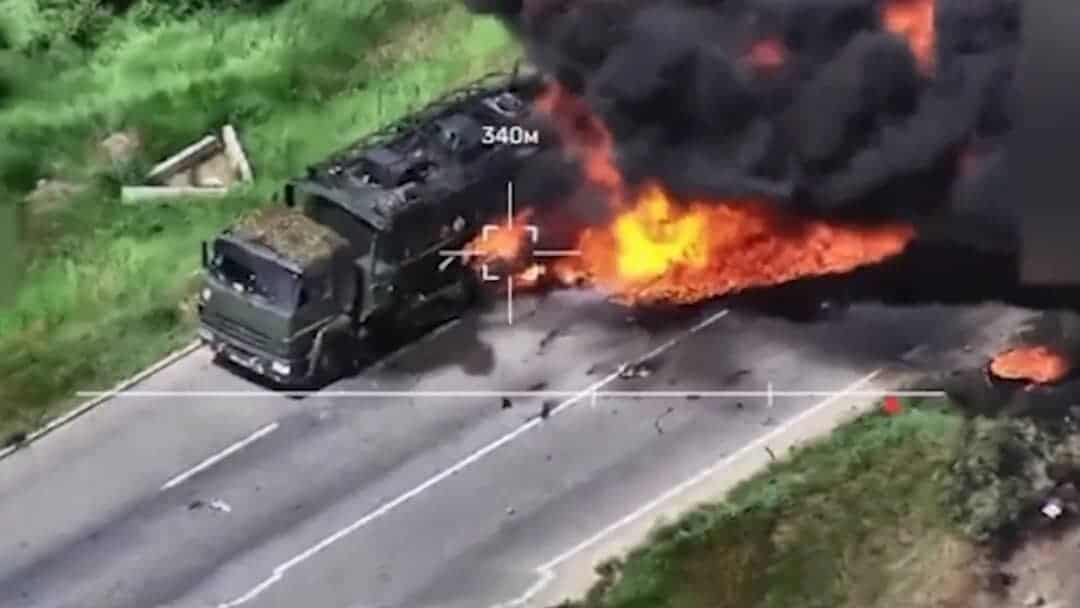
The main feature of this campaign has been the targeting of heavy transport vehicles at a depth of 150–200 kilometers from the front line.
One of the first routes to come under sustained pressure from Ukrainian drones was the so-called R-280 “Novorossiya” highway.
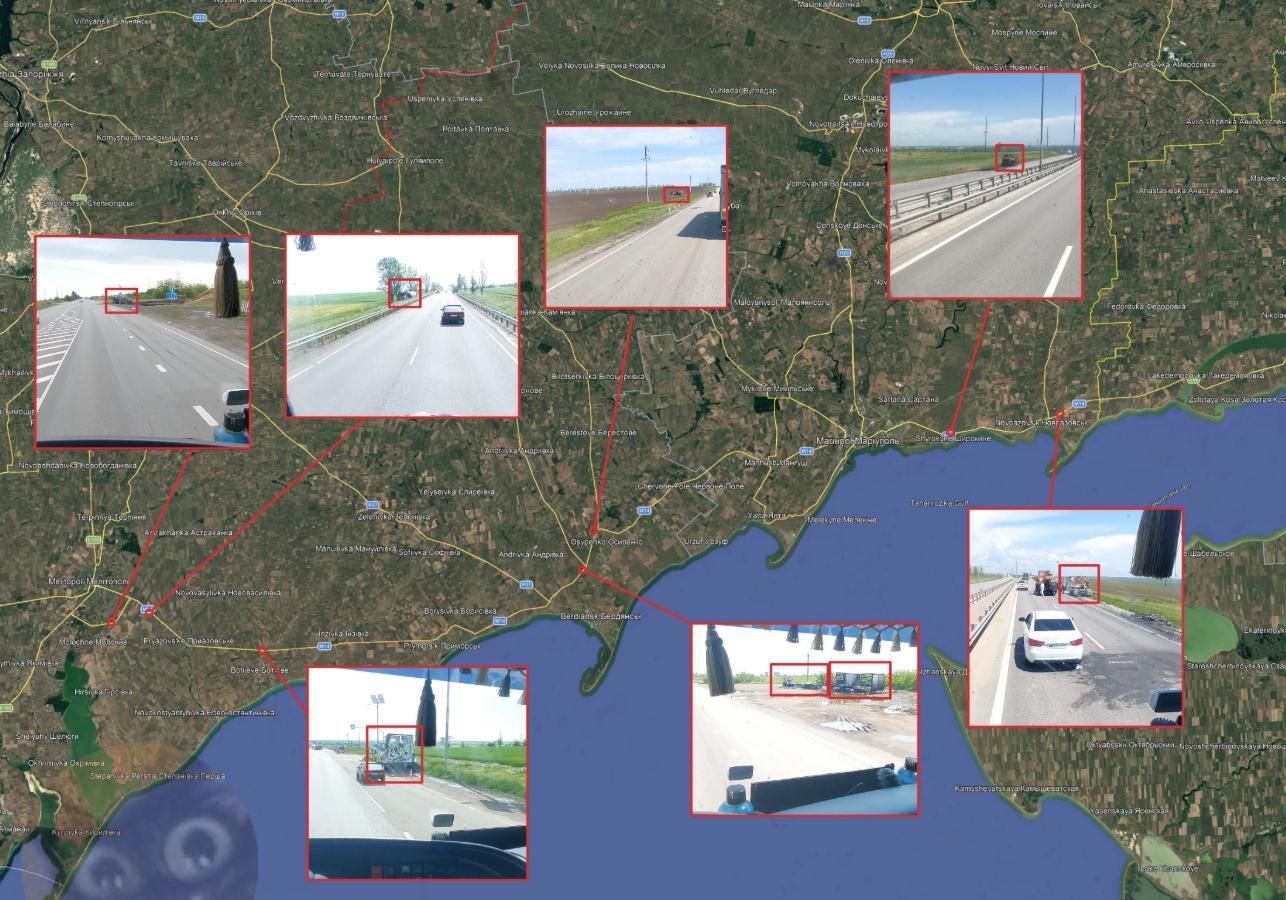
It runs from Rostov-on-Don through the occupied cities of Mariupol, Berdiansk, and Melitopol to Crimea. For Russian forces, it is one of the main overland supply routes to the south.
Later, the geography of the strikes expanded to roads in the Donetsk, Luhansk, and Kherson regions across the entire depth of the occupied territory, reaching as far as the state border, and even began affecting Russian territory, particularly the area between Rostov and Taganrog.
According to the Cyberboroshno OSINT community, which, at the request of the Oboronka media, analyzed more than 6,000 messages from chats and monitoring groups in the occupied territories using the OCHI AI platform, the number of mentions of Ukrainian drones on roads increased tenfold from the start of the campaign in mid-May.

Russian reports regularly mentioned strikes on vehicles, transport operations, and roads. Drones are being used not only for strikes but also for mining routes. This complicates movement even when there is no direct attack on a convoy.
According to the assessment of Unmanned Systems Forces (USF) Commander Robert “Madyar” Brovdi, freight traffic on the R-280 “Novorossiya” highway section between Mariupol – Berdiansk – Melitopol – Simferopol decreased by 71% during the last week of May and the first week of June.
Previously, overall traffic on this section amounted to around 11,000 vehicles per day, including 3,800 freight vehicles. By early June, these figures had fallen to 6,500 and 1,100 vehicles, respectively.
At the same time, he emphasized that this does not yet constitute total fire control of the highway, but rather only a recurring capability to carry out strikes.
Following this, the Russian command reportedly prohibited the use of the A-291 Tavrida and R-280 Novorossiya highways for transporting materiel. The occupying forces’ command ordered supplies to be moved via alternate routes, detours, and bypass roads.
Fuel shortages in the occupied territories
Fuel has become one of the most sensitive elements of Russian logistics and the first visible sign of supply problems. It is needed not only to support the civilian population but also for all types of military forces, meaning disruptions in its supply quickly become noticeable in open sources.
According to reports from Russian “war correspondents,” in the so-called “Donetsk People’s Republic,” the shortage of gasoline affected not only civilians but also military personnel operating near the line of contact.
It was also reportedly the case that when a Russian unit attempted to purchase fuel at its own expense in the Rostov Region, a gas station refused to fill barrels due to restrictions that allow fuel sales only in containers of up to 60 liters.
Why this became possible
The implementation of such a comprehensive operation required the combination of several factors: technical capability, institutional readiness, the prior weakening of Russian air defenses, and an overall command-level strategy.
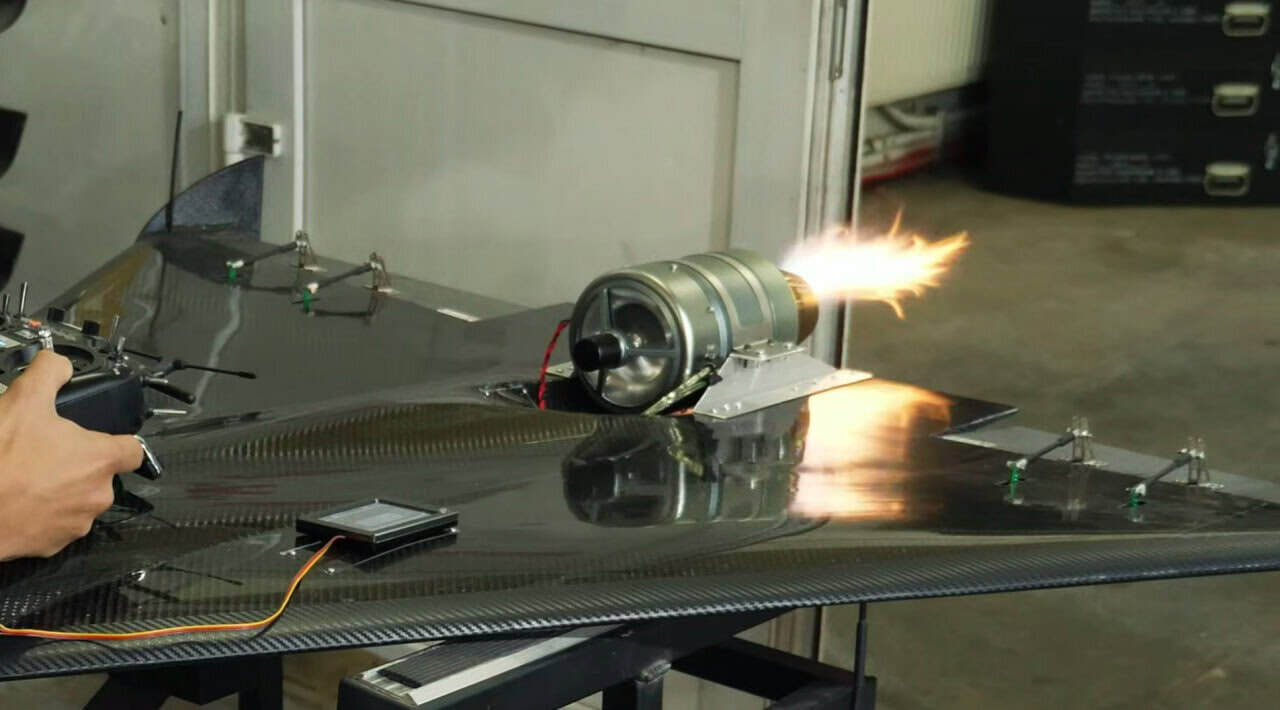
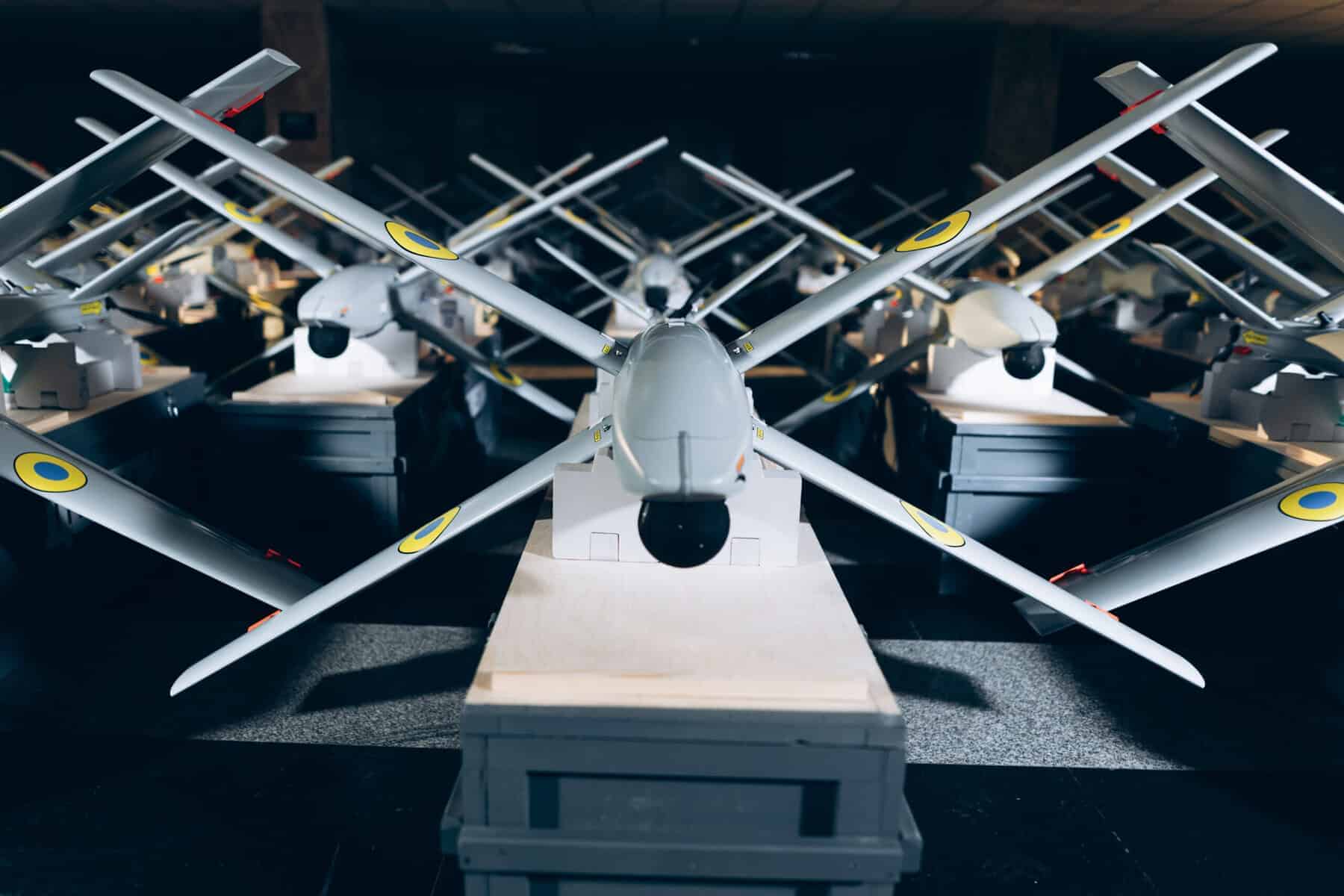
The key tool of the campaign has been middle-strike class fixed-wing drones. They occupy an intermediate niche between short-range FPV drones and deep-strike drones that operate against targets on Russian territory. At the same time, FPV drones with a range of 50–100 kilometers have also contributed to the campaign.
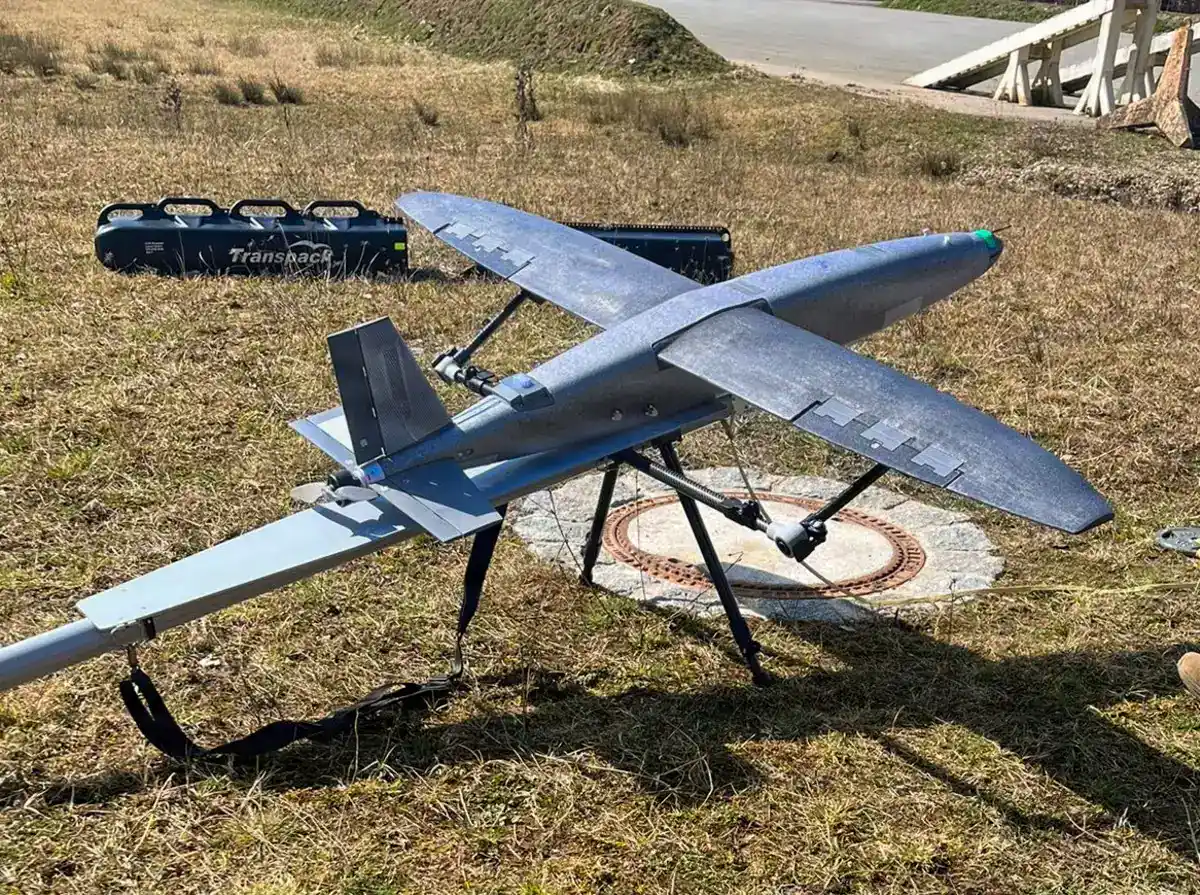
From a technological perspective, middle-strike drones are not a new development and have been in use since 2024. However, it was in 2026 that manufacturers reached production levels high enough to deploy these drones on a large scale, not only against high-priority targets but also against trucks and civilian vehicles.
According to the Ministry of Defense, in the first months of 2026, Ukraine contracted for five times as many medium-range drones as in the entire year of 2025.
Based only on publicly available videos, OSINT analysts counted more than 1,000 strikes by such drones throughout the spring of 2026.
Among the notable participants in this campaign were the 1st Azov Corps of the National Guard of Ukraine and the 3rd Army Corps, which have carried out strikes against Russian logistics routes from Mariupol to the Izvaryne checkpoint.
However, drones alone are not enough; a sufficient number of units capable of employing them effectively is also required. Whereas previously such strikes were mostly associated with specialized units of the Unmanned Systems Forces, the Defense Intelligence of Ukraine, or the Security Service of Ukraine, there is now public information about at least 27 units from different structures involved in strikes at ranges of up to 300 kilometers.

This level of quantity and quality was achieved through the systematic development of drone capabilities both within the Unmanned Systems Forces structure and among line units and corps-level formations.
In addition, such a large-scale drone strike campaign would not have been possible without prior long-term efforts to target Russian air defense systems and radars, particularly in temporarily occupied Crimea, where the concentration of air defense assets was extremely high.
After the first successful strikes by individual units demonstrated the concept’s effectiveness, the Ukrainian command quickly scaled up the approach. Today, targeting logistics has become one of the key areas of Ukrainian drone operations and has been approved at the level of the Supreme Commander-in-Chief.
Russian countermeasures
Russian forces are attempting to adapt to the Ukrainian campaign. The deployment of additional mobile fire groups has already been reported, including units equipped with interceptor drones.
Another method of countering the campaign is dispersing transport routes away from main highways onto secondary roads and detours. This forces Ukrainian drone operators to monitor a much larger area, thereby increasing the chances that individual vehicles can pass undetected.
However, such routes usually have lower capacity, poorer road conditions, and often increase the logistical distance by 1.5–2 times.
As expected, Russian 🇷🇺 forces are escorting key fuel trucks and protecting important road hubs with canon air-defense or drone interceptors teams.
At the same time, they are reinforcing key bridges leading to Crimea – which have been hit – with pontoon bridges, again as… https://t.co/lawZvur0Q8 pic.twitter.com/GmV843qWD1
— Clément Molin (@clement_molin) June 19, 2026
There have also been reports of experiments applying “disruptive” camouflage patterns to interfere with the targeting algorithms of strike drones and prevent them from correctly acquiring a target.
In addition, Russian forces have begun disguising fuel tankers – which are priority targets – as civilian trucks and distributing fuel into jerry cans for transportation by civilian vehicles.

It is likely that the occupying forces will soon begin reallocating logistical capabilities to ensure that priority units receive supplies first.
Brief summary, or when the results will become noticeable on the battlefield
The effect of strikes on logistics does not appear immediately. Disruptions in supply become noticeable gradually, as the reserves of Russian units in the field are depleted.
At the same time, this does not currently amount to a complete severing of logistics, but rather a reduction of supplies below the required level.
According to military personnel interviewed by Militarnyi, as of early June, strikes on logistics had not yet had a significant impact on the situation directly on the battlefield.
If the current pace of attacks continues and Russia fails to find an effective way to counter them, the battlefield effects that could create a window of opportunity may become visible closer to the beginning of autumn.
Artillery and drone units will likely be among the first to experience supply shortages, as they require large quantities of materiel to operate.



Xi Jinping’s Washington Visit Outlines the Timeframe for the Active Phase of the Confrontation: Beijing Openly Demands Taiwan’s Return
On September 23–25, 2026, Chinese President Xi Jinping held talks with President Trump at the White House during the first Chinese state visit to t...
A Sharp Shift in the Dynamics of Global Confrontation Forces Washington to Rethink How It Builds Its Key Partnerships
On September 12–13, 2026, the 18th BRICS Summit was held in New Delhi. Xi Jinping traveled to India to lead the Chinese delegation, marking his fir...
