
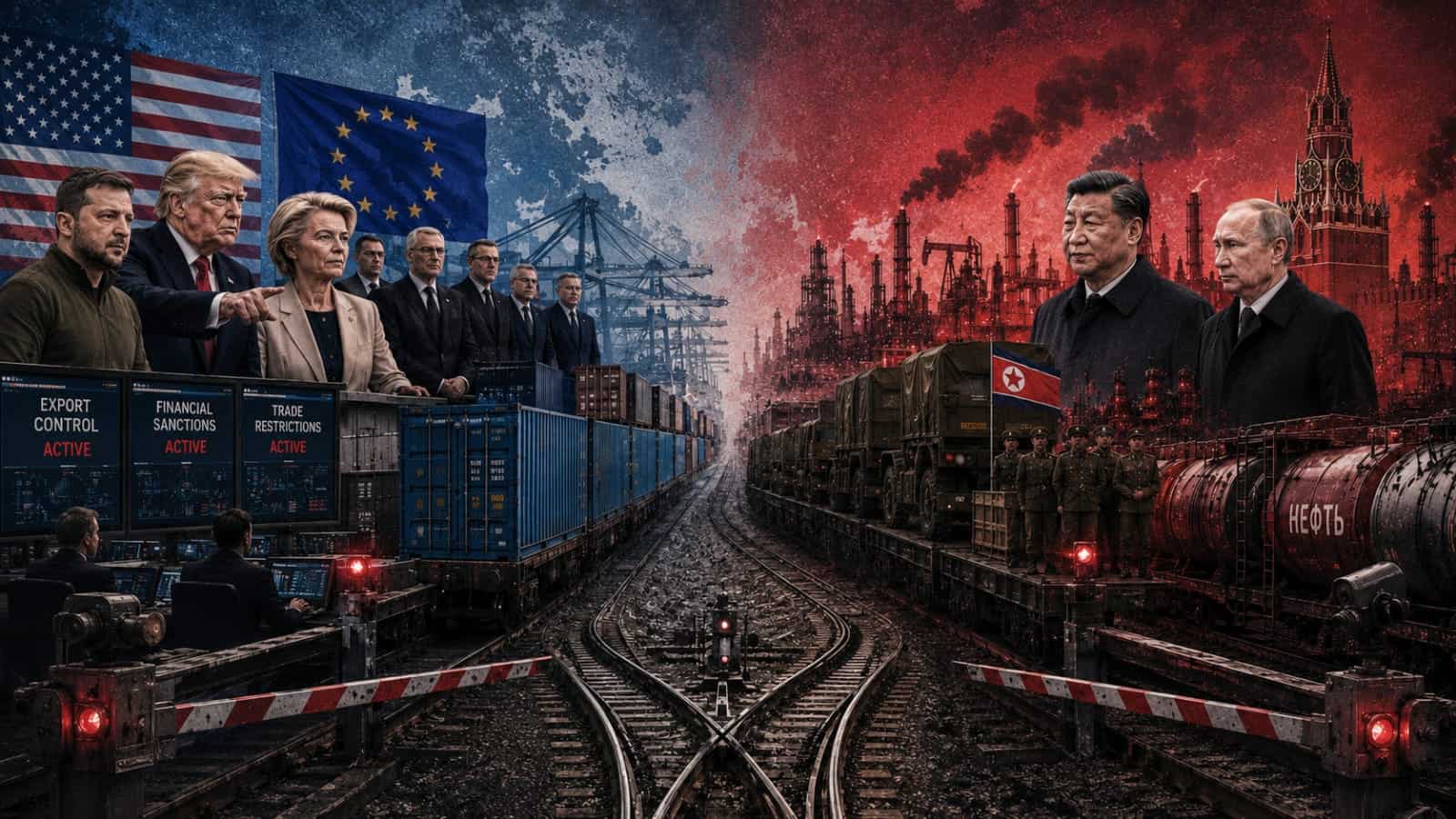
The US and the EU Synchronize Pressure on the Core of the Autocratic Axis: Global Security Risks Are Forcing the West to Hurry

Solid Info

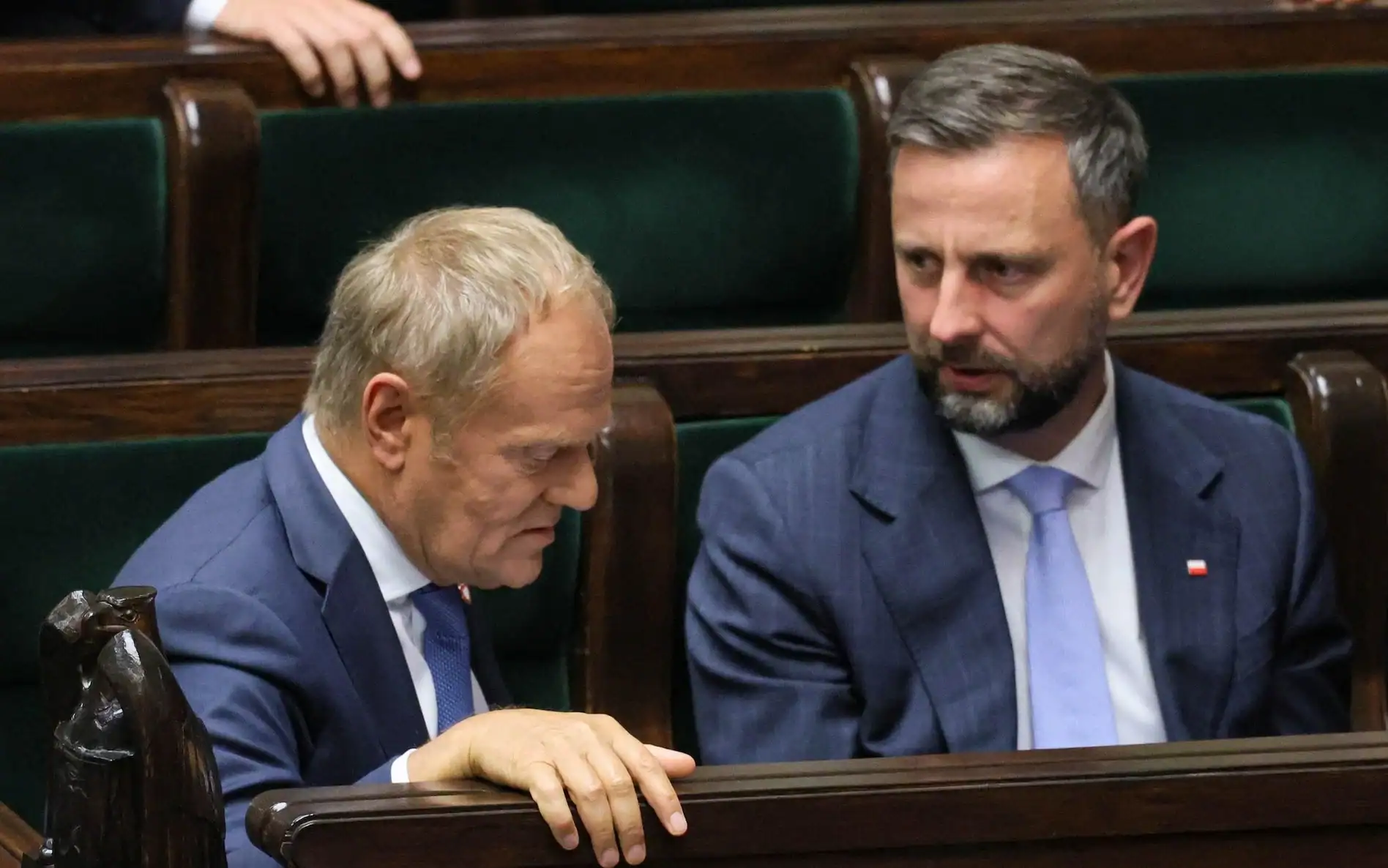

On July 13, 2026, the foreign ministers of the European Union approved a strategic document, The Threats and Challenges We Face, which sets out the continent’s key security challenges and is to become the basis of the future EU Security Strategy.
For the first time, all 27 EU foreign ministers signed on to the finding that the actions of China’s leadership are a key factor sustaining the Russian-Ukrainian war. The same document describes the PRC as a state that, together with Russia, is rebuilding the global security system and the rules of world trade around its own interests.
On a parallel track, in the same days that the EU was putting Beijing’s role in prolonging the war on the record, more than sixty US senators introduced a bill imposing secondary sanctions and tariffs of up to 100% on the five largest buyers of Russian oil and gas, China and India above all.
With their July moves, both centers of the democratic bloc for the first time aimed pressure at the member of the axis that each of them had until recently kept outside its restrictive regime.
The synchronization of these steps follows from a shift in how each center of the democratic bloc regards Moscow and Beijing. Washington and Brussels have acknowledged that the shared goal of both regimes is to dismantle the established democratic order. The American approach changed fundamentally once attempts to pry Russia away from China proved futile—the White House slowed its course toward negotiated concessions to Moscow.
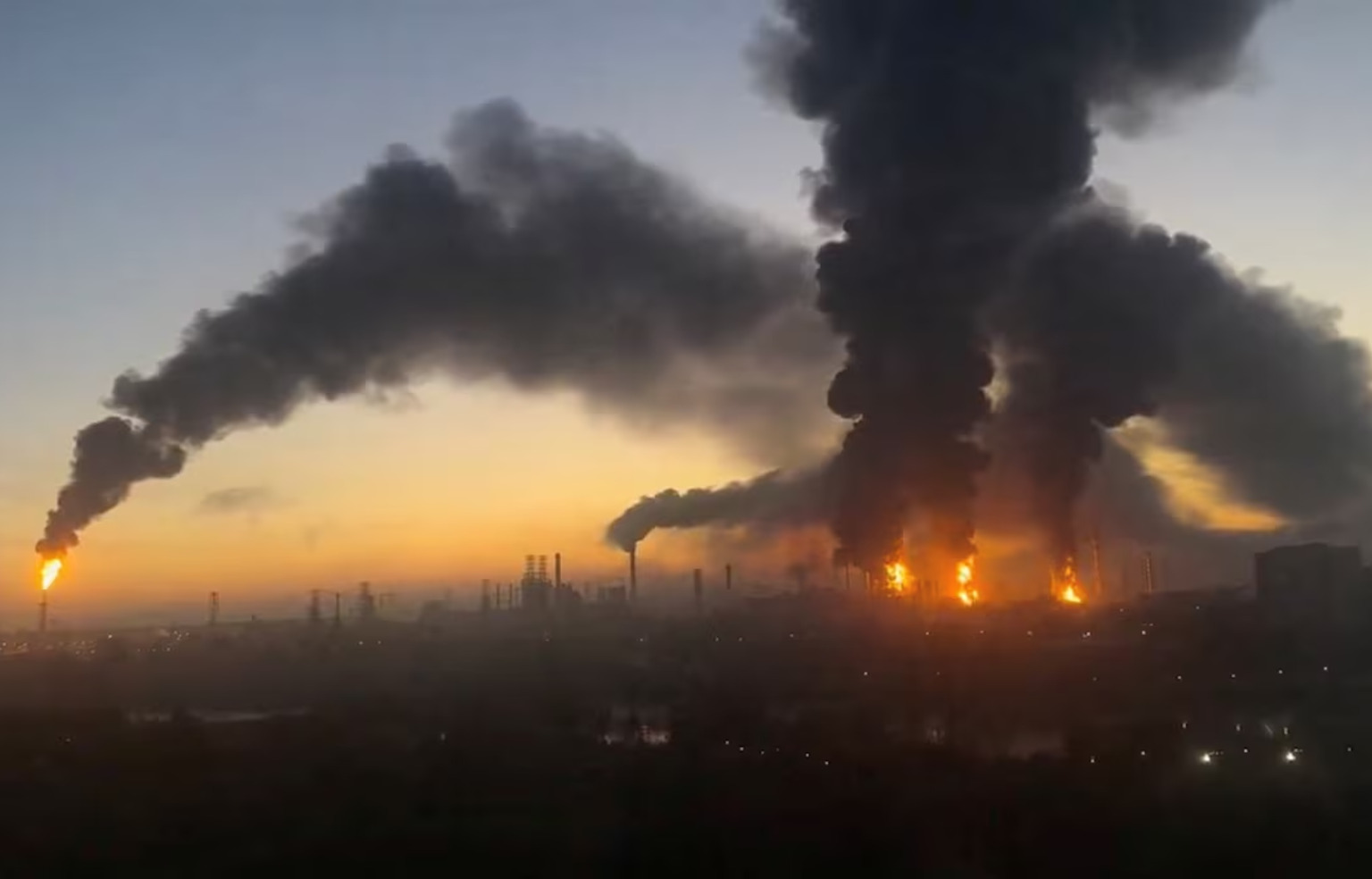
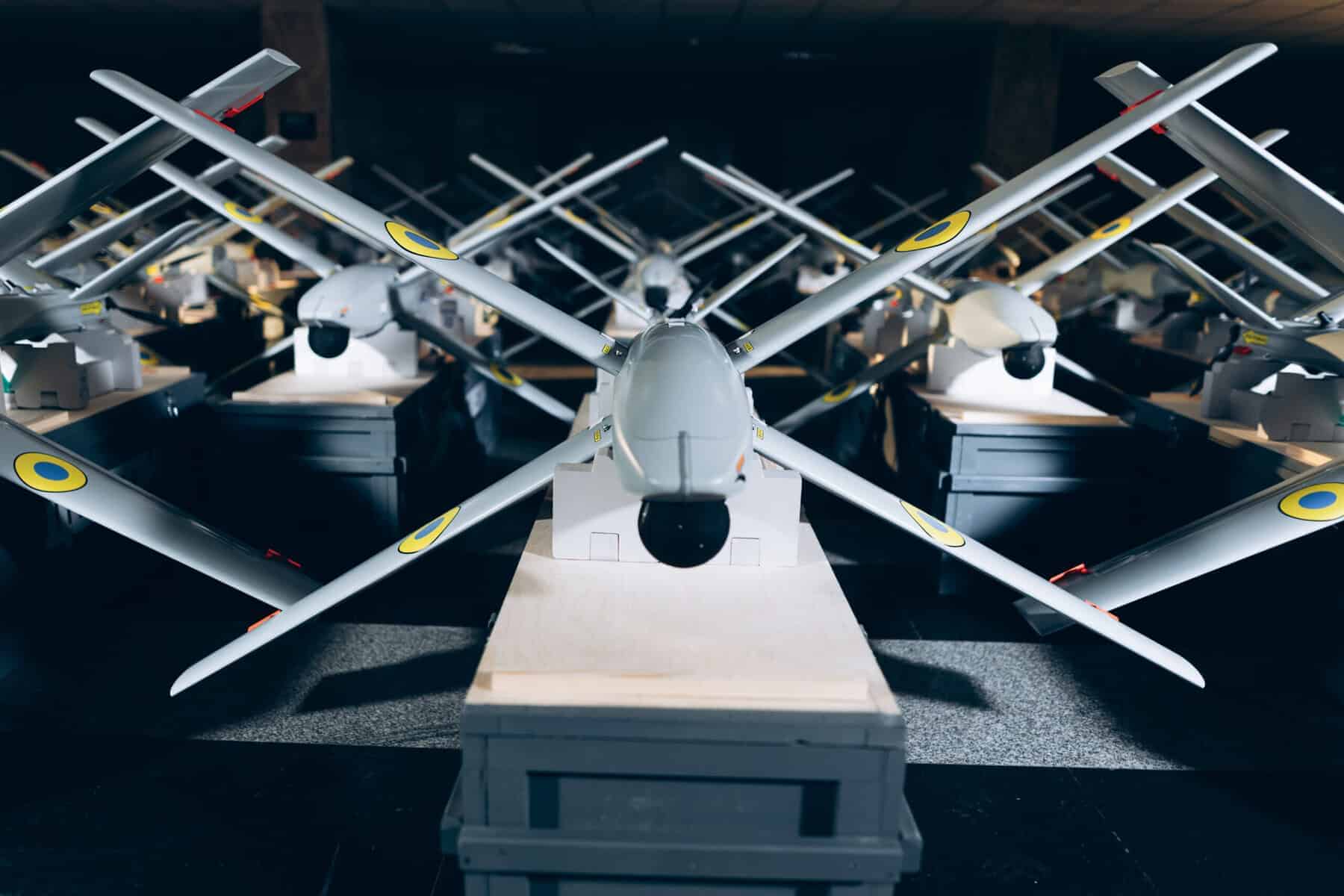
Ukrainian military operations have meanwhile proven the effectiveness of strikes on the sources of Russian revenue as leverage over Beijing, which needs Russia as a working resource base for a global military confrontation.
European governments have stopped treating economic engagement with Beijing and the containment of Moscow as separate policies and have classified the entrenchment of Chinese capital on the continent as a security threat.
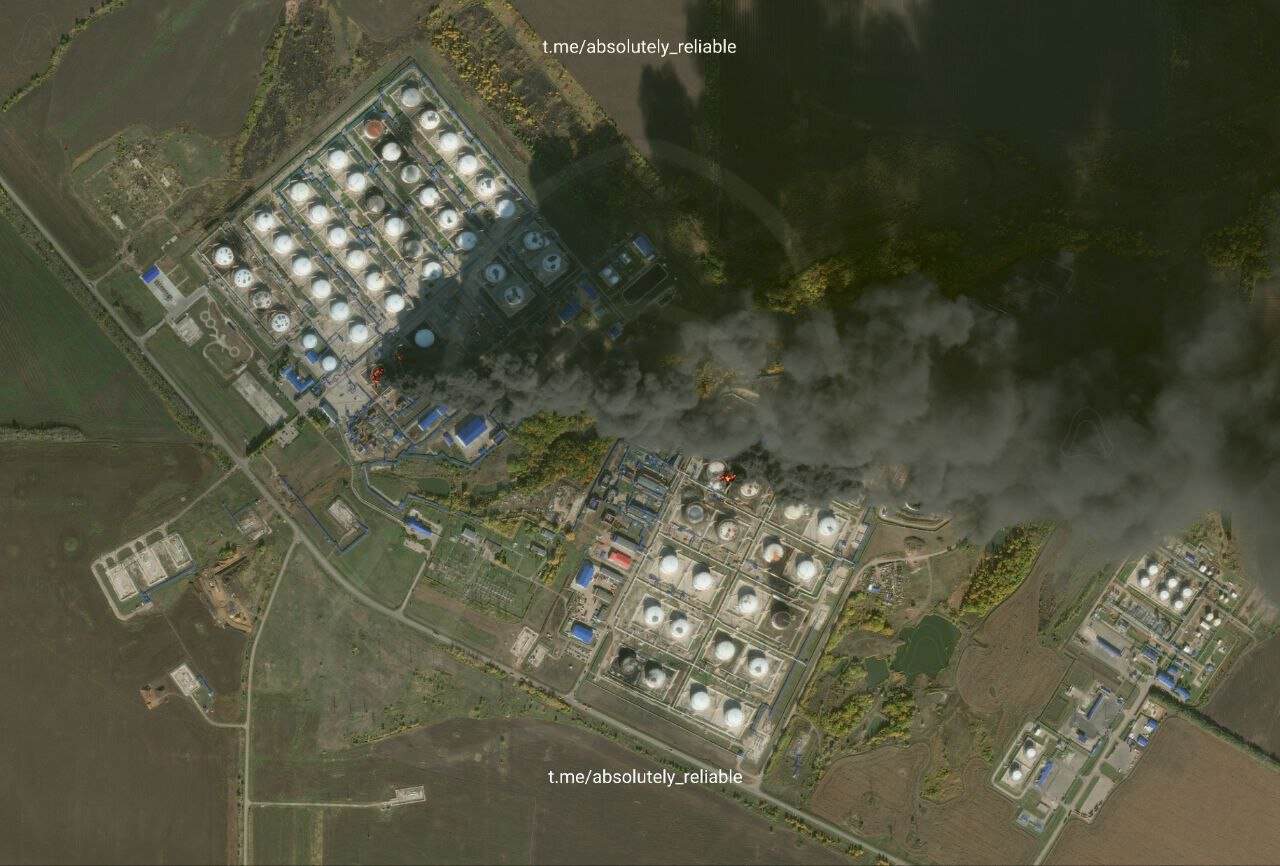
Over the past two months the Russian-Ukrainian war has changed in kind. From a war fought with limited means—precision strikes on military targets—it has moved into a format of total war in which any point that generates revenue counts as a military target, from export terminals and tanker routes to retail stores and gas stations.
Moscow holds a substantial advantage in the size of its mobilization reserve and missile arsenal, in domestic production volumes, and in oil and gas revenue. In an exchange of devastating strikes whose tempo is accelerating and setting the new character of the war, Ukraine risks losing within less than a year the logistics nodes on which its ability to fight in the contact zones depends.
The shortage of time made the July synchronization a forced step for Washington and Brussels. For years each of the democratic bloc’s two principal power centers concentrated its main instruments of containment on a single geopolitical competitor—the European Union on Russia, the United States on China.
Brussels has imposed twenty-one sanctions packages on Russia, set restrictions on the shadow fleet, and built mechanisms for handling frozen assets, while continuing to treat Beijing as partner and competitor at the same time.
In the 2020s the United States repeatedly tightened tariff restrictions on China and introduced export controls on semiconductors bound for the Chinese market.
At the same time, since the start of Donald Trump’s term several attempts were made to build an alternative model of engagement with Russia, intended to slow Moscow’s integration into the autocratic axis and shift part of Russia’s foreign policy and economic priorities toward a revived dialogue with the democratic bloc.
The asymmetry of US and EU pressure on the different components of the authoritarian axis’s core left Russia and China room for economic and political engagement with whichever center of the democratic bloc treated Moscow or Beijing, respectively, as a potential partner—an approach that found no understanding among coalition allies.
After the NATO summit in Ankara, the United States is moving from attempts to open a negotiating format with Moscow through energy export concessions to Russia toward pressure on the buyers of Russian commodities, applying secondary sanctions against Moscow and banning new investment in the Russian economy by American business.
European political elites have recently come to define the entrenchment of China’s economic presence on the continent as a security threat and are preparing asymmetric measures against Chinese capital that include regulatory restrictions and fines for breaching them, a tougher customs policy toward Chinese retailers, anti-subsidy investigations, and a restructuring of existing supply chains.
The synchronization of European regulatory pressure on China with US asset, transaction, investment, and visa restrictions on Russia is turning into a single Western geopolitical strategy whose purpose is sustained and coordinated resistance to the expansionist intentions of the autocratic axis’s core.
Political Threats and the Trade Deficit Are Pushing European Political Elites to Scale Back Economic Cooperation with China
Since the 1990s European corporations have moved production to China in pursuit of lower costs, underestimating industrial espionage, state subsidies, and reverse engineering. Chinese companies used the technology they obtained and the backing of the state to catch up with their European partners and push them out even of their traditional markets.
The defining feature of the Chinese economic model became its treatment of every state resource at hand as a single pool of assets that Beijing maneuvers freely, neutralizing competing European industries to clear the way for its own producers.
Russia’s full-scale invasion in 2022 focused the attention of European capitals on Moscow and pushed back any review of relations with Beijing. Until 2026 most governments continued to see those relations as primarily commercial, which gave Chinese capital time to establish itself in strategic sectors of the European economy.
Chinese capital has embedded itself most deeply in the automotive industry, which European governments spent decades treating as the backbone of the continent’s technological leadership. Chinese capital entered directly into the ownership structure of leading European automakers. Beijing Automotive Group and Tenaciou3 Prospect Investment hold nearly 20% of Mercedes-Benz, while Geely controls Volvo Cars, Polestar, the London Electric Vehicle Company, half of Smart, 51% of Lotus, roughly 17% of Aston Martin, and 8.2% of AB Volvo.
Those automotive holdings are part of a wider wave of acquisitions in European machinery and chemicals. ChemChina bought the Swiss agrochemical giant Syngenta for $43 billion, the largest foreign purchase in the history of Chinese business, and paid €925 million for KraussMaffei, the Munich maker of plastics processing equipment; Sany acquired the concrete pump manufacturer Putzmeister; and Weichai Power took a stake in KION, the world’s second-largest maker of material handling equipment, becoming its anchor shareholder.
Midea’s €4.5 billion takeover of KUKA is the clearest case. After the full buyout in 2022, production was localized in Foshan and the technology was used to automate Chinese factories. China now installs 54% of the world’s industrial robots, operates a fleet of more than 2 million machines, and has a density of 470 robots per 10,000 workers.
The share of Chinese manufacturers in their domestic market has risen to 47%, and imports of Chinese robotics into Europe grew by 171% in a year.
The ultimate goal of this policy was a methodical reshaping of the current economic and industrial structure of European states into a model in which cooperation between Western business and China would become indispensable for Europe to preserve stable supply chains, investment, and technological development.
While Chinese capital was building the manufacturing sector of the democracies into a system of dependence on Beijing, the PRC leadership methodically supported Moscow by supplying dual-use components for Russian military production.
In June 2022 China became the largest buyer of Russian fossil fuels, and since 2023 Russia has been the main supplier of crude oil to China. In September 2025 China bought 47% of Russian crude and accounted for 42% of Russia’s export revenue from the five largest fossil fuel importers.
Despite European leaders’ awareness of how far Russia and China are integrated into a shared economic, resource, and military-industrial space, attempts to build a single system of measures against the core of the axis of autocracies fell short until 2026.
The EU’s reassessment of its engagement with Beijing was accelerated by the American tariffs of 2025, which redirected surplus Chinese output to Europe. In 2025 EU imports from China rose to €559.4 billion, with industrial goods making up 97.3% of that total. Temu and Shein added further to the flow of cheap parcels. The trade deficit passed €1 billion a day and approached €400 billion a year, forcing Brussels to put protection of its internal market on a systematic footing.
The correction of trade policy also has a domestic political dimension. The 2027–2029 election cycle sets the tempo for these decisions—parliamentary elections in Italy, Germany, Spain, and the United Kingdom, and the presidential campaign in France.
Deindustrialization and job losses under pressure from Chinese imports convert into electoral support for forces contesting power with centrist governments.
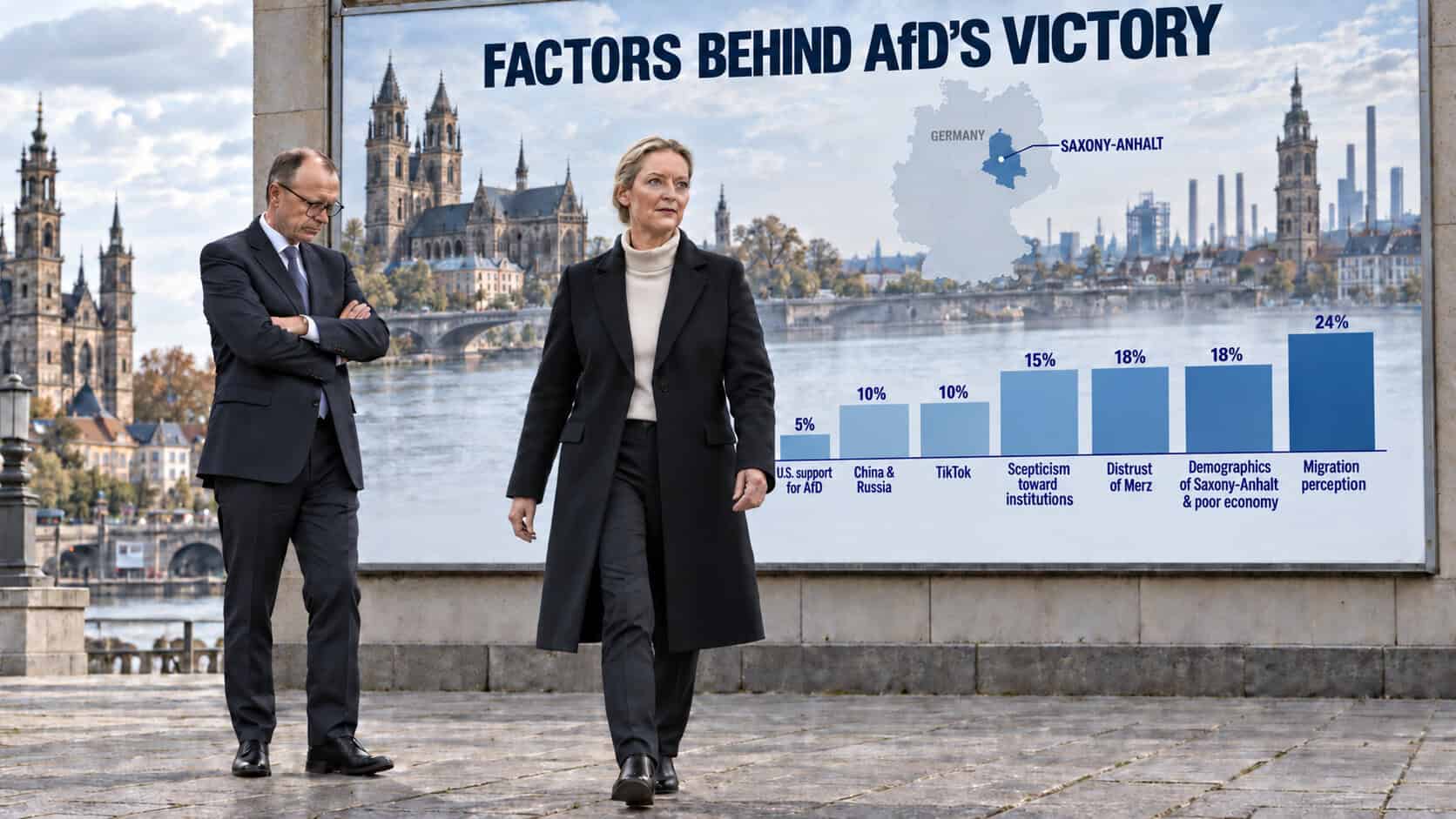
An appeals court shortened Marine Le Pen’s ban on running for office, after which she confirmed her participation in the presidential campaign; Reform UK posted a record result in Britain’s May local elections; Alternative for Germany has led every poll since April 2026.
For centrist cabinets, limiting China’s trade expansion is a way to take from their rivals the main source of voter discontent before the campaigns begin.
Brussels treats the strengthening of the far right and the far left as a threat to the bloc’s unity. Despite their ideological differences, both oppose confrontation with Beijing and criticize the EU’s trade course toward the United States. Chinese imports, deindustrialization, and job losses deepen political polarization: ultraconservatives are backed by roughly a quarter of European voters, and radical left forces by about one voter in thirteen.
More centrist political forces are also taking consistent steps toward reviving cooperation with China. After Viktor Orbán’s defeat, the leading opponent of protectionist measures became Spanish Prime Minister Pedro Sánchez. In April 2026 Madrid signed 19 agreements in industry, energy, and transport in Beijing. In 2024–2025 Chinese investment in Spain grew to €9.7 billion, in part through CATL’s €4.1 billion battery plant in Zaragoza.
Beijing Is Building a Network of Loyal Governments in EU Candidate Countries
China’s advancement of its own trade and economic interests inside the EU, which brings Chinese capital into European investment, manufacturing, and consumer sectors, is complemented by the expansion of the PRC’s influence in the Balkan states, five of which hold EU candidate status.
Over 2025–2026 Belgrade expanded economic engagement with China most actively, as Serbian President Aleksandar Vučić’s visit to the PRC in May 2026 demonstrated.
Following his meeting with Xi Jinping and the heads of Chinese technology and industrial corporations, Chinese capital agreed to invest roughly €953 million in auto components manufacturing, artificial intelligence, and robotics.
The condition attached to Chinese foreign direct investment and infrastructure loans, which total roughly $16 billion over 2016–2026, was Serbia’s transformation into a regional hub for the manufacturing and technology supply chains of Chinese business in Europe.
In Montenegro, Chinese influence rests on debt for infrastructure projects, among them the Bar–Boljare highway costing more than $900 million, as well as on ships and energy facilities. Accession by Serbia and Montenegro to the EU without a loosening of that dependence would give Beijing channels of influence over decisions requiring unanimity and additional opportunities to provoke internal crises in the bloc.
Germany’s Industrial Crisis Is Driving the EU Toward Protecting Its Own Market
Despite the ambition of a number of European governments to keep and deepen economic relations with China, Beijing’s unwillingness to correct the trade imbalance and China’s continuing role as a supplier to Russia’s defense industry have pushed European capitals to synchronize their instruments against the autocracies with the United States.
The leading advocate of the campaign to break the European economy’s dependence on Chinese capital has been Germany, whose trade deficit with China exceeded €90 billion as German exports to China fell by almost 10%.
The entrenchment of Chinese goods in the German market drove down German industrial output, a decline that has continued since 2022. Between 2019 and 2026 roughly 341,500 jobs were cut in Germany’s industrial sector, and more than 127,000 industrial workers had lost their jobs as of the end of the first quarter of 2026.
The loss of 6% of the sector’s jobs, compounded by underused industrial capacity, was one of the reasons German GDP contracted in 2023–2024 and stagnated in 2025.
The crisis in the German auto industry cut Volkswagen’s operating profit by 53.5% and drove the group’s margin down to 2.8%.
Together with a 31% drop in sales in China in the first half of 2026, this prompted Volkswagen to consider closing four German plants and cutting up to one hundred thousand jobs.
The group now builds its new electric vehicles for the Chinese market on the platforms of local competitors—Volkswagen is developing two mid-segment models with Xpeng, and since August 2025 Audi has been producing the E5 on the platform of the state-owned SAIC. A manufacturer that led the Chinese car market for decades has become a licensee of Chinese technology.
The crisis is spreading across the entire European auto industry, which generates more than 7% of EU GDP and supports 13.8 million jobs. Chinese price pressure has pushed capacity utilization at some plants below break-even, Bosch is cutting 13,000 workers, and the share of Chinese brands in the EU has risen to 5.1%. Since 2001 China’s share of global industrial output has grown from 6% to more than 30%, while the EU’s share has fallen from 30% to 17%.
The “Made in China” program and China’s pivot toward domestic consumption make this dependence one-sided: Europe needs Chinese supplies more and more, while China’s own dependence on European goods declines.
Beijing’s calculation is that without a competitive industrial base the EU will lose the capacity for the rearmament its leaders have planned, weakening Europe as an ally of the United States and reducing support for governments allied with the democratic bloc in the Indo-Pacific.
The perception of China as one of Europe’s key security challenges took shape across the entire tenure of the European Commission under Ursula von der Leyen. Through the first half of the 2020s Brussels systematically lobbied for a policy of supply chain diversification, pursuing free trade agreements with India, Australia, Thailand, Indonesia, and Mercosur, and working on defense pacts with Japan and South Korea.
In its second term the Commission added the reindustrialization of the EU to that course, reproducing the American policy of bringing production back home.
EU Sanctions on Moscow Narrow Beijing’s Resource Base
Sanctions pressure on Moscow is the second line of the joint campaign to contain the autocratic axis. Russia and China are integrated into a shared economic, resource, and military-industrial space—Chinese industry runs on Russian raw materials, and Russian military production depends on Chinese components.
By restricting Russia’s revenue and financial operations, the EU and the United States simultaneously narrow Beijing’s resource base and press it through the Russian link.
On July 23, 2026, the Council of the EU adopted the 21st sanctions package against Russia—the largest in four years by number of targets, with 218 listings that include 48 individuals and 170 entities. The restrictions simultaneously narrow four channels of war financing: oil exports, banking settlements, the withdrawal of proceeds through cryptocurrency, and the shadow fleet.
Unanimity came at the price of targeted concessions to states whose industries are most deeply embedded in Russian supplies—an exemption for shipments of Russian liquefied natural gas to third countries, secured by Greece, and continued imports of Russian fish for Germany, France, and Portugal.
Each such concession sets a precedent for demands from the next set of capitals and turns the veto from an instrument for defending national interests into a lever of industry lobbying.
Despite rising prices for benchmark crude grades caused by hostilities in the Middle East and disrupted navigation in the Strait of Hormuz, the European Union froze the price cap on Russian oil at $44.10 per barrel until July 15, 2027. The package suspended the automatic review of the cap, which at current quotations would have raised it to at least $65 per barrel and legalized billions of dollars in additional revenue for the Russian budget.
Against the shadow fleet the EU broadened the listing criteria themselves. Another 41 vessels insured and certified outside the EU were added to the lists, and for the first time the restrictions cover companies that service those vessels with bunkering and crewing.
The sanctions list can now reach refineries in third countries that buy and process Russian oil—five traders of Russian oil have already come under restrictions. Member states have for the first time obtained legal grounds to confiscate and sell cargo from detained vessels in violation.
On the financial side, the EU banned transactions with another 32 Russian banks and extended the restrictions to banks in third countries, among them a Kyrgyz bank tied to Russia’s System for Transfer of Financial Messages, which Moscow is building as an alternative to SWIFT.
The cryptocurrency block restricts operations with 14 platforms in Georgia, Panama, the UAE, Kyrgyzstan, and Belarus that are used in settlements for Russian oil, and for the first time allows a complete ban on the crypto services of an entire third country if its platforms serve the circumvention of European sanctions.
Brussels Is Scaling Up Screening Measures and Trade Restrictions Against Beijing’s Instruments of Influence
New measures to contain Russia run up ever more often against the exhaustion of restrictions that carry no tangible cost for member states. At the same time, the European leadership takes a more decisive approach to the future EU Security Strategy and to defining China’s destructive role in it.
The package of legal acts tied to the Strategy converts the political classification of Chinese expansion as a security threat into a legal obligation. The doctrinal document strips national governments of the ability to develop trade and economic cooperation with China outside the pan-European position.
The European Commission is turning the Strategy’s security principles into legal instruments—tighter screening of foreign investment, safeguards against surges in Chinese imports, audits and unfair competition investigations, stricter public procurement criteria, and continuous product safety monitoring. Manufacturing sectors that ignore supply chain diversification requirements will lose access to EU funds and face restrictions in the internal market.
The first measures signaling the large-scale application of this policy were a fine of more than $218 million imposed in May 2026 on the Chinese company Temu for violating the Digital Services Act, and the introduction of a flat fee of $3.30 on every parcel from China.
Over 2025–2026 the European Union scaled up its ban on using European funds to purchase Chinese inverters, video surveillance systems, and communications equipment for critical infrastructure.
Beijing’s unwillingness to curb its policy of deepening European industries’ dependence on Chinese capital will lead Brussels to consider activating the Anti-Coercion Instrument against China, adopted in 2023 and never yet used by the EU.
That mechanism can cover restrictions on bilateral trade and foreign direct investment, tightened export controls, and measures affecting financial markets.
Phased, comprehensive pressure will confront Beijing with the need to respond to several parallel challenges at once, denying the Chinese leadership the option of a symmetrical response and allowing the dependence of China’s export model on the EU market to be used against China itself. This course brings European protectionist initiatives closer to the policy of economic containment of China pursued by the Trump administration and marks a shift to systematic restriction of the instruments through which Beijing entrenched itself in the economic structure of EU countries.
The rhetoric of the US administration at the NATO summit in Ankara and the Senate bill on tariffs against the largest buyers of Russian energy demonstrated the White House’s readiness to accommodate European security needs by increasing pressure on Russia.
Europe, for its part, is signaling its intent to raise regulatory restrictions on China comprehensively and in this way to seize the initiative in the trade and economic confrontation with Beijing for the first time. Both centers of the democratic bloc are consistently extending their tariff and sanctions pressure to the states that make up the core of the autocratic axis, and the mutual coordination of those restrictions makes the joint US–EU strategy far more systematic than at earlier stages.
Until 2026 the autocratic axis’s strategic advantage rested on the ability of Moscow and Beijing to sustain within the democratic bloc the perception that the threats differed in scale and direction. For part of the American elite, Russia was a European problem; for part of the European elite, China was Washington’s rival.
The synchronized increase in US and EU pressure has drained that adaptation strategy of its purpose, since no member of the axis any longer has a partner in the Western world inclined toward selective concessions, and the axis cannot answer synchronized, consolidated pressure.
The simultaneous narrowing by Washington and Brussels of the resources sustaining Russia’s war, together with the weakening of the Russian economy by Ukrainian long-range strikes, will require Beijing to choose between two courses of action. Either Beijing is forced to enter the war on Russia’s side by openly supplying weapons and increasing the number of military units in the North Korean contingent, or it steers Moscow toward at least freezing the active phase of hostilities.
Each of these scenarios carries negative consequences for China, because Beijing’s direct participation in the conflict destroys the Chinese scenario for a global conflict, under which a full-scale clash was to begin only after the PRC completed its resource and structural preparation.
In the other case, a halt to hostilities by Moscow creates the risk that Putin’s team is removed from power through economic collapse and conflict among Russian elites. Which of these trajectories the global conflict follows depends on the ability of Washington and Brussels to move in step—and that dependence is what forces the West to hurry.
This publication is the result of a partnership between MILITARNYI and SOLID INFO. An extended version is available on the website of the analytical center.
A Sharp Shift in the Dynamics of Global Confrontation Forces Washington to Rethink How It Builds Its Key Partnerships
On September 12–13, 2026, the 18th BRICS Summit was held in New Delhi. Xi Jinping traveled to India to lead the Chinese delegation, marking his fir...
Xi Jinping’s Washington Visit Outlines the Timeframe for the Active Phase of the Confrontation: Beijing Openly Demands Taiwan’s Return
On September 23–25, 2026, Chinese President Xi Jinping held talks with President Trump at the White House during the first Chinese state visit to t...
