
The Myanmar Conflict: Asymmetric Warfare Is Reshaping the Balance of Power Between the West and the Autocratic Axis

Solid Info



The Myanmar Conflict: Asymmetric Warfare Is Reshaping the Balance of Power Between the West and the Autocratic Axis
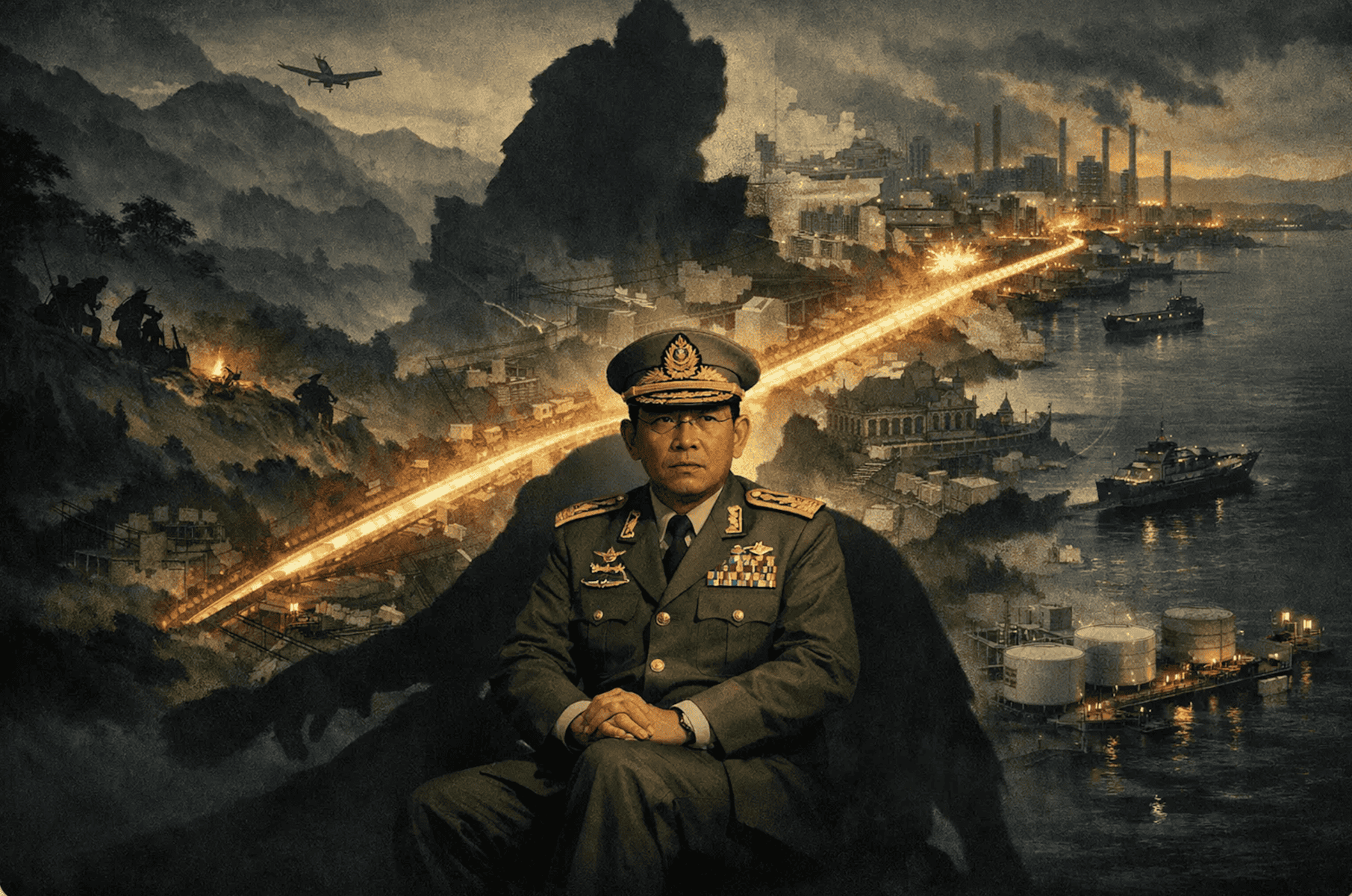
On April 3, 2026, Myanmar’s parliament elected General Min Aung Hlaing—the junta’s de facto leader—as President of the country, following three rounds of parliamentary elections held between December 28, 2025, and January 25, 2026. No democratic nation recognized the elections as legitimate; China, Russia, and Belarus, by contrast, endorsed Hlaing’s presidency. The junta is a collective military body, and the general’s election amounts to a theatrical electoral exercise that does not alter the actual distribution of power within the country.
Myanmar’s civil war is one of the few active conflicts whose outcome has the potential to decisively influence the global struggle between the democratic world and the autocratic axis. The conflict began in February 2021 with the military overthrow of Aung San Suu Kyi’s government in a country that had been on a steady trajectory of democratic development. It involves a diverse array of armed factions: on one side stand the junta’s military forces; on the other, the resistance coalition—comprising pro-democracy People’s Defense Forces and ethnic armies pursuing their own agendas. The junta’s seizure of power gave Beijing an opening to fast-track the construction of energy infrastructure bypassing the Strait of Malacca, laying the logistical groundwork for planning a sustained military operation against Taiwan.
China’s Economic Resilience Model Is Failing Under Modern Warfare Conditions
The Strait of Malacca is the single greatest chokepoint in China’s energy supply chain: roughly 80 percent of China’s oil imports transit through it. After the junta came to power, Beijing invested $2.54 billion in the construction of a 771-kilometer oil pipeline and a 793-kilometer gas pipeline running from the port of Kyaukphyu to Yunnan Province—the China–Myanmar Economic Corridor (CMEC). This route shortens the delivery of oil from the Middle East and Africa by 3,000 to 5,000 kilometers compared to the maritime route through the Strait of Malacca, which U.S. and allied naval forces would blockade in the event of an escalation in the Pacific.
Keeping this corridor operational allows Beijing to accelerate the build-up of strategic reserves as part of its preparations for a protracted military campaign under conditions of total naval blockade. Actual throughput in 2024 stood at 10–12 million tons against a design capacity of 22 million tons. Heavy utilization of the corridor is one of the key indicators signaling that Beijing has entered the final phase of preparation for a sustained military operation. Min Aung Hlaing has publicly identified integration into the Belt and Road Initiative and the development of the corridor as the country’s top foreign policy priorities.
The junta’s attempt to consolidate power gives China the opportunity to turn Myanmar into a militarized asset capable of supplying manpower, raw materials, and logistical capacity in service of the autocratic axis. The country provides access to the Bay of Bengal, holds proven reserves of rare-earth minerals, and has a population of 55 million that Beijing views as a human resource to be exploited in support of its own strategic interests in distant theaters—much as it facilitated the deployment of North Korean units to fight in Russia’s Kursk Oblast.
This mechanism is already operating in the non-military sphere: in early 2025, a first contingent of roughly 10,000 Myanmar workers was sent to Russia to work on construction and infrastructure projects. This arrangement allows the regime to partially offset budget losses from international isolation while simultaneously deepening its economic dependence on Moscow.
As of 2026, the anti-regime resistance—a coalition of ethnic armed organizations and newly formed People’s Defense Forces—controls over 40 percent of the country’s territory. Junta military units largely hold major cities and key transportation corridors, while border regions, highland areas, and much of the central provinces remain beyond its reach.
The resistance’s control over large swaths of territory gives it the capacity to strike critical nodes of China’s energy infrastructure in areas where the junta is unable to provide physical security.
Beijing’s strategic plans require accumulating oil reserves sufficient to keep the economy running through a prolonged naval blockade before launching any operation against Taiwan. CMEC was built as a tool to accelerate that stockpiling via a land route beyond the reach of the U.S. Navy.
As of early 2026, China’s total oil reserves are estimated at 1.1 to 1.3 billion barrels, providing between 100 and 140 days of import coverage. Throughout 2025, Beijing constructed 11 new storage facilities with a combined capacity of 169 million barrels. The growing capability of resistance forces to strike corridor infrastructure is a variable absent from the pre-war scenarios of Chinese military planners.
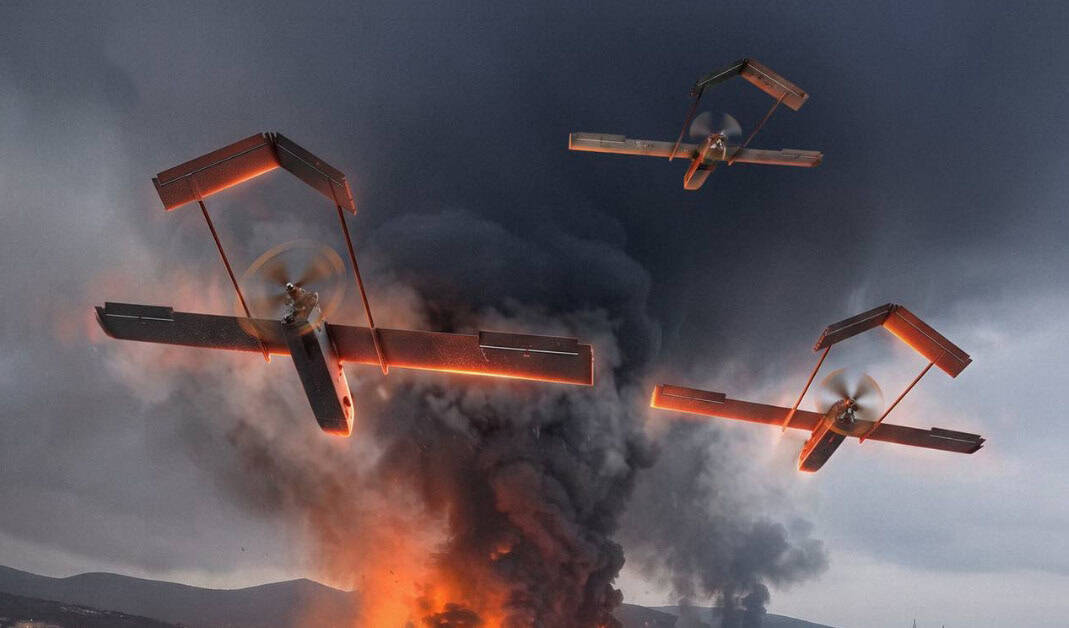
Confirmed resistance strikes at considerable depth from their own positions—falling into the categories of middle and deep strike—demonstrate a sustained ability to hit infrastructure nodes along the corridor. In April 2024, approximately 30 kamikaze drones struck the junta’s headquarters, an air base, and Min Aung Hlaing’s residence in Naypyidaw—the capital, located hundreds of kilometers from the resistance’s main positions. In November 2024, drones damaged military aircraft at Shante Air Base; in December of the same year, an attempted strike against General Hlaing was recorded at Naypyidaw Airport itself. The availability of precision strike drone systems to irregular forces makes it impossible to defend extended linear infrastructure in an active conflict zone.
The vulnerability of the China–Myanmar Economic Corridor illustrates that, under modern combat conditions, no country can reliably build a secure and protected logistics and supply infrastructure that is immune to asymmetric action by an adversary.
China, Russia, and Iran as the Primary Factor Keeping the Junta in Power in Myanmar
The chief strategic beneficiary of Hlaing’s presidency is China, which views strengthening the junta as a means of expanding its footprint in Southeast Asia and the Indian Ocean.
After the junta suffered a series of critical defeats at the hands of resistance forces and ethnic armies in 2023–2024, the regime found itself on the brink of territorial collapse. A coordinated offensive by a coalition of ethnic armed organizations under Operation 1027 transferred control of large swaths of border regions to the resistance within a matter of months and threatened key cities in central Myanmar. The regime managed to stabilize the situation only through direct Chinese intervention.
At the moment the Three Brotherhood Alliance’s forces were advancing on the strategically important city of Lashio, they were compelled to halt because Beijing shut down border crossings, froze fuel supplies on which their logistics critically depended, and blocked the financial accounts of business entities linked to the insurgents.
China’s Deputy Foreign Minister Sun Weidong personally brokered an agreement in Kunming under which the insurgents froze their lines of advance in exchange for security guarantees covering China–Myanmar Economic Corridor assets.
Since 2025, Chinese military advisors have been directly present in combat zones. Active-duty PLA officers were involved in planning counteroperations against the Arakan Army during clashes around Kyaukphyu.
This form of shadow participation allows Beijing to accomplish two objectives simultaneously: physically protect the infrastructure of a critical logistics hub while giving its own command cadres hands-on experience coordinating operations in an intense asymmetric conflict.
Determined to prevent General Hlaing’s collapse along Syrian lines following the critical losses of Operation 1027, Beijing significantly stepped up transfers of both conventional and advanced strike systems to the Myanmar junta. The conventional component of these deliveries included combat aircraft, helicopters, armored vehicles, and artillery ammunition, enabling the junta to reassert air dominance over active combat zones.
A separate line of effort involved technological reinforcement through reconnaissance-strike drone systems, electronic warfare assets, and integrated surveillance systems—delivered largely through civilian markets, allowing Beijing to maintain plausible deniability.
Russian arms deliveries to Myanmar—accompanied by the continuous presence of Russian Army instructors and technical personnel—are not independent of China either. Key Russian weapons categories, including Orlan-series reconnaissance drones, aviation systems, and upgraded armored vehicles, are critically dependent on Chinese microelectronics and components, which account for up to 90 percent of the content in certain items.
The junta’s primary tactical edge over resistance forces remains its military aviation. China and Russia have supplied the regime with Chengdu J-7 fighters, FTC-2000G light attack jets, and Harbin Y-12 transport aircraft adapted for bombing runs, as well as attack helicopters.
The jungles covering most resistance-controlled territory make ground operations impractical for much of the year, but offer no protection against persistent air bombardment. The junta systematically strikes settlements and resistance positions deep in forested areas.
Aviation also serves a logistical function: junta outposts that have been encircled are kept supplied by air, allowing the regime to hold positions that would long since have been lost if dependent on ground lines of communication.
Iran supplies the regime with a critical resource without which the junta’s air dominance would be impossible. Between October 2024 and December 2025, the Iranian tankers Reef and Noble made nine voyages, delivering approximately 175,000 tons of aviation fuel. In 2025, Myanmar imported at least 110,000 tons of aviation fuel—a 69 percent increase over 2024 and the largest volume in any year since the coup.
The U.S.-sanctioned Iranian cargo airline Qeshm Fars Air—penalized for supplying weapons to the IRGC in Syria—has been operating flights to Naypyidaw under suspicion of delivering drone systems. The junta is already operating drones with design features characteristic of the Iranian Shahed-136, obtained through Chinese intermediaries. Iranian aviation fuel and drone platforms form the third element of the autocratic axis’s support perimeter for the regime—alongside Chinese weaponry and Russian military infrastructure.
A separate component of Russian support consists of deliveries of precision-guided air munitions, including guided bombs that the junta employs against resistance positions in the jungle and population centers in the deep rear. The Chinese state corporation China South Industries Group Corporation is simultaneously helping the junta establish its own production of aviation munitions.
This technological interdependence indicates that China is using Russia and Iran as indirect weapons providers to prop up loyal autocratic regimes without incurring direct sanctions or reputational risks for itself. An analogous model of shadow distribution of military technology is documented within Russian–Iranian cooperation in the context of U.S. operations in the Middle East.
From a broader perspective, China continues to use Russia as its primary autocratic facilitator—a partner with no reputational qualms about collaborating with the most marginalized regimes. Russia serves as the architect of multilateral formats that institutionalize cooperation among sanctioned regimes outside Western institutions. The “Eurasian Charter of Diversity and Multipolarity” format, launched in February 2026, brought together the governments of North Korea, Myanmar, Iran, and Belarus to coordinate resource and technology exchanges through a mechanism that simultaneously provides pseudo-legitimization of the junta by integrating it into the wider autocratic axis network.
This multilateral format is supplemented by deepening bilateral strategic arrangements between Myanmar and Russia. Over the course of 2025, the two sides concluded a series of agreements providing for the joint construction of a military logistics port on the Indian Ocean, the development of coal and oil-refining facilities, and the implementation of a small modular reactor project in partnership with the state corporation Rosatom—which is likewise dependent on Chinese contractors.
A logical extension of this trajectory was the conclusion, in February 2026, of a non-public five-year defense pact. The signing of the document was synchronized with the theatrical elections in Myanmar, and its key purpose was to provide General Hlaing with external security guarantees to consolidate his presidential standing.
A public marker of the depth of this alignment was Sergei Shoigu’s February visit to Naypyidaw, during which he personally thanked Myanmar’s leadership for its “understanding” of Russia’s invasion of Ukraine. This formulation put on record the ideological consensus of the two regimes and, at the same time, demonstrated to Beijing that Moscow is prepared to publicly crystallize this axis without regard for reputational consequences.
Chinese and Russian support has been the primary catalyst for stabilizing the junta’s control over its held territories. The resources provided have enabled the military leadership to sustain uninterrupted air dominance, keep the state apparatus functioning through external financing, and build the organizational foundation for expanding the scale of forced mobilization. Tactical consolidation, however, does not translate into strategic durability for the regime—and it is precisely this gap that defines the limits of China’s bet on the junta.
The democratic world failed to capitalize on the 2021–2023 window when resistance forces were demonstrating the ability to hold and expand territory. The National Unity Government (NUG)—a government-in-exile that unites former legislators and coordinates the armed resistance—did not receive adequate support from the United States and its allies. This allowed China and Russia to exploit the democratic world’s passivity to advance their own strategy in Myanmar, giving Beijing the time it needed to develop its infrastructure assets.
As a result, the junta has retained control over roughly a quarter of Myanmar’s territory (approximately 21 to 25 percent), primarily the largest cities and infrastructure corridors. The army’s actual combat capability has deteriorated sharply: total strength has dropped from approximately 350,000 to 250,000, of whom only 80,000 to 120,000 are battle-ready frontline units—many of them operating at 30 to 70 percent of their authorized strength. Min Aung Hlaing has abandoned large-scale attempts to retake regions under resistance administration and has focused instead on staging an electoral process and formally easing repression—a course that, if sustained, could achieve formal international recognition of the new political order.
Asymmetric Strikes on Strategic Infrastructure as a New Tool for Deterring Global Escalation
Ukraine has already validated an approach that Myanmar’s resistance forces have the capacity to replicate. Drone systems neutralized Russia’s Black Sea Fleet without a single surface warship, while drone strikes on oil refineries, energy infrastructure, and logistics hubs deep inside Russian territory demonstrated that an adversary’s strategic infrastructure is a reachable target without direct force-on-force engagement. Ukraine has accumulated hands-on experience in striking an adversary’s critical infrastructure and has a direct incentive to demonstrate the vulnerability of China’s logistical architecture as a lever in its own confrontation with the autocratic axis. Arming Myanmar’s resistance forces with long-range drones opens the prospect of applying a similar logic in the Pacific theater.
The vacuum in U.S. strategy toward Myanmar creates operational space for countries directly affected by Chinese logistical expansion. Regional rivals of China—such as Taiwan and Japan—are tracking the growth of Chinese maritime presence along their own perimeters and have a stake in any tool that complicates Chinese logistical planning. Even before the 2021 coup, Tokyo was actively funding Myanmar through official development assistance and maintaining direct communication channels with the Myanmar military establishment as a hedge against Chinese expansion in the region. Japan is factoring in the effectiveness of asymmetric tools for striking critical infrastructure as it plans the modernization of its own defense-industrial base and develops its employment doctrine in the Indo-Pacific.
The inconsistency of U.S. foreign policy and the reassessment of America’s role as a security guarantor are compelling Washington’s democratic allies to build up their own military capabilities and develop autonomous security architectures that function independently of American guarantees. One result of this search is a growing recognition of the structural interdependence among members of the autocratic axis and an understanding that pressure on Beijing and Moscow need not be applied at the points of direct confrontation those actors have themselves chosen.
Myanmar’s importance to China’s strategic architecture makes it the most sensitive lever available for shaping Beijing’s behavior in the Pacific region. The effectiveness of such strategies opens new asymmetric deterrence tools to democratic nations against the autocratic axis.
Signature at the end: This publication is the result of a partnership between “Military” and SOLID INFO. An extended version is available on the website of the analytical center.

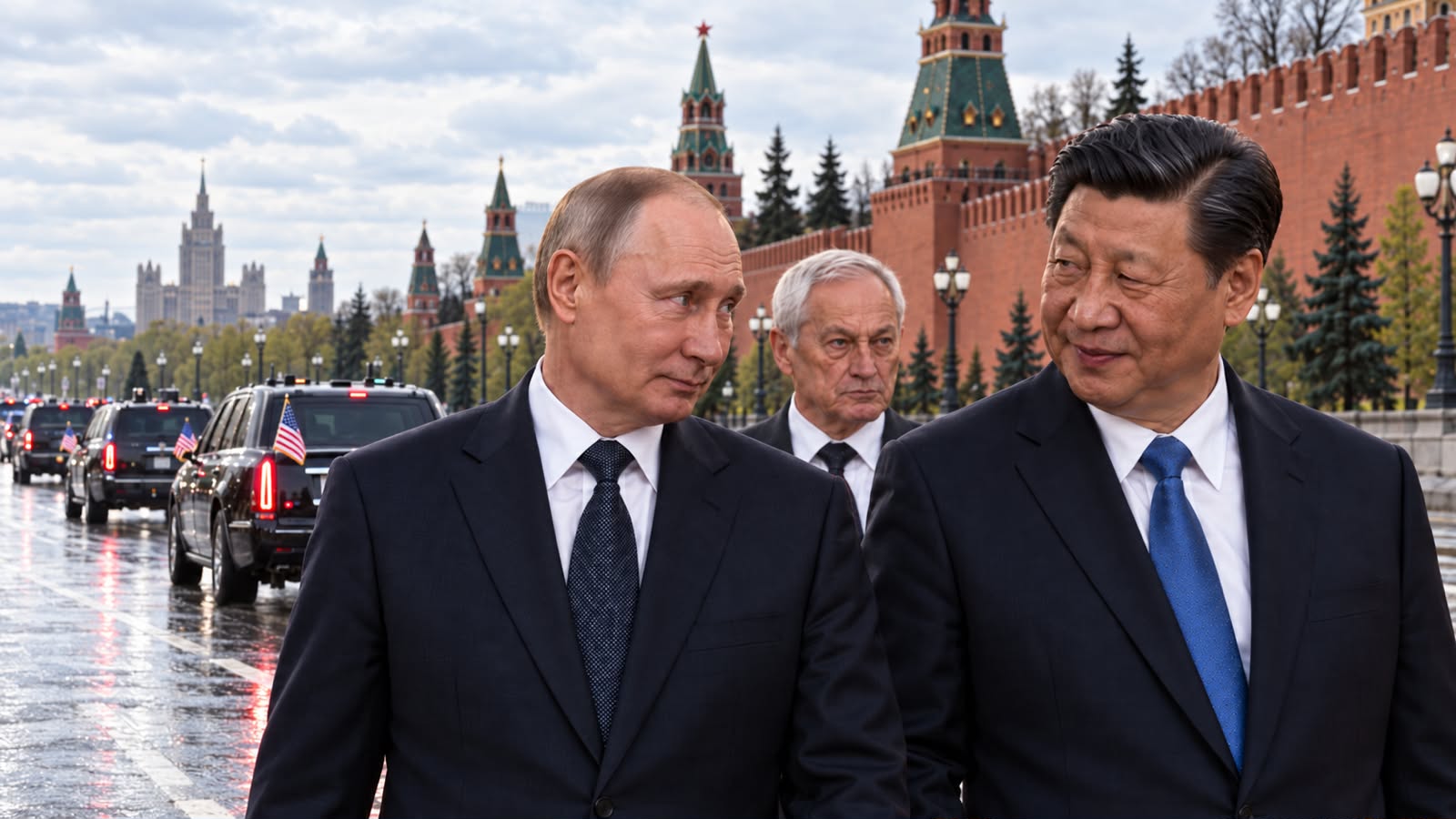

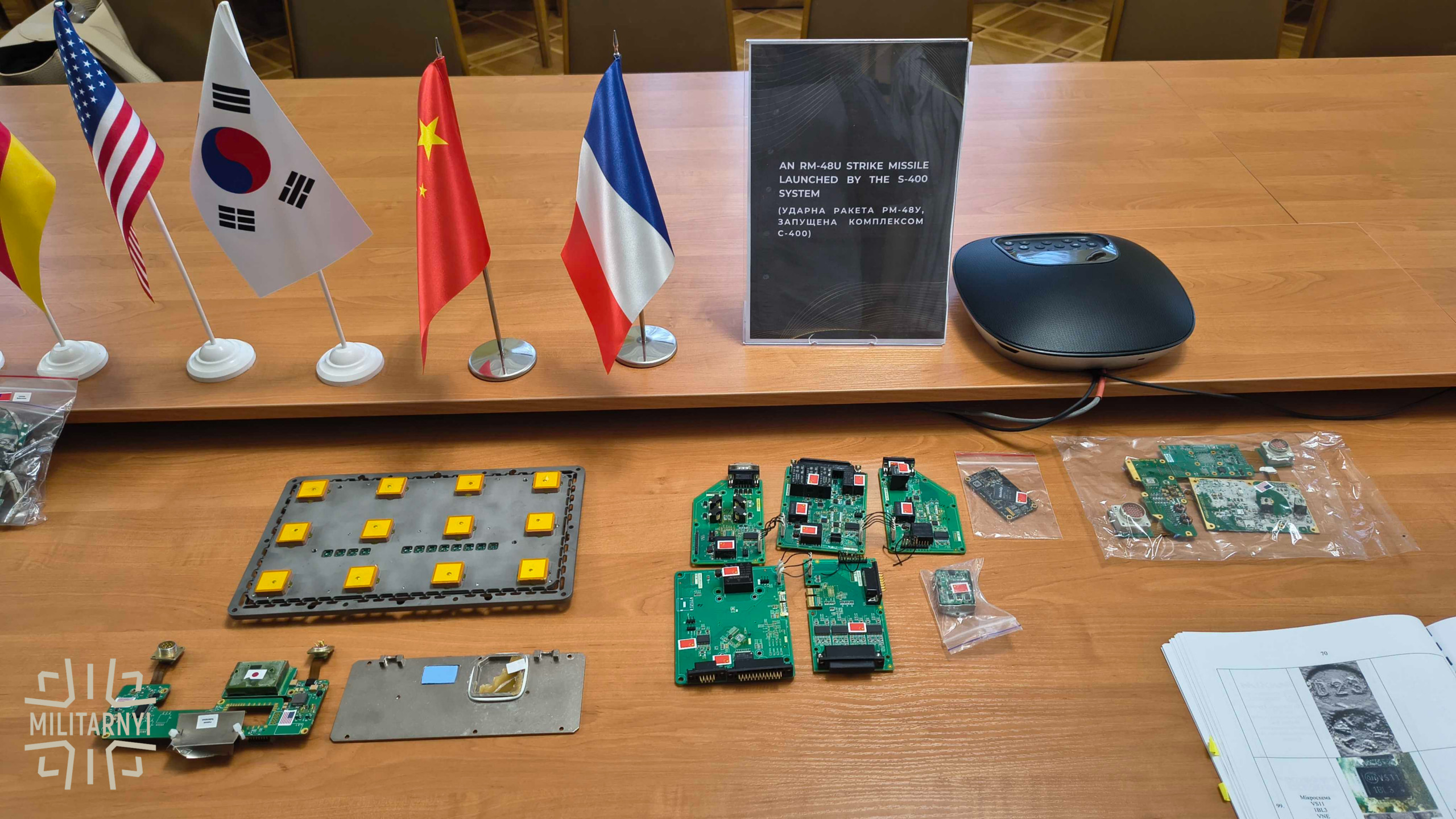
RM-48U Missiles for the S-400 Cannot Be Launched Without Foreign Components: How Russia Depends on the West for Its New Ballistic Missiles
Russia continues to use RM-48U ballistic missiles against Ukraine, which are based on the 48N6 anti-aircraft missiles of the S-400 system. Analysis...
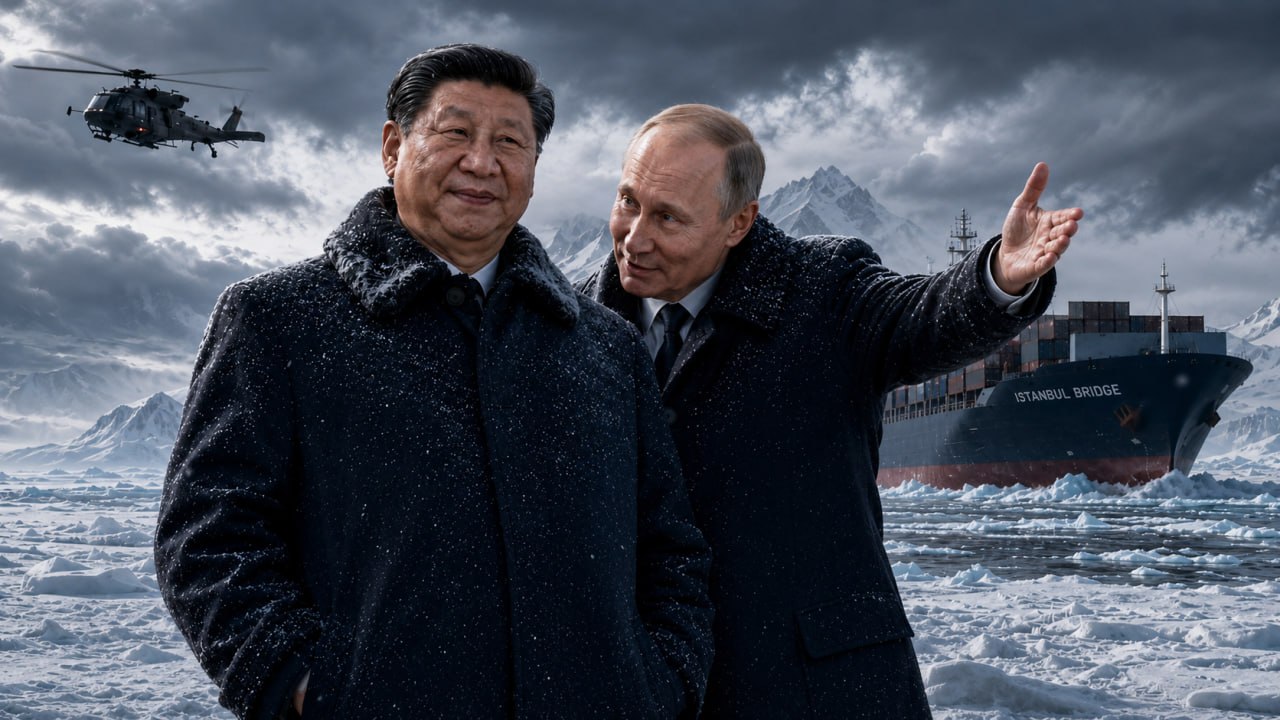
China Launches a Scheduled Container Service Through the Arctic: Moscow and Beijing Push a Distorted Picture of the Far North’s Potential
The northern route between Asia and Europe has scheduled container service for the first time. On August 12, 2026, the container ship Istanbul Brid...

Washington Backs Syria’s Emergence as an Independent Actor in the Islamic World and Its Reintegration into the Western Sphere
On August 24, 2026, the United States revoked Syria's designation as a state sponsor of terrorism, a status the country had carried since 1979. The...
