

Drones over Baltics: situation analysis, countermeasures and future risks

Lukas Šimonis


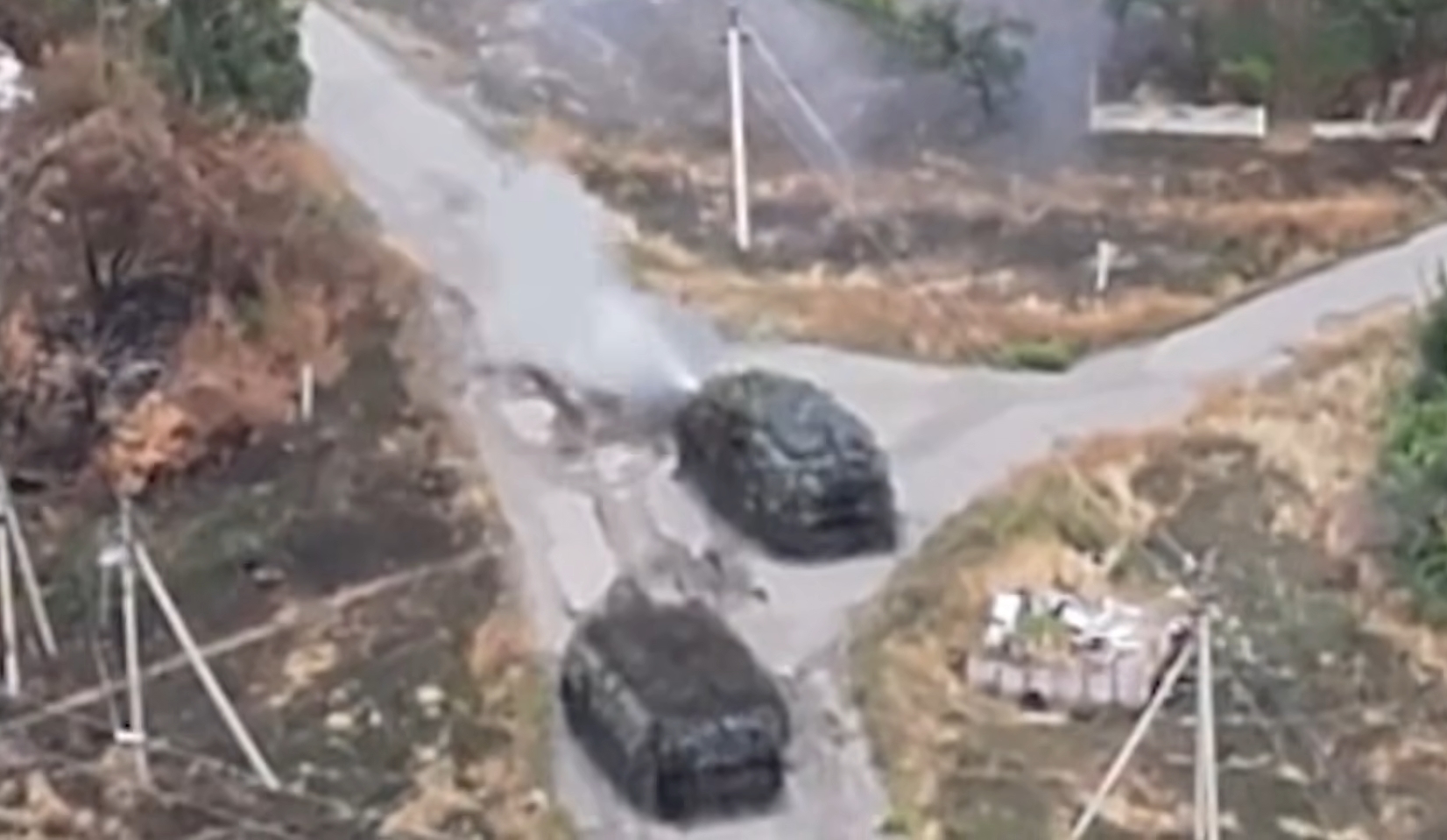
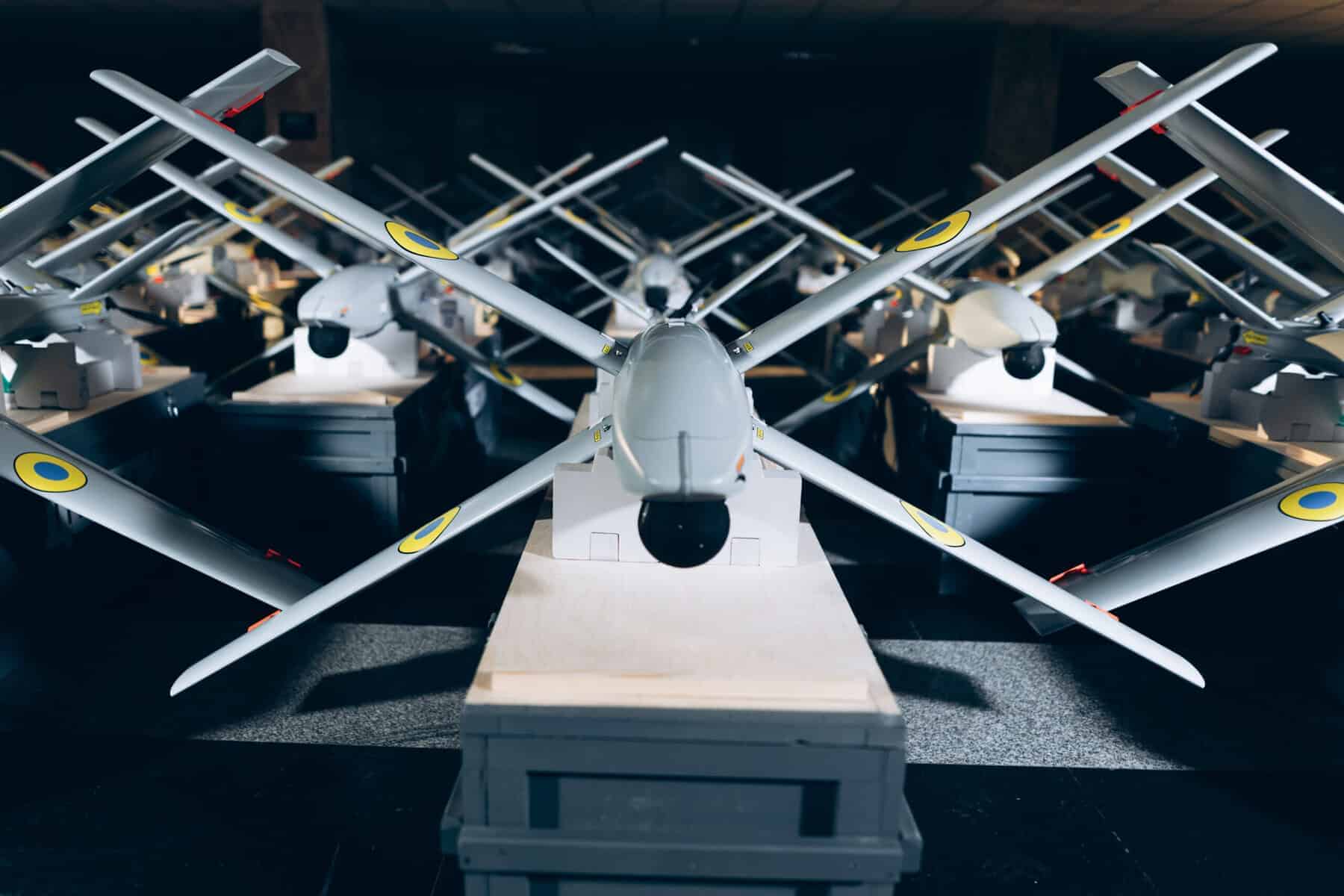
One can say that war is like fire – it does not recognize borders. Poland, Moldova and Romania have learned it already, as these countries faced multiple, sometimes massive Russian drone incursions into their airspace. For example, on the night of September 10th, 2025 Poland faced an unprecedented incursion, as more than 20 Russian drones have violated the Polish airspace, prompting Dutch F-35 fighters to fly a mission defending NATO’s Eastern flank, neutralizing most of the drones. These accidents, while causing even further diplomatic strain between European Union and Russia, did not escalate further, as the official analysis had concluded that the drones went off course “accidentally” during an attack on Ukraine. As these incidents plagued Poland, Moldova and Romania, the Baltic States faced only occasional and sporadic incidents, such as a Shahed drone crashing in Latvia in September of 2024, or a Russian Gerbera drone crashing Lithuania in the summer of 2025. Just as with the incidents in Poland and Romania, these did not escalate beyond a diplomatic strain.
As I have previously written, Lithuania faced a whole weather balloon crisis in the late 2025, with smuggler balloons coming from Belarus, disrupting civilian air traffic, causing a significant diplomatic crisis between Lithuania and Belarus, and exposing how difficult it is to counter cheap, mass-produced aerial threats. While the balloon crisis has somewhat died down (partly due to massive police operations against smuggling rings), in spring of 2026, the Baltic States faced previously unseen wave of drone incursions. A drone crashed in Lithuanian on March 22nd, another hit a power plant pipe (without a significant damage) in Estonia on March 25th, a drone flew into Latvia and damaged oil depot tanks on May 7th. This has led to the resignation of the Latvian government, as its response were perceived by public as “not enough”. On May 19th, a drone flew into Estonia’s airspace, and Romanian F-16 fighters (part of the Baltic air policing mission) were called to action. It was the first time in the Baltic air policing history that live weapons were used against another aircraft, as an F-16 belonging to the Carpathian vipers squadron shot down the drone using air-to-air missile. Days later, on May 21st, Latvia and Lithuania both issued air alerts to citizens warning them to seek shelter as several drones once again entered their airspace. The social media was flooded with pictures of Lithuanian citizens taking shelter in underground parking lots and garages, much reminiscing of sights seen in Ukraine. Once again, Kyiv has apologized for the stray drones, even though Lithuanian intelligence services claimed that drones went astray due to Russian jamming and electronic warfare. While such incursions happened before, the intensity of these airspace penetration, domestic chaos (collapse of the Latvian government and generally inadequate response) and the Russian narrative surrounding them created a dangerous situation with possible long-term consequences that must be properly analyzed.
The seemingly prevailing question echoing throughout the social media during these alerts was simple – why are these drones allowed to fly freely? The answer to this question might seem harsh, but the reality is that the Baltic States simply don’t have the necessary equipment to easily track, let alone destroy the UAVs. And the Baltic States are not the only countries facing this issue. As the war US-Iran war has shown, even countries with massive defense budgets could hardly counter the cheap, mass-produced drone threat. The US and its allies were forced to use expensive weapon systems, such as MIM-104 Patriot surface to air missiles to shoot down cheap drones, significantly depleting military stockpiles. Air defense field was largely neglected for decades, and only the war in Ukraine, and the systematic bombardment Ukraine endures daily has pushed NATO to rethink its defensive strategy. Currently, the Baltic States largely field a moderate amount of medium range air defense systems (NASAMS 3 and IRIS-T), short range man-portable air-defense systems (MANPADS) as well as some drone interceptors (Lithuania, for example, recently ordered a small amount of MEROPS systems).
Even the radars systems Baltics use are meant for tracking conventional aircraft, not drones with a small radar signature, and don’t cover the whole border. Since none of the Baltic countries have any fighter aircraft, the Baltic air policing mission provides air cover. Nevertheless, as the Lithuanian balloon crisis has shown, that is not enough. Countering the drone threat requires a complex, multi layered air defense system, experience, and most importantly, cost effective solutions, as using expensive surface to air or air-to-air missiles is simply cost prohibitive. While the Baltic States are currently in the process of acquiring additional weapon systems and radars, this process is largely hindered by a few factors.
- Extensive bureaucracy, caused by a complex and time-consuming public procurement system. While the point of such a system is transparency, fair competition, efficiency and corruption prevention, this often causes delays, inflexibility and long procurement times. While the Baltic governments are trying to hasten up the procurement process (Lithuania simplifying the rules of MEROPS purchase) bureaucracy remains a serious hindrance to defense procurement.
- Global shortages. With wars in Ukraine and the Middle East, air defense systems are in high demand, and the arms industry is largely unable to satisfy the demand, causing long waiting periods for any country looking to protect its skies. This means that even with enough funding, it is largely impossible to quickly procure enough weapon systems. While this is not so much of an issue for large countries with stronger industrial base and influence, smaller countries buying less, like Baltics, are often unprioritized by weapons manufacturers.
- Rapid technological changes. As drone and missile technology keeps quickly evolving, air defense needs to keep up as well, so a state-of-the-art weapon system ordered 5 years ago can be obsolete on arrival, and this is especially important to counter drone systems, like drone interceptors.
All of this means that even with necessary funding and priorities, crucial defense systems are years away, and the Baltic States are largely left to protect their airspace with limited options. With that being said, there are several different ways for the Baltics to tackle the drone issue. These range from alternative weapon systems to international cooperation.
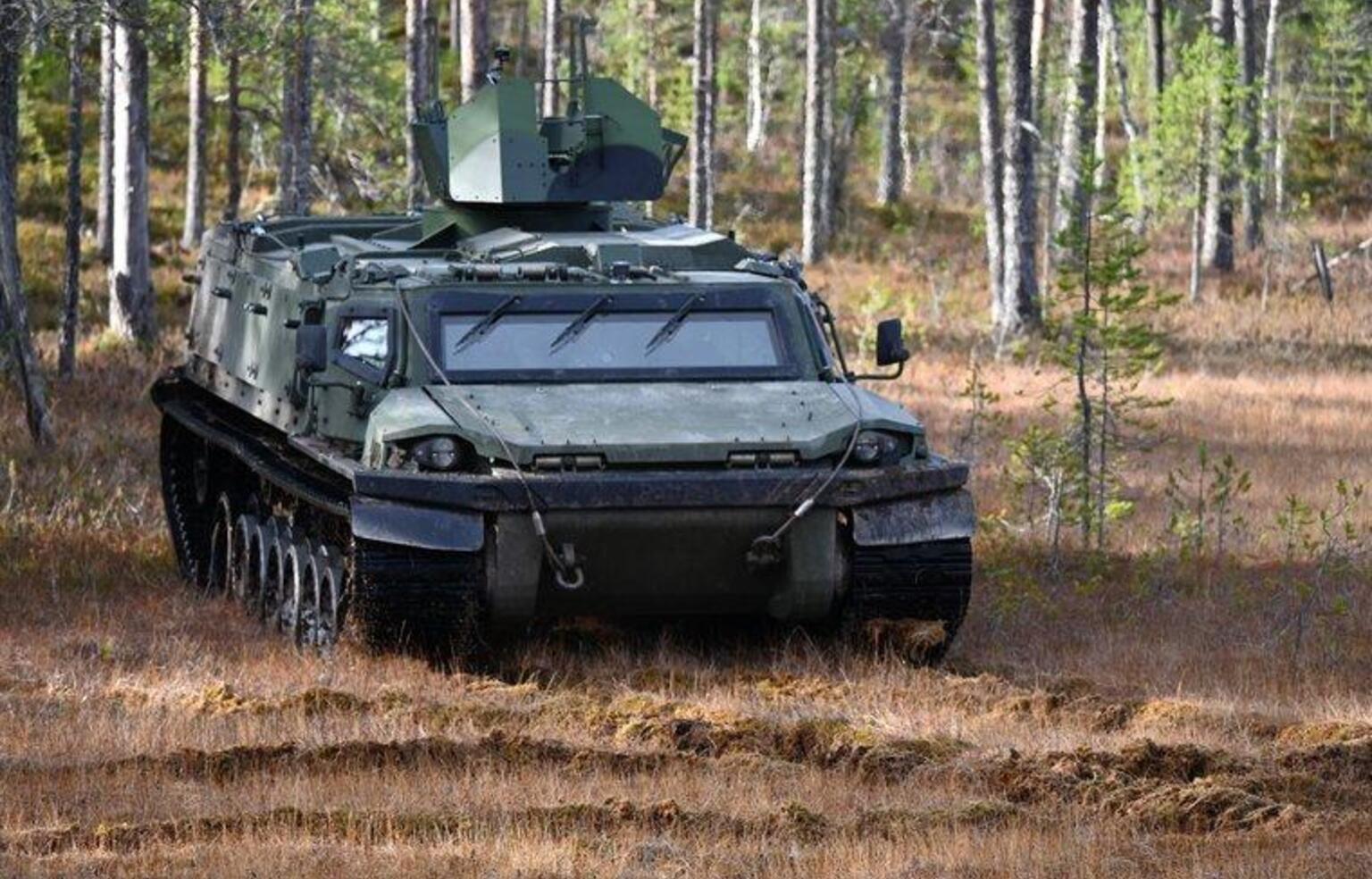
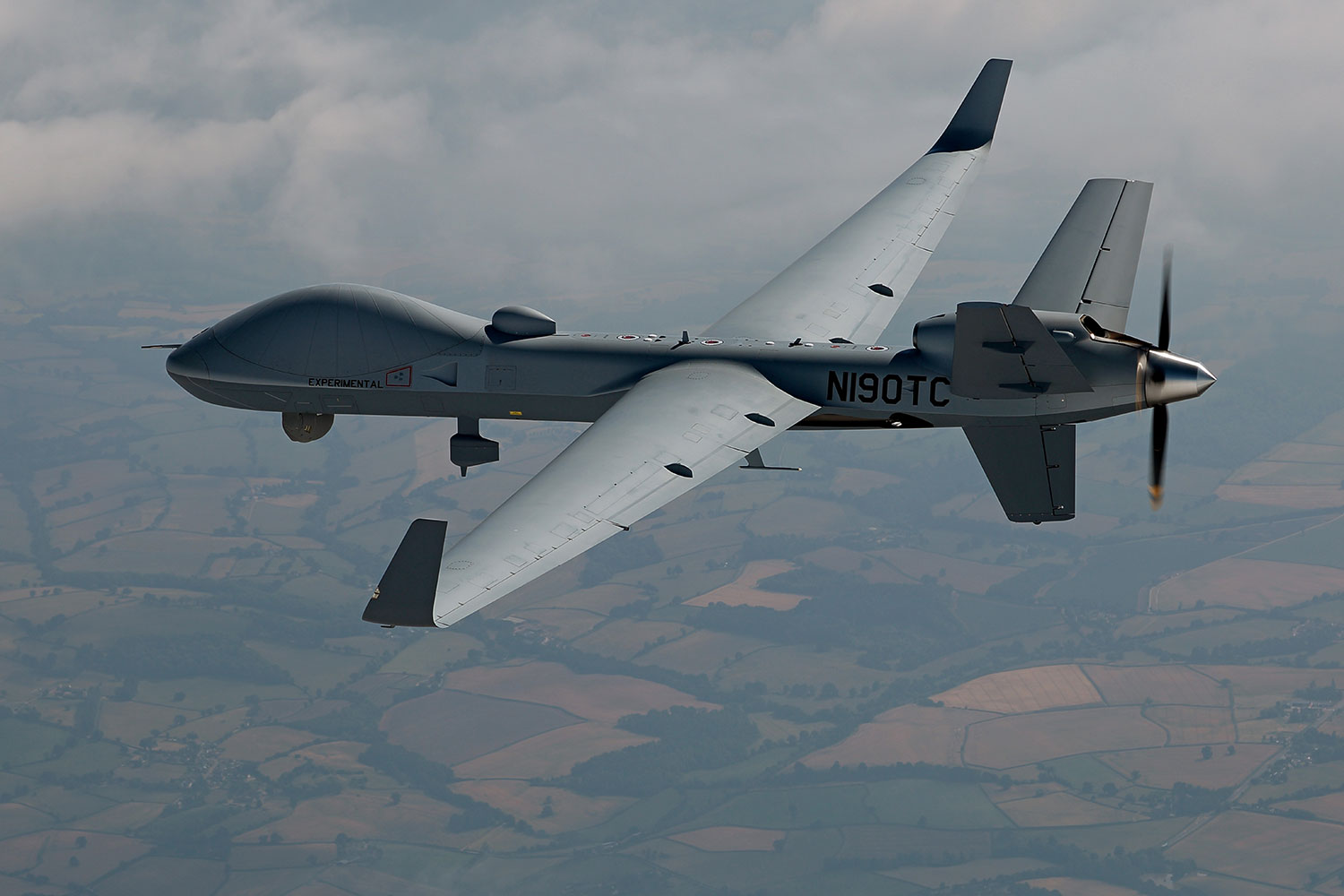
Firstly, one of the cheapest ways to combat drones, besides drone interceptors, is gun-based air defense systems. Currently, none of the Baltic states have any self-propelled anti-aircraft gun systems. War in Ukraine has shown that these systems, like German Gepard, once considered “Cold war relicts” are extremely effective, and more importantly, cheap way to counter drone swarms and even cruise missiles. Modern systems, like the German/Swiss Skyranger 30/35, with anti-drone ammunition and modern radars would be even better at anti-drone role. These systems are relatively cheap (compared to traditional, missile-based air defense systems), easier to maintain and more mobile. Even ad hoc solutions, like the Ukrainian style light vehicle or truck mounted heavy machine guns, especially with remote control can prove to be a viable stopgap solution as well. The US military has recently trained to use modified Humvee vehicles equipped with CROWS remote weapon systems and M2 Browning heavy machine guns in counter drone role. While Lithuania previously eyed SPAAGs like the previously mentioned Skyranger, the project did not get past evaluation phase. This leaves the Baltic nations without affordable, non-missile based very short-range air defense systems. At the time this article was written, there was no news about the procurement of SPAAGs, but hopefully it is only a matter of time. Another, bolder solution that could benefit the long-term security of the Baltics is the acquisition of turboprop aircraft. While acquiring a proper jet fighter fleet is likely unfeasible, at least in the near future, cheaper, easier to maintain turboprop aircraft fleet is not unaffordable. Once again, the war in Ukraine has shown that such aircraft could be used as interceptors for slow moving drones. While Ukraine uses old Yak-52 and An-28 planes repurposed for drone interception role, purpose-built turboprop fighters, such as Brazilian Embraer EMB 314 Super Tucano, or more NATO friendly American L3Harris OA-1K Skyraider II could prove to be an effective weapon against drones. They are cheaper to purchase, easier to maintain and fly than the traditional jet powered fighters, and could use guns to engage targets, with a possible future integration of Advanced Precision Kill Weapon System (APKWS) or drone interceptors under hardpoints. This would also be beneficial to the NATO‘s Baltic air policing mission, as frequent jet fighter sorties are expensive and put a strain on aircraft‘s airframes. It could also serve as training aircraft, if the Baltic States would eventually decide to build their own jet fighter fleets. Although at the moment, the Baltic States are seemingly uninterested in developing their air forces, as the primary funding goes into building their ground forces and air defense. But the Baltic States should strongly consider the fact that an effective fighter fleet is a crucial part of any air defense network.
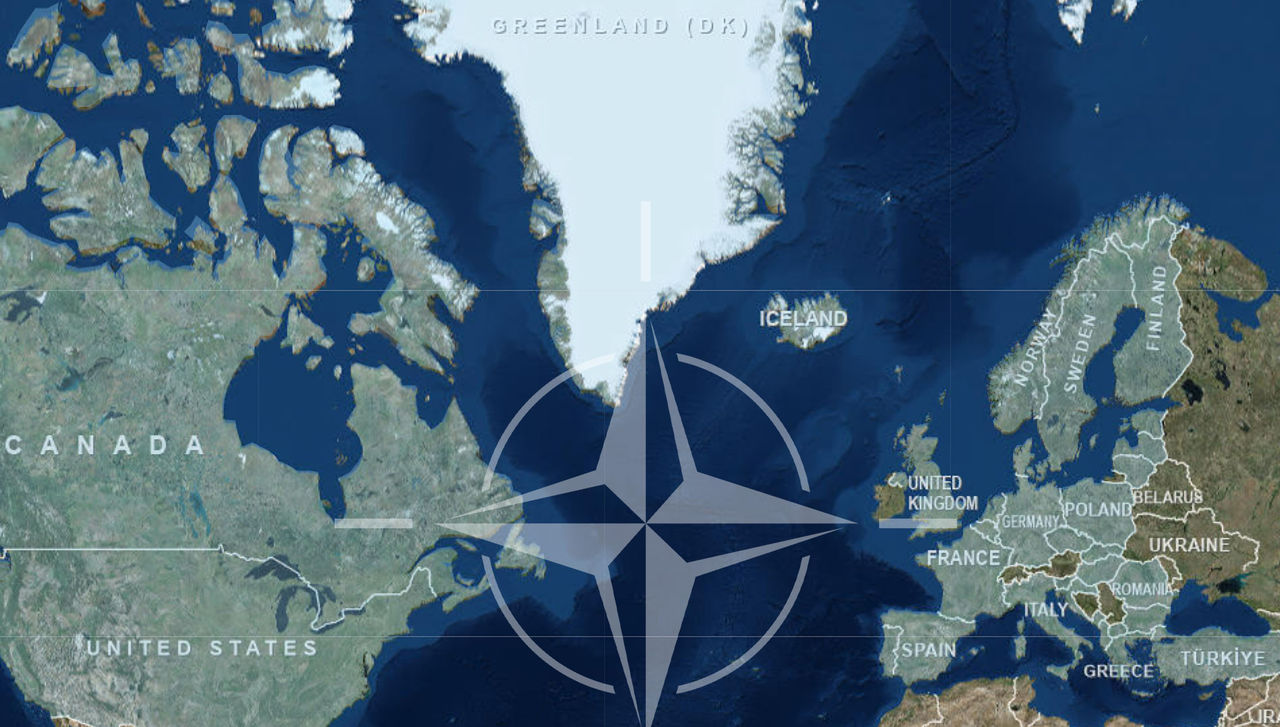
Alternatively, besides buying new weapon systems, the Baltic States could pressure their NATO allies to contribute more to Baltic air defense. Currently, besides the air policing mission, NATO provides ground-based air defense on a rotation basis. For example, in 2024, Netherlands brought their own MIM-104 Patriot battery to Lithuania, while Italy did the same with their SAMP-T systems in 2025. But once again, this model leaves several issues. For one, using expensive, sophisticated long-range missiles against cheap aerial threats is unsustainable in the long run, as it is simply too expensive, and could easily burn through missile stockpiles (what once again US war against Iran has shown). Secondly, with the tensions in the Middle East stil going, NATO has already somewhat strained their air defense capabilities, with deployment of MIM-104 Patriot batteries to Turkey, or French helicopters to the Persian Gulf. The Baltic States could, however, appeal to their northern neighbors. Lithuania has previously requested Sweden to join the rotational NATO air defense model, but so far there are no updates. In summary, the Baltics should strongly consider weapon systems alternative to traditional missile based air defense, while continuing to build their medium range air defenses, drone interceptor fleets and radar networks, while at the same time appealing to larger NATO countries to help them defend the Baltic airspace.
The drone incursions undoubtedly cause immediate threat to wellbeing of the Baltic citizens and requires an adequate revaluation of the air defense strategy, yet, given the Russian response, it creates an even more dangerous political precedent. Since the drones flying over Baltics are technically Ukrainian, Russia has blamed the Baltic States, specifically Latvia for allowing Ukrainians to strike Russian territory from their countries. While such statements are undoubtedly false, it escalates already tense situation. It also coincides with an aggressive disinformation campaign against the Baltic nations, and Russia’s plans to bring a case against the Baltics for “systematic violations of Russian rights” in the International Court of Justice (ICJ). Such actions primarily have three goals. The first, short term goal is to frighten Europeans into believing that further Ukrainian drone strikes will threaten the security situation in the region. It is no secret, that the Russian oil industry, the lifeblood of Putin‘s regime, suffered massive damage from Ukrainian long range drone strikes. Theoretically, Europe could pressure Ukraine into temporary halting its deep strikes in Russia or at least reduce them. This in turn would give Russian oil (and other, war essential) industry some temporary respite. This, nevertheless, is highly unlikely. Ukrainians understand that the only way to cripple Russia and turn the tide of war is to systematically destroy Russia’s main source of income. For less oil money means less troops, equipment on the battlefield, and even worse economic crisis in Russia, as well as increased social unrest. The second goal is to diminish support for Ukraine. Even though, as previously mentioned, Baltic intelligence services have stated that Russians use Ukrainian drones (primarily through GPS/electronic interference) to fly over Baltics, and it is not Ukraine’s fault, there are already some people blaming Ukraine. The gist of such complaints is essentially “we are helping Ukraine, why are they doing this to us”. While this sentiment primarily comes from people who are already against the aid to Ukraine, Ukrainian authorities would be wise to shut down such beliefs, by proving to the Europe that they are not willingly sending drones over friendly countries.
Otherwise, Russia will use it to furtherly discredit Ukraine, and sow division. Finally, the third goal is the most dangerous one. As previously mentioned, the drone incursions are coinciding with aggressive disinformation and propaganda campaign against the Baltics, and Russia’s slander campaign in ICJ. Judging from these actions, Russia is seemingly building up grounds for possible future action against the Baltic States, as they did for almost a decade prior to invading Ukraine. While it is unlikely that Russia would use “Russophobia” or “Ukrainian troops in Baltics” narrative as a sole casus belli for war against the NATO, the Russian government is trying to build an ideological basis for a justification of possible future conflict, firstly for their domestic audience. And although Russia currently does not have resources for a full-scale invasion (especially as it’s advance in Ukraine is grinding to a halt), Russia could explore alternative actions to test NATO’s resilience. Would a missile or a drone strike against “Ukrainians” in Latvia trigger the NATO article 5 (collective defense response)? Or a “stray” drone strike that kills civilians? Such scenarios, given the ever-deteriorating geopolitical situation, are not unbelievable. Especially because how desperate Russia is becoming due to increasing loses in Ukraine.
In summary, recent drone incursions, like the Lithuanian weather balloon cris, has revealed how poorly prepared European countries are to counter nontraditional aerial threats. From inadequate civil protection training to the lack of weaponry and radars, it was a rough awakening that reminded us that we live in a new, unsafe reality. This reality requires significant rethinking on how we can protect our skies in a manner that is sustainable and effective, even in a peacetime, and teach our populations to protect themselves. This must be done through international cooperation as well, especially with Ukraine, as no other country has more experience in dealing with drone and missile swarms. At the same time, Baltics must stay vigilant for any Russian attempt to test NATO resolve, through drone strikes, informational warfare, or even a direct conflict, for Russia is certainly preparing ideological grounds for it.






Visits by Senior Washington Officials to Moscow: The Factors Driving the Kremlin’s Rejection of the White House’s Proposals
In late August and early September 2026, three senior U.S. officials visited Moscow, marking a level of concentrated contact in U.S.-Russian relati...

Washington Backs Syria’s Emergence as an Independent Actor in the Islamic World and Its Reintegration into the Western Sphere
On August 24, 2026, the United States revoked Syria's designation as a state sponsor of terrorism, a status the country had carried since 1979. The...
