
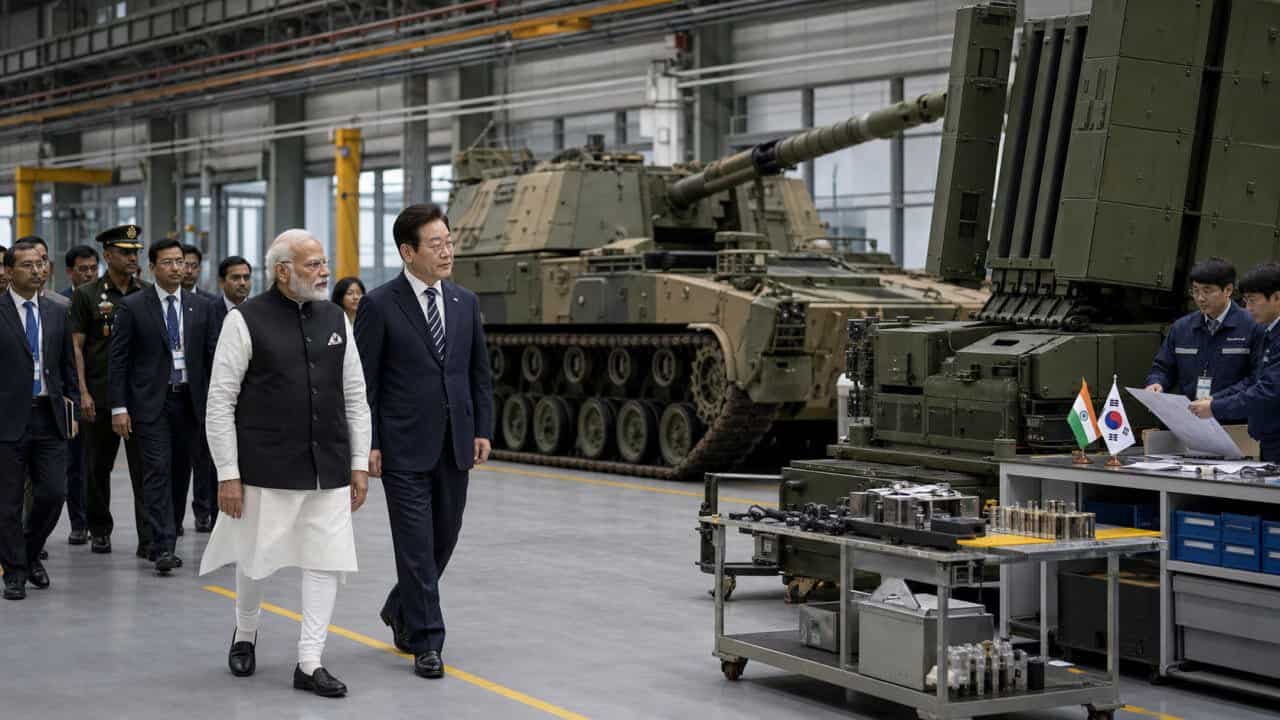
New India-South Korea Defense Partnership Facilitates the Displacement of Russian and Chinese Weapons from Global South Markets

Solid Info


From April 19 to 21, 2026, South Korean President Lee Jae-myung paid a state visit to New Delhi for talks with Indian Prime Minister Narendra Modi.
This marked the first visit by a South Korean leader to India since 2018, when President Moon Jae-in traveled to the country. Following the negotiations, the sides agreed to expand cooperation in economic, trade, investment, technological, and defense-industrial domains.
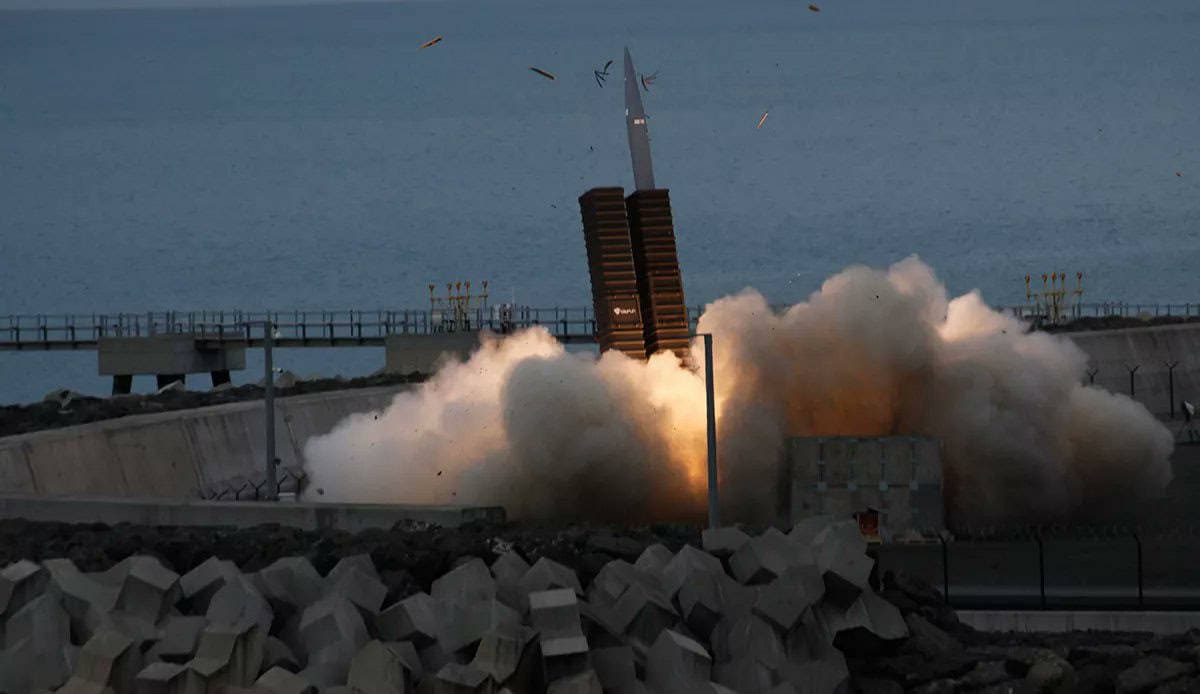
They also agreed to extend the joint production model used for K9 Vajra howitzers to the development of air defense systems.
In addition, the leaders announced the launch of the KIND-X (Korea-India Defence Accelerator) initiative, modeled on the India-U.S. INDUS-X platform. This framework brings together defense companies, research institutions, and startups from both countries.
President Lee was accompanied in New Delhi by representatives of 200 South Korean companies, including leadership from Samsung, Hyundai, LG, POSCO, HD Hyundai, and Hyosung.
These firms backed a bilateral initiative to increase trade turnover from $27 billion in 2025 to $50 billion within four years. They also committed to investing in India’s shipbuilding sector, a matter of strategic importance to the United States.
The deepening of strategic ties between New Delhi and Seoul in defense and security is bilateral in form but trilateral in substance: Seoul seeks export markets under pressure from U.S. tariffs; New Delhi seeks alternatives to the Russian defense-industrial complex; and the United States gains a democratic production hub through which it can displace Russian and Chinese systems from mid-tier markets in the Global South.
The planned May 2026 meeting between Donald Trump and Xi Jinping elevates the operational outcome of this partnership into a component of Washington’s negotiating position.
From South Korea’s perspective, the agreements reached in New Delhi are intended to strengthen national arms exports—one of the core revenue streams of the state budget and a tool for obtaining security guarantees—while also expanding preferential access to one of the world’s fastest-growing markets amid increasing U.S. tariff pressure.
For India, these agreements offer an opportunity to attract investment into key strategic sectors and diversify military supply chains.
They complement a broader set of defense agreements with democratic partners, including submarine construction with Germany, advanced aviation technology development with France, and the procurement of advanced radar systems from Japan.
The substance of these agreements aligns with the foreign policy objectives of the Trump administration. Beyond expanding the presence of U.S. technology firms in India—already displacing Chinese contractors in some segments—the deals will help reduce New Delhi’s dependence on the Russian defense industry.
As of 2026, Russia still accounts for roughly 40% of India’s total arms imports, with critical dependence in the air defense segment. Ongoing negotiations between India and Russia on expanding purchases of S-400 “Triumf” systems and acquiring “Pantsir” systems underscore the persistence of this dependency.
Localization of South Korean air defense systems by 2028 is expected to reduce Russia’s share of India’s arms imports to below 25%. This will expand interoperability between Indian and South Korean technologies, which are already compatible with systems used by the United States, Japan, and EU countries.
This creates opportunities to increase U.S. arms sales to India as a central element of the White House’s India strategy, while also establishing an additional defense-industrial hub to support the security needs of Eastern Europe and East Asia.
In Washington, closer India–South Korea security ties are also viewed as a significant deterrent factor against China. Locally produced K9 Vajra howitzers are already used by Indian forces to secure the Line of Actual Control—the disputed China-India border in mountainous terrain.
The potential deployment of South Korean air defense systems capable of targeting aircraft, missiles, and drones will further increase bilateral tensions between Seoul and Beijing.
This escalation aligns with U.S. strategic expectations for Seoul. The Trump administration is pressing President Lee to accept a new status quo in which United States Forces Korea (USFK) are reoriented from North Korea toward China, and to make the development of JAROKUS — a trilateral defense framework among Japan, South Korea, and the United States — into an irreversible anti-China coalition.
The military-technological advantage being built by New Delhi through South Korean localization has spillover effects for Pakistan, which is compelled to seek additional security guarantees. Washington can leverage this dynamic in transactional negotiations with Islamabad to limit Chinese and Iranian influence.
The resilience of India–South Korea cooperation is rooted in the nature of their relationship, making it a more reliable foundation for U.S. regional strategy than ideologically driven trilateral alliances.
Unlike India’s partnership with Japan, which is grounded in a substantial historical and ideological framework, relations between New Delhi and Seoul have traditionally been pragmatic and transactional.
From 1973 to 2022, both countries leveraged a form of geopolitical “neutrality” to expand bilateral exchanges without additional political constraints. South Korea, for instance, avoided joining India-linked security coalitions, foremost among them the QUAD.
This approach enabled South Korea to become one of the leading foreign investors in India’s technology sector. A notable example is Samsung Electronics, which built the world’s largest mobile device manufacturing plant in Noida.
Other examples include the expansion of Hyundai Motor Company and Kia Corporation—together capturing over 20% of India’s automotive market—as well as strategic investments by LG Corporation and POSCO in technological and metallurgical infrastructure.
The current phase of strategic cooperation was catalyzed by a 2017 agreement between South Korean defense firm Hanwha and Indian industrial giant Larsen & Toubro to localize production of K9 Thunder howitzers (exported as K9 Vajra-T). A key condition of the contract required 50% Indian participation in production.
Although initially driven by Seoul’s ambition to secure a position in the global arms market and India’s need to modernize a military reliant on outdated Soviet and Russian systems, the agreement triggered structural shifts in bilateral relations.
India has since placed orders for a third batch of K9 Vajra-T systems, based on their successful deployment in high-altitude conditions during border tensions with China and the proven effectiveness of related platforms such as Poland’s AHS Krab.
New Delhi has also returned to the project of adapting the South Korean K30 Biho self-propelled anti-aircraft system.
Negotiations had been underway until 2020 but were canceled under Russian pressure, as the Modi government prioritized domestic production ambitions.
Border clashes with Pakistan in 2025 and the emergence of new aerial threats—UAVs and guided missiles—have prompted India to revisit the South Korean option, building on the established partnership between Hanwha Aerospace and Larsen & Toubro.
A scenario is under consideration that would achieve 80% localization of Biho production. This approach would provide India with rapid access to modern air defense technologies while stimulating domestic industry. The use of shared industrial infrastructure for both K30 Biho and K9 Vajra production further enhances supply chain efficiency.
The current agreements between Modi and Lee are aimed at deep integration of the defense-industrial complexes of India and South Korea, with K9 Vajra-T and K30 Biho serving as successful precedents rather than end goals.
India seeks to leverage South Korean technological capabilities to address a critical vulnerability in its air defense system—the obsolescence of Soviet-Russian platforms, which are ineffective against UAVs and complex modern aerial threats.
Localization of advanced South Korean weapons integrates Indian industrial capacity into global supply chains and positions India as a strategic hub for joint production and defense technology transfer between the United States and Indo-Pacific democracies.
This approach was politically reinforced by the official visit of Indian Army Chief General Upendra Dwivedi to Washington, conducted in parallel with Lee Jae-myung’s visit to New Delhi.
His talks with Pentagon leadership focused on enhancing operational interoperability among the United States, India, and South Korea, and integrating their defense-industrial bases into a unified regional security architecture.
Alongside South Korean localization, Modi’s government is pursuing a large-scale expansion into the global UAV market.
Until recently, drones accounted for less than 5% of India’s defense export revenues. However, extensive UAV use in clashes with Pakistan and lessons drawn from conflicts in Ukraine, Myanmar, and the Middle East have shifted this trajectory.
Since 2025, companies such as Solar Industries, NewSpace Research and Technologies, and Zen Technologies have scaled up production of low-cost UAV systems, ranging from training platforms and support equipment to long-range drones, surveillance systems, and interceptors.
The primary customers are countries in Southeast Asia and Africa. According to Indian Drone Federation President Smit Shah, revenues from military contracts in this sector are expected to increase four- to fivefold by 2028.
India’s strategic objective is not to compete with the United States or Israel in high-end systems, but to displace Turkey and China in the mass market. New Delhi aims to establish itself as a leading supplier of mid-range tactical UAVs in a price category comparable to Iran’s Shahed series.
India’s drone expansion aligns with the interests of Indo-Pacific democracies seeking alternatives to Chinese and Turkish platforms in the mid-tier segment.
South Korea, Japan, and Taiwan are interested in fostering alternative production of affordable drones to counter Chinese and Russian technologies, making India’s industrial capacity strategically critical.
These countries plan to leverage India’s microelectronics infrastructure to create a hub for large-scale, rapid UAV assembly, integrated into a diversification network alongside Vietnam, Malaysia, and Indonesia.
India’s ability to incorporate advanced combat and engineering experience from Ukraine adds further value to this technological alignment, creating a foundation for expanded UAV cooperation between New Delhi and Seoul.
The India–South Korea partnership is forming a democratic production hub that replaces Russian and Chinese systems in the mid-tier market.
Immediate operational outcomes include reducing Russia’s share of India’s arms imports below 25% by 2028, localizing South Korean air defense systems with up to 80% Indian content, and launching mass UAV production capable of displacing Turkish and Iranian platforms in African and Southeast Asian markets.
The sustainability of this trajectory does not depend on short-term fluctuations in U.S.-India relations. India’s democratic nature inevitably draws the country toward closer alignment with the liberal democratic world.
Despite periodic tensions between New Delhi and Washington—including the Trump administration’s failure to give Prime Minister Modi due attention at the June 2025 NATO summit—India continues to systematically replace Russian defense ties with partnerships involving democratic states such as South Korea, France, Germany, and Japan.
For Washington, this creates leverage ahead of the May 2026 Trump–Xi meeting: India is no longer a neutral buyer of Russian arms but is emerging as a production node within a broader network through which the United States exerts pressure on markets previously dominated by Moscow and Beijing.
This publication is the result of a partnership between MILITARNYI and SOLID INFO. An extended version is available on the website of the analytical center.
Xi Jinping’s Washington Visit Outlines the Timeframe for the Active Phase of the Confrontation: Beijing Openly Demands Taiwan’s Return
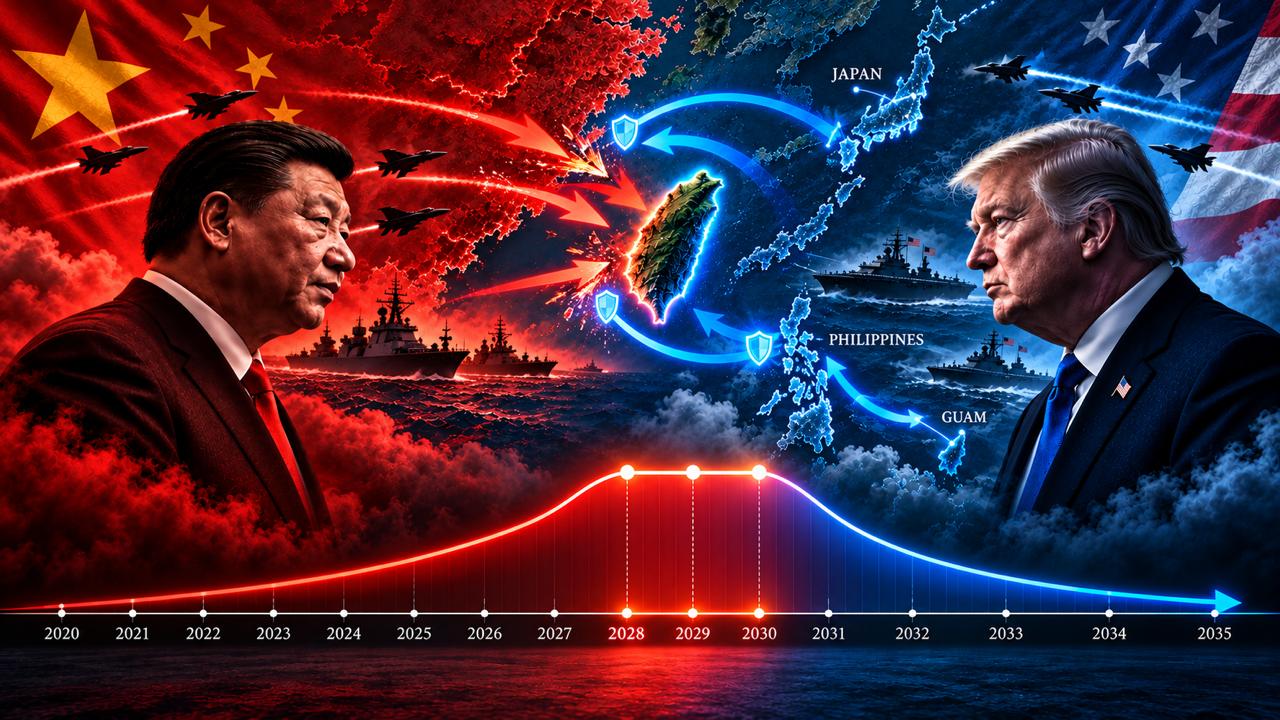
On September 23–25, 2026, Chinese President Xi Jinping held talks with President Trump at the White House during the first Chinese state visit to t...
A Sharp Shift in the Dynamics of Global Confrontation Forces Washington to Rethink How It Builds Its Key Partnerships
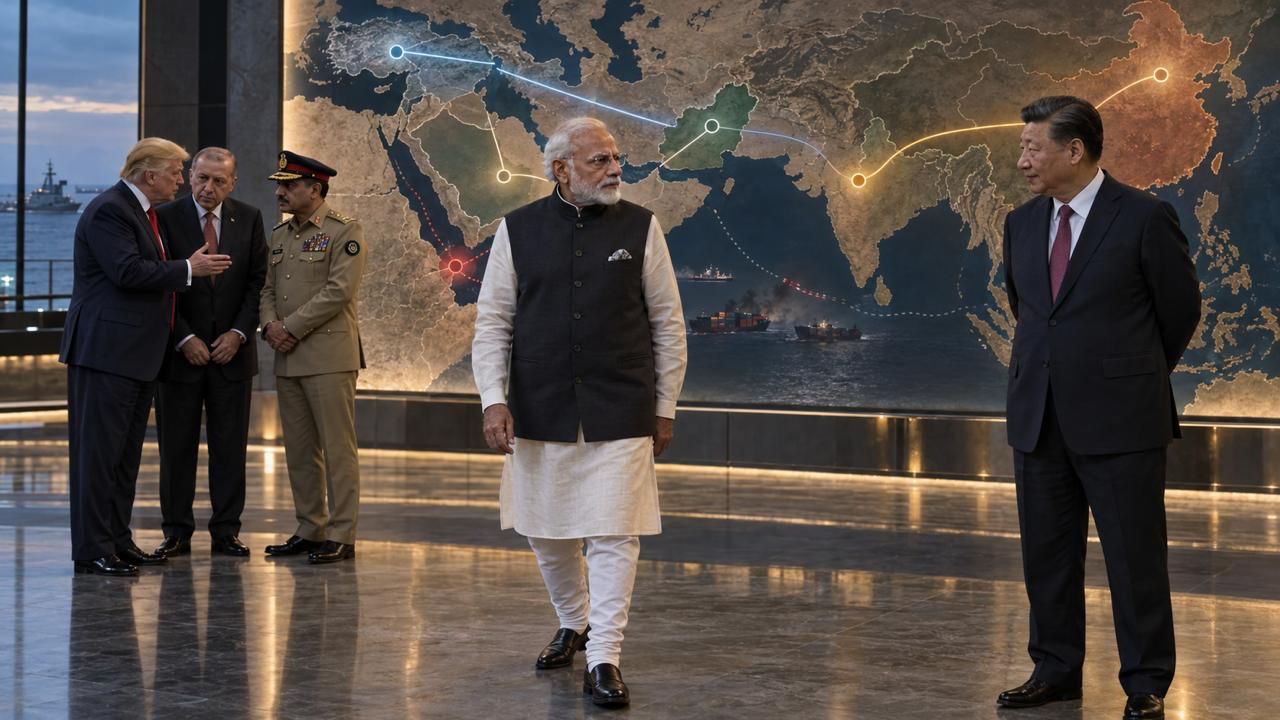
On September 12–13, 2026, the 18th BRICS Summit was held in New Delhi. Xi Jinping traveled to India to lead the Chinese delegation, marking his fir...

Netanyahu’s Visit to Abu Dhabi: Israel Builds Partnerships from a Position of Strength, but the Middle East Conflict Is Eroding the Edge of Its Weapons
On September 27, 2026, Israeli Prime Minister Benjamin Netanyahu traveled to Abu Dhabi with the head of Mossad and the head of the National Securit...
