
Swedish Trident in Ukraine: RBS15 Anti-Ship Missile

Roman Pryhodko



The modern maritime security architecture in the Baltic Sea region and beyond is closely tied to the development of precision-guided missile systems. These weapons enable effective deterrence in environments with difficult geography and heavy electronic warfare. Sweden is one of the countries that has built a strong defensive shield for the Baltic and control over key sea routes, largely thanks to its RBS15 anti-ship missiles.
History of development
RBS15 Mk1
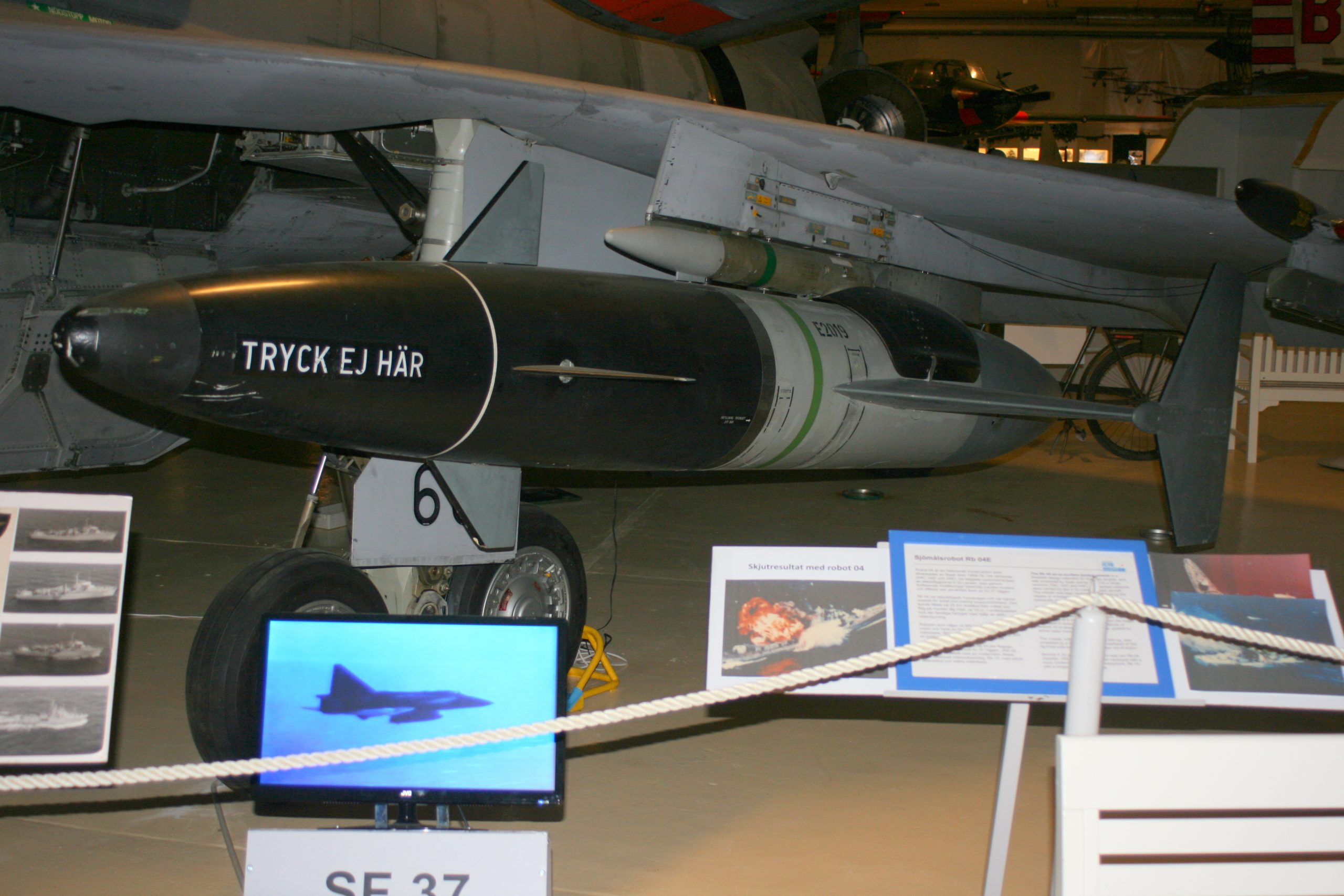
In the late 1970s, the RB 04E missile was the main anti-ship weapon of the Swedish Air Force. In 1978, Saab launched a new project called RB 04 Turbo.
The idea was to build on the proven RB 04 design. Engineers planned to keep the front section (including the warhead) but to significantly redesign the rear section. They added a new wing and replaced the rocket engine with a turbojet. This change allowed the missile to be launched not only from aircraft, but also from ground and naval platforms using booster rockets.
The Swedish Defence Materiel Administration (FMV) was initially skeptical of the domestic development. The agency rejected Saab’s proposal, considering it technically inferior to the American Harpoon missile, which at the time had already become the standard for many NATO countries. For a long time, the Swedish Navy command actively lobbied for the purchase of the American system.
Hans Alinder, Saab’s project manager, turned the situation around. Under his leadership, specialists completely reworked the proposal: engineers improved the missile’s performance to surpass the Harpoon in both range and resistance to electronic countermeasures. To emphasize that this was a fundamentally new weapon rather than just a modification, the name was changed to RBS15. In July 1979, at the last moment, the Swedish government decided against purchasing the Harpoon and signed a contract with Saab to develop a national system.
Thanks to a very fast development process, testing started as early as 1983 on the missile boat HSwMS Piteå. By June 1984, the navy had received the first units, and in 1985, the system officially entered service under the designation Rb 15.
One notable but unrealized idea was a submarine-launched version. The plan was to equip Västergötland-class submarines with four vertical launch tubes for the RBS15 in an extended hull. However, the project was canceled due to budget constraints and because it did not align with Sweden’s naval doctrine at the time.
RBS15F
Although the Navy received the first missiles in 1985, the system truly became multi-domain in 1989. That was when the Swedish Air Force introduced the air-launched version, the RBS15F. The order for this version had been placed earlier, in June 1982, and its testing was carried out in parallel with the ship-based version.
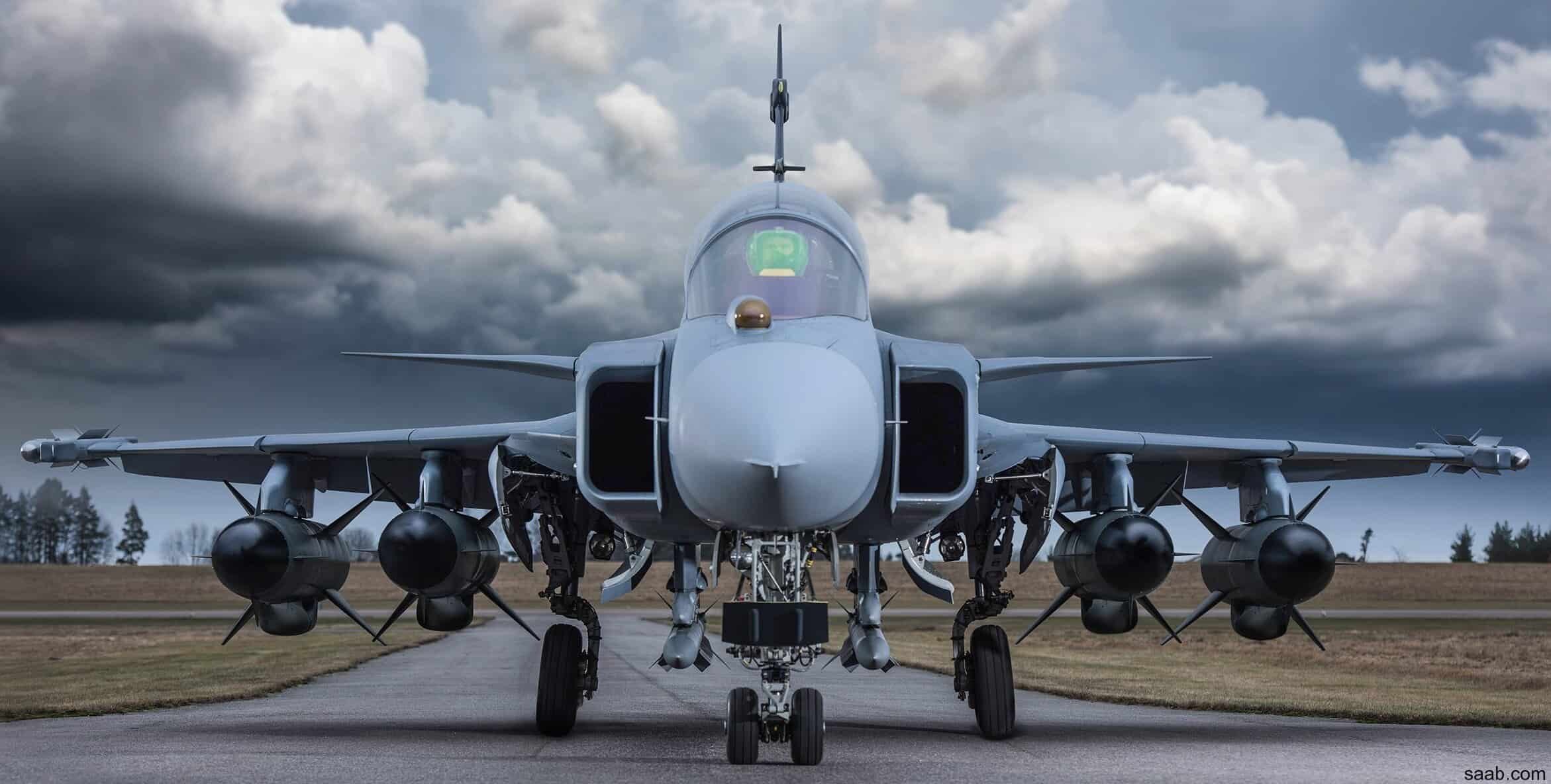
Engineers adapted the RBS15F for launch from AJS 37 Viggen fighter-bombers. The key design change was the removal of booster rockets: the high speed of the carrier aircraft provided sufficient airflow to start the turbojet engine immediately after release. This made it possible to reduce the missile’s weight to 600 kg, significantly easing its integration onto aircraft platforms.

Strategically, the introduction of the RBS15F marked the creation of an “outer layer” of defense. Swedish aviation could now strike enemy ships at long ranges, operating outside the air defense envelope of hostile naval formations.
This made it possible to neutralize threats at a distance – well before an enemy could approach Sweden’s coastline.
RBS15KA
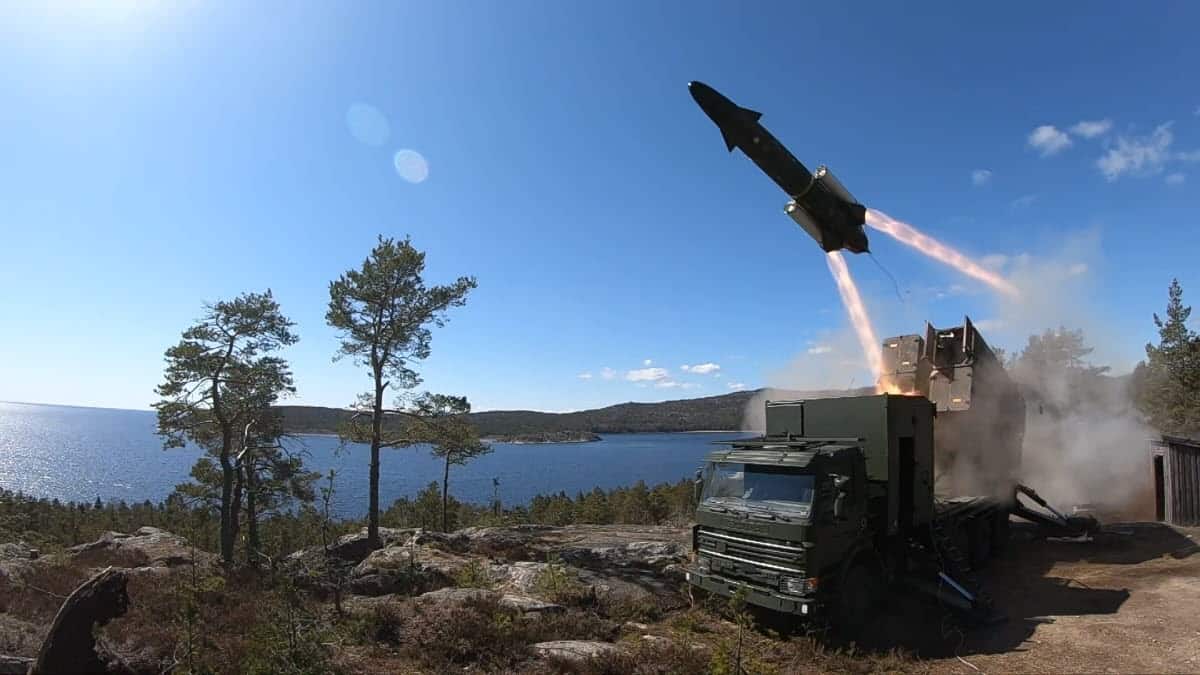
The RBS15K represents the adaptation of the missile system from naval platforms to wheeled, ground-based launchers. As early as the 1970s, a concept known as SKA was considered, where the letter “K” denoted a coastal (land-based) variant. By 1974, a mock-up missile had already been launched from a transport-launch container mounted on a truck.
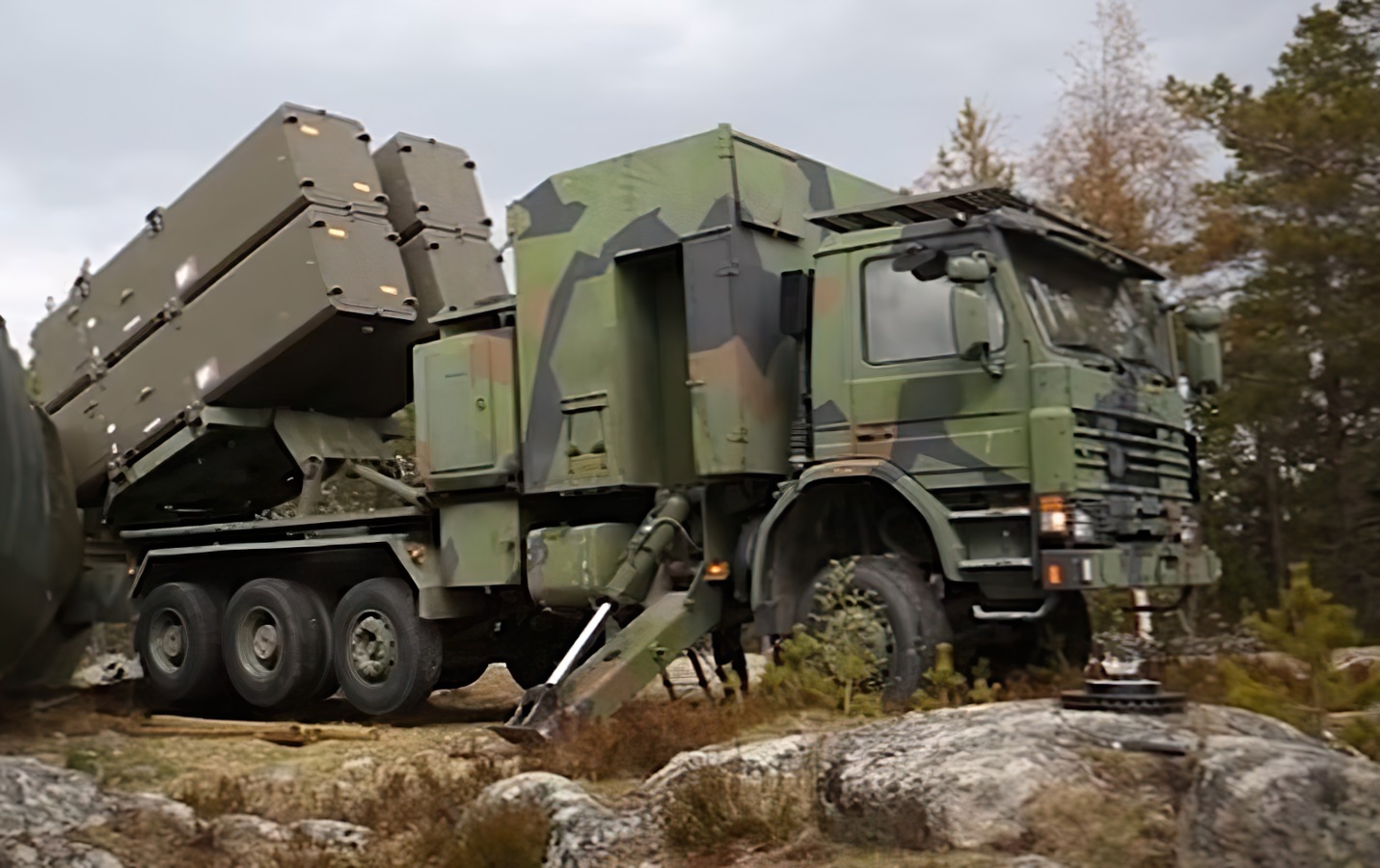
Each launcher vehicle was designed to carry four missiles in transport containers. At the same time, the command and control functions, as well as the system’s electronics, were housed in a separate command module mounted on a different vehicle. Thus, even the basic configuration of two vehicles, a command post and a launcher, connected by a cable, formed a minimal coastal missile battery.
A single command vehicle could control from one to three launcher units. However, in this configuration, the unit had no organic target detection or tracking systems. Target designation had to be provided either by the unit’s own reconnaissance assets or by external sources, in the form of target coordinates or at least bearing information.
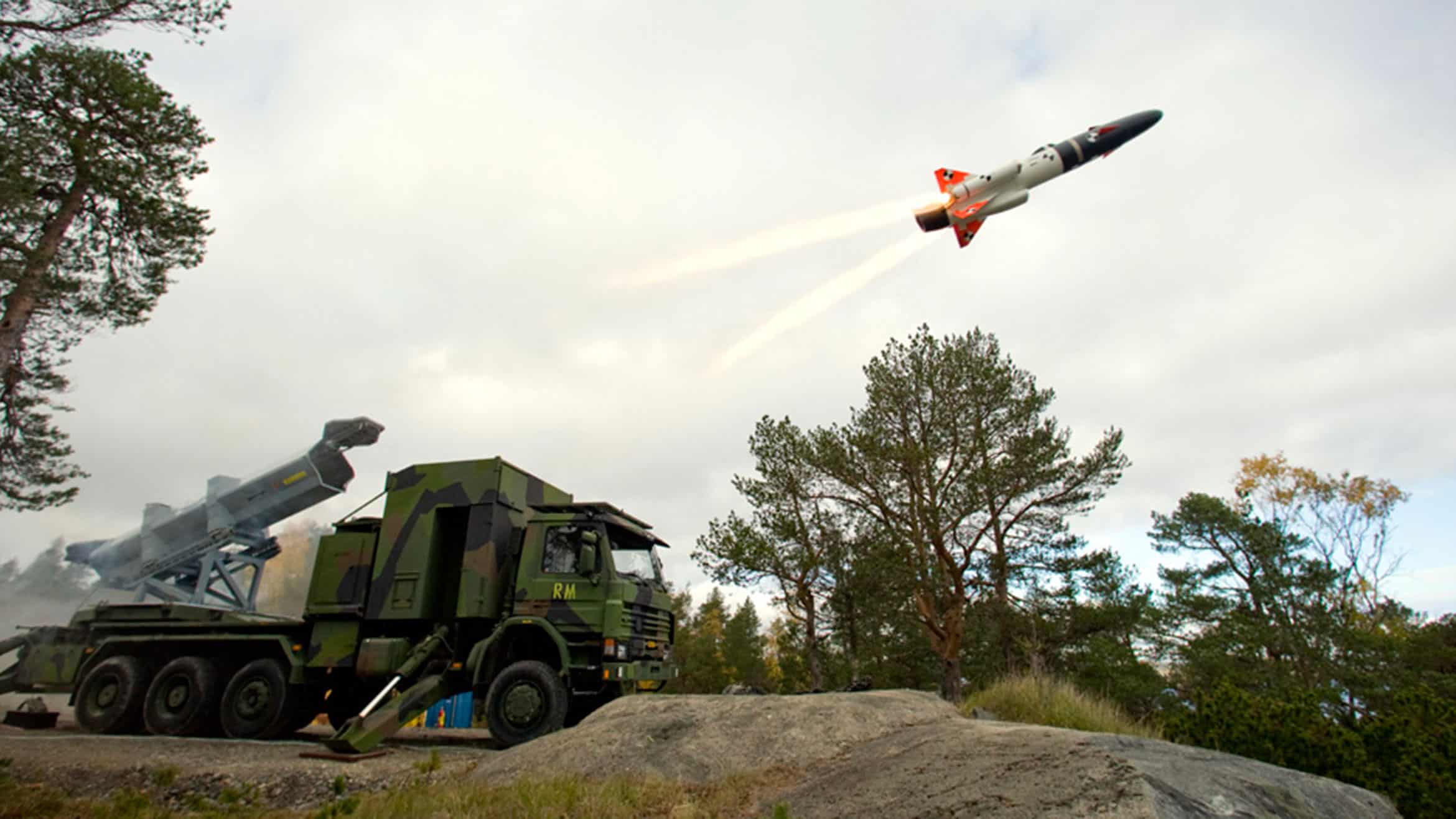
In a simplified configuration, a single launcher could operate independently and fire missiles without being connected to a command vehicle. In 1988, Saab Bofors Dynamics delivered a prototype of such a unit. By 1989, discussions were still ongoing about the final design of the coastal missile system and its funding within the Swedish Navy budget. The system was later adopted into service and is still used by the Swedish Navy today.
RBS15 Mk2
Despite the system’s rapid adoption and growing importance in Sweden’s armed forces, Saab signed a contract in 1994 to develop the next-generation RBS15 Mk2. This upgrade was not aimed at significantly increasing range (which remained at 70+ km), but rather at improving guidance and missile survivability.
As part of its modernization, the missile received a more powerful onboard computer, enabling advanced filtering of sea clutter. This greatly improved target discrimination, allowing the system to better distinguish real targets from decoys such as chaff and other false signals.
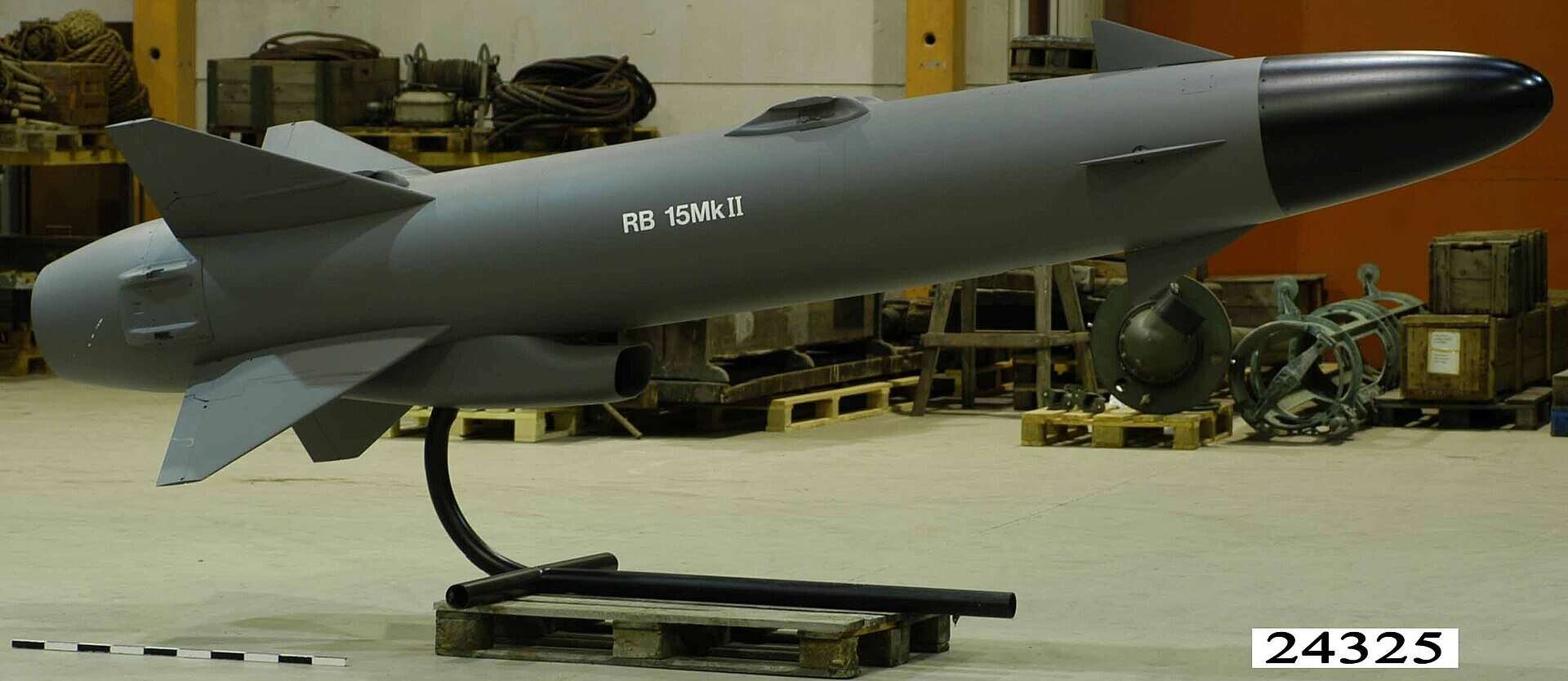
To improve stealth characteristics, engineers increased the use of radar-absorbent materials, significantly reducing the missile’s radar cross-section. They also upgraded the engine shielding to reduce its thermal (infrared) signature.
A key improvement was new software that greatly increased flight-path flexibility. Operators could program complex 3D routes with multiple waypoints, allowing the missile to fly around islands and terrain features and strike enemy ships from unexpected directions.
RBS15 Mk3
The next step was a more ambitious upgrade—the Mk3 version. The RBS15 Mk3 was developed as a major modernization of the Mk2, with the main goals of increasing range, improving accuracy, and adding the ability to strike land targets.
Sweden and Germany jointly developed this version. The main companies involved were Saab Bofors Dynamics and Diehl BGT Defence. The cooperation not only improved the missile’s capabilities but also provided the German Navy with a modern anti-ship weapon system.
In September 2005, Sweden and Germany signed a contract to develop and procure the missile. It was intended for the new German Braunschweig-class corvettes. Testing of the upgraded missile was successfully carried out in October 2008 at a Swedish Ministry of Defence test range. In December 2008, the first unit was assembled in Germany.
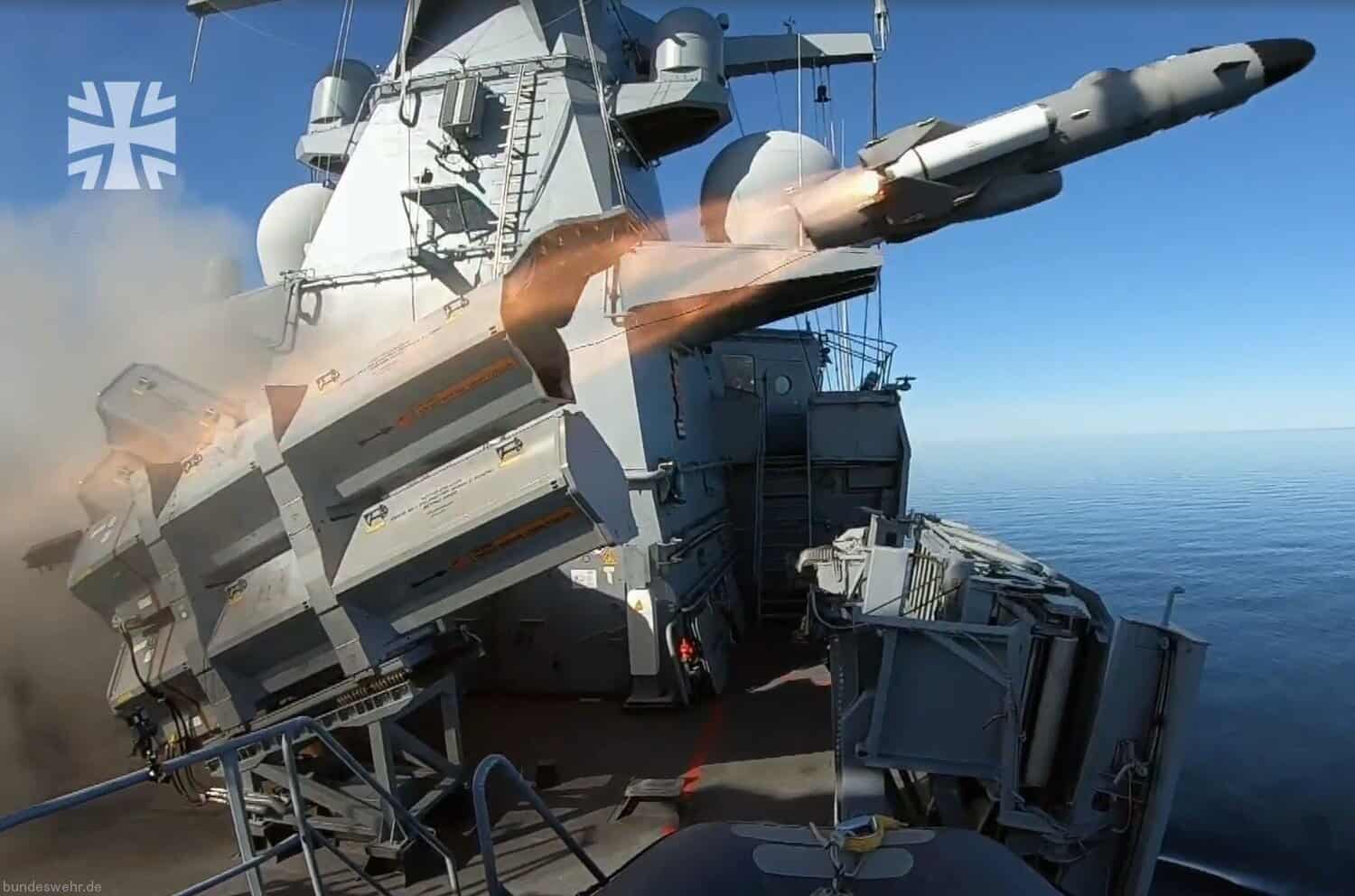
Deliveries of the missiles began later, in 2011. Initial operational capability in the German Navy was achieved only after full system integration on the corvettes. In Sweden’s case, the Ministry of Defense and Saab signed a contract for the domestic armed forces in November 2007. The agreement included equipping the Visby-class corvettes with the missile system.
Gradual design improvements increased the missile’s launch weight to approximately 800 kg and significantly extended its range to up to 200 km.
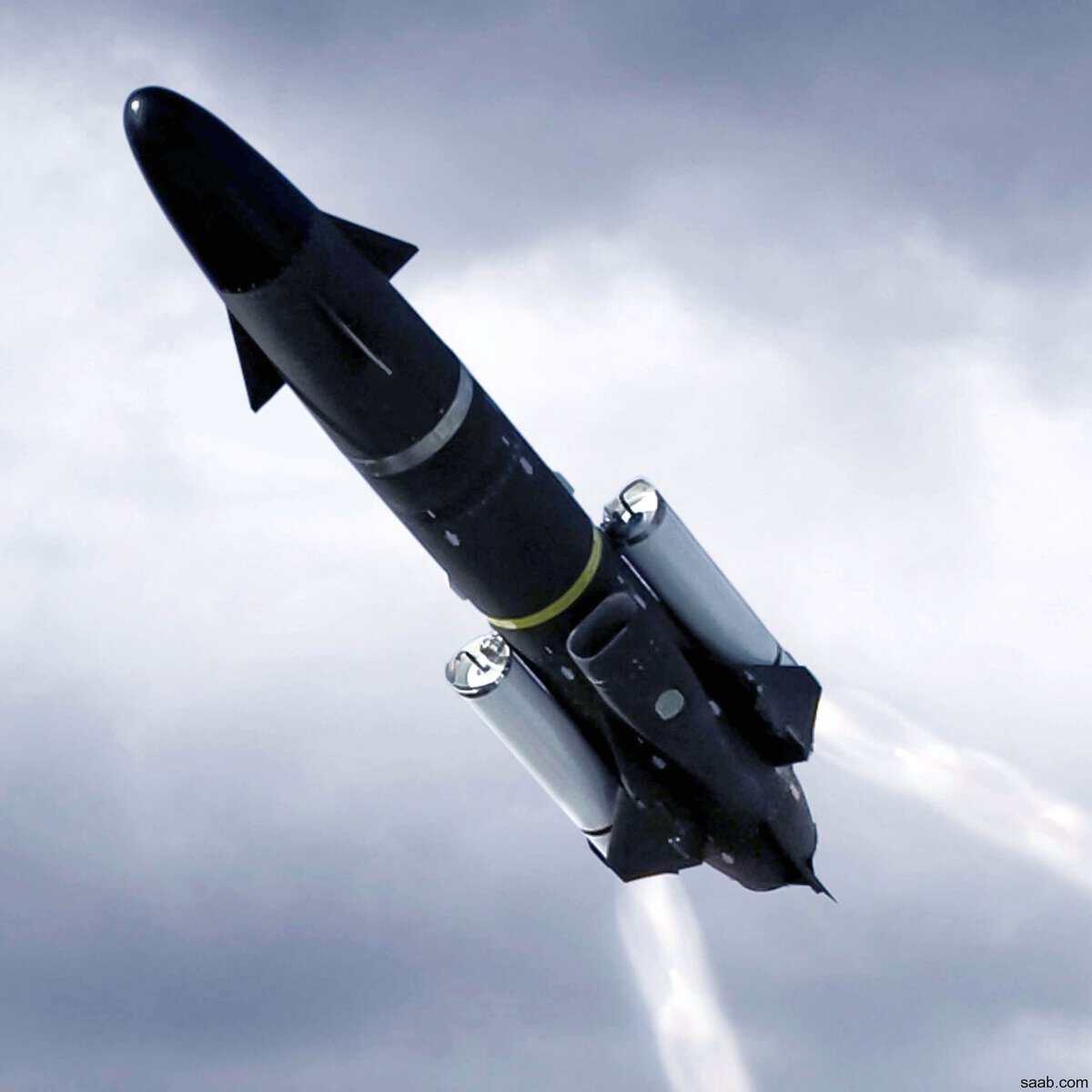
The missile’s onboard electronics were significantly upgraded. It uses a modern inertial navigation system with GPS correction, a new-generation radar altimeter, and a Ku-band active radar seeker. According to the manufacturer, it operates on a “fire-and-forget” principle and can automatically detect and classify targets.
Compared to the Mk2, this version is much more resistant to electronic warfare. It can better ignore decoys and radar jamming. Another important feature is the coordinated group-attack capability: multiple missiles can be programmed to work together to strike a single target from different directions. In a salvo launch, this greatly increases the chance of penetrating enemy ship defenses.
The missile’s range was increased by a new turbojet engine of French design, the Microturbo TRI 60-5 (Safran). The German side also played an important role in improving the warhead.
In particular, the company TDW developed a new semi-armor-piercing high-explosive fragmentation warhead, increasing effectiveness against naval targets. The engine, featuring a multi-stage axial compressor, provides thrust of 3.5–4.4 kN. This ensures stable performance across all phases of flight, from cruise to low-altitude maneuvering.
RBS 15 Mk4
A major breakthrough for the family was the RBS15 Mk4 upgrade (also known as Gungnir). This is not just an incremental improvement, but a transition to a fundamentally new technological level. Although Saab has released limited details, the missile is reported to have a maximum range of over 300 km.
The new version will feature an active radar seeker in the J-band, an improved inertial navigation system with high resistance to electronic warfare, GPS correction, and a new onboard computer. The latter enables more complex flight profiles and real-time adaptive trajectory planning.
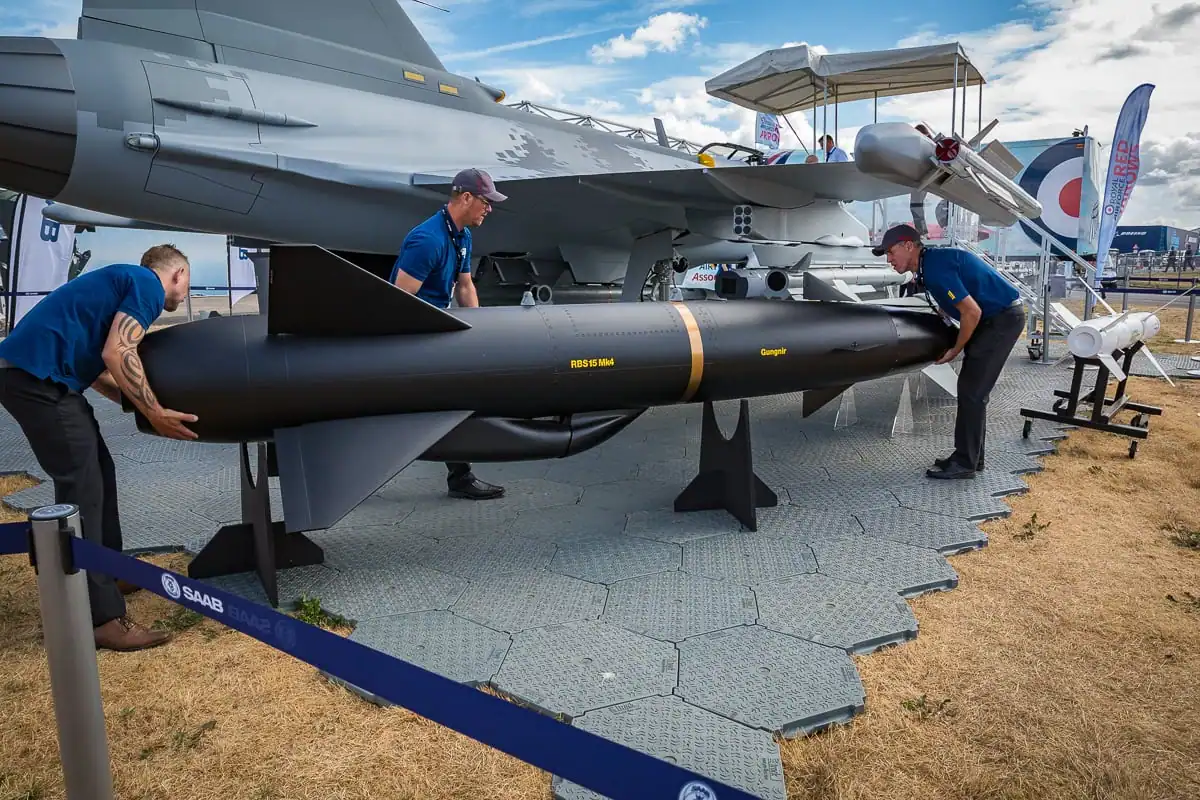
The Swedish Ministry of Defence officially ordered development of this version in March 2017. The program runs from 2017 to 2026, with initial operational capability planned for the middle of the decade. Although the project remains partly classified and depends on testing progress, Saab is working to accelerate development due to steady international demand. Today, around ten countries operate missiles from the RBS15 family.
The aim is to make the RBS15 Mk4 a fully multi-platform system. It will be used from coastal missile batteries, aircraft such as the Saab JAS 39 Gripen E, and naval ships ranging from Visby-class corvettes to future Swedish Navy platforms.
General design
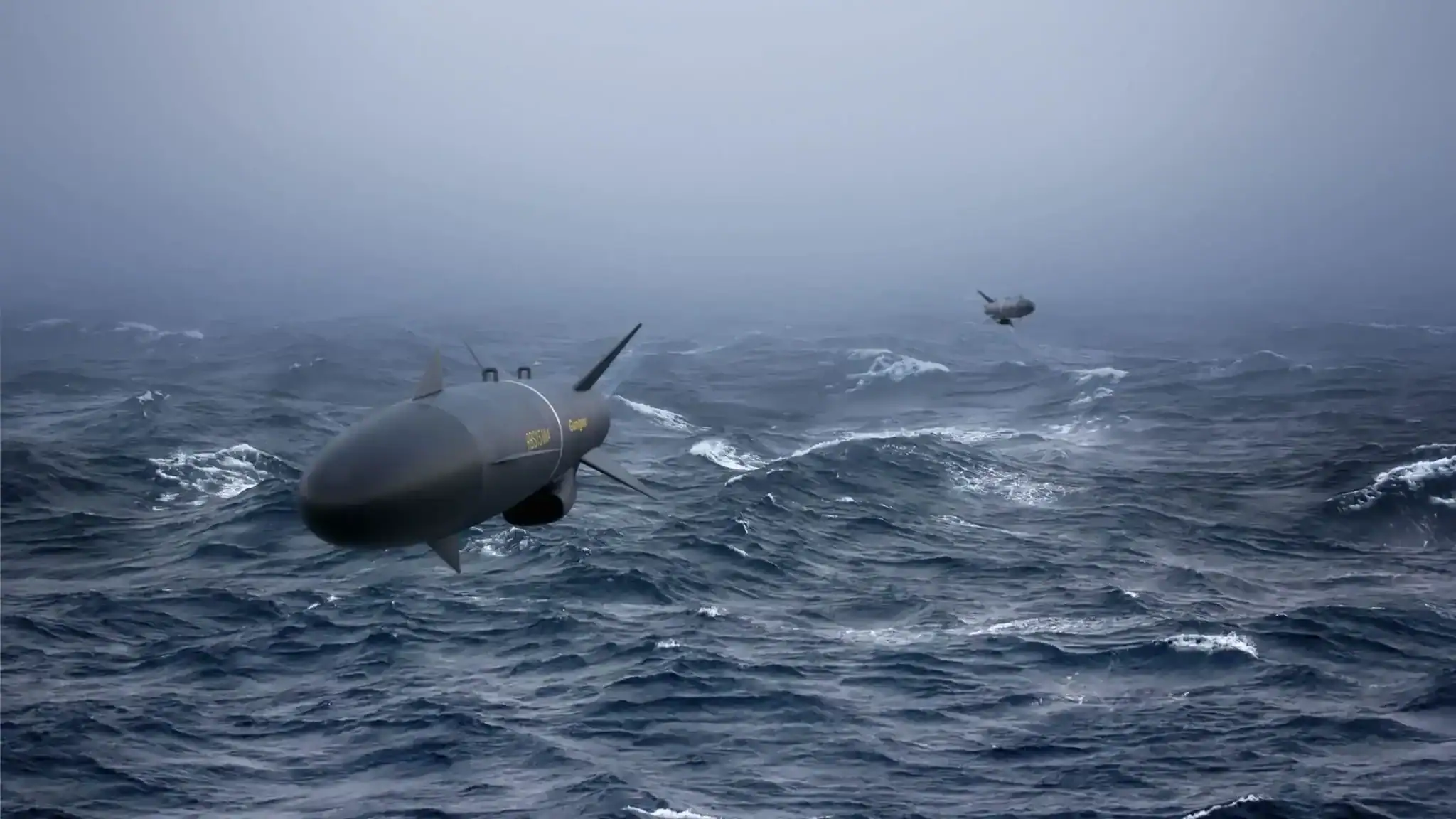
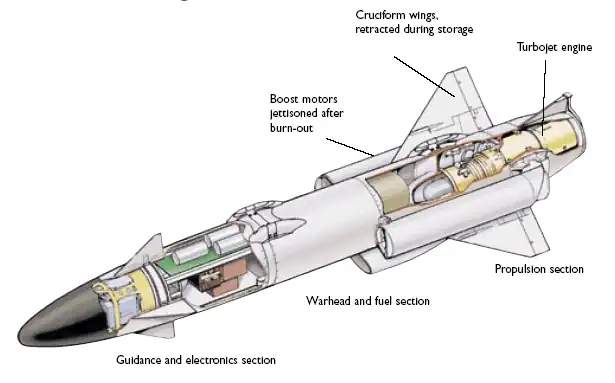
The RBS15 is a guided anti-ship missile with an active radar seeker, a turbojet engine, and a semi-armor-piercing high-explosive warhead.
For ship and ground launches, it uses two solid-fuel booster rockets attached to the sides of the missile. The body has a streamlined nose and a tapered rear section.
The missile uses four forward canard control fins just behind the nose, arranged in vertical and horizontal pairs.
At the rear, it has four delta-shaped wings with control surfaces. The front canards control direction (pitch and yaw), while the rear wings provide stability and additional control during flight.
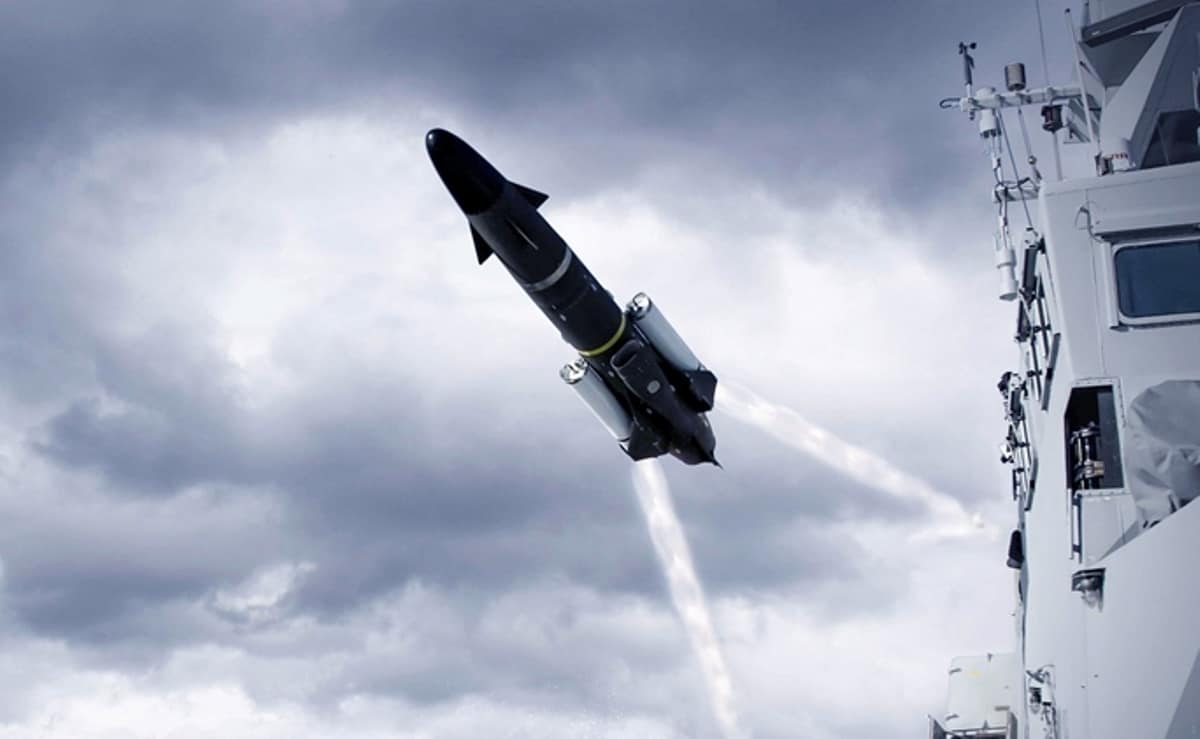
The missile is structurally divided into four main sections. In the nose section is the seeker head. Behind it is the control compartment, which houses the control-surface actuators, power-supply systems, autopilot, radar altimeter, and onboard computer. In the central section are the warhead, the fuze, and the safety-and-arming mechanism. Behind this is the fuel tank and the turbojet engine, located in the tail section, around which the wings are mounted.
The engine air intake is located on the underside of the fuselage, with its inlet positioned forward of the wing leading edge.
General missile characteristics: length about 4.35 m, body diameter 0.5 m, wingspan approximately 1.4 m, and a launch weight of roughly 600 kg (for early versions). The warhead weighs about 200 kg and is a semi-armor-piercing high-explosive type, equipped with a delayed-action fuze that triggers detonation after penetrating the ship’s hull to maximize damage.
The missile can reach a cruise speed of about Mach 0.9 within a few seconds of launch (typically around 5 seconds). Acceleration time depends on the launch platform – ship, ground, or air – since the launch sequence and propulsion behavior differ.
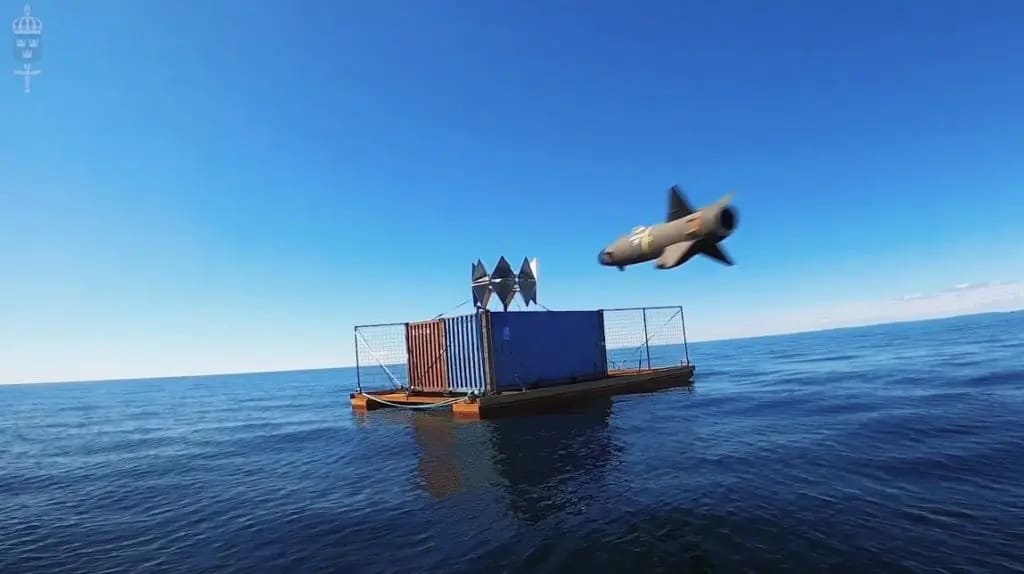
The attack direction and target range determine the missile’s flight profile. In the initial phase, it flies at a relatively high altitude, after which it descends to a sea-skimming mode to remain below the radar horizon of enemy radar stations and reduce the probability of detection.
An active radar seeker performs target search via horizontal scanning. Signal processing includes filtering and selecting reflected signals across multiple range bands, which allows the missile to reject interference and decoy targets. After locking onto the target, the missile transitions to minimum-altitude flight and carries out the attack toward an optimal impact point (usually near the waterline to maximize damage to the ship).
The maximum range of early versions of the missile is over 70 km. However, some sources cite figures in the 90–100 km range, particularly for the air-launched RBS15F version, which benefits from improved energy performance due to its aircraft launch.
Export
Ukraine
The appearance of RBS15 anti-ship missiles in Ukraine was relatively unexpected and received limited publicity. In particular, in a video released by the Naval Forces of the Armed Forces of Ukraine on April 6, 2026, a missile system visually similar to the Swedish coastal system, equipped with RBS15 missiles, was observed.

An identification analysis conducted by the Vodohrai Telegram channel suggests the possible presence of this system in Ukrainian forces. Among the launcher’s distinctive features, the authors note the cab design, the layout of the equipment compartment, and the shape of the transport-launch containers, which they argue correspond to the RBS15 system. An additional argument supporting this assessment is the presence of two solid-fuel booster rockets mounted on the sides of the missile, which is a characteristic feature of this system.
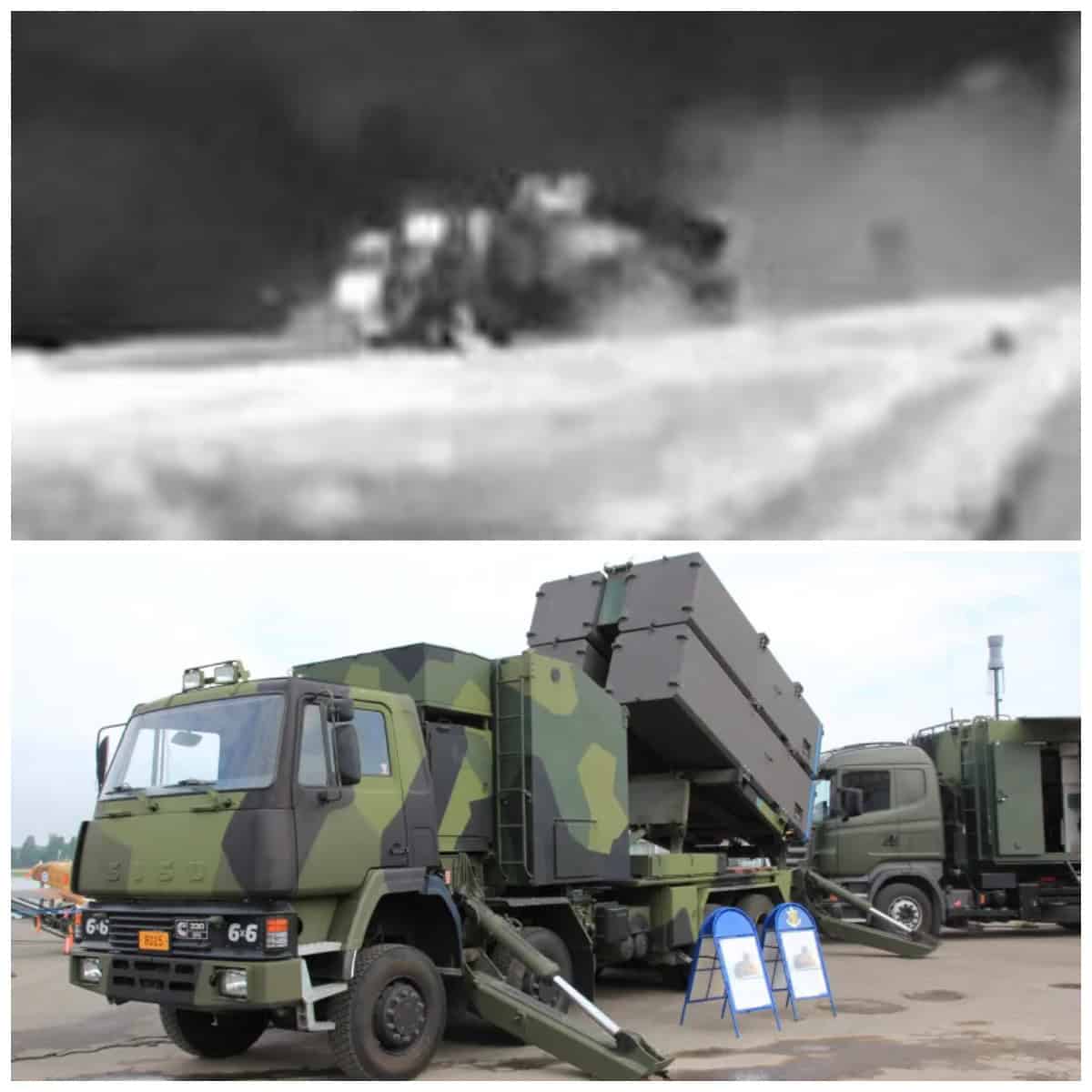
Other details have not been officially confirmed. The same video also mentioned strikes against the Sevastopol platform used by Russian forces. According to available information, the recording was made on March 12, 2025.
It is worth noting that the first reports about Sweden supplying anti-ship missiles to Ukraine appeared in 2022. Since then, only one type has been officially confirmed in public sources—the lighter RBS-17.
Germany
Germany plays a key role in the RBS15 system, acting not only as a buyer but also as a development and production partner. Cooperation between Saab and Diehl Defense began in the 1990s, when work started on the Mk3 version to meet NATO standards and the requirements of the German Navy.
This cooperation turned the RBS15 into a joint German-Swedish program, which helped its export to other NATO countries. In 2005, Germany’s procurement agency (BWB) signed a contract to equip the Braunschweig-class (K130) corvettes with the RBS15 Mk3 system.
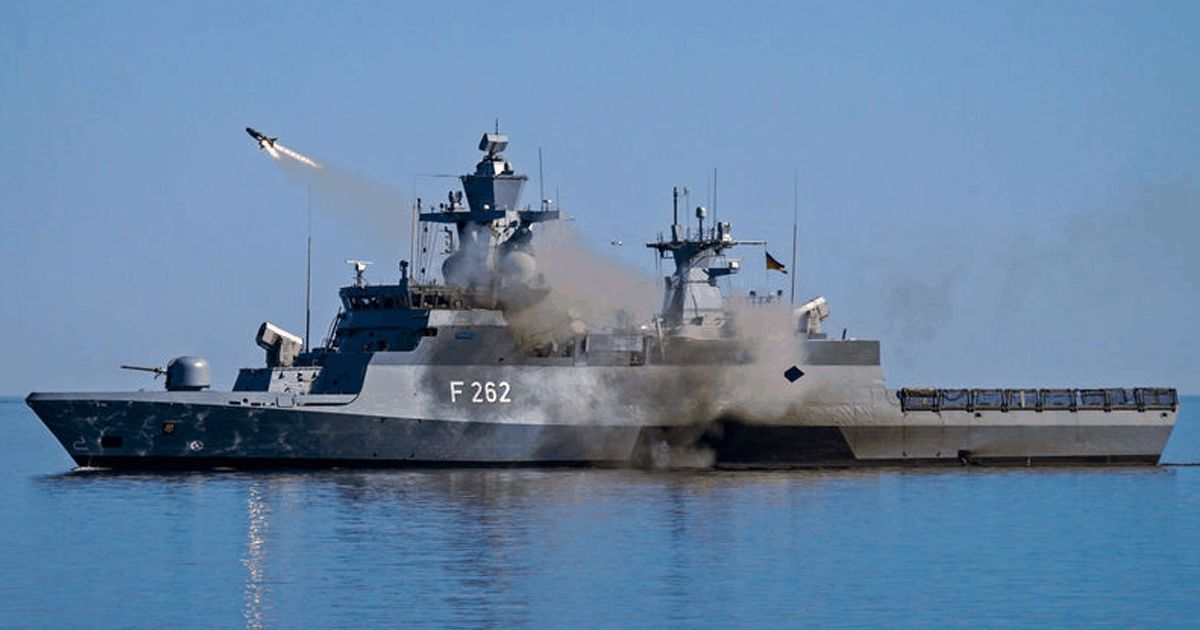
The selection of the RBS15 Mk3 for the German Navy was influenced by the cancellation of the Polyphem-S program – a fiber-optic guided missile system that had a shorter range and did not meet requirements for engaging land targets in coastal operations.
The RBS15 Mk3 filled this capability gap by offering a range of up to 250 km and the ability to strike fixed targets on land, which was critical for littoral operations.
The first batch of 30 missiles was produced between 2011 and 2015 under a contract worth approximately $46 million. Later, in 2016, Germany exercised an option for an additional 24 missiles.
In September 2020, Germany confirmed its long-term commitment to the system by signing a major contract through Diehl Defence with Saab, valued at SEK 1.7 billion, for missiles intended for the second series of Braunschweig-class corvettes. Deliveries under this contract are scheduled for 2022–2026.
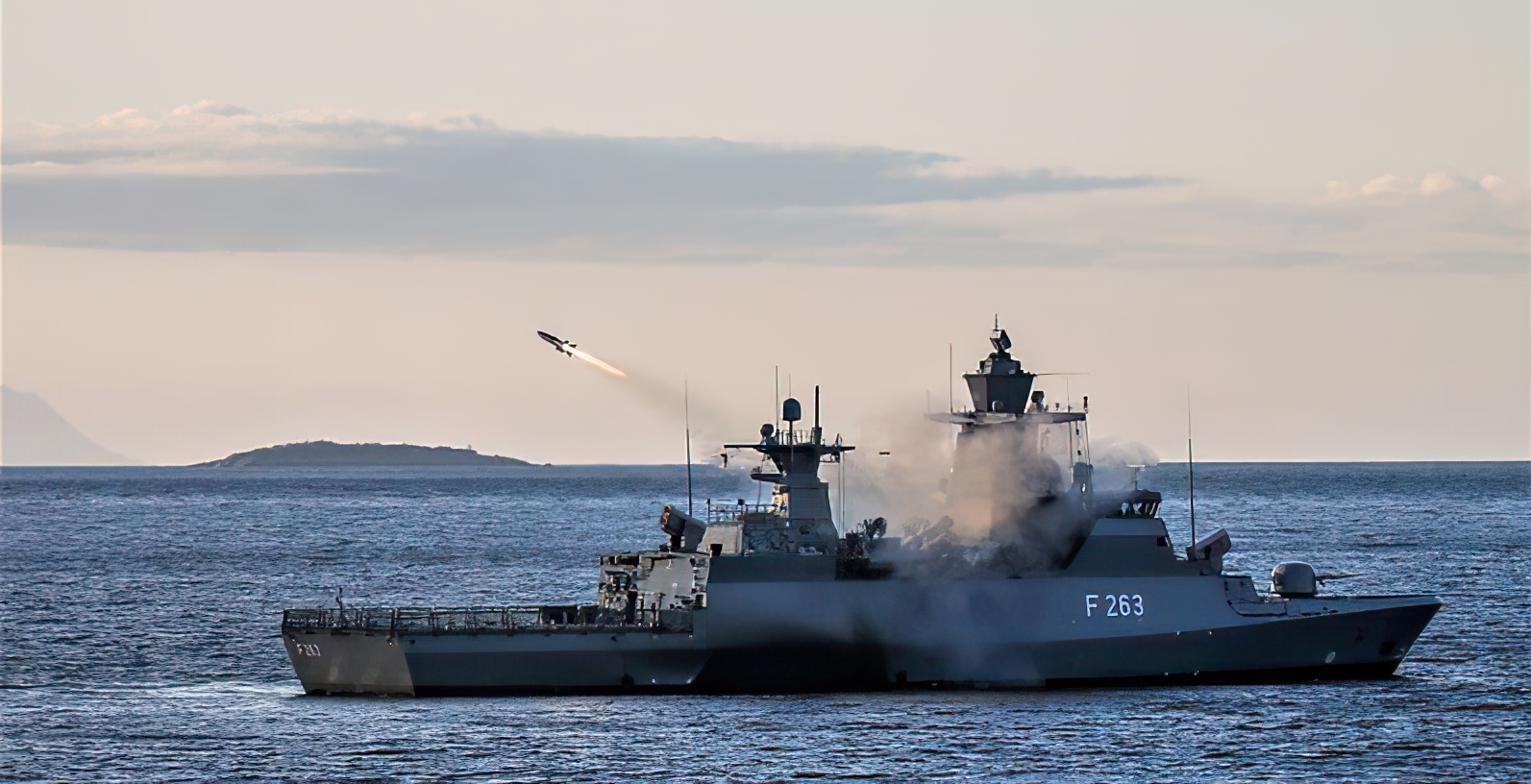
The German Navy has been actively testing the system. In 2022, the corvette Oldenburg successfully carried out test launches against both sea and land targets, confirming the accuracy of the INS/GPS navigation system. Cooperation with Diehl also ensures that the missile’s warhead, developed by TDW, meets high standards for penetration performance and safe storage.
Poland
Poland became a key RBS15 operator on NATO’s eastern flank, using the system to significantly upgrade its surface strike capabilities. Cooperation began in 2006, when Poland signed a €110 million contract for 36 RBS15 Mk3 missiles.
These missiles were intended for the modernization of three Orkan-class missile boats, which form the core of Poland’s strike forces in the Baltic Sea. During the transition to Mk3, the ships temporarily used Mk2 missiles to allow crews to train and become familiar with the system.
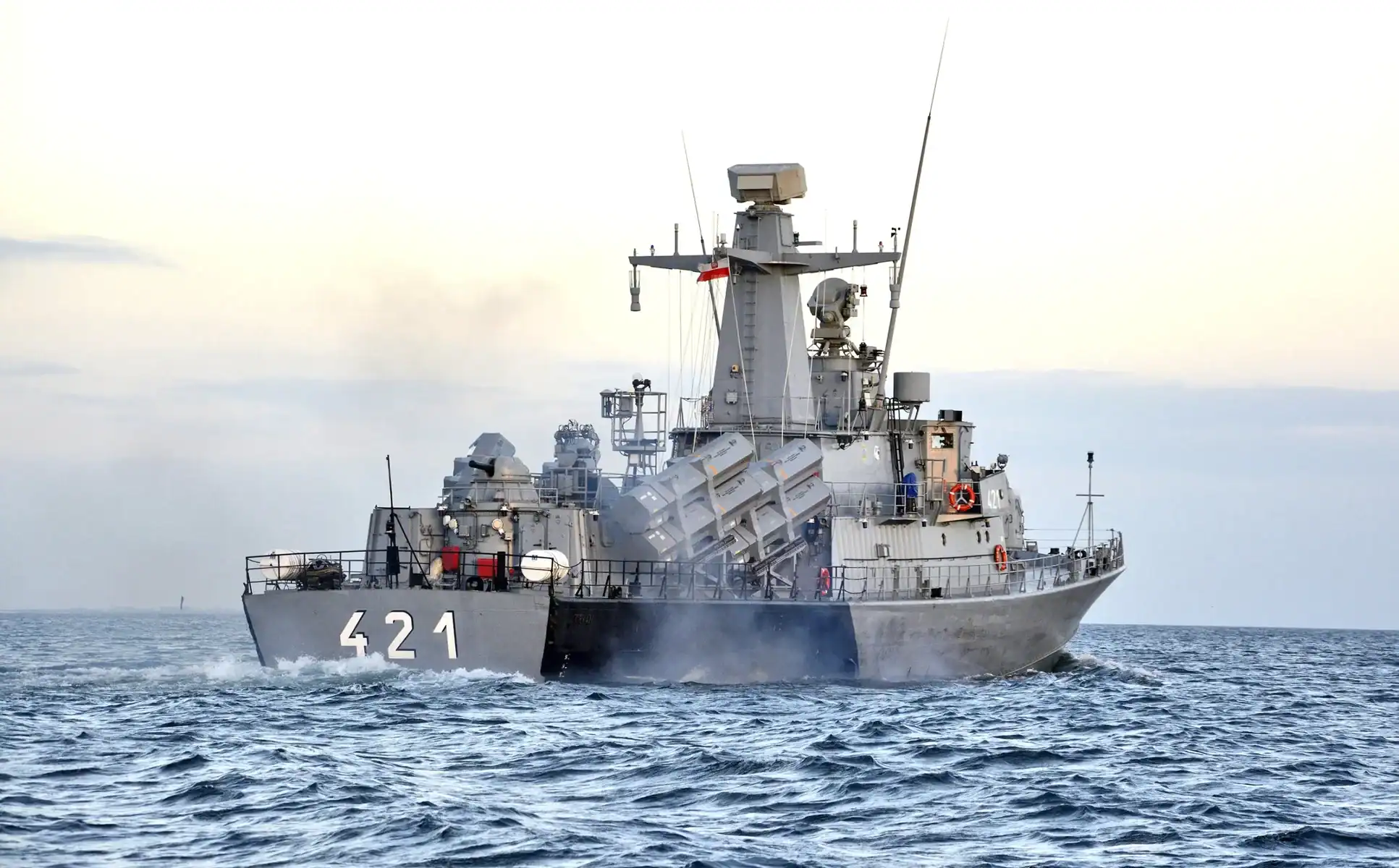
The integration of the RBS15 Mk3 on Polish ships was completed in 2014 after a series of successful tests conducted in cooperation with Thales Naval Netherlands, which was responsible for the combat management systems.
In 2015, the lead ship of the Orkan class successfully completed sea acceptance trials with a full load of eight missiles, demonstrating Poland’s ability to project power at ranges of over 200 kilometers.
Beyond procurement itself, Poland focused on industrial cooperation: Saab signed agreements with Polish companies MESKO and BUMAR (part of PGZ), establishing a missile maintenance and support center in Skarżysko-Kamienna.
The future of the Polish Navy is closely tied to the RBS15 through the construction program of three Miecznik-class frigates (based on the British Arrowhead 140 design). According to plans, these ships – Wicher, Burza, and Huragan – will be able to carry up to 16 RBS15 launchers, ensuring dominance in the Baltic Sea region.
Although the Polish command is still deciding between the Mk3 and Mk4 (Gungnir) versions, it states that the ship infrastructure will be fully compatible with both. This ensures Poland can maintain a unified anti-ship missile system, which simplifies logistics and crew training.
It is also worth noting that, despite acquiring Norwegian NSM missiles for coastal defense units, the RBS15 remains the main choice for ship-based platforms.
Finland
Finland has one of the longest operational experiences with the RBS15 outside Sweden, where it is known as MTO 85 (Meritorjuntaohjus 1985).
For decades, Finnish naval doctrine has focused on defending its archipelago, and the RBS15 was well-suited to this environment thanks to its precise seeker system. It can identify targets in complex coastal waters filled with islands and rocks. Finland has used Mk2 versions on Rauma- and Hamina-class missile boats, as well as on mobile launchers mounted on Sisu trucks.
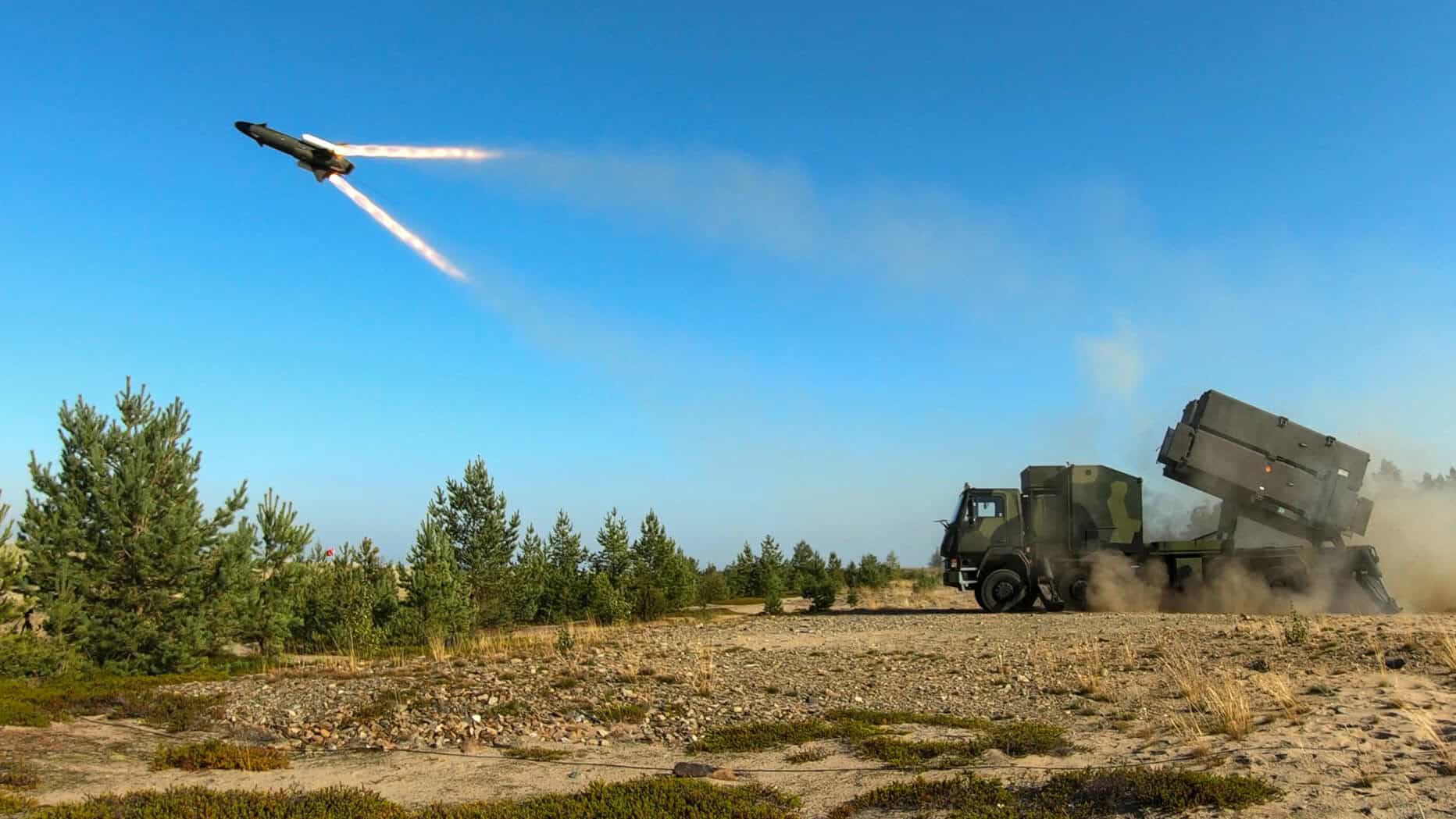
In the 2000s, Finnish missiles underwent a major upgrade to the MTO 85M standard (equivalent to Mk2 with some Mk3 elements).
The modernization included integrating GPS into the navigation system and improving algorithms to counter electronic warfare.
However, in 2018, Finland made an unexpected decision to select the Israeli Gabriel V system (designated PTO 2020) as its next primary anti-ship missile.
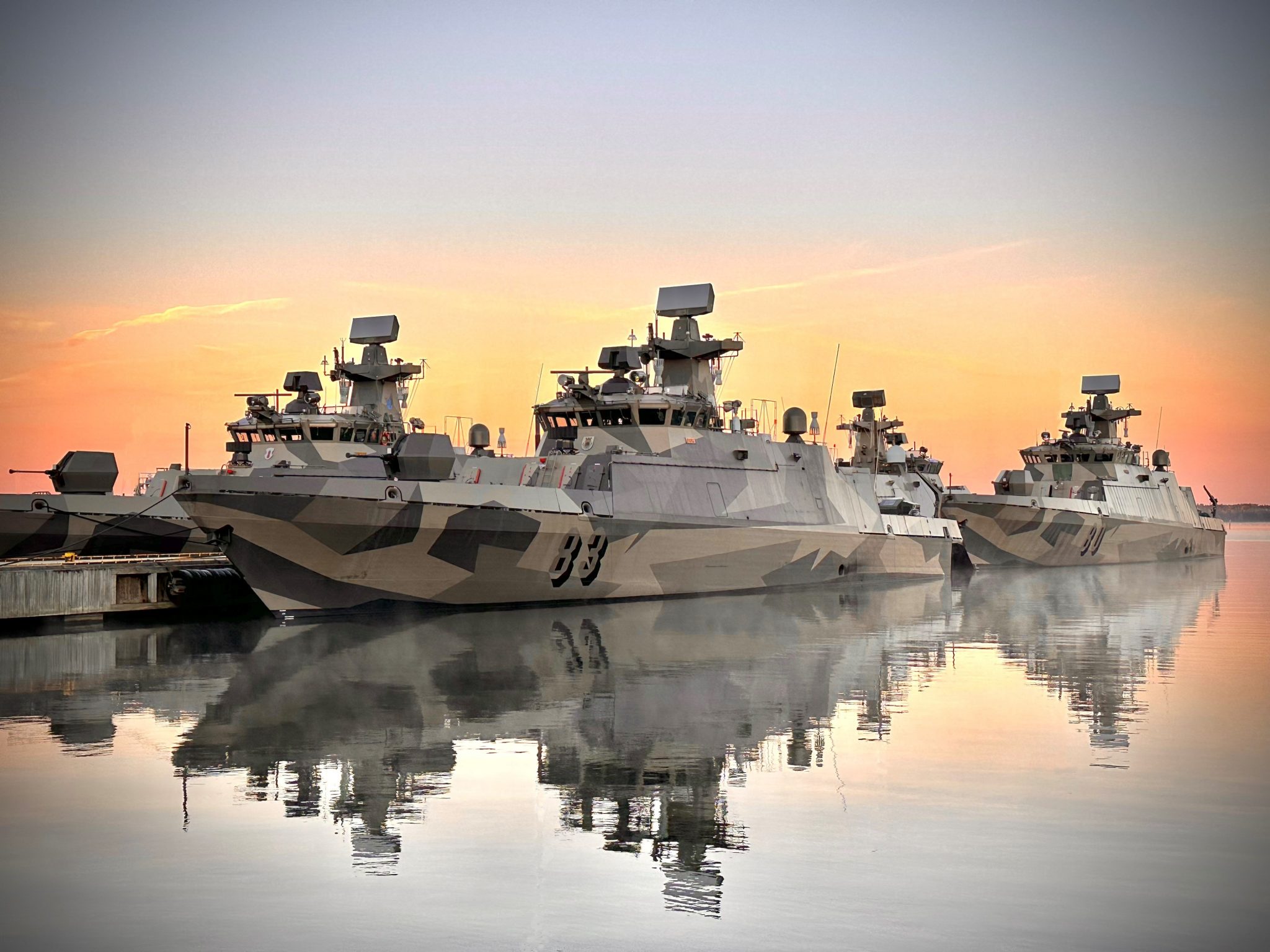
Despite this strategic shift, the RBS15 will remain in Finnish service until the end of the 2020s. In particular, Rauma-class missile boats will continue using the MTO 85M system until they are retired. Their role will later be taken over by the new Pohjanmaa-class frigates, which will be armed with the Gabriel V missile system.
Croatia
The history of the RBS15 in Croatia is closely linked to the breakup of Yugoslavia and Croatia’s war of independence. In the late 1980s, Yugoslavia purchased RBS15 Mk1 missiles from Sweden for its new missile boats.
During the country’s collapse, Croatian forces took control of these missiles and used them as the foundation of their coastal defense. In the 1990s, Croatia successfully integrated the system onto the Kralj-class and RTOP-42 fast attack craft. However, after the war, maintaining the missiles became difficult due to the lack of official technical support from Saab.
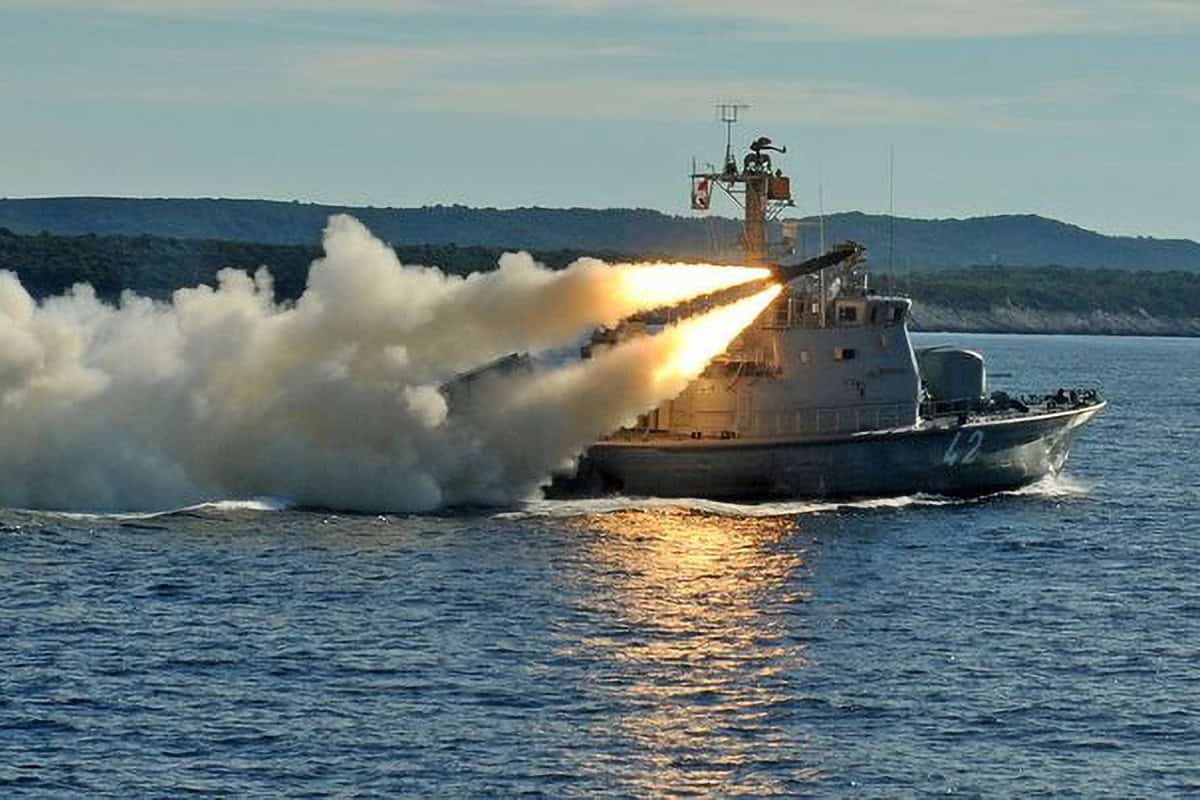
The situation changed in 2014, when the Croatian government, recognizing the importance of maritime deterrence in the Adriatic, approved a program for a major overhaul and limited modernization of 20 RBS15 Mk1 missiles. The work was performed by Croatian Armed Forces specialists with limited technical support from the manufacturer.
Today, Croatia operates about 48 Mk1-version missiles, deployed on five missile boats and three mobile coastal batteries (MOL) based on Tatra trucks.
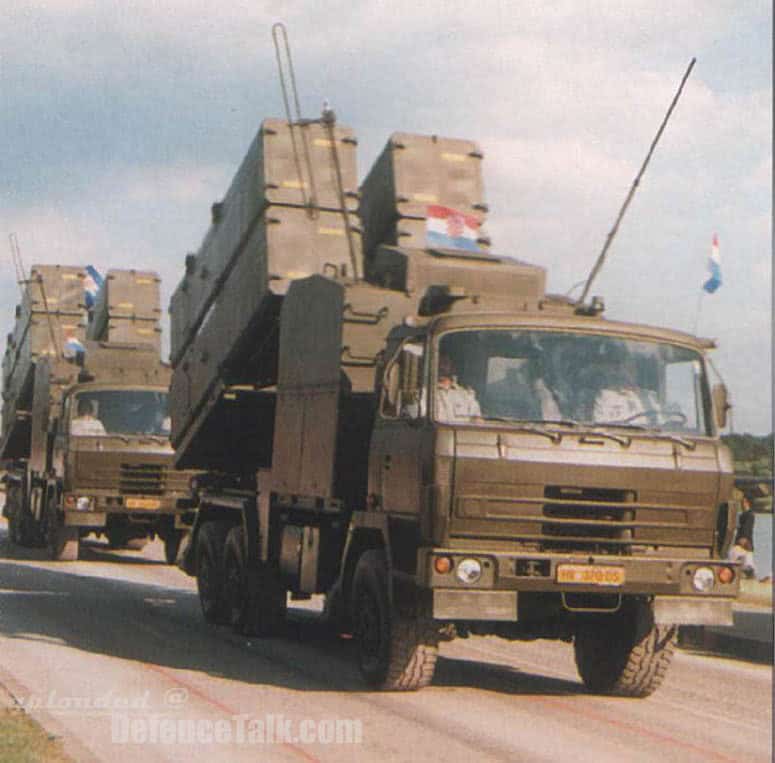
The upgrade increased the missile’s range to about 90–100 km and improved its resistance to electronic warfare.
At the ASDA 2025 exhibition, Saab proposed that Croatia upgrade to the modern RBS15 Mk3. The proposal includes not only new missiles with a range of over 200 km, but also full integration into the existing fire-control system.
Thailand
Thailand has become an important RBS15 customer in Southeast Asia as part of a broader defense cooperation with Sweden. This included the purchase of JAS 39 Gripen fighter jets and Erieye airborne early warning aircraft.
For the Royal Thai Air Force, the RBS15F serves as a key maritime strike weapon, allowing aircraft to engage enemy ships at long range.
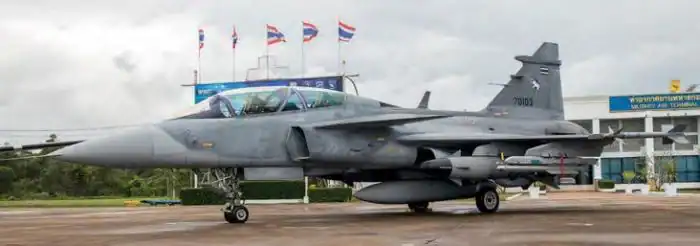
Gripen aircraft based in Surat Thani are capable of carrying two such missiles, making Thailand the only country in the region with such a strong air-based anti-ship capability.
In August 2025, Thailand confirmed its intention to procure a new batch of Gripen E/F fighters, which effectively points toward a long-term transition to the Mk4 Gungnir missile version.
Algeria
Algeria has become one of the most significant export customers for the RBS15 Mk3 outside Europe.
In March 2012, the Algerian government signed a €2.17 billion contract with the German consortium TKMS for the construction of two MEKO A-200AN frigates (Erradii class).
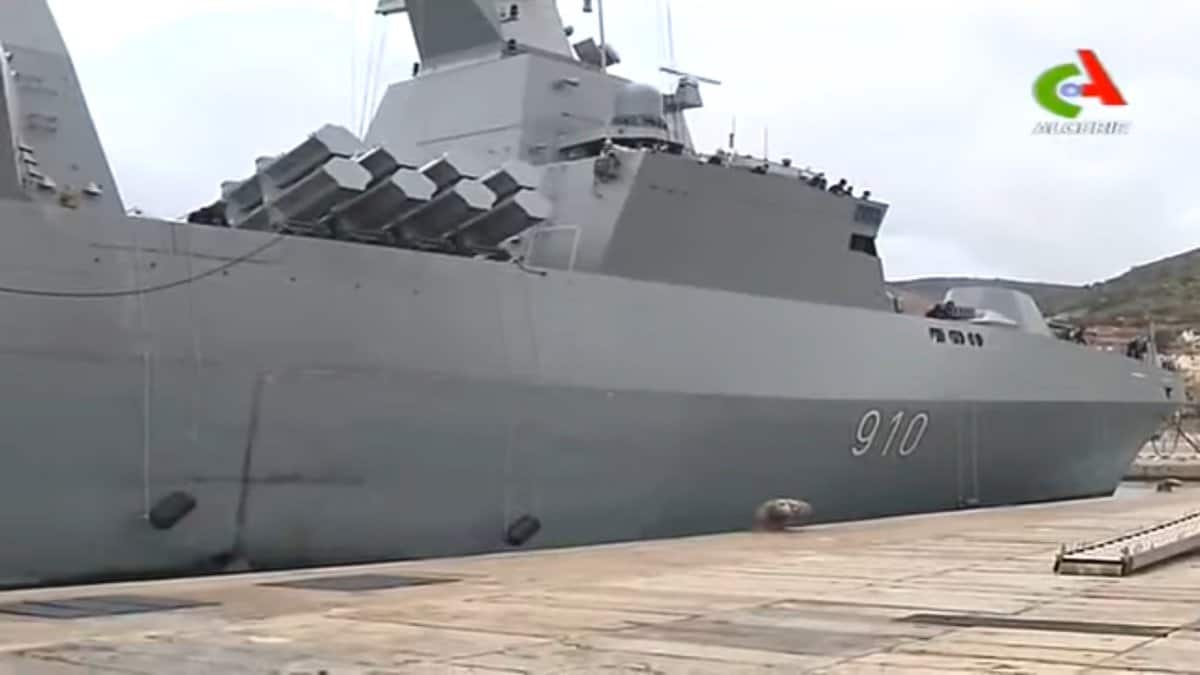
The choice of armament for these ships is particularly ambitious: instead of the standard eight missiles, each Algerian frigate is equipped with 16 RBS15 Mk3 launchers.
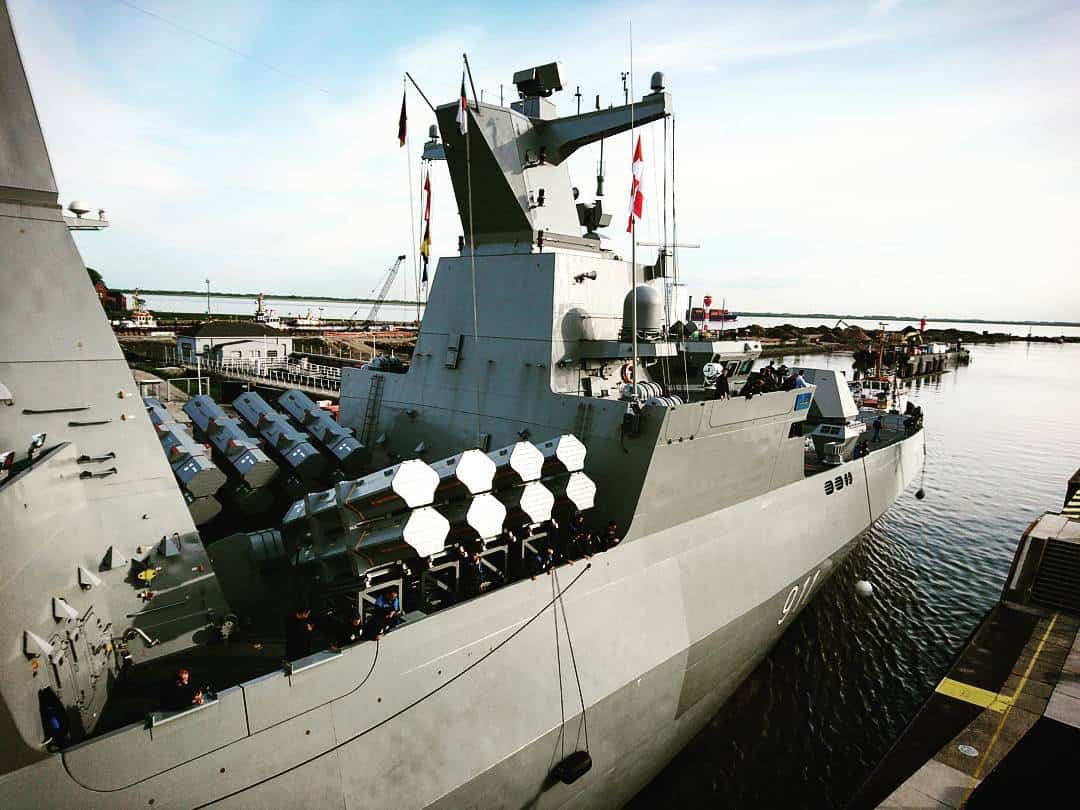
The total procurement is estimated at 65 missiles.
Bulgaria
Bulgaria began integrating the RBS15 Mk3 in response to the significant change in the security situation in the Black Sea after 2014. In August 2022, the Bulgarian government decided to acquire Mk3 missiles to equip two new multi-purpose patrol vessels (MMPV 90) of the Hrabri class.
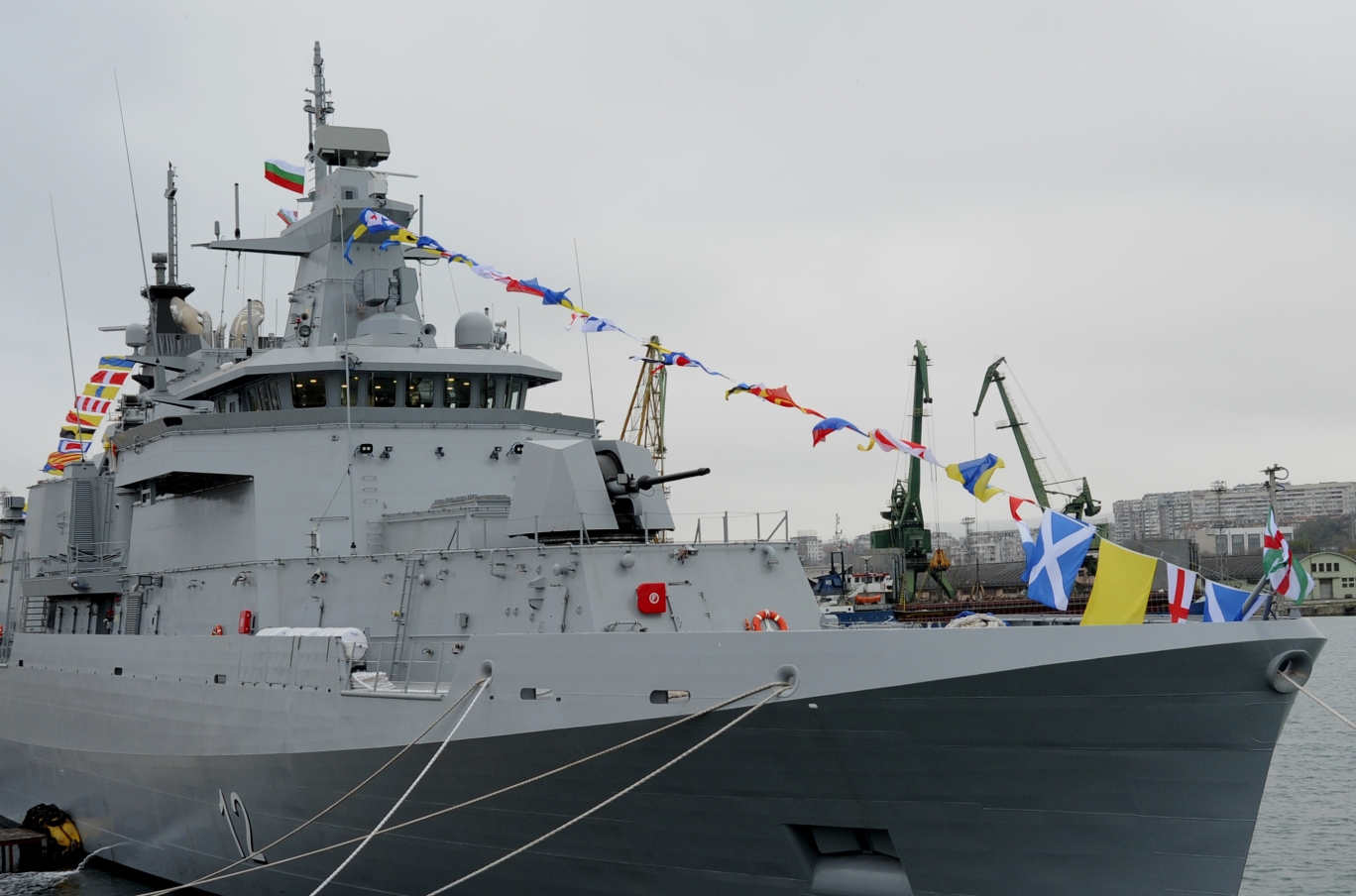
The first ship, Hrabri, was launched and successfully completed sea trials in November 2025, officially raising the Bulgarian flag in December of the same year. Each vessel of this class is equipped with two twin launchers for the RBS15 Mk3.



Visits by Senior Washington Officials to Moscow: The Factors Driving the Kremlin’s Rejection of the White House’s Proposals
In late August and early September 2026, three senior U.S. officials visited Moscow, marking a level of concentrated contact in U.S.-Russian relati...

A Sharp Shift in the Dynamics of Global Confrontation Forces Washington to Rethink How It Builds Its Key Partnerships
On September 12–13, 2026, the 18th BRICS Summit was held in New Delhi. Xi Jinping traveled to India to lead the Chinese delegation, marking his fir...

Xi Jinping’s Washington Visit Outlines the Timeframe for the Active Phase of the Confrontation: Beijing Openly Demands Taiwan’s Return
On September 23–25, 2026, Chinese President Xi Jinping held talks with President Trump at the White House during the first Chinese state visit to t...
