




Popular
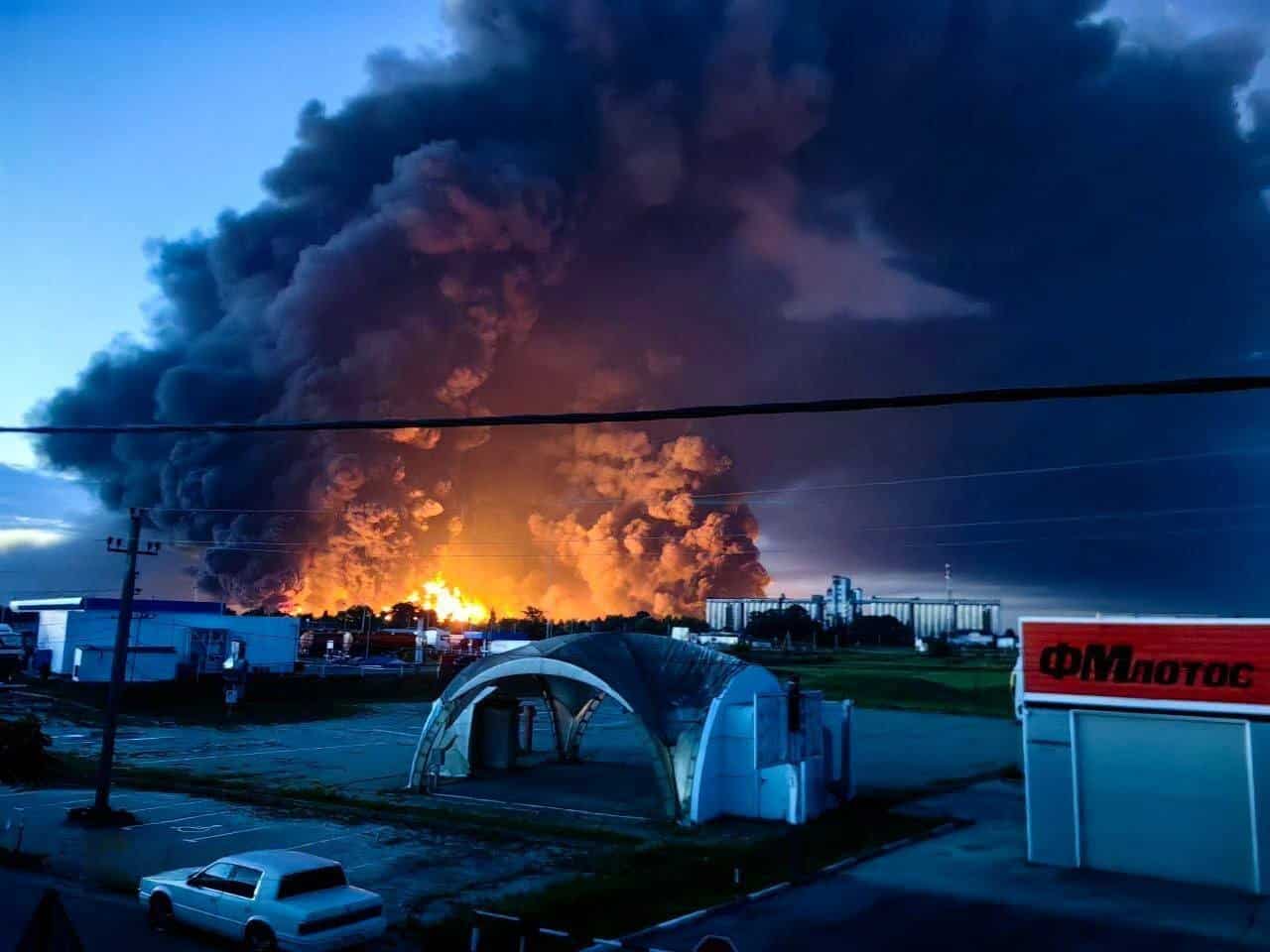
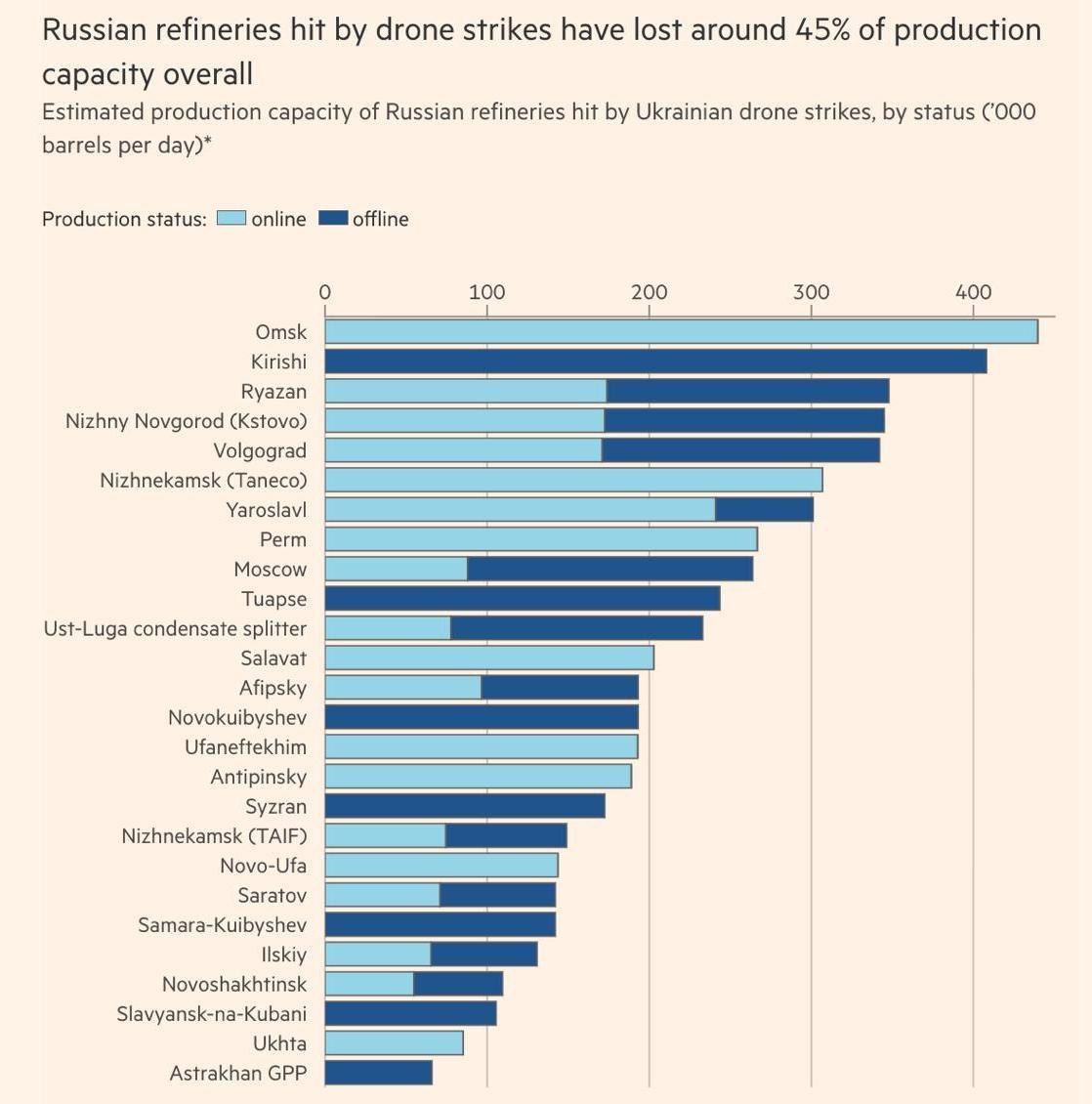
Ukrainian strikes with long-range drones have disabled more than 30% of the actual and 45% of the nominal capacity of Russian oil refineries.
The destruction of critical facilities has caused the worst fuel crisis in Russia since the collapse of the Soviet Union and forced the government to impose restrictions on fuel sales, according to the Financial Times.
Analysis of satellite imagery and thermal data shows that damage to major facilities in Moscow, Omsk, Tuapse, and Kstovo persists for weeks or months. Engineers are advising Ukrainian strike teams on the most critical components of Soviet-era refinery systems, which are the hardest to replace.
In late April, the refinery in Tuapse suffered two attacks that destroyed more than a dozen storage tanks with a total capacity of about 80,000 cubic meters. In addition, drones destroyed a secondary processing unit necessary for the production of diesel, jet fuel, and gasoline.
At the facility in Omsk, located 2,500 km from the border, the attack targeted equipment for desalting and dehydration of crude oil. These units are at the beginning of the production process, so their damage prevents the plant from processing raw materials.
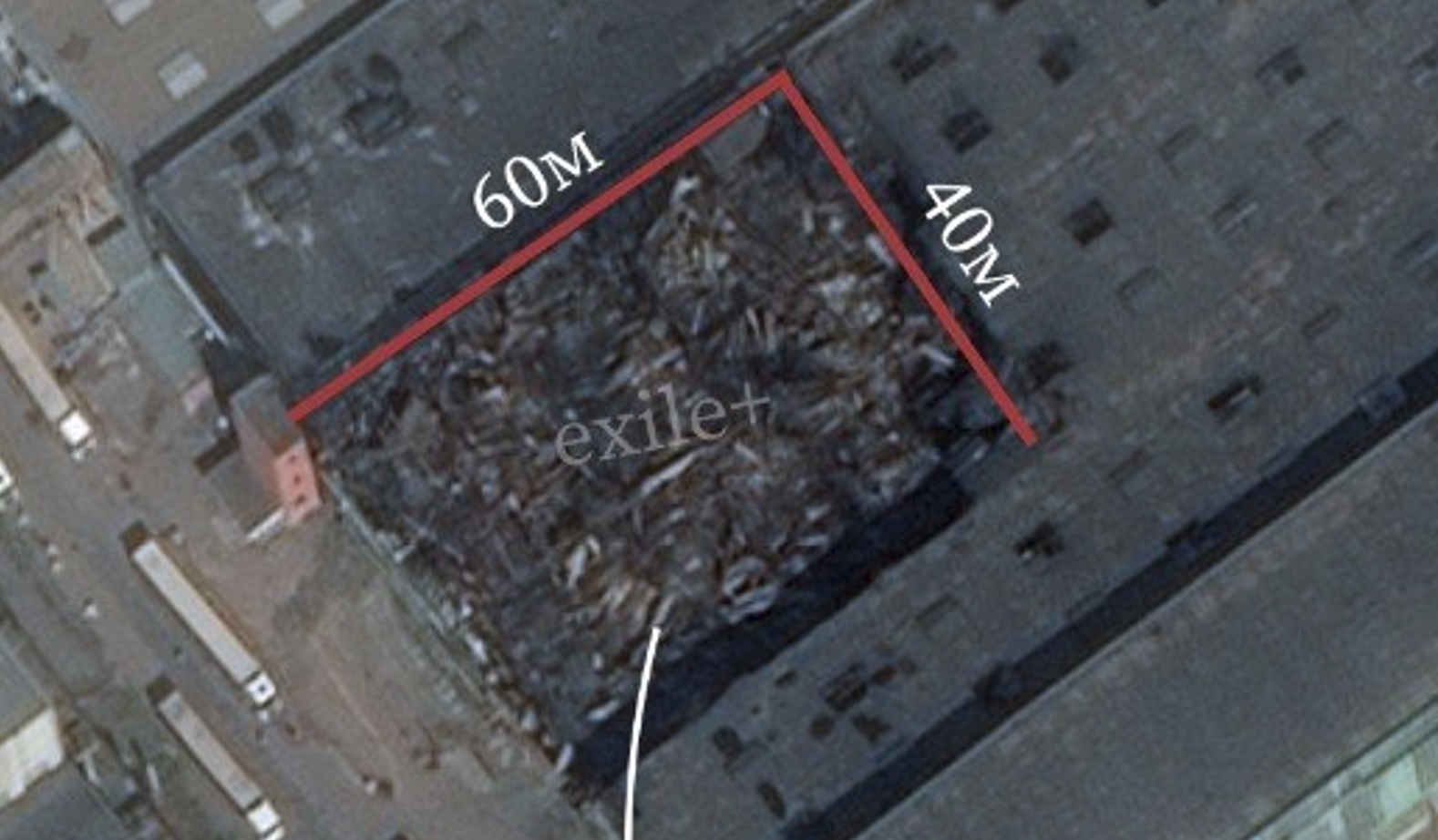
A month after the strike on the Moscow refinery, the damaged lid of an oil tank still lies on the refinery grounds. Three smaller tanks, a pumping station, and the pipelines connecting them to the rest of the plant have also been damaged.
Smaller Russian oil refineries also remain largely inoperable, with their production facilities and storage tanks in ruins.
A study by researchers at Sapienza University of Rome showed that after the first strike, nighttime illumination around 29 large refineries dropped by 30% within a one-kilometer radius. For facilities that were attacked last year, this decline lasted more than 13 months.
The plant in Kstovo, Nizhny Novgorod Oblast, has still not resumed operations following the strikes on May 18 and 20. In satellite images from Constellr dated July 18, its distillation unit still showed no thermal signature.
According to S&P Global Energy, Russia has managed to partially restore capacity thanks to the resumption of operations at the Omsk refinery. However, a significant portion of the equipment remains offline.
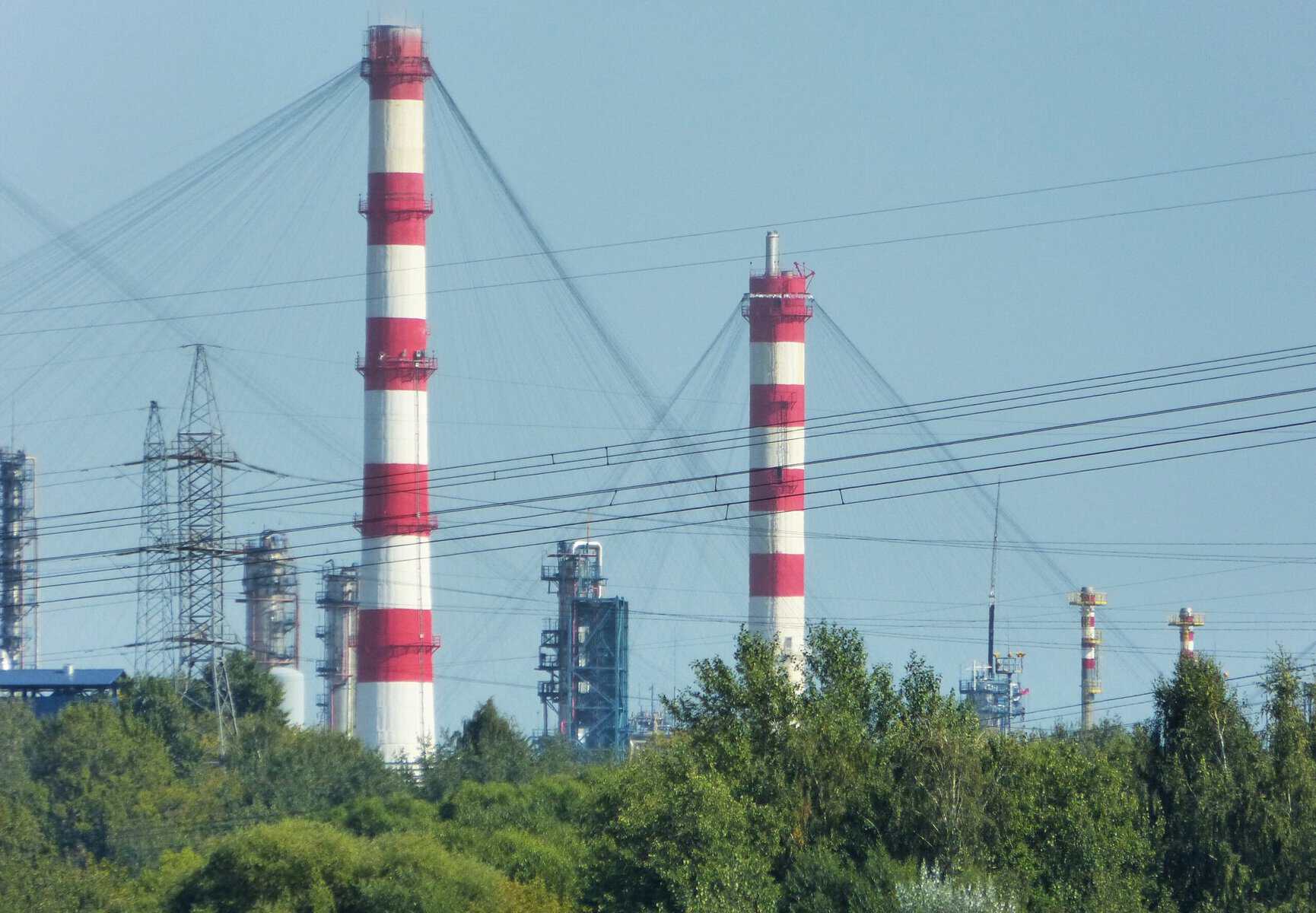
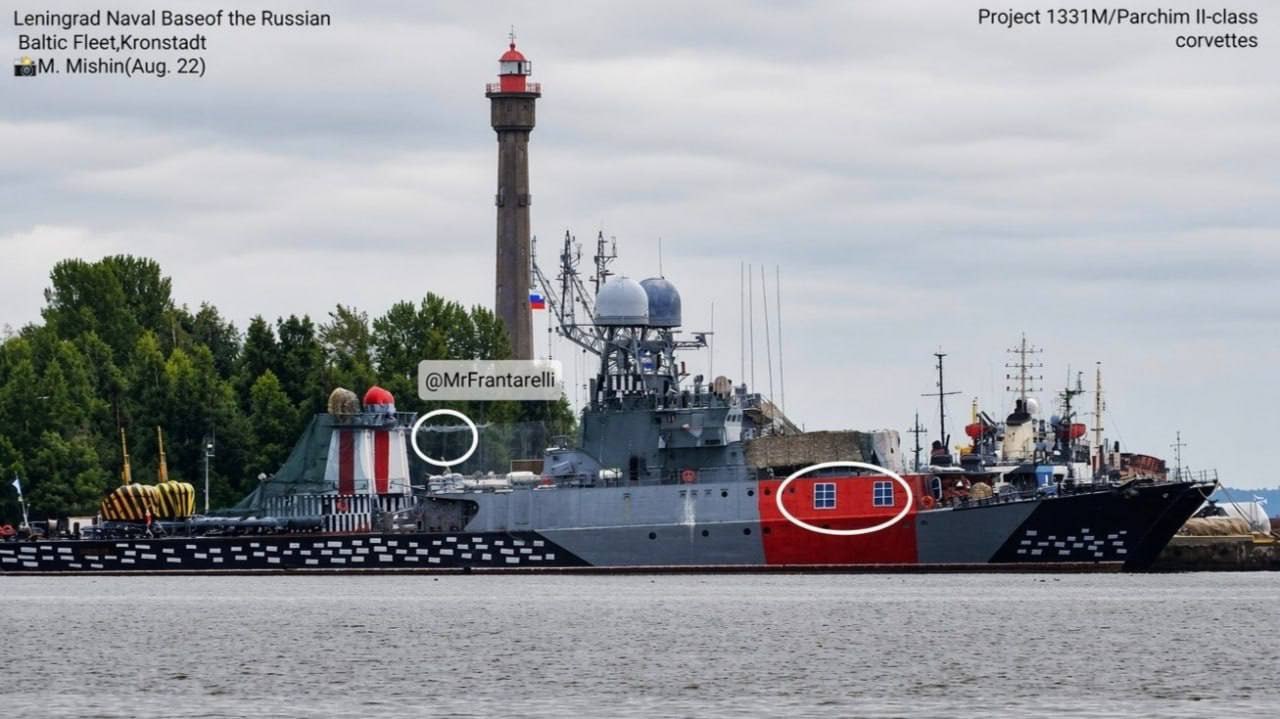
Satellite imagery shows that since 2022, Russian refineries have expanded their drone defenses. Special protective nets are being installed on a massive scale to shield process facilities at these plants.
Repeated waves of Ukrainian drones continue to breach these defenses. The protective structures can intercept a single drone, but when three drones strike the same spot, it is impossible to protect the infrastructure.
Підтримати нас можна через:
Приват: 5169 3351 0164 7408 PayPal - [email protected] Стати нашим патроном за лінком ⬇
Subscribe to our newsletter
or on ours Telegram
Thank you!!
You are subscribed to our newsletter