



Popular
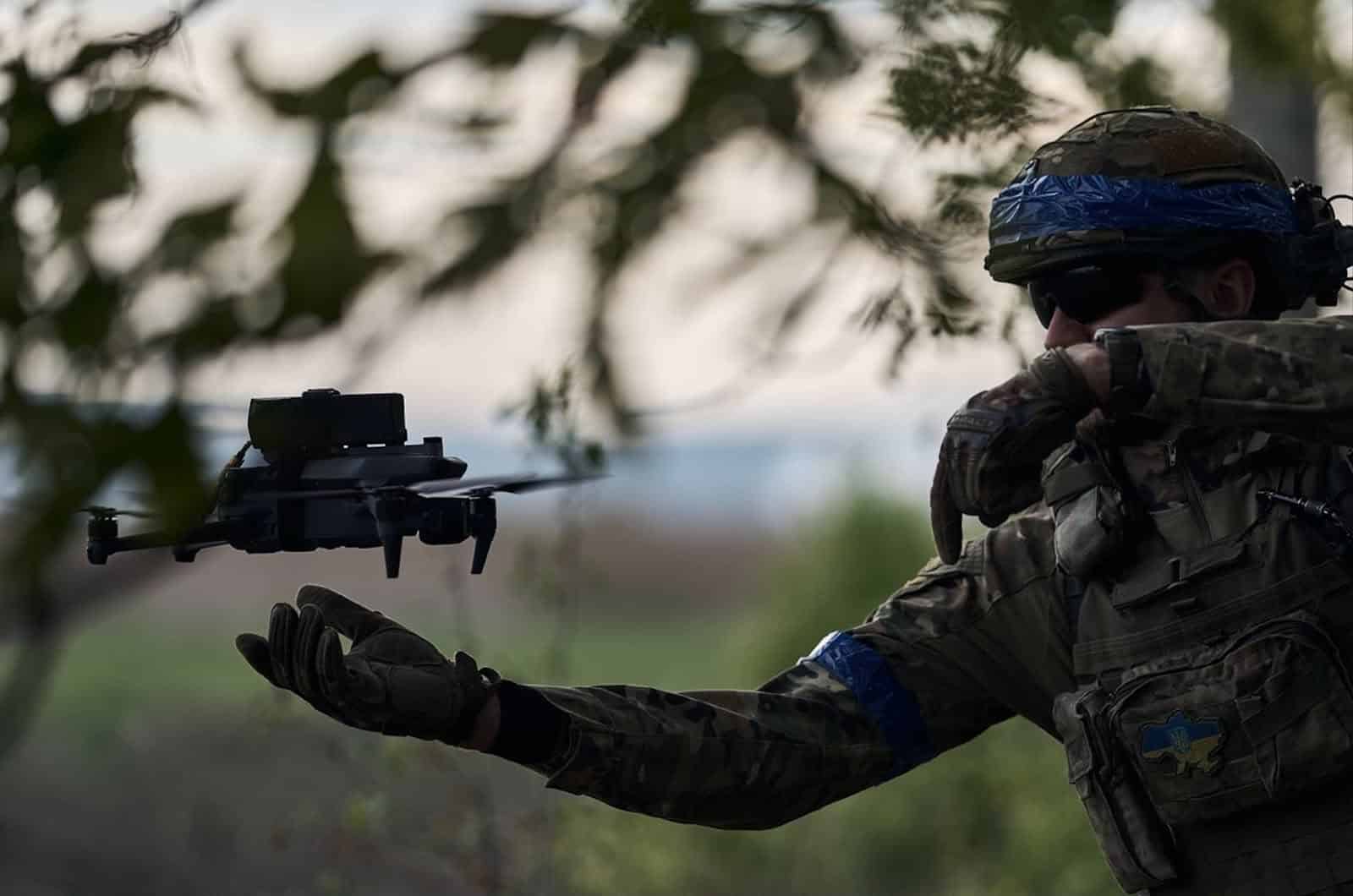
Every foreign delegation that visits Ukraine’s defense-tech sector asks some version of the same question: what is the one thing that makes this work. I understand the appeal of that question. It would be convenient if the answer came down to a single insight, a culture, a mindset, something other countries could import by sending enough people to come and watch.
It is not one thing. It is three separate systems, built roughly a year apart, each one solving a specific failure that, in most countries, kills defense innovation on its own. And underneath all three, there is a fourth thing that never got a name or a budget line, because nobody designed it. That one is harder to copy than any of the paperwork.
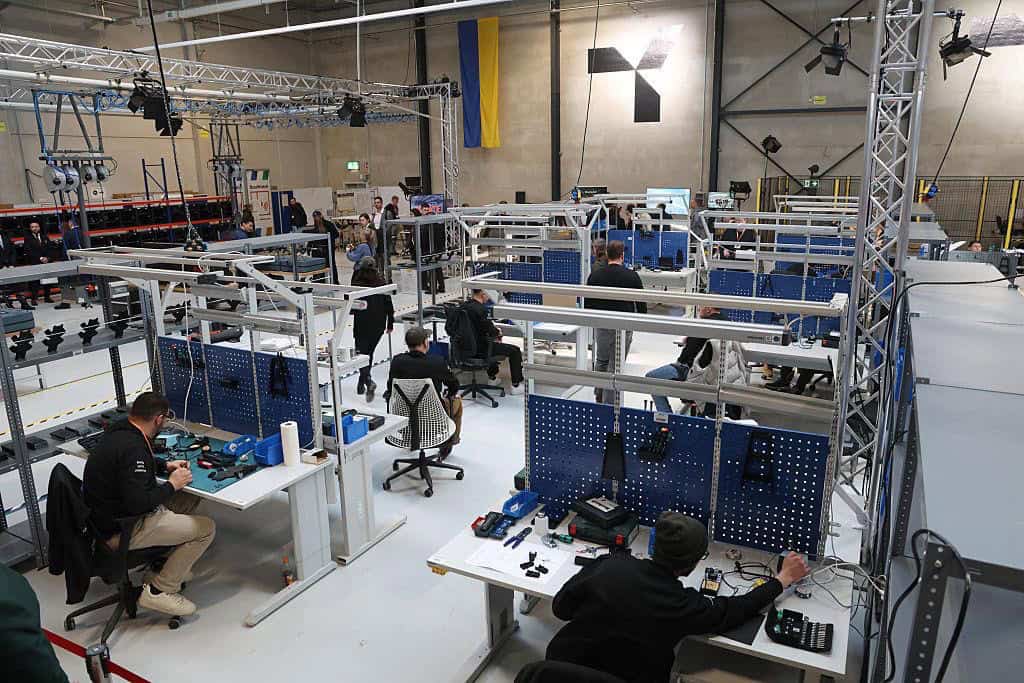
Before the three systems, there is the habit that produced them. Production in this industry did not get decentralized because someone drew that up as strategy. It got decentralized because russia treats every workshop as a target, and a manufacturer that keeps all its capacity in one building does not survive contact with reality. So companies split lines, move fast, rebuild under pressure, and trade notes with other founders doing the same thing under the same pressure.
Nobody wrote that down anywhere. It has no register, no ministry, no acronym. But it is the reason all three systems below keep changing shape every few months instead of sitting still for a decade, which is what usually happens once a government builds an institution and calls it done.

Most good ideas in this industry die before they are ever tested, because no institution wants to fund something that might not work. Brave1, the state-run cluster launched in April 2023, exists to solve exactly this problem: grants, direct access to a testing loop with actual military units, and a fast track from prototype to battlefield feedback.
The cluster has issued several hundred grants, moving tens of millions of dollars into early-stage work that, in a conventional procurement system, would never have left a slide deck. It later opened the same track to foreign manufacturers through a program whose name says exactly what it offers, Test in Ukraine, and this year folded that into Brave International, joint grant funds with Norway, France, Germany, and Lithuania, each one co-financed fifty-fifty.
I will say plainly that Brave1 gets more credit than the other two, mostly because it is the most visible. It is the front door, generous with attention, occasionally slow once the money is actually due. What it is genuinely good for is killing the old excuse that a founder needs a ministry contact before anyone in uniform looks at their product.
Funding a good idea does not matter if the unit that needs it waits eighteen months for a contract. DOT-Chain Defence, piloted with ten brigades in 2025, solves a different problem: it lets a brigade log in, compare options, and order equipment directly, the way the army’s food-supply system had already learned to do, cutting delivery from months down to weeks, occasionally days.
Soldiers rate what they receive, and those ratings shape who gets the next order. This is the one I would bet on for the long run, and it gets the least credit outside procurement circles, probably because it started with rations and nobody expected a supply-chain fix to become the model.
Washington and Paris are already looking at versions of the same marketplace logic on their own, separately from anything Brave1 does, which tells you this was never really about drones. It is about who gets to see what a soldier actually thinks of a product, and how fast.

The third problem only shows up once the first two are solved. A company with a validated product and real orders still needs the tax conditions and legal room to scale production, not just win one contract.
Defence City, the regime that went live this January, exists for exactly this stage: exemption from profit tax on reinvested earnings, simplified export and customs procedures, a runway that holds until 2036 or EU accession. It does not help a company get its first grant or its first order.
It helps a company survive being right, which is a separate, third kind of failure most countries never even reach in the conversation. This is the one I am most cautious about. A tax regime is only as good as its enforcement, and this one is new enough that nobody I know has watched it survive a real audit yet.
None of these three institutions does the other two’s job, and none of them existed as a single plan drawn up in advance. They were built about a year apart, each one in response to whichever bottleneck had just become the most visible failure.
That is also why serious partners are not copying “the Ukrainian model” as one package. They are copying specific, separable procedures: procurement reform on its own terms, funding architecture on its own terms, tax policy on its own terms. Institutions do not transplant as a culture. They transplant as procedures.
What does not transplant is the thing underneath, the one without a name. Not a policy paper, but a war that never gave anyone here the luxury of choosing which bottleneck to fix first, and never stopped forcing founders to talk to each other about what just broke.
You can copy the paperwork. You can copy the tax code. You cannot copy the deadline that got it all written in months instead of years, and you cannot copy the habit of picking up the phone to ask a competitor how they solved the same problem last week.
Підтримати нас можна через:
Приват: 5169 3351 0164 7408 PayPal - [email protected] Стати нашим патроном за лінком ⬇
Subscribe to our newsletter
or on ours Telegram
Thank you!!
You are subscribed to our newsletter