


Popular
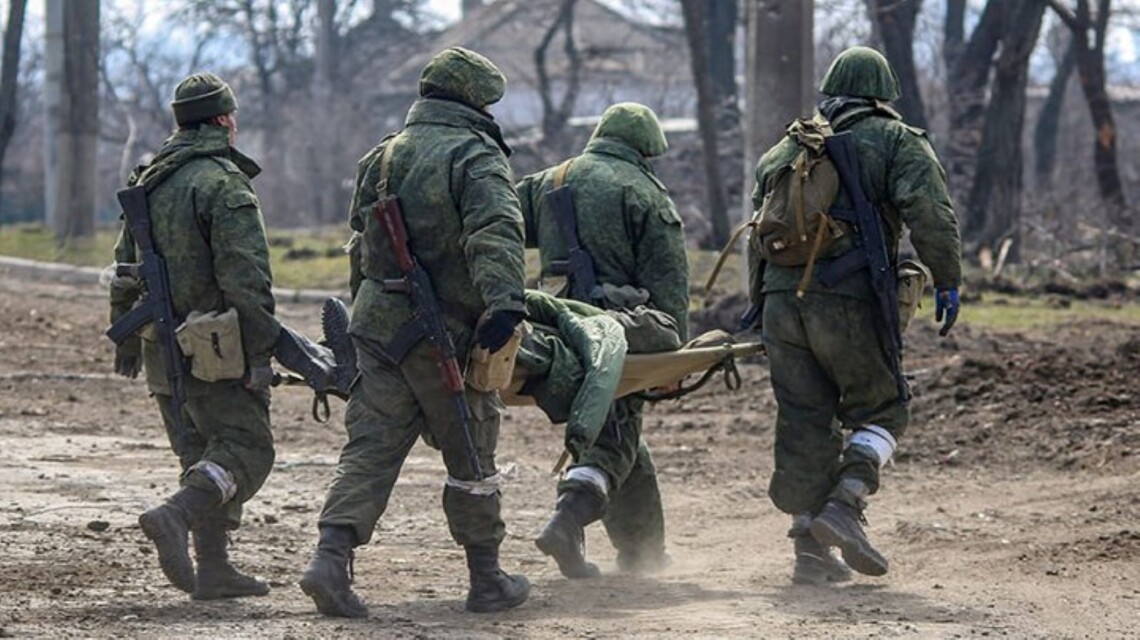
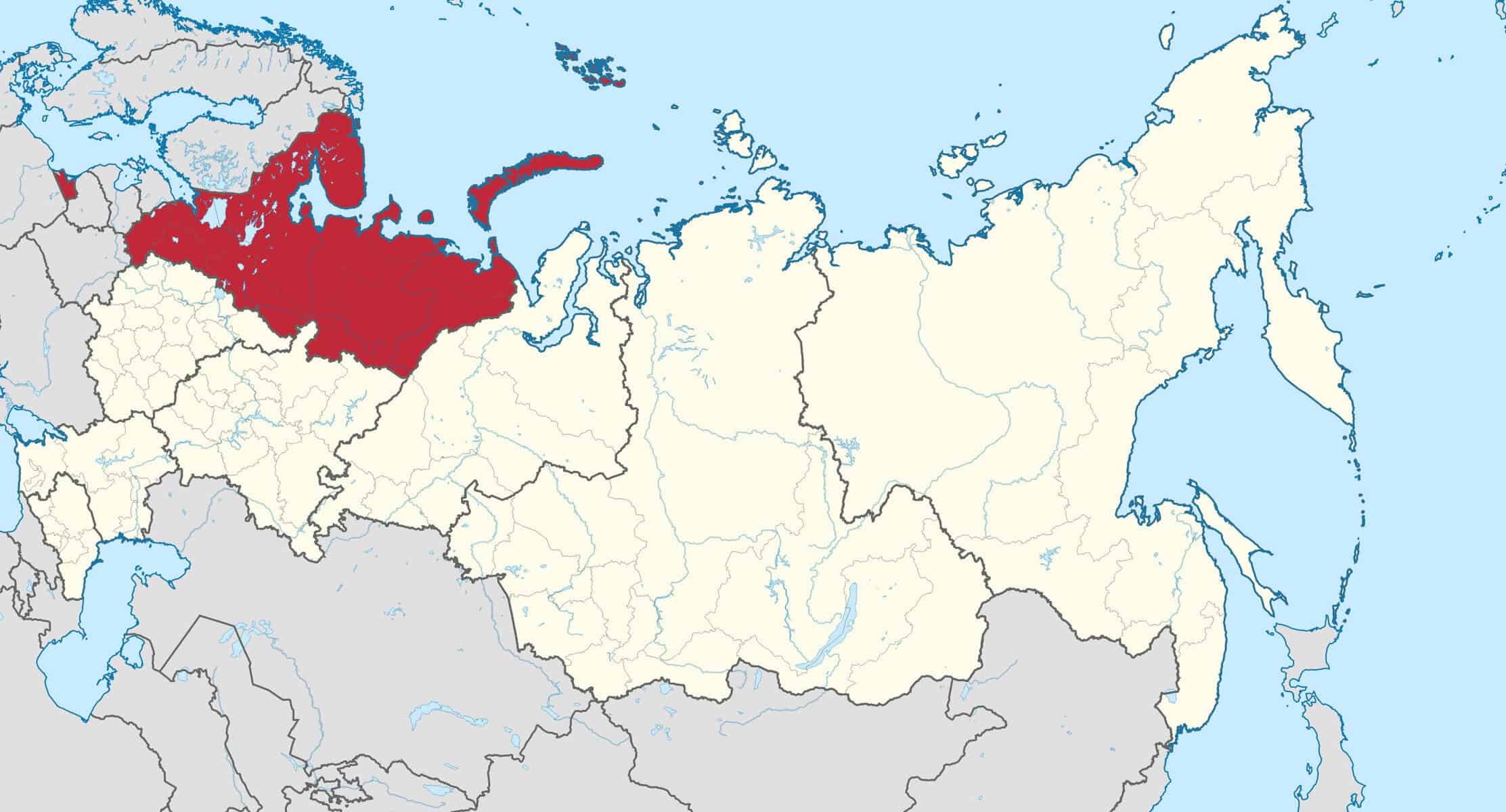
In autumn 2026, Russia plans to add 16,000–20,000 beds in civilian hospitals for military use, mainly in the Northwestern Federal District near the Baltic states.
The Volya Telegram channel reported on this.
This number is about 2.5–3.2 times higher than the estimated increase in beds at Russian military medical facilities between 2021 and 2026.
According to the channel, Russia planned to open six new military hospitals in 2026: four in the European part of the country and two in the Far East. All six are now complete, and five are already operational.
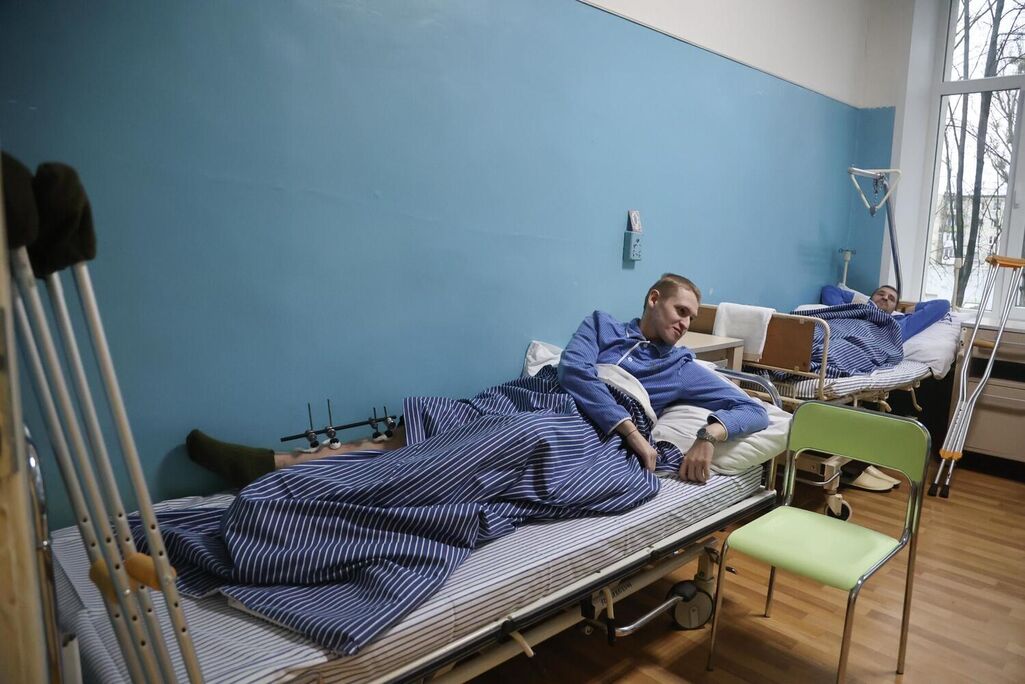
However, specialized military hospitals have been unable to cope with the influx of wounded personnel since 2023. As a result, Russia’s Ministry of Defense is increasingly using civilian hospitals for military purposes, including maternity hospitals and specialized medical facilities.
Some of these facilities are being fully converted for military use. More often, however, civilian hospitals allocate several departments to treat wounded military personnel while continuing to admit civilian patients in the rest of the facility.
According to sources cited by the channel, in autumn 2026, the number of hospital beds is planned to increase by 16,000–20,000 by using civilian hospitals. The expansion will primarily cover Karelia, St. Petersburg, the Leningrad region, and the Novgorod region, which are part of the Northwestern Federal District, as well as the Moscow region and the Smolensk region in the Central Federal District.
“The expansion is not related solely to the ‘special military operation.’ The choice of regions is understandable: St. Petersburg is the country’s main center of military medicine, while the city’s civilian healthcare infrastructure is among the most developed in Russia – second only to Moscow. The regions bordering Ukraine have long been overwhelmed with wounded personnel, as have the North Caucasus regions with the most developed medical infrastructure. Therefore, the expansion will come at the expense of regions with the greatest medical capacity,” one of the channel’s sources claimed.
Two other sources consider this explanation incomplete. In their view, the choice of regions depends not only on the level of healthcare infrastructure, but also on geographic location. One source noted that wounded personnel are usually transported to the nearest, most accessible medical facilities, meaning the location of the designated regions could indicate a likely direction of military operations.
Another Russian serviceman emphasized that information about the treatment of military personnel in Russia has been heavily classified since 2014, as it can provide insight into the state’s intentions. According to him, converting hospitals in western regions for military use could signal that preparations are underway for military operations in a new direction.
According to the Vot Tak project, in 2021 Russia had 431 medical facilities serving military personnel. Altogether, these facilities had more than 52,000 hospital beds. As of 2026, Russian military medical facilities had at least 58,300 beds, but even this capacity is insufficient.
For example, at the S. M. Kirov Military Medical Academy in St. Petersburg, one department has a designated capacity of 40 beds, but it is simultaneously treating up to 86 patients. An anesthesiologist at the facility, who wished to remain anonymous, discussed the situation with the “Vot Tak” editorial team. According to him, since the beginning of the full-scale war, additional beds have been placed in the corridors, while mattresses are used in hospital rooms in place of beds. He mentioned there is a shortage of beds both in other hospitals across the city and throughout the country.
Between 2021 and 2026, Russia increased the number of hospital beds by approximately 6,300. The planned addition of another 16,000–20,000 beds in civilian hospitals is 2.5–3.2 times that figure.
The expansion of medical infrastructure for military personnel typically indicates an expected increase in the intensity of military operations and indirectly signals preparations for mobilization. In particular, the large-scale deployment of field hospitals and the creation of blood supplies for transfusions were observed ahead of the full-scale invasion of Ukraine in 2022.
Підтримати нас можна через:
Приват: 5169 3351 0164 7408 PayPal - [email protected] Стати нашим патроном за лінком ⬇
Subscribe to our newsletter
or on ours Telegram
Thank you!!
You are subscribed to our newsletter