
Underestimated Threat: How Hezbollah Drones Are Inflicting Casualties on Israeli Army

Roman Pryhodko


The large-scale military confrontation on Israel’s northern border and directly within southern Lebanon has exposed a profound doctrinal and technological crisis in the Israel Defense Forces’ (IDF) defense concept.
For decades, the Israeli command has built its defense architecture around the presumption of unconditional technological superiority, relying on multi-layered air defense systems and dominance in the field of electronic warfare (EW).
However, the Lebanese Shiite group Hezbollah—having transformed from a semi-artisan insurgent structure in the mid-1980s into a highly adaptive hybrid army—has managed to neutralize this advantage.
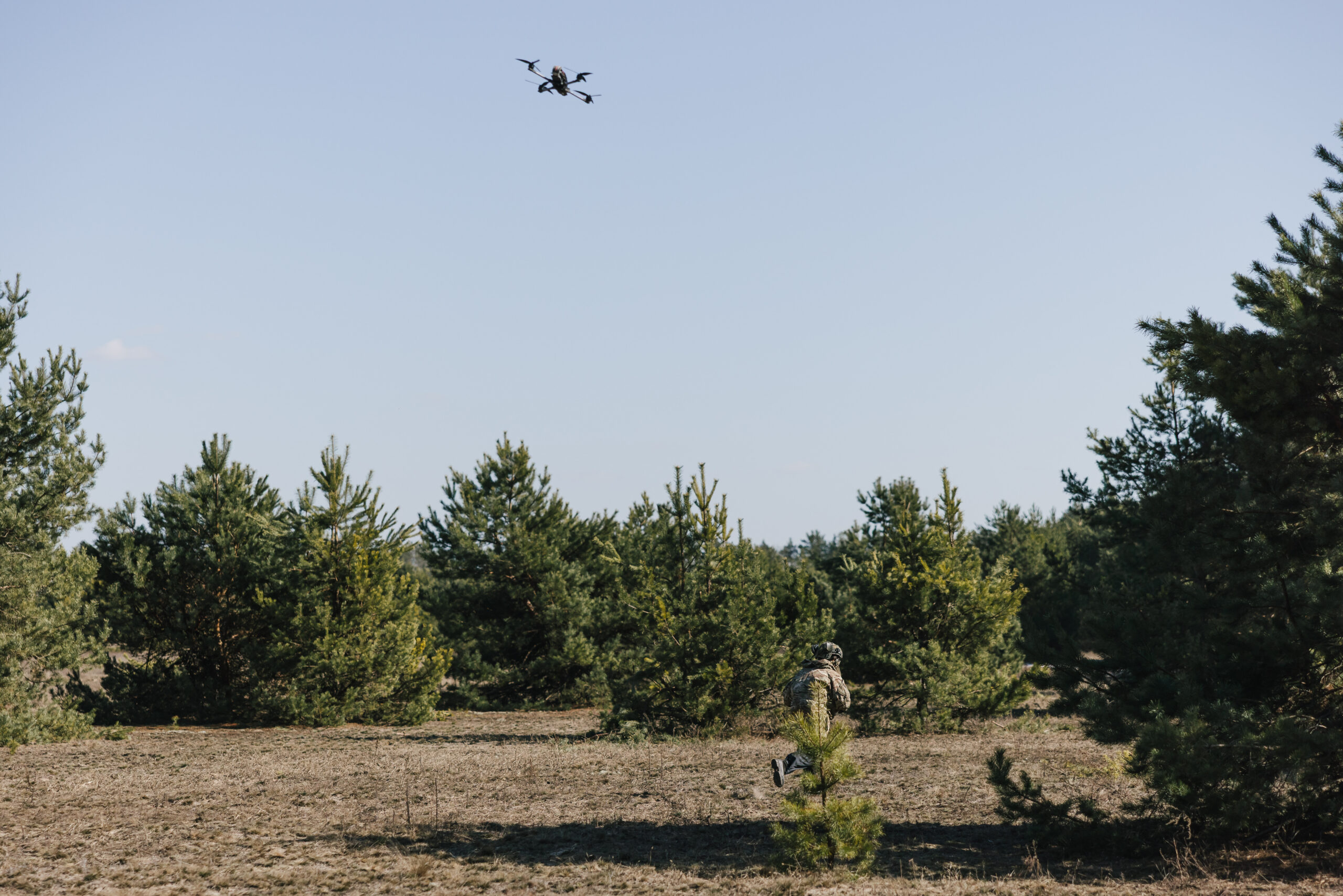
The deployment of inexpensive commercial unmanned aerial vehicles (UAVs)—primarily strike FPV drones and fiber-optic-controlled systems—inflicted significant losses in personnel and equipment on Israeli forces.
These weapons, adopted from the experience of the war in Ukraine and refined with the assistance of Iranian military engineers, threatened the tactical resilience of the IDF’s ground forces and forced the country’s military leadership to urgently seek solutions to address critical gaps in the defense system.
Analysis of combat operations and some casualties among Israeli military personnel
An analysis of combat operations in Israel’s border zone and rear areas between 2024 and 2026 indicates that Hezbollah’s unmanned aerial vehicles have evolved from an auxiliary surveillance tool into a highly effective, precision-strike weapon. Casualties were recorded both among ground units directly in the combat zone and at remote military facilities.
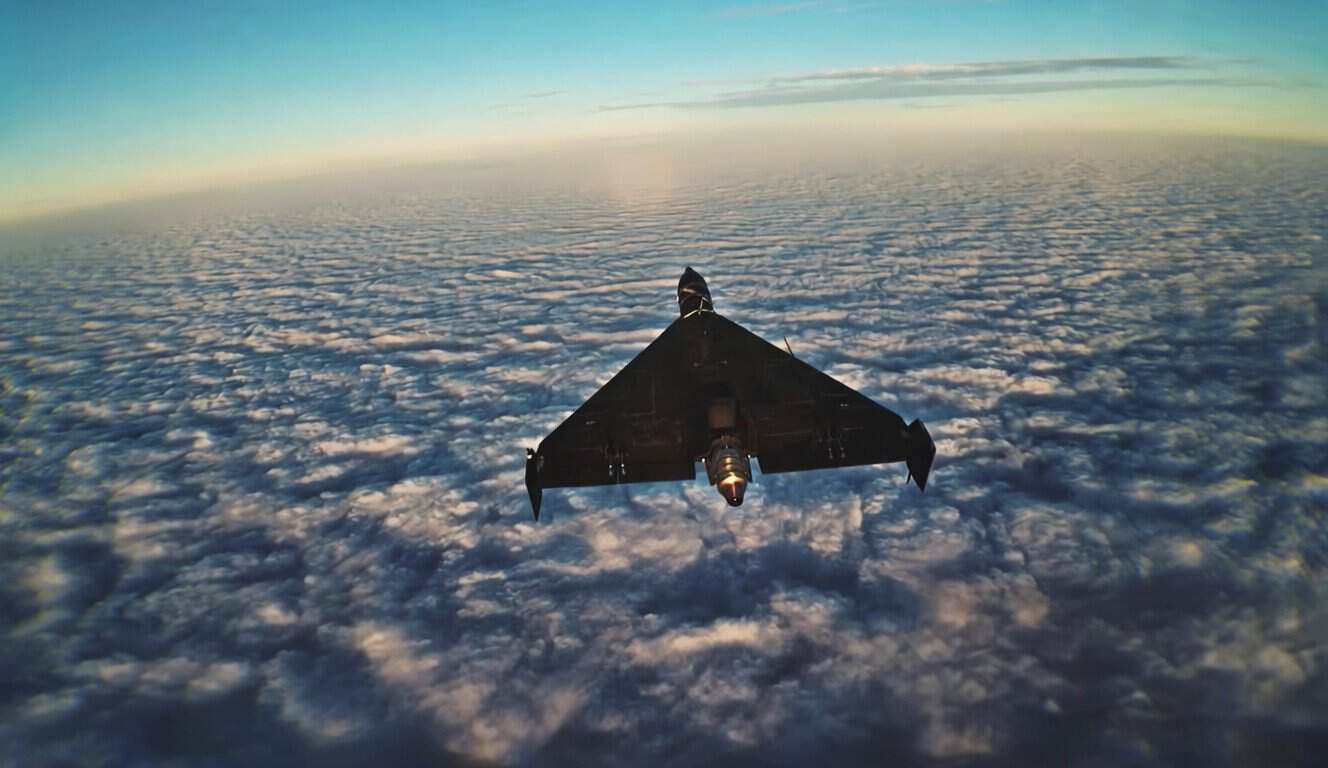
The most high-profile incident deep behind enemy lines was the strike on the Golani Brigade’s training base near the city of Binyamina on October 13, 2024. Hezbollah launched two Sayyad 107 drones from Lebanese territory, across the Mediterranean Sea. One drone was successfully intercepted by air defenses near Nahariya, while the second, despite attempts by Israeli fighter jets to pursue it, disappeared from radar screens and could not be located in time.
The drone struck the roof of the military base’s mess hall directly while recruits were having dinner. Four 19-year-old soldiers from the brigade were killed in the explosion: Sergeant Omri Tamari, Sergeant Yosef Hieb, Sergeant Yoav Agmon, and Sergeant Alon Amitai. More than 50 other soldiers sustained injuries of varying severity, primarily from shrapnel and the blast wave.

This incident sparked a wave of public outrage in Israel, as no air raid sirens sounded at the base when the drone approached. This incident garnered significant attention because it occurred after Hezbollah had breached the border and attacked Israel on October 8, 2023, and the Israeli government understood that it was in a state of active war with them.
Beginning in 2024, during the military campaign, the group’s kamikaze drones systematically struck Israeli armored vehicles and personnel directly in combat formations. On May 6, 2024, an attack UAV struck an IDF border outpost in the Metula area, killing two reservists—31-year-old Major Nachman Nathan Hertz and 31-year-old Major Dan Kamkagi.
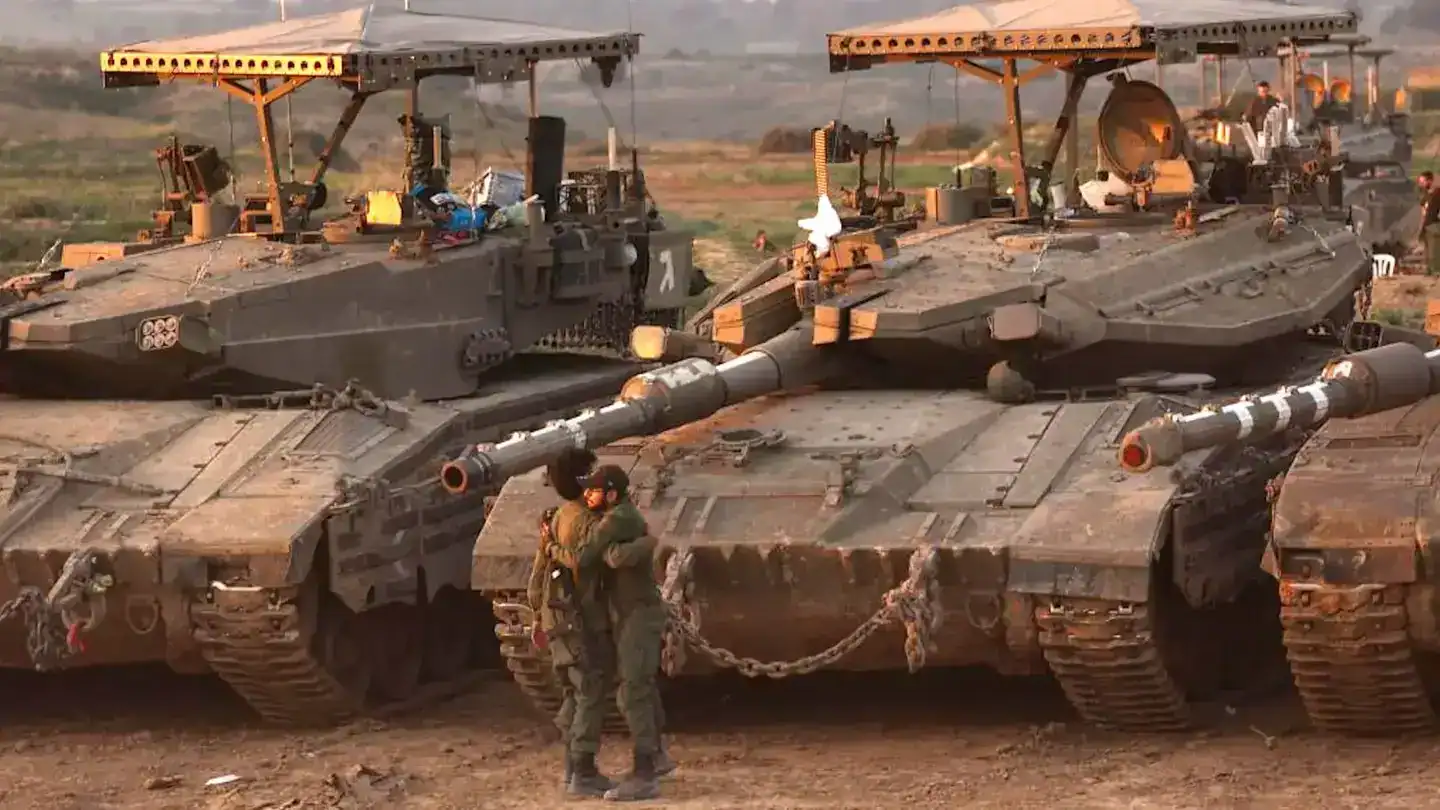
In 2026, several incidents that occurred between April and June received widespread attention. On April 26, 2026, the crew of a tank from the 77th Battalion of the 7th Armored Brigade was performing repair work at a position when it was attacked by an FPV drone equipped with explosives. As a result of the explosion, 19-year-old Sergeant Idan Fuchs was killed on the spot, and six other soldiers were seriously wounded. During the subsequent operation to evacuate the wounded by Air Force helicopter, the enemy employed a “double strike” tactic, launching two more drones. One of them was shot down with small arms, but the second exploded a few meters from the rescue team, miraculously causing no further casualties.

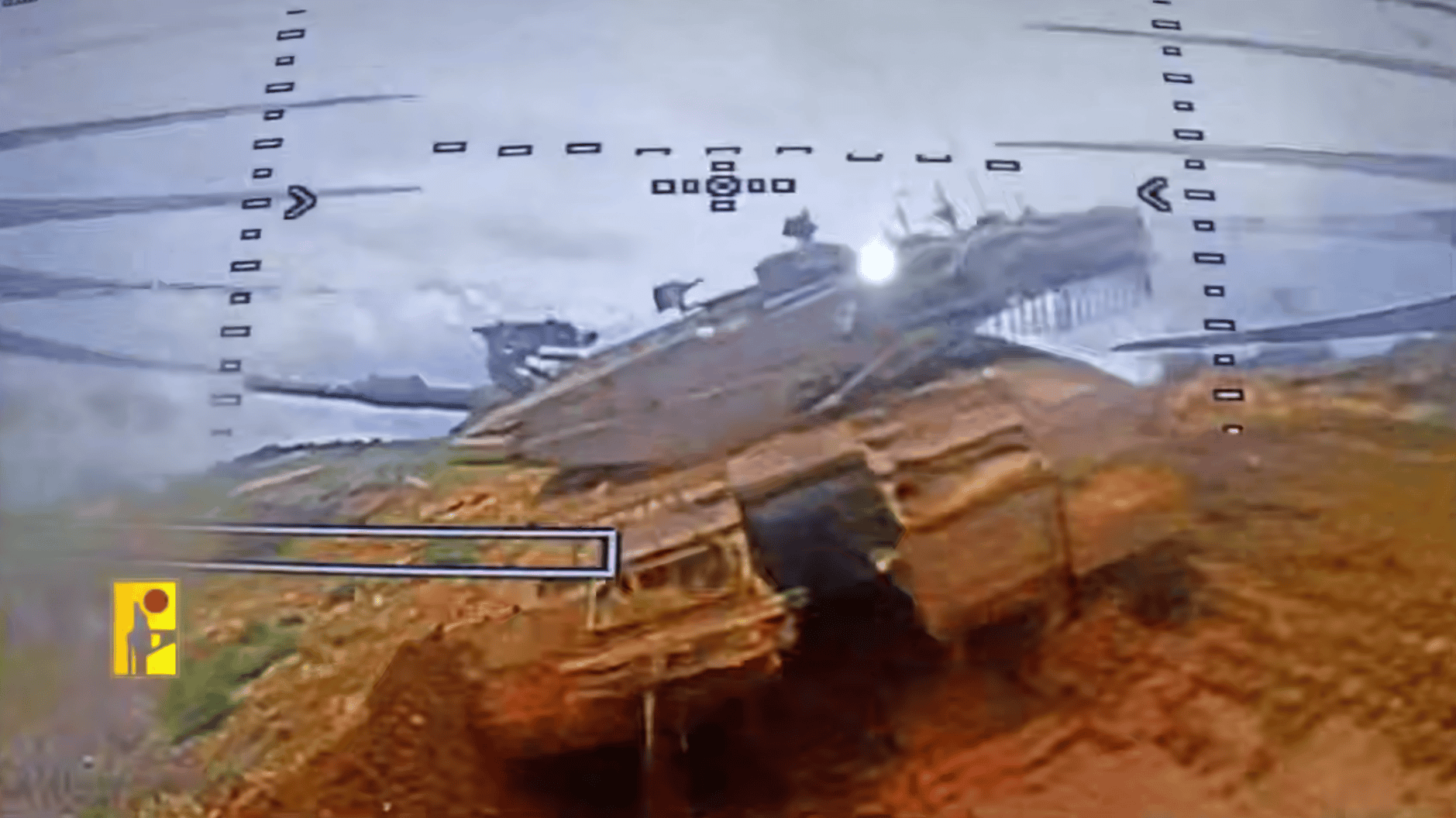
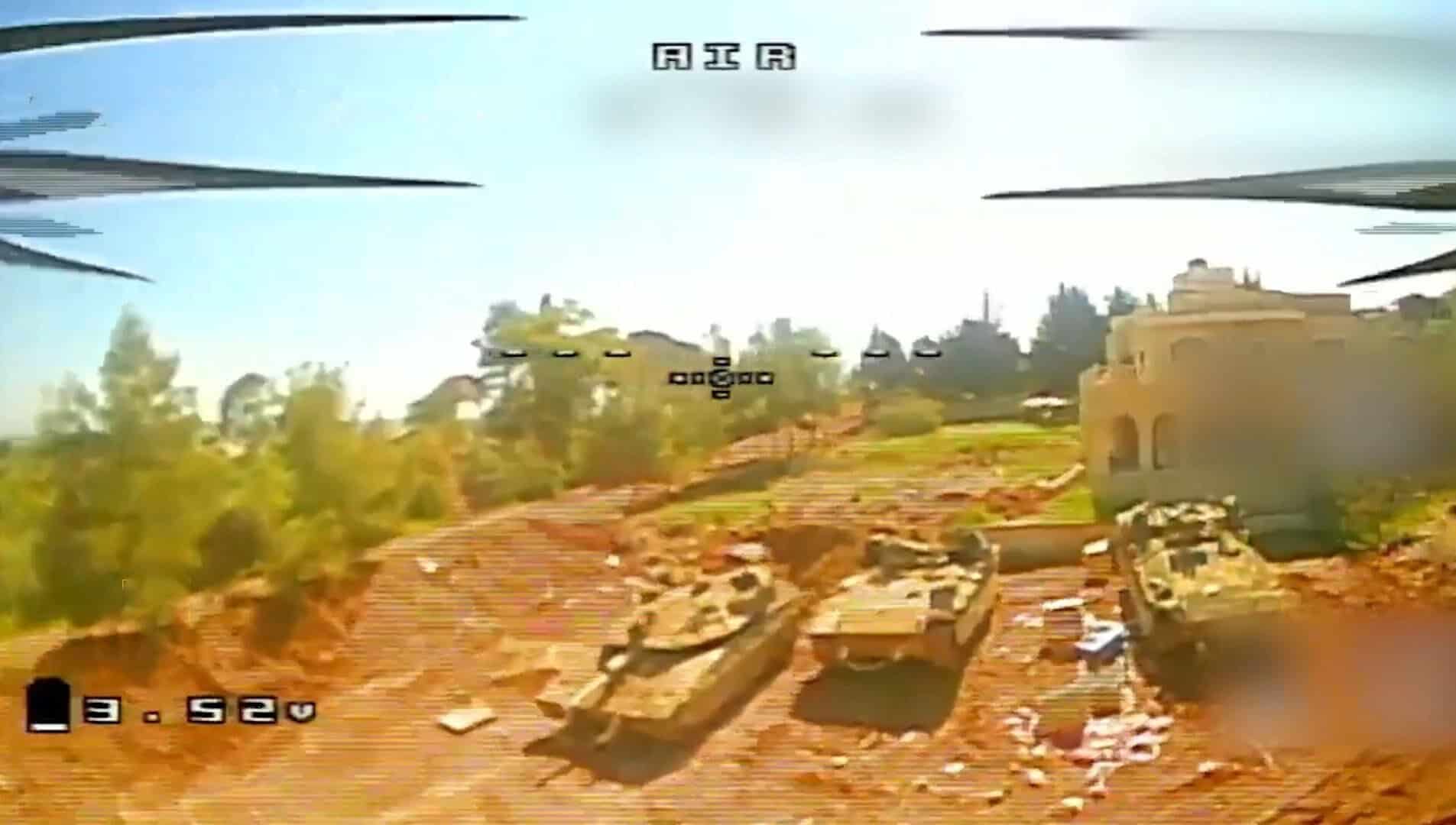
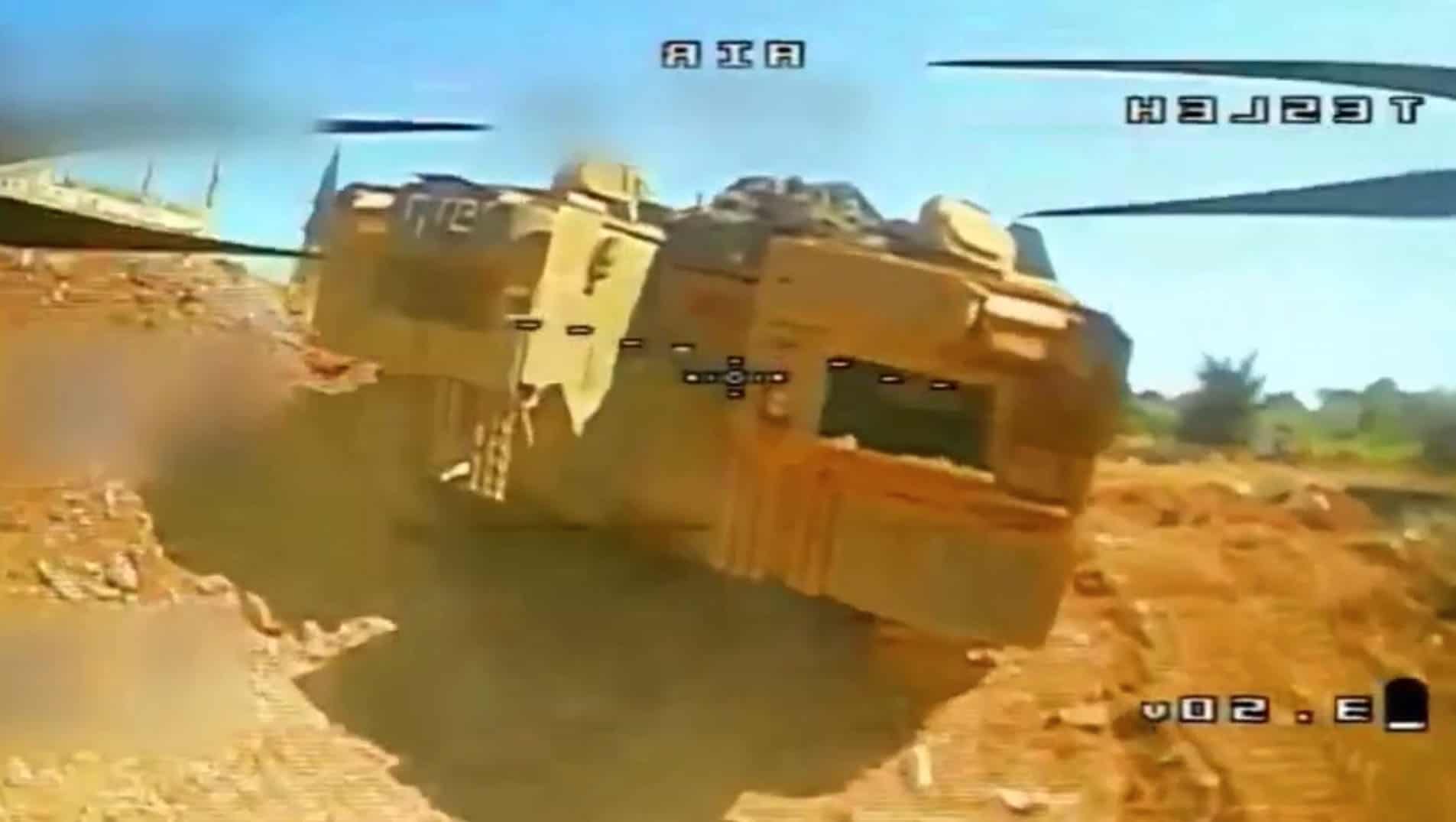
On May 1, 2026, a video of a Merkava Mk4M tank being hit by cage armor began circulating online; it was filmed by a strike FPV drone and used to objectively monitor the fire. However, according to reports, there were no fatalities or injuries at the time, and the tank itself, according to the analysis, was most likely hit in an isolated ammunition compartment, causing the ammunition to burn out without detonating.

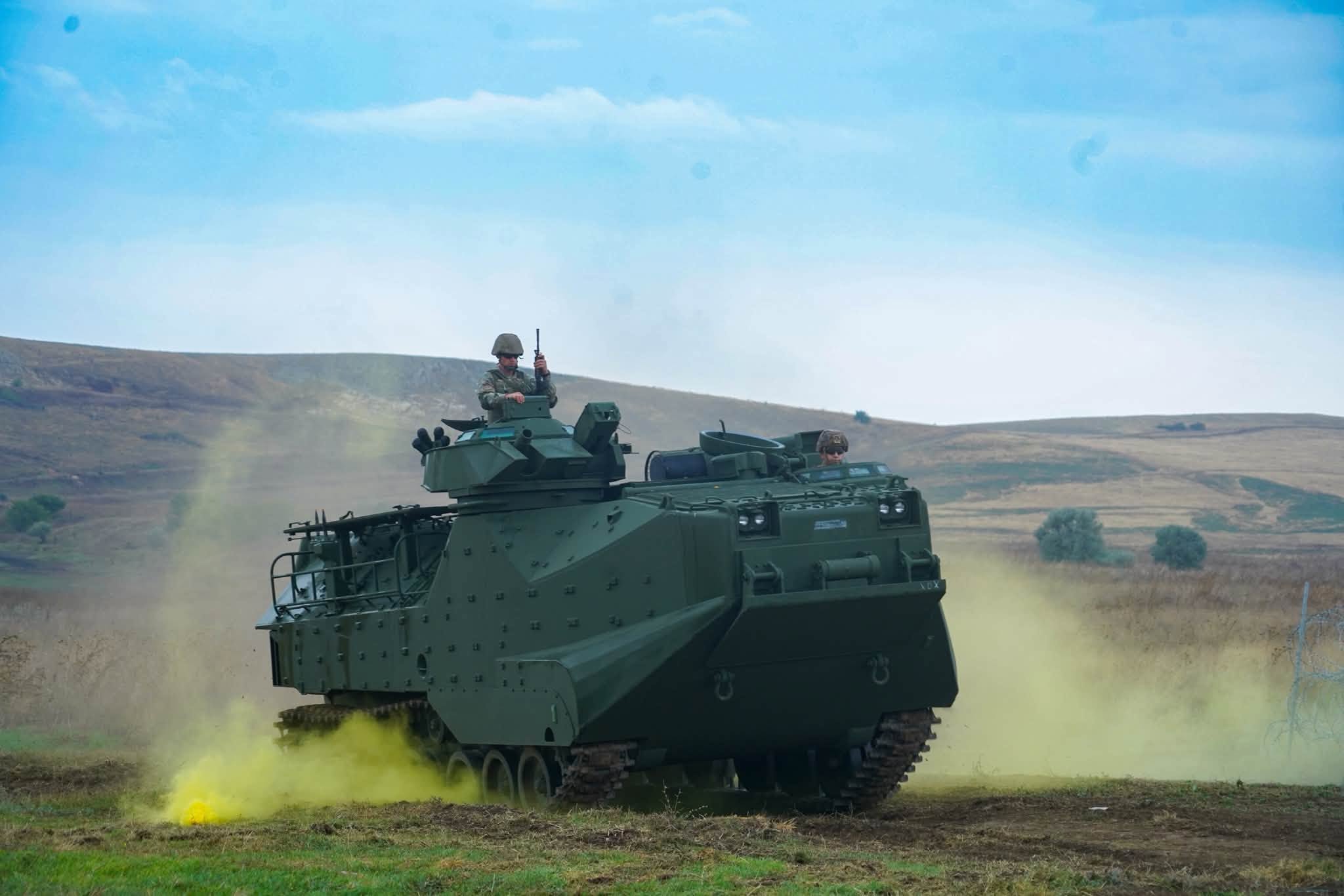
On May 24, 2026, on the outskirts of the village of Debel, a piloted drone struck an armored personnel carrier of the 601st Engineer Battalion while it was carrying out a combat mission. The vehicle’s driver, 19-year-old Sergeant Nehoray Leizer, was killed instantly. A powerful explosion partially destroyed the vehicle’s interior, prompting the command to launch an investigation into the drone’s combat unit’s ability to penetrate the armor of heavy military equipment.
On June 1, 2026, in the Zavtar al-Sharqiya area, two fiber-optic FPV drones attacked an armored vehicle belonging to the Shaked Battalion of the Givati Infantry Brigade. A direct hit resulted in the death of the battalion medic, 30-year-old Captain Dr. Ori Yosef Silvestre. Seven other soldiers were wounded, including the battalion commander, a lieutenant colonel.
A systematic registry of IDF personnel casualties from UAV strikes includes a number of tragic incidents that occurred between 2024 and 2026. On April 17, 2024, Reserve Major Dor Zimmel of the Etzioni Brigade died in a hospital after a kamikaze drone attacked a base in Arab al-Aramshe. On May 6, 2024, in the Metula area, Reserve Majors N. N. Hertz and D. Kamkagi of the Ground Forces were killed when a drone struck a border outpost directly. On June 5, 2024, in Hurfeish, Reserve Sergeant Rafael Kauders of the 5030th Battalion of the Alon Brigade was killed in an attack by two UAVs on a sports field when the air defense sirens failed to sound. On June 30, 2024, Reserve First Sergeant Ephraim Ben Amram of the Ground Forces was seriously wounded during a drone attack on a military base in northern Israel and subsequently died in the hospital on July 18, 2024.
On August 19, 2024, Chief Warrant Officer Mahmoud Amaria of the Northern Border Security Forces was killed instantly during a massive wave of kamikaze drone attacks in Israel’s Northern District. On August 25, 2024, First Class Sergeant David Moshe Ben Shitrit of the Navy sustained fatal injuries from shrapnel aboard a ship while shooting down a drone over the deck. On October 13, 2024, Sergeants O. Tamari, Y. Hieb, Y. Agmon, and A. Amitai of the Golani Brigade’s training battalion were killed at a base near Binyamina when a high-speed UAV struck the mess hall while they were eating.
In 2026, the tragic events continued. In May 2026, Captain Shahar Gamla of the elite Egoz Unit was seriously wounded by a drone explosion in southern Lebanon and later died in the hospital. On May 24, 2026, Sergeant Nehoray Leizer of the 601st Engineer Battalion was killed in the Debel area when a kamikaze drone attacked the crew compartment of his armored personnel carrier while it was on the move. On April 26, 2026, Sergeant Idan Fuchs of the 77th Battalion, 7th Armored Brigade, was killed when his tank crew was hit in the Taybeh area; the evacuation zone was subsequently subjected to renewed shelling. On June 1, 2026, in the Zavtar al-Sharqiya area, Captain Dr. Ori Yosef Silvestre of the Shaked Battalion of the Givati Infantry Brigade was killed during an attack by two fiber-optic drones on an armored vehicle. On the same day in southern Lebanon, Staff Sergeant Adam Tsarfati of the 212th Maglan Unit of the Commando Brigade was killed while carrying out a special mission as a result of a UAV strike.
The precondition of strategic unpreparedness
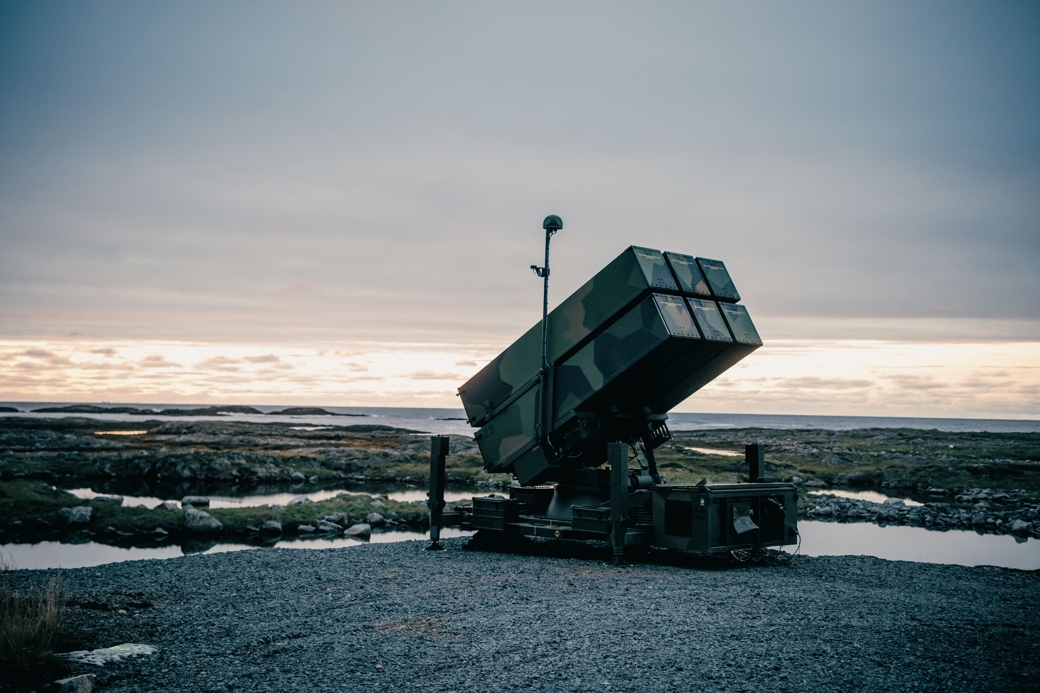
Israel has developed a highly effective missile and air defense system designed to intercept conventional threats: rockets, ballistic missiles, and cruise missiles. The ‘technological umbrella’ concept, based on the Iron Dome, David’s Sling, and Arrow systems, created the illusion of complete airspace security. However, defense planners operated under the false assumption that dominance in the electromagnetic spectrum automatically guarantees security.
Air defense systems proved ill-suited for detecting and tracking small, low-flying objects with an extremely small radar cross-section. Moreover, the radars’ artificial intelligence often classified slow-moving drones as birds, causing the automated systems to ignore them.
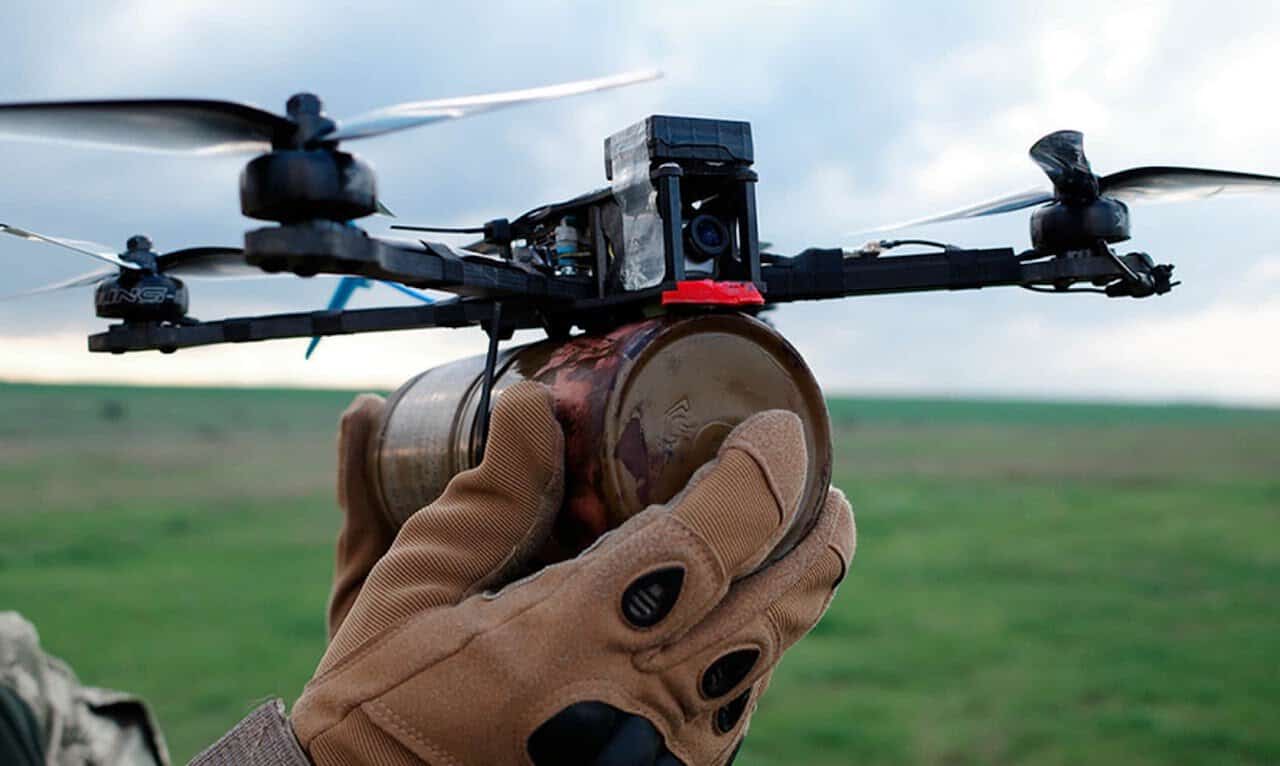
The evolution of FPV drone use and the emergence of the first fiber-optic-controlled models were documented in detail on the Ukrainian battlefield as early as 2024. Although Hezbollah had already begun adapting these technologies at that time, the Israeli General Staff failed to take timely measures to prepare its troops. The military command believed that the experience of conventional warfare in Eastern Europe was not relevant to an asymmetric conflict in the Middle East. Instead of developing large-scale kinetic interception systems and engineering defenses for equipment, the IDF continued to rely on electronic warfare stations, which were expensive and ineffective against the new drones.
The scale of this delay is evidenced by the fact that the Israel Ministry of Defense’s Directorate of Defence Research and Development issued its first public request for proposals to develop means of detecting and intercepting fiber-optic drones only on April 11, 2026 — by which time the Lebanese theater of operations had already become the site of the systematic destruction of Israeli armored vehicles and infantry. For a long time, Israeli military intelligence assessed the potential of fiber-optic drones as an exclusively tactical means of direct engagement with a limited range of up to several kilometers. This conclusion was based on the weight of the cable reel and the power of the electric motors. However, by optimizing the carrier’s weight and using ultra-lightweight cable models, Hezbollah demonstrated the ability to strike targets at distances of up to 15 kilometers. This expanded the danger zone far beyond the front lines, turning rear bases, repair areas, and evacuation sites into vulnerable targets.
The Israeli Army also faced an internal problem of disregard for security protocols. Despite strict bans in place since 2010, soldiers on the front lines continued to actively use civilian smartphones. This allowed Hezbollah’s electronic intelligence units to intercept signals, determine the exact coordinates of bases and strongholds, and guide drones to them. In addition, there have been documented instances of mid-level commanders downplaying the threat: for example, the commander of the Givati Infantry Brigade allowed a group of soldiers to enter the partially cleared town of Bint Jbeil to carry out ‘non-operational tasks,’ which, given the prevalence of drones in the air, posed a deadly threat.
Systemic transformation of IDF defense tactics
Realizing the depth of the crisis, the Israel Ministry of Defense and the IDF command launched a large-scale and urgent overhaul of the tactics and technical support for ground forces. Since conventional electronic warfare methods proved ineffective against wired systems, the focus shifted to the physical destruction of UAVs at close range.
To this end, they are rolling out Smart Shooter systems on a massive scale—automated, computerized targeting systems mounted on standard small arms, including Tavor and M4 rifles. These systems utilize artificial intelligence algorithms and optical target recognition. They independently calculate lead for firing at moving targets and prevent the trigger from being pulled until the line of sight precisely aligns with the drone’s flight path. This allows an ordinary soldier to shoot down high-speed quadcopters with their very first shots.

At the same time, engineering measures are being taken to protect military equipment: metal cage armor—known as ‘cage armor’—and special nylon nets are being urgently installed on all Merkava tanks, Namer heavy armored personnel carriers, and D9 bulldozers. The purpose of these structures is to mechanically intercept the drone before it collides with the vehicle’s hull, entangle its propellers, and cause the cumulative charge to detonate prematurely at a safe distance from the main armor.
In addition, large batches of smoothbore shotguns and special fragmentation ammunition were urgently procured for frontline units. They create a dense cloud of small projectiles that are guaranteed to destroy the plastic parts and propellers of quadcopters, rendering them uncontrollable.
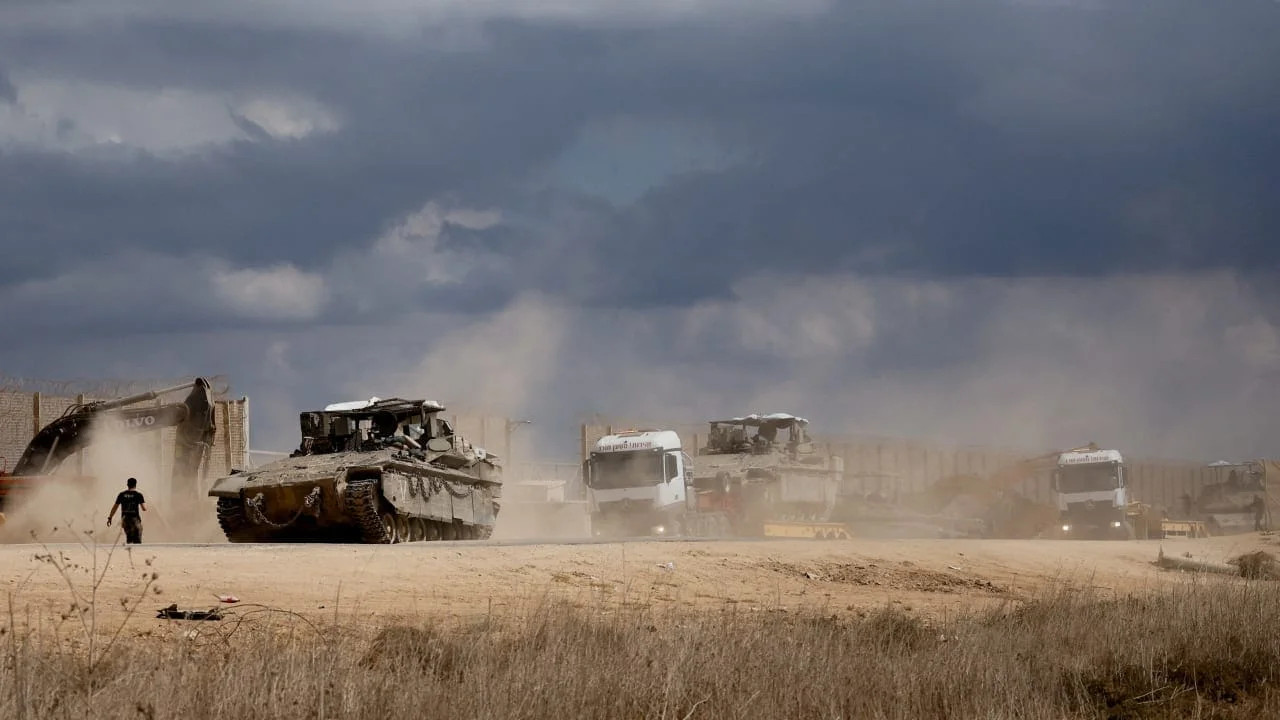
The changes also affected the immediate conduct of troops in the combat zone. The command has implemented strict light and radio concealment discipline: personnel on the front lines are prohibited from turning on any mobile devices under threat of court-martial. Movements are carried out primarily at dusk or in conditions of poor visibility, when visual guidance of FPV drones is significantly more difficult.
At the same time, the practice of leaving equipment for extended periods in open repair areas near the border has been discontinued. Any damage to a tank or armored personnel carrier requires the vehicle to be immediately towed deeper into Israeli territory under the cover of protected caponiers. This helps prevent follow-up ‘double-strike’ attacks on evacuation teams.
Increasing the depth of the buffer zone has also become a critical step. The enemy’s possession of drones with a range of up to 15 km has forced the IDF to revise its planning concept for the buffer zone in southern Lebanon. Whereas a depth of 11 km was previously considered safe, the command is now forced to plan for pushing enemy forces back at least 20 km from the Israeli border. This significantly increases the scale of the necessary ground operation and requires the deployment of additional brigades to control the expanded territory.
Conclusion
The IDF’s military clash with Hezbollah’s unmanned systems has clearly demonstrated that, in modern warfare, possession of expensive space technologies, fourth- and fifth-generation aircraft, and strategic air defense systems does not guarantee automatic victory over a tactically flexible and technologically adaptive adversary.
Hezbollah managed to use commercial dual-use technologies to create cheap but deadly weapons that temporarily disrupted Israel’s security paradigm. To restore the balance of power, Israel is forced to abandon its doctrinal superiority and embark on a path of rapid military adaptation, where defense against cheap plastic drones becomes just as much of a priority as intercepting ballistic missiles.
The success of this transformation will directly determine Israel’s ability to secure its northern borders and guarantee the safety of its citizens in the future.






Visits by Senior Washington Officials to Moscow: The Factors Driving the Kremlin’s Rejection of the White House’s Proposals
In late August and early September 2026, three senior U.S. officials visited Moscow, marking a level of concentrated contact in U.S.-Russian relati...

Washington Backs Syria’s Emergence as an Independent Actor in the Islamic World and Its Reintegration into the Western Sphere
On August 24, 2026, the United States revoked Syria's designation as a state sponsor of terrorism, a status the country had carried since 1979. The...
