
Attacks on Wildberries Warehouses: What Do Russian Banks Have to Do With It?

Dmytro Shumlianskyi
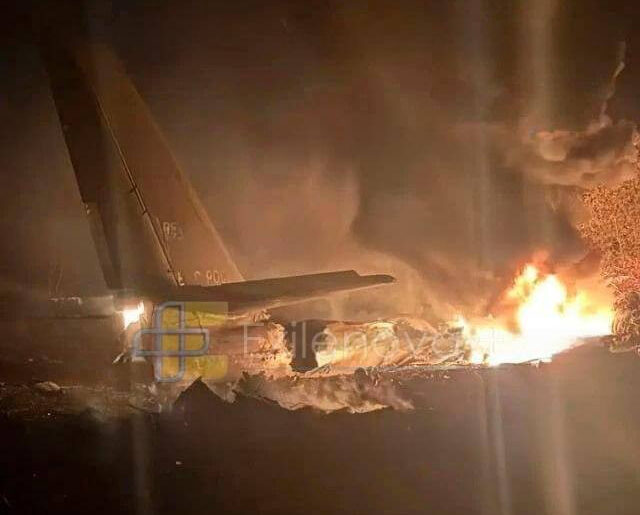
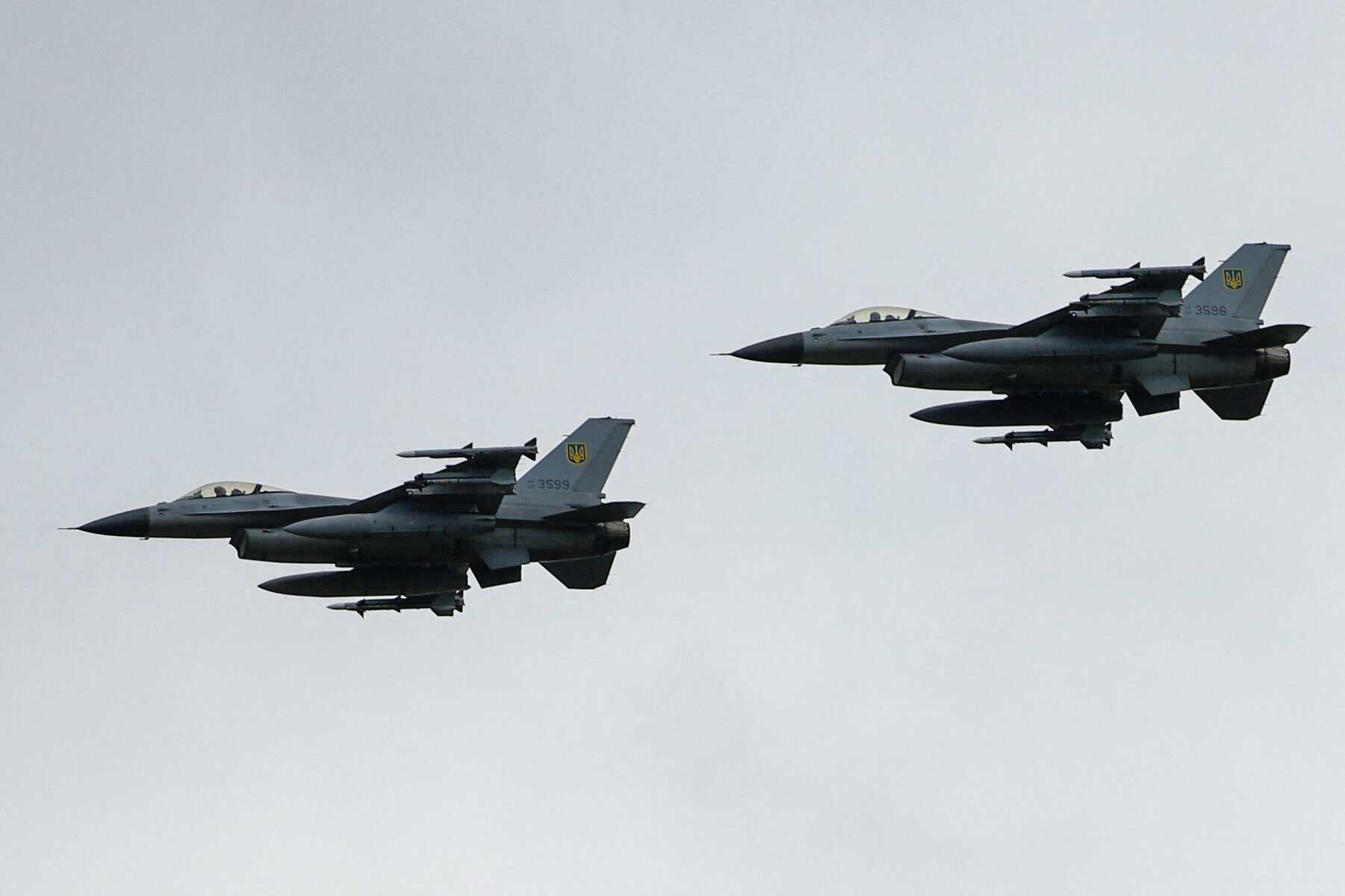
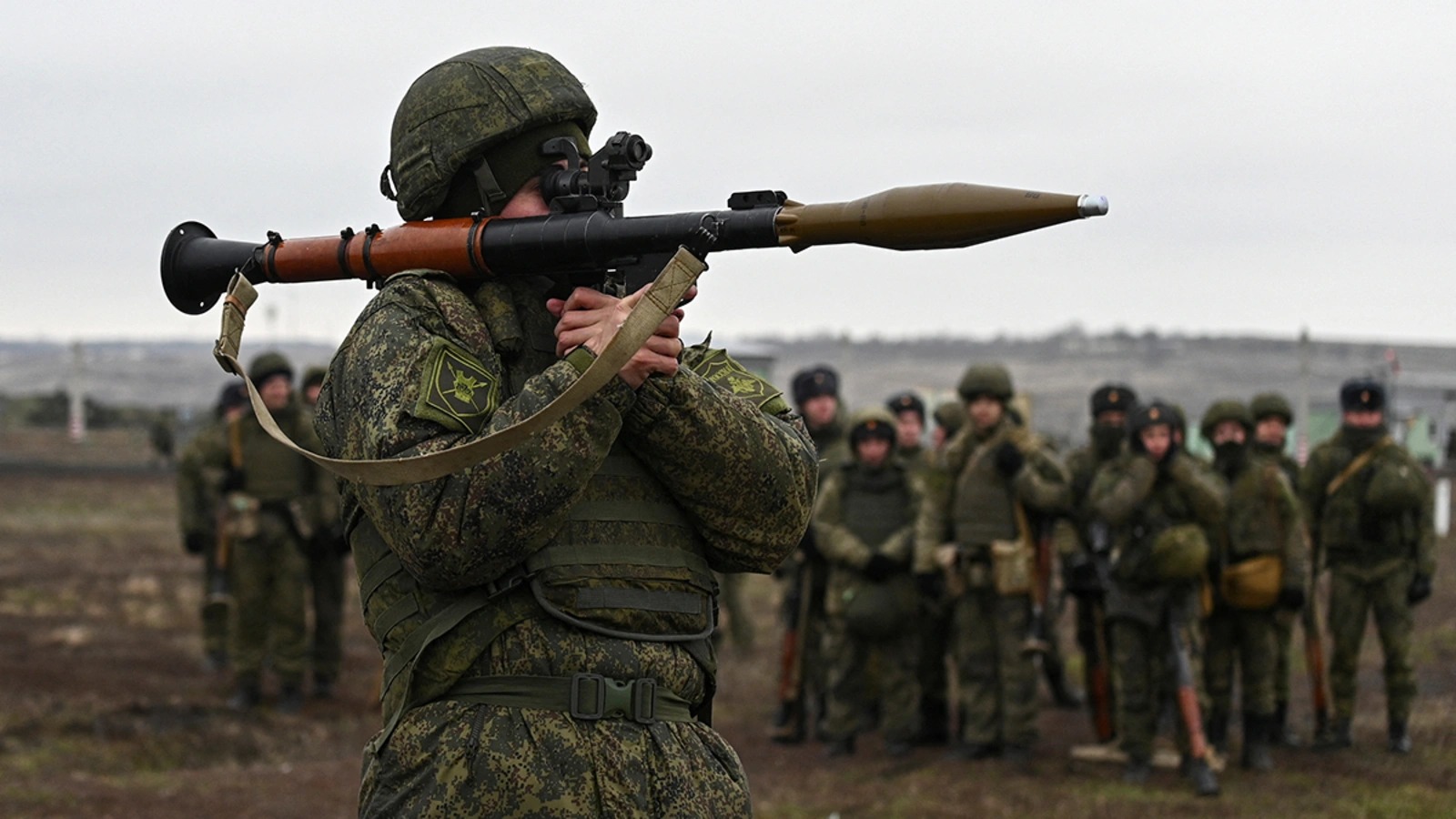


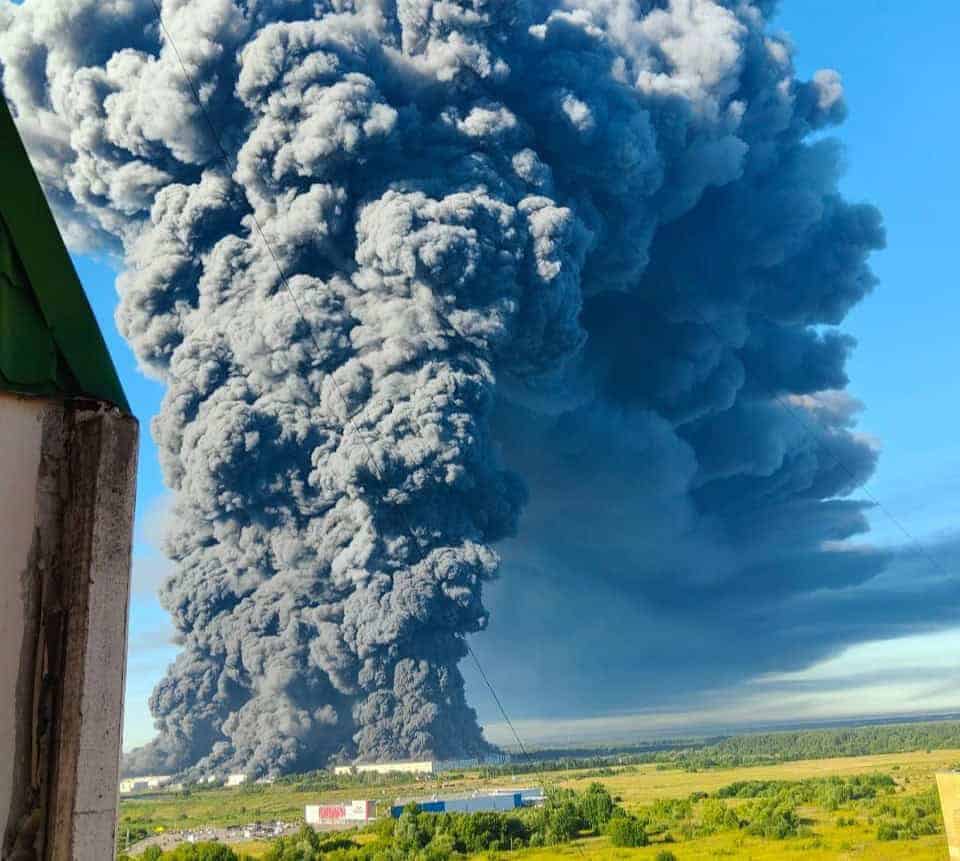
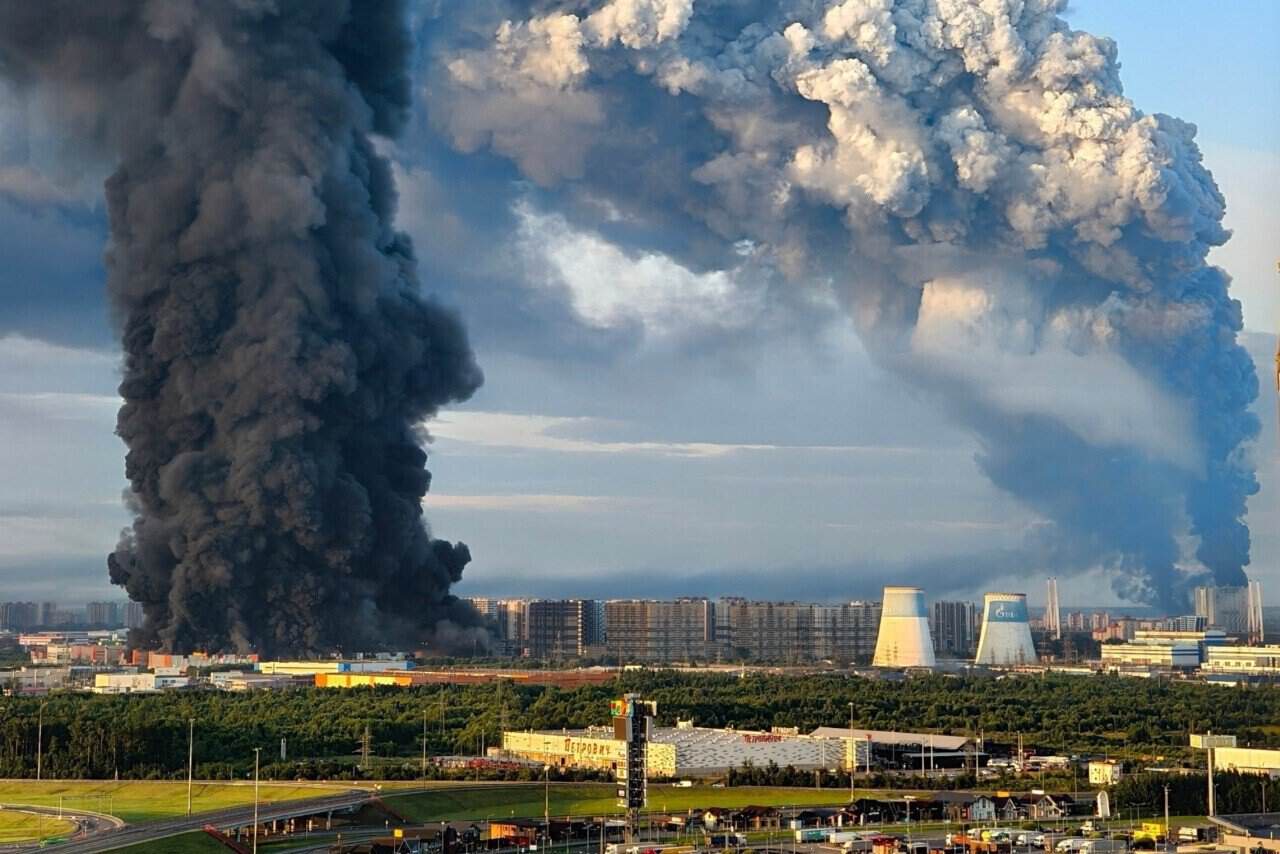
Since July 18, Ukrainian drones have been systematically targeting Wildberries logistics facilities in various regions of Russia.
The strikes have hit facilities in the Moscow, Tambov, Penza, Samara, Vladimir, Leningrad, Tula, and other regions, as well as in the Krasnodar and Stavropol Krais and occupied Crimea.
As of August 7, the attacks had affected at least 21 Wildberries facilities. Eight of the company’s 15 largest logistics centers had not resumed operations, while the total area of damaged or destroyed warehouses had reached at least 1.18 million square meters – more than one-fifth of the company’s logistics capacity.
Wildberries is not simply an online marketplace, but one of Russia’s largest logistics and financial systems. It connects hundreds of thousands of sellers, millions of customers, a network of large warehouses and sorting centers, its own bank, and debt obligations to the country’s largest state-owned financial institutions.
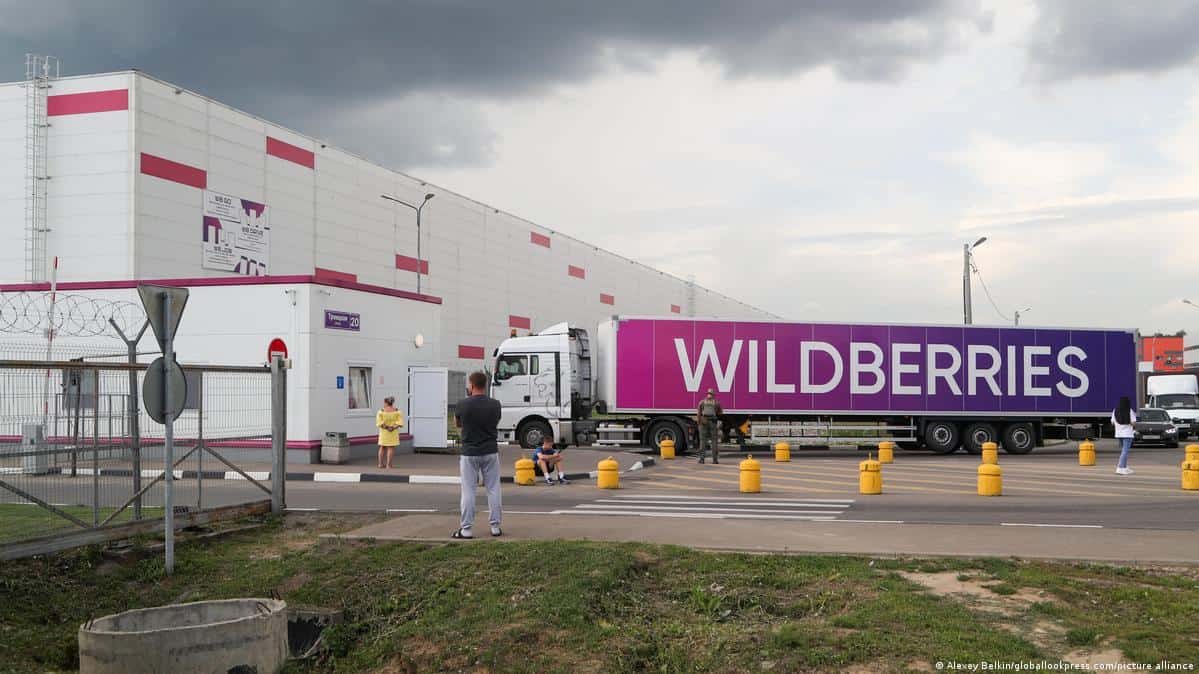
Therefore, the destruction of a warehouse causes losses that go far beyond the value of the building and the goods inside. They affect sellers, their creditors, the marketplace itself, and ultimately the state. It is precisely this ripple effect that makes Wildberries a particularly vulnerable target.
Wildberries’ Role in Russian Military Logistics
The platform has become an important part of the system of decentralized supply for Russian military units. Goods are purchased through the marketplace either directly by military personnel using their own money or by Russian volunteers.
Russian military personnel use Wildberries to order first-aid kits, tourniquets, radios, body armor, night-vision devices, generators, tools, vehicle spare parts, satellite terminals, components for drones, and more.
The company’s pickup points operate in occupied Crimea, while orders are delivered through partner services to Donetsk, Luhansk, Mariupol, and Melitopol.

Before the start of the large-scale attacks, the website featured a section called “Everything for the Special Military Operation” with dual-use goods. Moreover, some product listings carried labels such as “Tested in the Special Military Operation” and “Choice of Special Military Operation Fighters.” The section disappeared after the strikes began, although the products themselves remained available for sale.
Why Large Warehouses Have Become a Vulnerability
The RWB Group, which includes Wildberries, reported that by the end of 2025 it operated more than 200 logistics facilities with a combined area of 5.2 million m². However, unlike another major marketplace, Ozon, the network is centered around approximately 25 large warehouses. These are where sellers store a significant portion of their inventory, while the marketplace receives, sorts, packs, and ships orders.
This is the Fulfillment by Operator model. It allows large inventories to be concentrated near major markets, reducing delivery times and lowering the cost of each order. Wildberries’ algorithms also prioritize products that are already stored in the company’s warehouses. For sellers, this means faster sales; for the marketplace, greater turnover.

Under peacetime conditions, concentrating goods provides economies of scale. During regular air attacks, however, it becomes a vulnerability: a strike on a single facility can simultaneously destroy the building, equipment, and inventories belonging to thousands of businesses, while also overloading neighboring centers.
Large warehouses are also difficult to protect, and fires in them are difficult to extinguish. Shelving, wooden pallets, cardboard packaging, and plastic film can fuel the rapid spread of fire across tens of thousands of square meters. For example, in Samara Region, a fire destroyed 160,000 of the complex’s 180,000 m².
Direct Losses Are Only the Beginning
According to an expert in the Russian warehouse real estate market, restoring RWB facilities would cost approximately 70,000 rubles per square meter, excluding VAT. Applying this benchmark to the 1.18 million m² of damaged or destroyed space known as of August 7 gives an estimated restoration cost of approximately 82.6 billion rubles, excluding VAT.
This calculation does not account for lost goods, equipment, automation systems, downtime, or disruptions to logistics. As a result, Wildberries’ total direct losses alone could exceed 100 billion rubles.
At first glance, the company appears capable of absorbing losses of this scale. In 2025, the group reported 6.1 trillion rubles in turnover and 175 billion rubles in net profit. However, in this case, turnover refers to the total value of goods and services sold through the group’s platforms, not its own revenue. RWB LLC, the group’s main operating company, reported 1.1 trillion rubles in revenue and 55.3 billion rubles in net profit, according to Russian financial statements.
Meanwhile, RWB invested heavily in warehouses and new business lines: in 2025, the group’s capital expenditures exceeded 310 billion rubles. This expansion was financed primarily through borrowing. Over the year, short-term borrowings of the main operating company, RWB LLC, increased almost eightfold, from 104 billion to 801.7 billion rubles. Another 28 billion rubles consisted of long-term liabilities.
Meanwhile, two sources in the e-commerce market told The Bell that Wildberries’ total debt at the end of 2025 was approximately 1.3 trillion rubles. More than 500 billion rubles, or at least 38% of this amount, may have been owed to the VTB state-owned bank.
The indirect effect is no less important. Wildberries receives payment from the customer immediately but transfers the funds to the seller later. As long as turnover continues to grow, this timing gap provides the company with inexpensive working capital. According to estimates from The Bell’s sources, falling sales and an exodus of sellers could reduce this cash flow. The marketplace would then have to either raise more expensive external financing, cut costs, or slow down payments to its partners.
Losses Are Passed on to Sellers
The goods stored in the warehouses mostly belong not to Wildberries but to third-party sellers. According to an estimate by Data Insight, their potential losses as of August 2 amounted to 214.9–279.6 billion rubles. The number of affected entrepreneurs could reach several hundred thousand.
Wildberries does not assume an obligation to fully compensate for these losses. The new version of Offer No. 98 came into effect on July 7—11 days before the first large-scale attack. It classified the consequences of the use of UAVs, military equipment, ammunition, shelling, and explosions as force majeure circumstances, exempting the marketplace from liability for lost goods.
Instead, the company is making voluntary payments using what it calls a “sales simulator.” Wildberries promises to make payments at the rate at which the goods supposedly would have been sold had the strikes not occurred. The calculation methodology is opaque. Entrepreneurs interviewed by Forbes received amounts that in some cases covered only a few percent of their losses, while in others they corresponded neither to the cost price nor to the retail price of the goods.
Since August 7, Wildberries has also included damage or loss caused by sabotage and UAV attacks in its voluntary order insurance. The seller pays for it: the rate has increased to 1.96–5.6% of the value of the goods. The insurance coverage applies after an order is placed, during delivery, storage at a pickup point, and reverse logistics. It does not cover the ordinary storage of unsold inventory at a large warehouse. The maximum payout is 50,000 rubles per item and 100,000 rubles per insured event.
Thus, the war-related risk is shifted onto sellers in three ways: through the absence of guaranteed full compensation, paid insurance for future orders, and the need to replenish inventory at their own expense. Entrepreneurs will pass some of these costs on to consumers through higher prices, while those who purchased goods on credit will turn to banks to seek debt restructuring.
How Sellers’ Problems Spill Over to Banks
For a seller, the destruction of inventory means more than just a loss of assets. They also lose future revenue that would have been used to pay taxes, rent, wages, and debts. If the goods were purchased with borrowed funds, the entrepreneur is left with a debt but no asset whose sale was supposed to repay it. As of August 7, Sberbank had received around 2,000 applications for loan restructuring from affected Wildberries sellers – nearly seven times more than at the end of July.
On August 10, the Bank of Russia recommended that lenders restructure loans to small and medium-sized businesses affected by attacks on logistics centers, warehouses, and other facilities. The regulator urged banks not to impose fines or penalties, demand early repayment, or increase interest rates.
Another channel of risk is RWB’s own debt. Russian authorities are already discussing preferential loans, tax holidays, and relaxed reserve requirements for restructured loans. The state is unlikely to allow the system to collapse, given that hundreds of thousands of entrepreneurs and a significant share of retail trade depend on it.
However, a bailout does not eliminate the loss; it merely changes who bears it. If Wildberries does not compensate for the goods, the seller absorbs the loss. If the seller cannot repay the loan, the bank absorbs it. If the bank or the company receives preferential financing, part of the risk and the need for funding shift to the Bank of Russia and the state budget.
This process is unfolding at a time when Russian banks are already facing a shortage of available ruble liquidity. Since the beginning of 2026, the amount of cash in circulation has increased by more than 2 trillion rubles, including 620.9 billion rubles in the first 30 days of July alone. The movement of funds from bank accounts into cash reduces the resources available to financial institutions. According to the Bank of Russia, on August 6 the structural liquidity deficit reached 2.514 trillion rubles, the highest level since spring 2022.

This is particularly important for the Russian budget, whose deficit reached 5.73 trillion rubles in the first half of 2026. The Ministry of Finance had planned to raise 4.4 trillion rubles on the domestic market, primarily through Federal Loan Bonds (Obligatsii Federalnogo Zaima).
“You can buy Federal Loan Bonds (Obligatsii Federalnogo Zaima) when you have spare liquidity and are confident you will have it. Today, the situation is the opposite,” explained Taras Skvortsov, Deputy Chairman of the Management Board and CFO of Sberbank.
According to him, banks have enough funds for their core business – lending to customers – but not enough to purchase government bonds without an additional premium or support from the Bank of Russia.
This is where Wildberries’ losses intersect with broader problems in Russia’s financial system. Banks simultaneously need to lend to businesses, restructure the debts of troubled borrowers, build reserves, and purchase Federal Loan Bonds (Obligatsii Federalnogo Zaima) to finance the budget deficit. Each new demand competes for the same limited pool of rubles and capital.
Could the Strikes Trigger a Banking Crisis?
The strikes on Wildberries alone are unlikely to bring down Russia’s banking system. The company can lease new facilities, relocate inventory, expand its FBS model, and obtain preferential loans.
The Bank of Russia can provide banks with additional liquidity, while the government can offer tax breaks, guarantees, and direct subsidies. This is how the Russian state has already supported large troubled companies and prevented their debts from immediately turning into visible losses for banks.
However, such resilience comes at a cost. Decentralized logistics are more expensive, insurance increases sellers’ costs, restructurings tie up banks’ funds, and new loans to Wildberries divert resources away from other borrowers. If the assistance is financed by the state, it increases government spending at precisely the time when the Ministry of Finance is finding it increasingly difficult to raise money through Federal Loan Bonds.




Visits by Senior Washington Officials to Moscow: The Factors Driving the Kremlin’s Rejection of the White House’s Proposals
In late August and early September 2026, three senior U.S. officials visited Moscow, marking a level of concentrated contact in U.S.-Russian relati...

Washington Backs Syria’s Emergence as an Independent Actor in the Islamic World and Its Reintegration into the Western Sphere
On August 24, 2026, the United States revoked Syria's designation as a state sponsor of terrorism, a status the country had carried since 1979. The...

A Sharp Shift in the Dynamics of Global Confrontation Forces Washington to Rethink How It Builds Its Key Partnerships
On September 12–13, 2026, the 18th BRICS Summit was held in New Delhi. Xi Jinping traveled to India to lead the Chinese delegation, marking his fir...
