


Popular
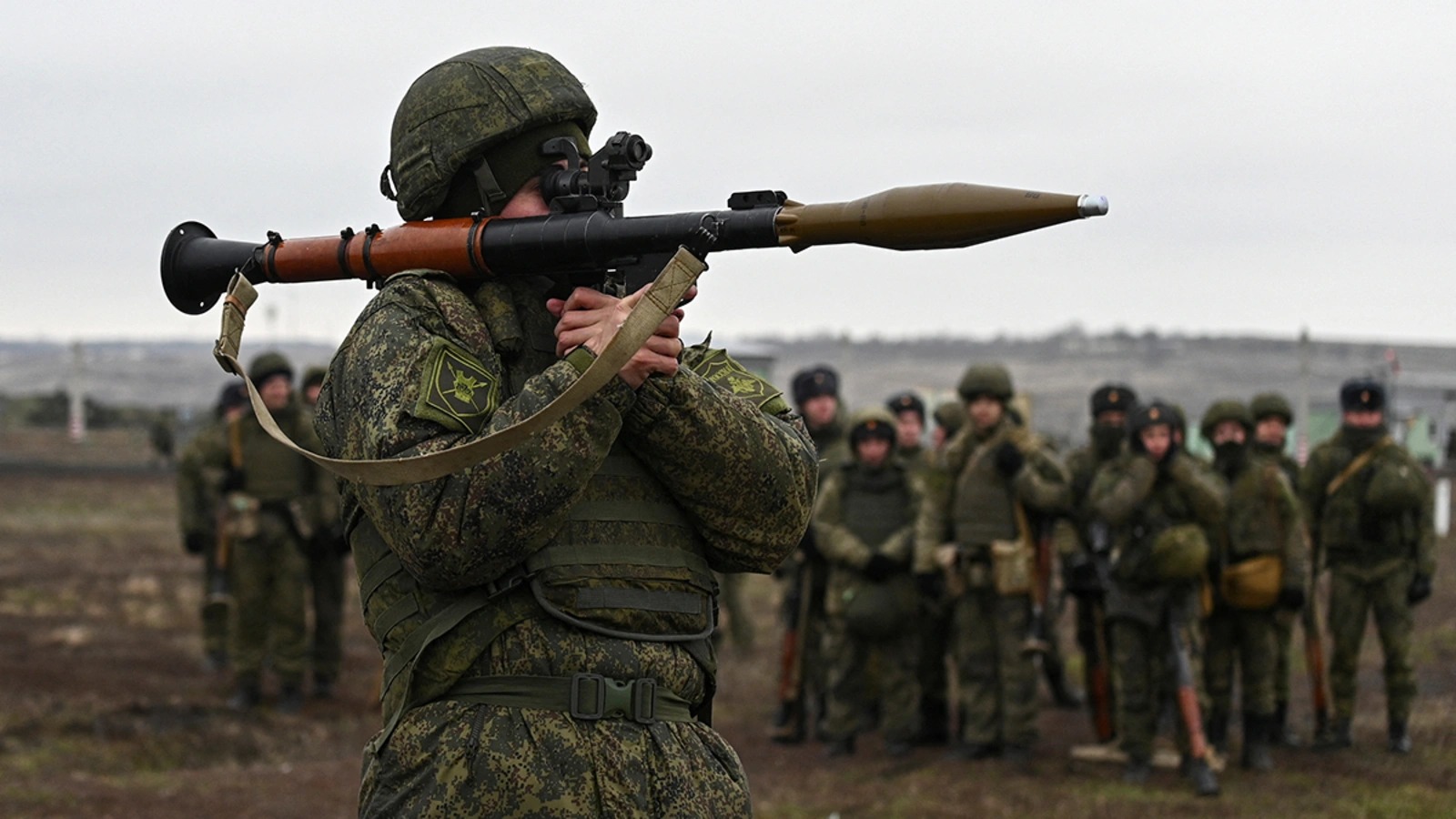
For the fourth time since the beginning of 2026, Russia has increased the standing strength of its Armed Forces—this time by 15,500 service members.
Vladimir Putin signed the corresponding decree on September 28. As of now, the authorized strength of the aggressor nation’s army stands at 2,441,630 personnel, including 1,550,500 active-duty service members.
Before the July increase, the Russian army had 2,426,130 authorized positions, including 1,535,000 service members.
This marks the seventh increase in the authorized strength of the Russian Armed Forces since the start of the full-scale invasion of Ukraine.
Throughout 2026, the Kremlin repeatedly revised the authorized strength of the Russian Armed Forces. In March, the total strength of the army increased to 2,391,770 personnel; in June, it rose to 2,399,130, of whom 1,510,000 were active-duty military personnel.

In July, Putin increased the number of active-duty service members by another 25,000—to 1,535,000.
At the time, Russian authorities explained the increase by citing the creation of military construction units tasked with building defensive lines, fortifications, and military infrastructure.
Militarnyi has already noted that deploying such units could be an indicator of preparations for further expansion of the army, since the new formations must be provided with housing, bases, and other infrastructure.
This is happening against the backdrop of reports about a possible new wave of mobilization in Russia. In August, Ukrainian President Volodymyr Zelensky stated that after the elections to the Russian State Duma, Moscow could mobilize about 300,000 people.
At the same time, the pace of contract enlistment in Russia is slowing. From January through August 2026, approximately 234,000 people signed contracts with the Russian Ministry of Defense—26,000 fewer than during the same period last year.
Separately, Russian authorities are strengthening their military registration tools: this summer, the Russian Ministry of Defense and the Russian National Guard gained access to data from civil registry offices, and in September, reports emerged of reservists being restricted from traveling abroad after their data was entered into electronic registries.

An increase in authorized personnel strength does not, by itself, signal a new mobilization; however, it creates the legal and organizational framework for later filling new authorized positions with military personnel.
Підтримати нас можна через:
Приват: 5169 3351 0164 7408 PayPal - [email protected] Стати нашим патроном за лінком ⬇
Subscribe to our newsletter
or on ours Telegram
Thank you!!
You are subscribed to our newsletter