




Popular

NATO has failed to fulfill the commitment it made three years ago at the Vilnius summit to permanently deploy air defense systems in the Baltic states on a rotational basis.
The main reason for the breakdown of the agreements was a chronic shortage of such weapons in Europe and the priority need to transfer these systems to Ukraine, according to LRT.
According to the original plan, the air defense systems were to be stationed in Lithuania, Latvia, and Estonia continuously, with allied countries simply taking turns. In practice, however, the rotational model has been reduced to short-term exercises.
Specifically, in 2024, the Netherlands deployed Patriot systems in Lithuania for only ten days, and in 2025, Italy made a similarly brief visit. A similar situation involving a lack of permanent coverage has also been observed in Latvia and Estonia.
Military officials within the alliance acknowledge that NATO currently possesses only about 5% of the capabilities needed to fully protect its entire eastern flank. The lack of equipment remains the main challenge for the region.
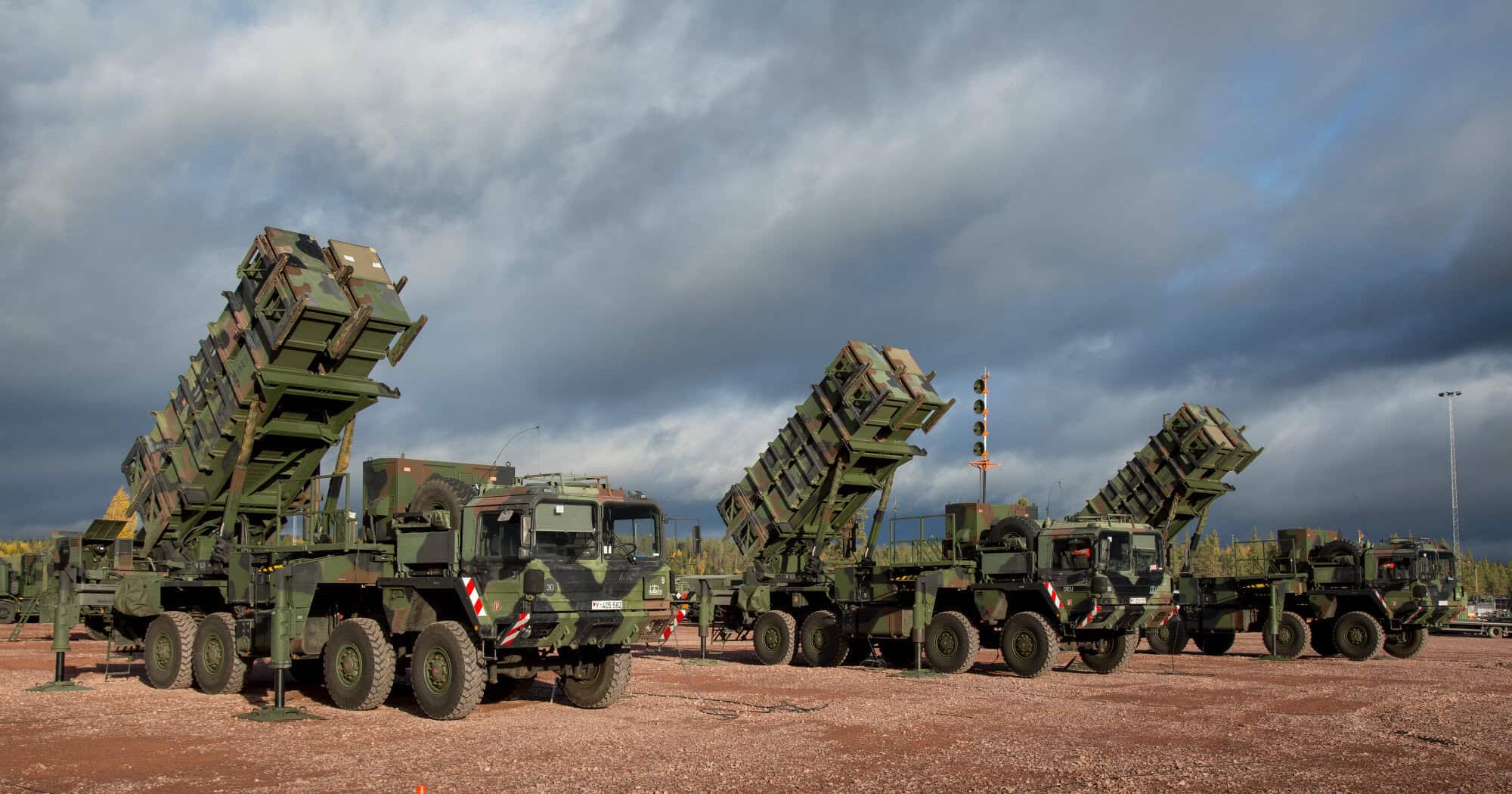
At the recent summit in Ankara, NATO leaders made virtually no mention of the promised rotation of air defense systems.
Instead, the allies decided to change the status of the mission in the Baltics, transforming it from air policing to air defense.
The new format legally expands the authority of the Commander of NATO’s Allied Forces in Europe. This will allow for the rapid redeployment of available forces and adjustments to response plans, bypassing lengthy political debates among member countries.
Lithuanian Defense Minister Robertas Kaunas argues that changing the mission’s status will allow for the deployment of additional systems in the event of a real threat. However, the opposition emphasizes that to rapidly redeploy air defense assets, they must first be physically available.
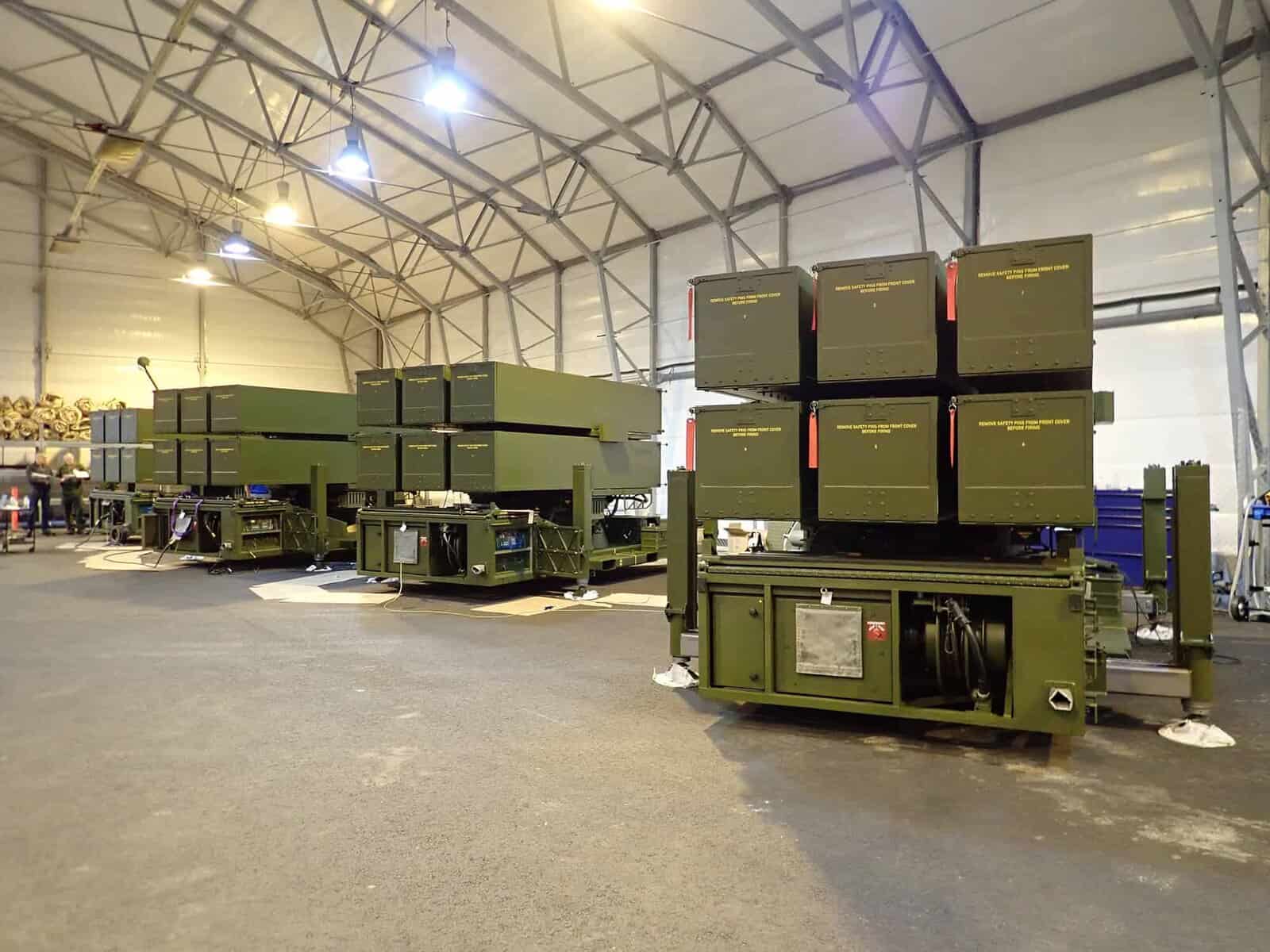
At the same time, approaches to interpreting the new mission vary across the Baltic states. While Lithuania is focusing on acquiring equipment, Estonian politicians are talking more about changing procedures and establishing new rules for recruiting fighter pilots.
Due to a lack of assistance from NATO, countries in the region are forced to invest in their own security. Lithuania has already announced an additional allocation of approximately €800 million for the procurement of radars, interceptors, and anti-drone systems.
According to preliminary estimates, Lithuania will need to secure at least €5 billion by 2035 to establish a reliable air defense system.
Підтримати нас можна через:
Приват: 5169 3351 0164 7408 PayPal - [email protected] Стати нашим патроном за лінком ⬇
Subscribe to our newsletter
or on ours Telegram
Thank you!!
You are subscribed to our newsletter