




Popular
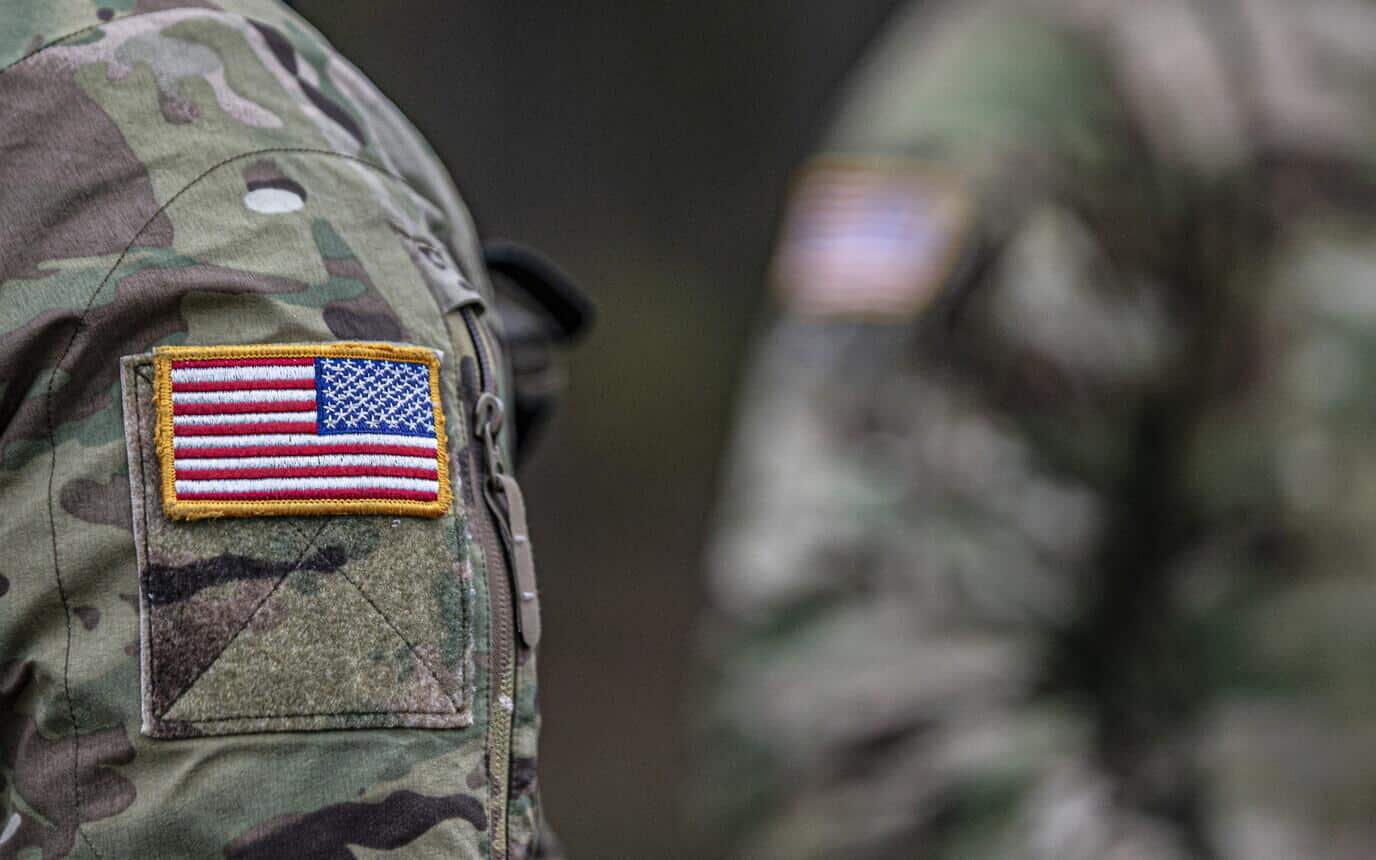
Most of the U.S. troops stationed in Estonia on a rotational deployment have left the country.
According to Estonian Defence Minister Hanno Pevkur, a new rotation of U.S. forces is expected to arrive this summer and remain until the end of the year. However, there are currently no confirmed plans for a continued U.S. military presence in Estonia beyond 2026, Estonian broadcaster ETV reported.
Until recently, the U.S. contingent in Estonia numbered between 500 and 700 troops, stationed at Tapa, in southern Estonia, and at other military sites across the country. That number has now fallen to fewer than 100 personnel. Officials have not disclosed any information about future troop movements or the deployment of additional U.S. forces to Europe.
The deployment of U.S. forces to Estonia is governed by a bilateral defense agreement between the two countries, and the terms of that agreement remain unchanged.
Defence Minister Hanno Pevkur said he learned about the next U.S. troop rotation, scheduled to arrive this summer, during talks with NATO’s Supreme Allied Commander Europe and the Commander of U.S. Army Europe and Africa.
The size of the upcoming rotation and the long-term future of the U.S. military presence in Estonia remain undecided. A final decision is expected to depend on the outcome of the Pentagon’s ongoing six-month review of U.S. defense policy.
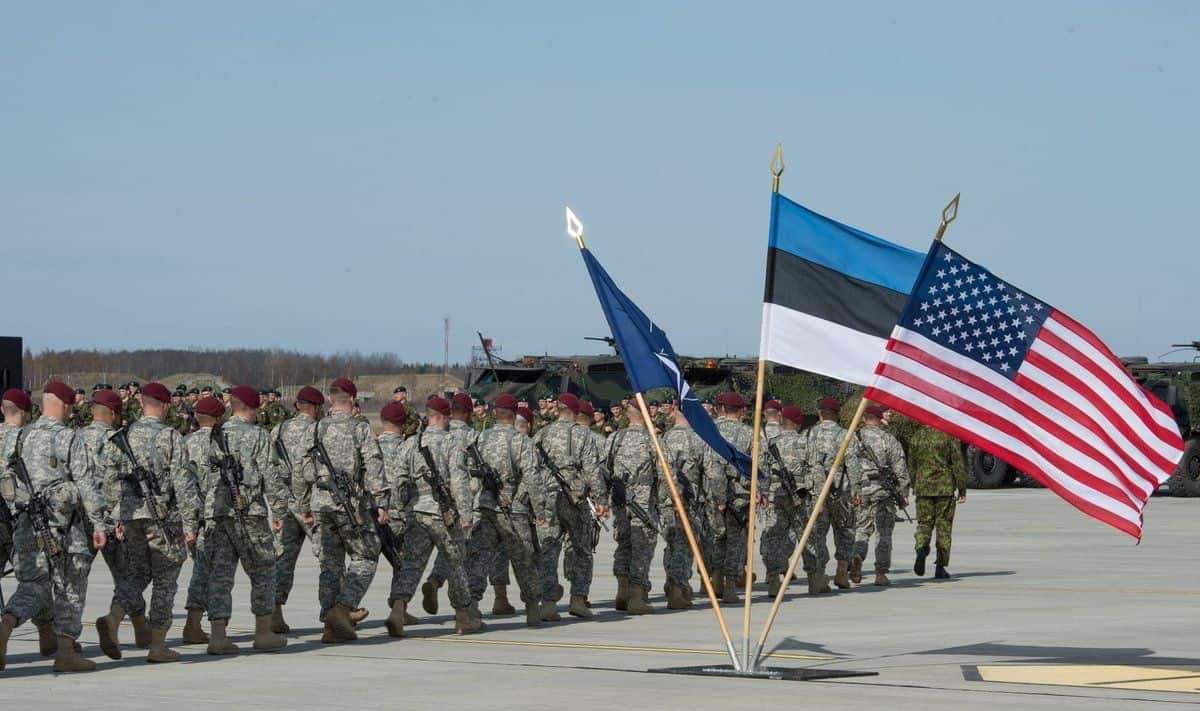
Previous U.S. troop rotations to Estonia were drawn from American brigades deployed in Poland and Romania. Sending a new 4,000-strong U.S. brigade to Poland — and potentially assigning part of it to Estonia — is a lengthy process that is expected to take years.
Kalev Stoicescu, chairman of the Estonian Parliament’s National Defence Committee, said the United States has effectively placed Estonia and other NATO eastern flank countries in a holding pattern. He added that this is happening regardless of how much the Baltic states spend on defense as a share of their GDP.
Stoicescu added that the final decisions are made by the White House and the U.S. administration based solely on America’s own interests and strategic priorities. In his view, if U.S. troops are to remain in Europe, they should be stationed on the continent’s eastern flank.
Defence Minister Hanno Pevkur also said no announcements about the future of the U.S. military presence in Estonia are expected at the upcoming NATO summit in Ankara. He said Estonia will have to rely on its own armed forces and the NATO battlegroups that continue to rotate through the Baltic region.

The rotational deployment of U.S. military units in Estonia began in 2014, following Russia’s annexation of Crimea and the outbreak of fighting in eastern Ukraine. Those events prompted NATO to strengthen its defense posture and reassess security along its Baltic flank.
Earlier this month, Lithuania began the withdrawal of more than 1,000 U.S. troops and their equipment after the completion of a routine rotational deployment. The unit had been stationed in Lithuania as part of NATO’s efforts to reinforce its eastern flank.
The United States is also planning to withdraw around 5,000 troops from Germany over the next six to 12 months. The planned drawdown is expected to include a U.S. Army combat brigade, as well as a missile unit that had previously been slated for deployment in Europe.
Підтримати нас можна через:
Приват: 5169 3351 0164 7408 PayPal - [email protected] Стати нашим патроном за лінком ⬇
Subscribe to our newsletter
or on ours Telegram
Thank you!!
You are subscribed to our newsletter