



Popular
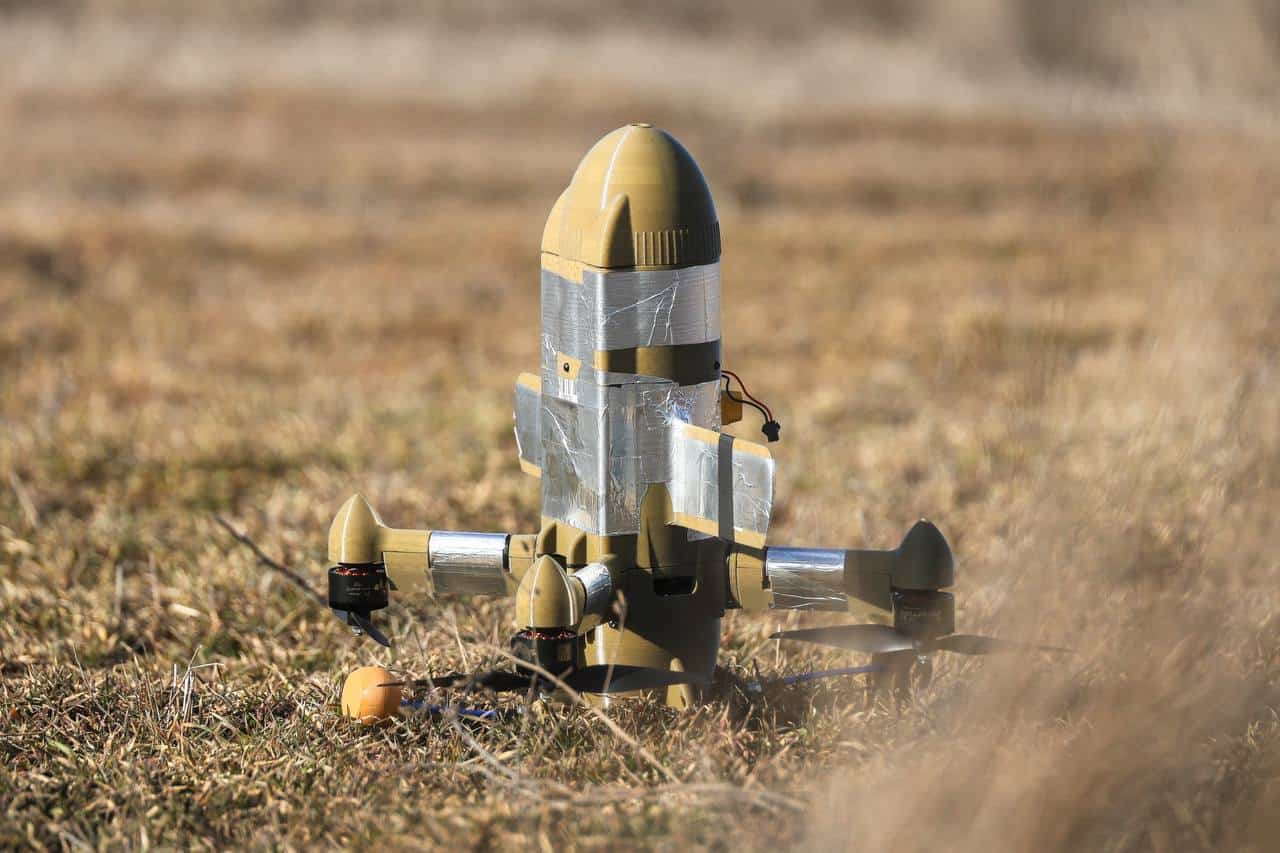
In publicly available images, it is not uncommon to see field-modified FPV interceptors wrapped in reinforced tape. This has been observed repeatedly on rocket-shaped UAVs and fixed-wing drones.
Crews also attach metal strips or foil to increase the drones’ radar cross-section and improve their visibility on friendly radars. This makes it easier for the navigator and pilot to guide the drones to the point of engagement with the target.
This appears to be the most plausible explanation based on the materials used and the location of the modifications. These enhancements are typically applied to the areas where the airframe does not require additional structural reinforcement, fastening of fuselage elements, or external detonator wiring.
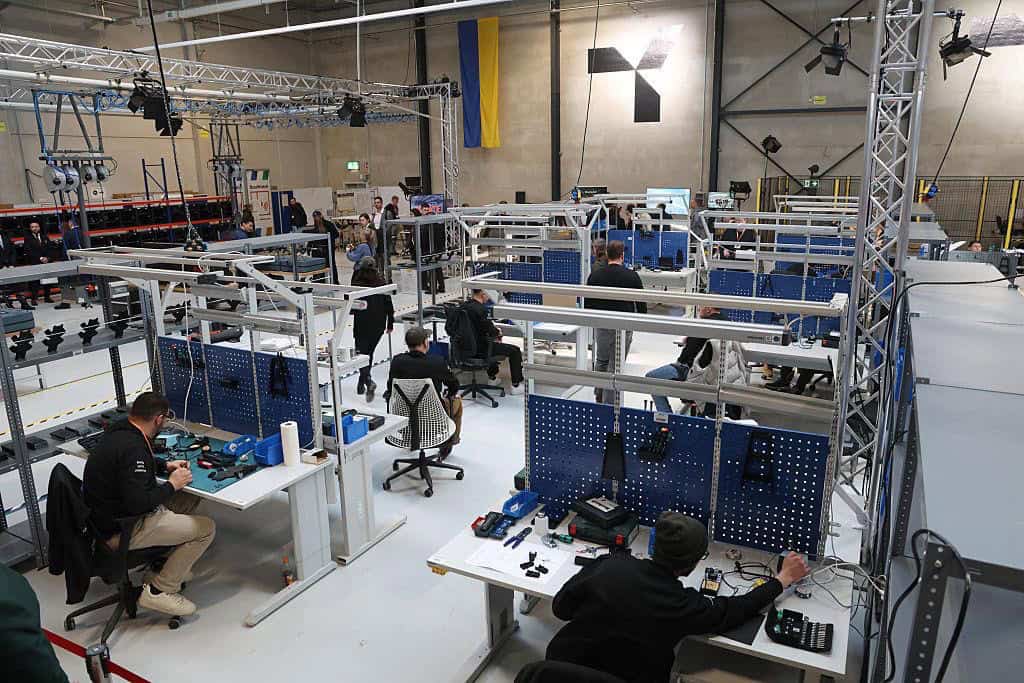
This can be seen by comparing the STING interceptor drone from Wild Hornets, as presented in promotional materials and at exhibitions, with modified versions shown in reports from units operating the drones.
Similar modifications have also been observed on P1-SUN drones from SkyFall and AS3 Surveyor interceptors from the Merops systems developed by Project Eagle.
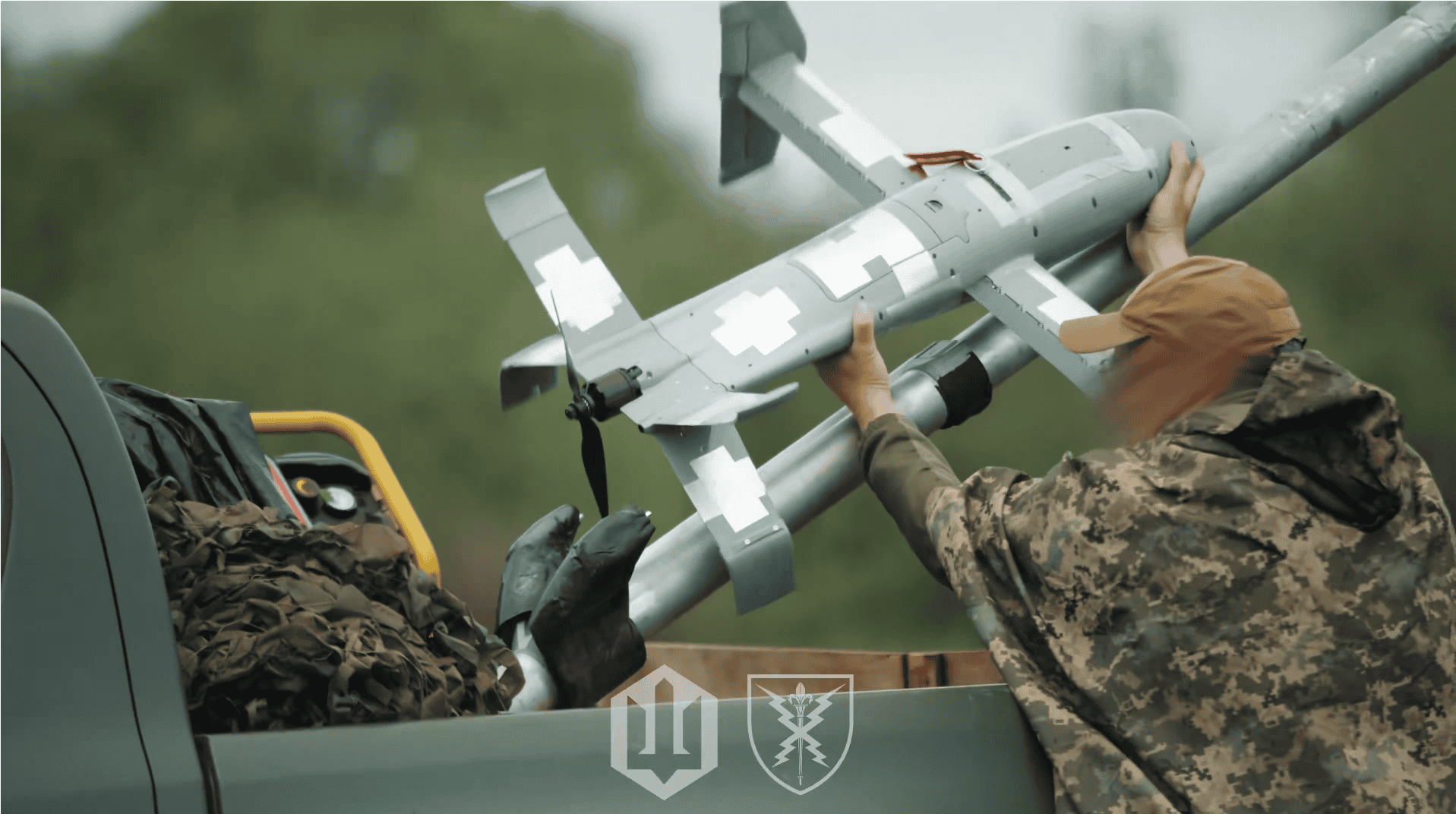
It is known that a number of Ukrainian manufacturers are now installing radar-reflective elements at the factory to improve the visibility of interceptor drones.
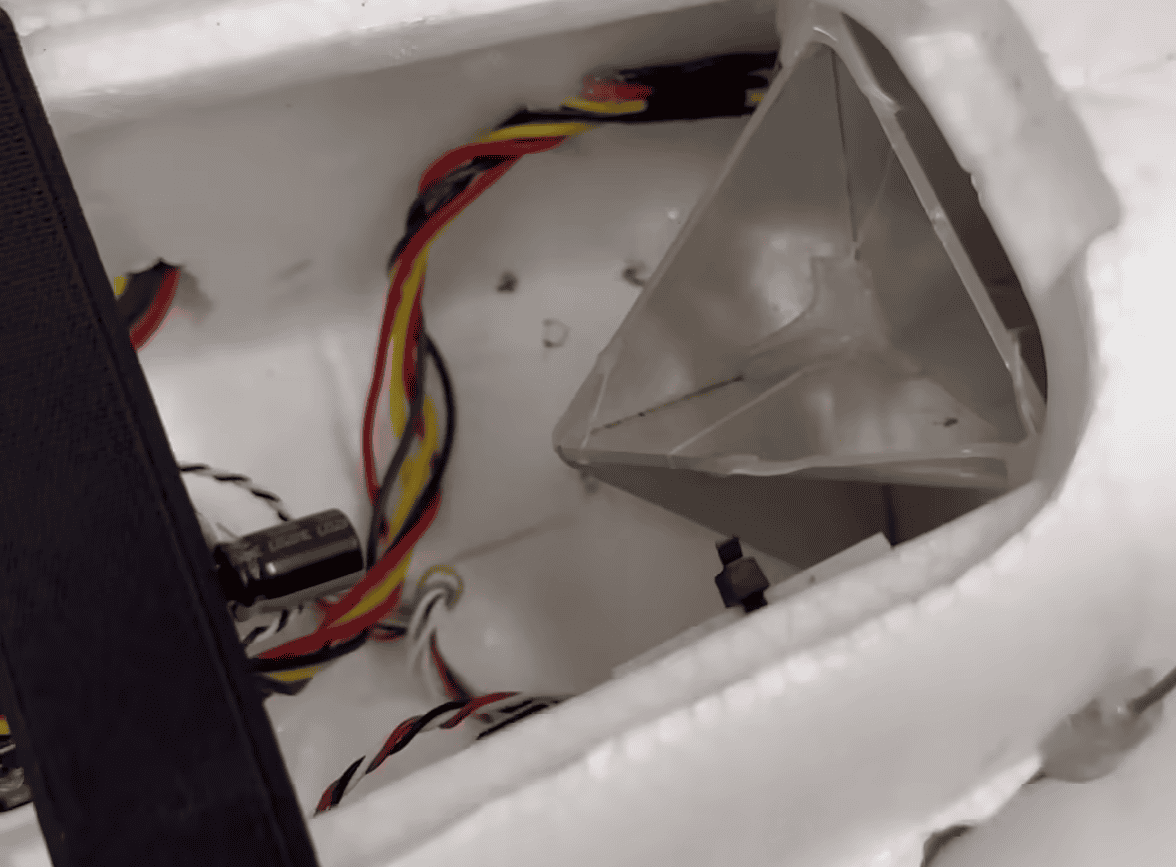
Russian forces are also taking steps to improve the radar visibility of their interceptor drones. In particular, corner reflectors are being installed on Sokol-E interceptor drones for the same purpose.
I would also like to take this opportunity to urge our readers to become patrons of initiatives that directly fund the procurement of interceptor drones for our military:
Підтримати нас можна через:
Приват: 5169 3351 0164 7408 PayPal - [email protected] Стати нашим патроном за лінком ⬇
Subscribe to our newsletter
or on ours Telegram
Thank you!!
You are subscribed to our newsletter