



Popular
The Republic of Poland has become one of Ukraine’s key partners in the field of security and defense since the start of Russia’s full-scale invasion in February 2022. Geographical proximity, a shared assessment of threats posed by the Russian Federation, and active political support for Ukraine have led to Warsaw playing a special role in shaping the international system of assistance to Ukraine. Poland’s support has included the transfer of weapons and military equipment, the establishment of logistical infrastructure for the delivery of international aid, the training of Ukrainian military personnel, the repair and maintenance of weapons, the development of defense-industrial cooperation, and the implementation of joint security projects.
According to the Ukraine Support Tracker of the Kiel Institute for the World Economy, Poland has allocated 5.864 billion euros in aid to Ukraine, of which 4.452 billion euros was military aid. In terms of the total amount of aid provided, Poland ranks 11th among donor countries, and 9th in terms of the share of aid relative to its own gross domestic product. The total amount of Polish support amounted to 1.021% of the country’s GDP, with military aid accounting for 0.775% of GDP, indicating one of the highest levels of engagement in supporting Ukraine among Western partners.
Poland began providing military aid to Ukraine as early as late January 2022. Warsaw announced its readiness to transfer defensive weapons to Ukraine, primarily air defense systems and ammunition. As early as February 1, the Polish Council of Ministers, upon the recommendation of Minister of National Defence Mariusz Błaszczak, approved a decision to provide Ukraine with its first package of military aid, which included Piorun man-portable air defense systems and ammunition.
At this stage, Polish aid was clearly defensive in nature. In statements made in early February 2022, Prime Minister Mateusz Morawiecki spoke of Poland’s readiness to provide Ukraine with ammunition, Grom man-portable air defense systems, and various types of drones. A separate shipment of weapons from Zakłady Mechaniczne Tarnów was being prepared, which was to include LMP-2017 60-mm light mortars and RGP-40 40-mm grenade launchers.
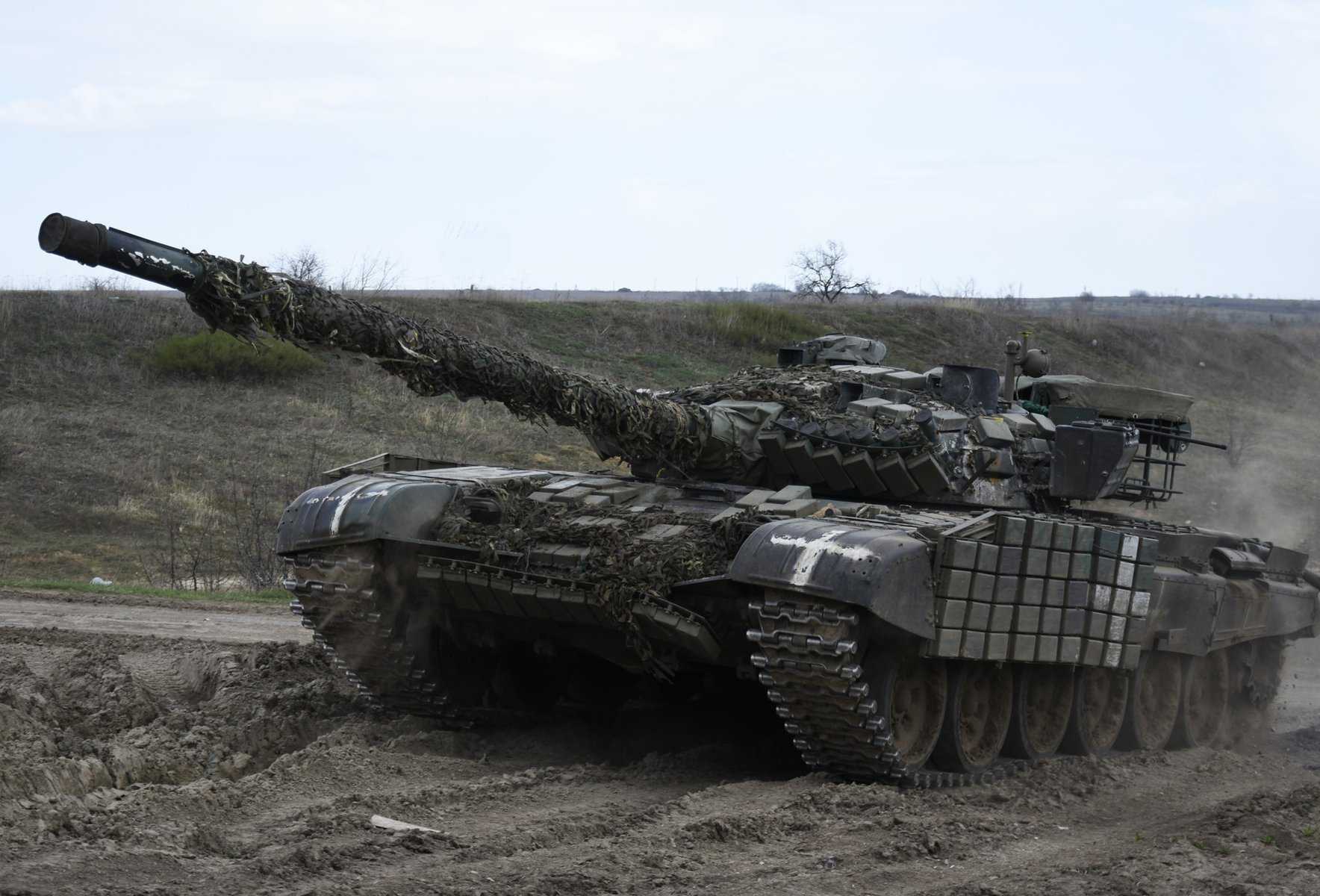
After February 24, 2022, Poland quickly shifted from transferring light defensive weapons to large-scale deliveries of heavy military equipment. As early as the spring, Warsaw transferred to Ukraine a significant number of T-72 tanks, infantry fighting vehicles, 2S1 Gvozdika self-propelled howitzers, BM-21 Grad multiple rocket launchers, missiles for MiG-29 and Su-27 aircraft, Polish-made drones, and ammunition. According to Polish sources, the more than 200 T-72 tanks transferred during this period were sufficient to equip two tank brigades.
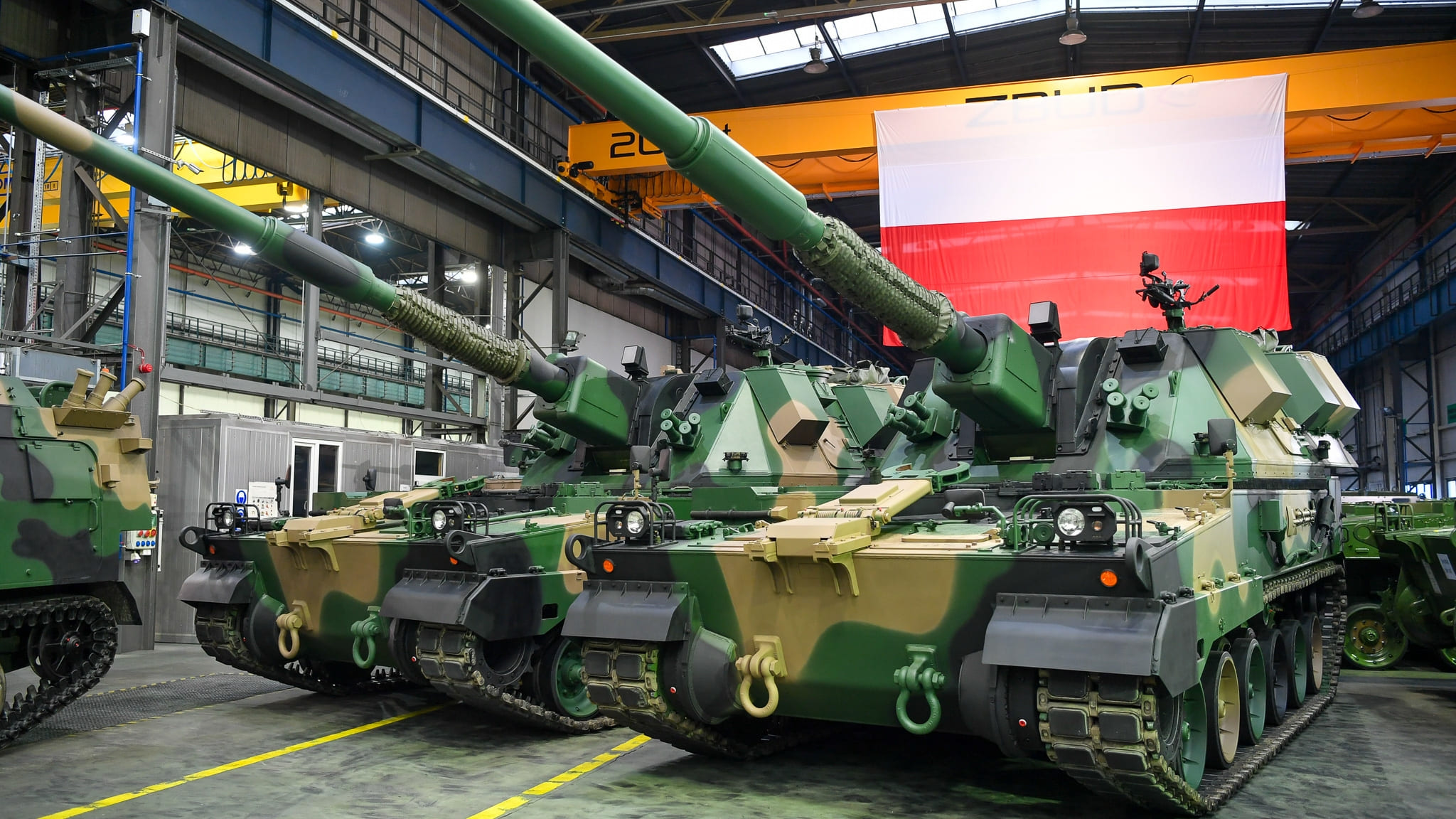
Poland was also among the first to begin strengthening Ukraine’s artillery with modern systems of its own production. In May 2022, Ukraine received 18 AHS Krab self-propelled artillery systems, which made it possible to form three artillery battalions. At the same time, the Polish side trained about 100 Ukrainian artillerymen to operate these systems. Subsequently, the Krab became one of the most recognizable symbols of Poland’s military support for Ukraine.
The aviation sector was also crucial. In May 2022, it was reported that Poland had transferred a large stockpile of spare parts and weapons for MiG-29 fighter jets to Ukraine. This made it possible to maintain the combat readiness of Ukraine’s tactical aviation without directly transferring aircraft during the early stages of the war. Such deliveries were particularly significant because the Ukrainian Air Force continued to operate Soviet-era aircraft, and access to spare parts and aviation weapons was critically important.
In addition to government decisions, Polish civil society initiatives played an important role in 2022. A fundraising campaign was held in Poland for the Bayraktar TB2 strike drone and Warmate loitering munitions. After the Bayraktar fundraising campaign concluded, the Turkish company Baykar announced the donation of the drone to Ukraine free of charge, and the funds raised were directed toward humanitarian needs. This demonstrated that support for Ukraine in Poland was not limited to government decisions but had broad public support.
The most notable aspect of Polish support was the supply of weaponry and military equipment. As early as the spring of 2022, Poland became one of the first NATO countries to begin transferring Soviet-era heavy weapons to Ukraine that were ready for immediate use by the Ukrainian military. In April, deliveries of T-72M and T-72M1 tanks, as well as BWP-1 infantry fighting vehicles, began. Subsequently, the volume of aid continued to grow. According to Oryx and Polish official sources, Ukraine has received a total of more than 280 T-72 tanks of various modifications, about 60 PT-91 Twardy tanks, 14 Leopard 2A4 tanks, over 250 BWP-1 infantry fighting vehicles, as well as Dzik and Oncilla armored personnel carriers and other types of armored vehicles. The supply of Rosomak wheeled armored personnel carriers became a separate initiative. In 2023, it was announced that 100 such vehicles would be transferred from the Polish Army, and another 100 units would be procured for Ukraine with funding from the European Union and the United States.
Artillery played a significant role in the structure of Polish aid. In May 2022, Ukraine received its first 155 mm AHS Krab self-propelled artillery systems, which quickly proved their worth in combat. Subsequently, the Ukrainian side signed contracts for additional deliveries of these systems directly with the Polish manufacturer Huta Stalowa Wola. In total, over the course of more than four years of full-scale war, Ukraine has received over 100 Krab self-propelled artillery systems, including vehicles transferred by Poland and those purchased under separate contracts. In addition, Ukraine received over 100 2S1 Gvozdika self-propelled howitzers, dozens of BM-21 Grad multiple rocket launchers, Rak self-propelled mortars, D-44M anti-tank guns, and significant quantities of ammunition. Poland also helped supply the Ukrainian army with artillery ammunition and later began negotiations to expand joint ammunition production involving Ukrainian companies.
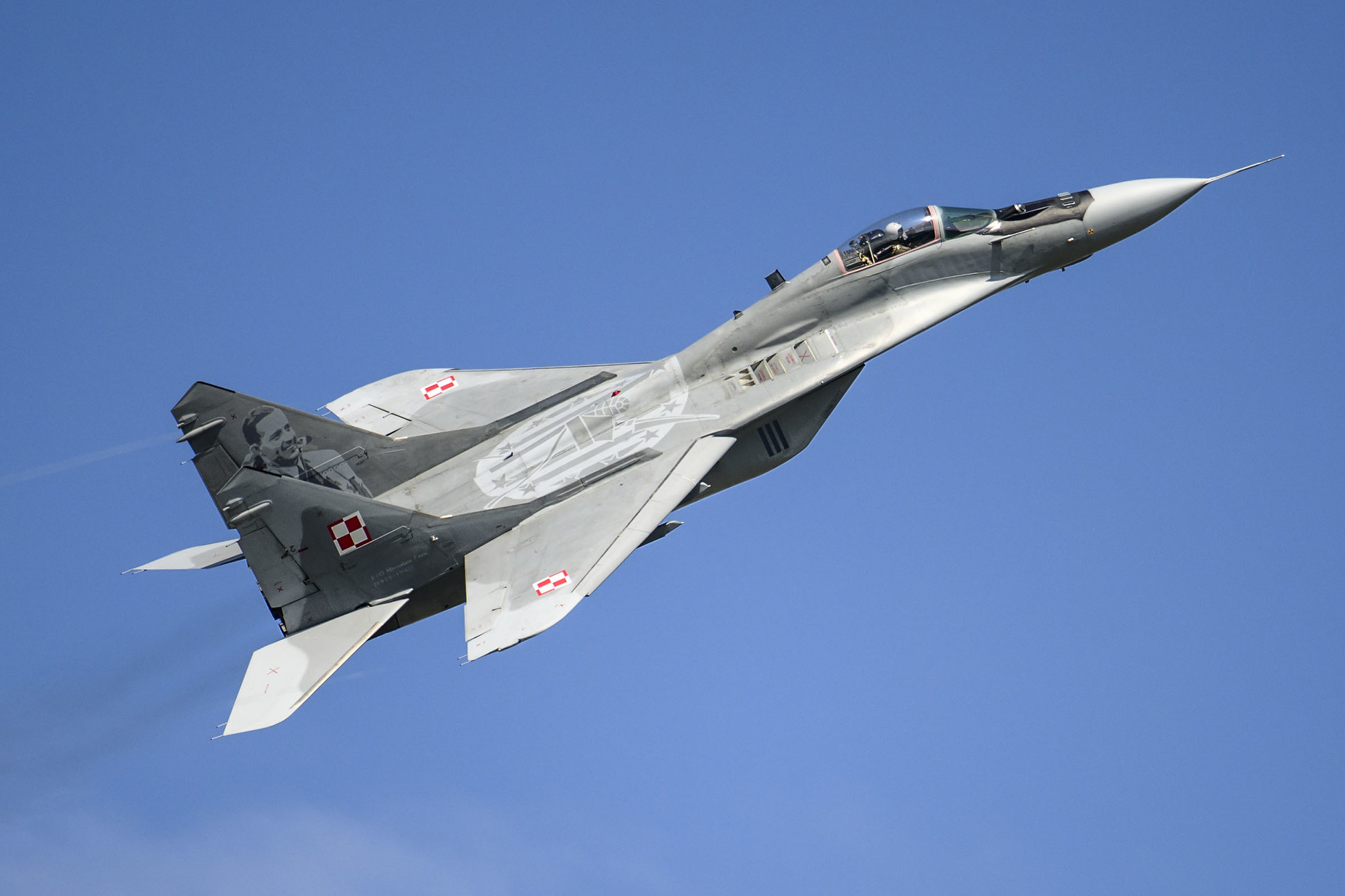
Polish aid played a special role in supporting the Ukrainian Air Force. As early as 2022, Warsaw provided spare parts and air-to-air missiles for MiG-29 and Su-27 fighter jets, which helped maintain the combat readiness of the Ukrainian Air Force during a critical period of the war. The next step was the transfer of the aircraft themselves. In March 2023, Poland became the first NATO country to officially announce the transfer of MiG-29 fighter jets to Ukraine. Over the course of the year, Ukraine received 14 aircraft of this type. The aviation component of Polish aid also included approximately 12 Mi-24V attack helicopters, two Mi-8 transport helicopters, one Mi-2AM-1 medical evacuation helicopter, and one Bell 412NR transport helicopter. Some of these aircraft were used to train flight and technical personnel at Ukrainian educational institutions and within the security forces.
Support in the area of air defense was also significant. Poland transferred Piorun man-portable air defense systems (MANPADS) to Ukraine, and in early 2022 also announced its readiness to provide Grom systems. Subsequently, Poland delivered modernized S-125 Newa SC surface-to-air missile systems, Osa-AK and Osa-AKM-P1 Żądło systems, ZSU-23-4 Shilka self-propelled anti-aircraft guns, S-60 anti-aircraft guns, ZU-23-2 anti-aircraft guns, and other air defense systems. According to Polish data, Ukraine received a total of nearly 300 man-portable air defense systems, making this one of the largest contributions among European countries toward strengthening Ukraine’s air defense. At the same time, Poland ensured the supply of ammunition, small arms, explosives, and other military equipment necessary to maintain the combat readiness of the Ukrainian Armed Forces.
In addition to supplying weapons, Poland became one of the main training centers for Ukrainian military personnel. As early as 2022, training began on Polish territory for Ukrainian artillerymen to operate the AHS Krab self-propelled artillery systems, as well as for sappers, medical personnel, and other specialists. Subsequently, Poland joined the European Union’s EUMAM Ukraine mission, becoming one of the main host nations for the training of Ukrainian Armed Forces personnel. According to Polish data, by early 2025, approximately 25,000 Ukrainian military personnel had undergone training on Polish territory, of whom more than 14,000 were trained as part of the EUMAM Ukraine mission.
The expansion of the range of transferred weapons directly influenced the content of training programs. In 2023, Poland organized training for Ukrainian crews of Leopard 2 and PT-91 tanks, as well as technical personnel to maintain Western armored vehicles, and joined efforts to train Ukrainian military personnel as part of the international “tank coalition.” Following the decision to transfer MiG-29 fighter jets, Poland also began training Ukrainian technical specialists and later joined personnel training programs for the future operation of F-16 fighter jets. In this way, Poland became a key element in the broader effort to adapt the Ukrainian army to the use of Western-style weapons.
A new stage in the development of this cooperation was the creation of institutional mechanisms for long-term collaboration. In February 2025, the NATO–Ukraine Joint Analysis, Training, and Education Center (JATEC) officially began operations in Bydgoszcz. The center was the first joint NATO-Ukraine structure of this level and was designed to systematize combat experience from the Russia-Ukraine war, develop new approaches to troop training, and deepen interoperability between the Armed Forces of Ukraine and those of NATO member states. Poland not only provided a venue for JATEC’s operations but also became one of the key participants in its activities.
Another important area of focus was the training of Ukrainian citizens outside Ukraine. In November 2024, the ‘Ukrainian Legion’ began operations in Poland, formed from volunteers living abroad who expressed a desire to join the ranks of the Ukrainian Defense Forces. After taking the military oath, the personnel underwent intensive training under the guidance of Polish instructors, following programs that included firearms training, tactical medicine, mine safety, topography, and urban operations. This project became one of the examples of the practical implementation of the security agreement between Ukraine and Poland, signed in 2024.
Multinational training for Ukrainian military personnel also continued to develop. In October 2025, the Camp Jomsborg training center opened at the Demba-Lipa training ground, established with the leading participation of Poland and Norway as part of Operation Legio. The center was equipped with modern training infrastructure, including trench systems, firing ranges, and specialized areas for training in urban combat operations. Particular attention was paid to the use of and countermeasures against unmanned systems, reflecting the changing nature of modern warfare and the need to incorporate Ukrainian combat experience. In 2026, Australia joined Operation Legio.
Logistics became one of the most important, yet less visible, components of Polish aid. After the start of the full-scale invasion, Polish territory became the main supply route for Western weapons, ammunition, military equipment, and gear destined for Ukraine. The Rzeszów-Jasionka Airport took on particular significance, becoming one of the key hubs for international military aid. A significant portion of the cargo arriving from the United States, Canada, the United Kingdom, EU member states, and other partners passed through this airport. In late 2024, Norway deployed NASAMS air defense missile systems and F-35A fighter jets in Poland to protect this logistics hub, underscoring its importance to the entire system of international support for Ukraine. Poland’s role was not limited to transit. As early as 2022, repair facilities began to be established in Poland to maintain Western artillery transferred to Ukraine. At these facilities, worn-out barrels were replaced, howitzers damaged in combat were repaired, and equipment was returned to service. In 2023, this effort became more systematic: at Polska Grupa Zbrojeniowa facilities, Krab self-propelled artillery systems and other heavy weapons were repaired, while Polish specialists maintained constant contact with Ukrainian mechanics. Separately, PGZ Service Orel sent specialists to Ukraine to repair Krab systems in field workshops and at Ukrainian factories, and also trained Ukrainian military personnel to perform basic repair and maintenance work.

Technical support for armored vehicles became a key area of focus. In 2023, Ukraine, Poland, and Germany agreed to establish a maintenance and repair center in Poland for the Leopard 2 tanks transferred to the Ukrainian army. In the fall of that same year, the Polish defense group PGZ announced the transfer to Ukraine of the first Leopard tanks, which had been repaired at the Bumar-Łabędy facility. Poland also serviced and refurbished other types of equipment, including T-72s, PT-91s, and Polish-made vehicles. This service infrastructure was critical, as the intense combat use of armored vehicles in Ukraine rapidly led to component wear, damage to the suspension, optics, and armament, and the need for regular vehicle refurbishment.
A notable example of long-term maintenance support is the Oncilla armored vehicles, which were supplied to Ukraine by the Polish company Mista. By 2024, Ukraine had received over 100 such vehicles, and the manufacturer provided maintenance and repairs directly on Ukrainian territory, including field repairs near the front lines. At the same time, Polish and Ukrainian partners developed a service infrastructure for Western equipment and worked on the new Oncilla II project, incorporating lessons learned from combat experience in the Russia-Ukraine war. This demonstrates that Polish assistance gradually shifted from one-time deliveries to a full cycle of support—from the transfer of equipment to its repair, modernization, and adaptation to Ukrainian conditions.
The logistical dimension of Polish support also included the transit of aid from other allies. Polish territory was used to transport air defense systems, armored vehicles, ammunition, and other weapons supplied by Ukraine’s partners. In particular, in 2024, the NASAMS system purchased by Canada for Ukraine was stored in Poland before being shipped across the border. Such examples demonstrate that Polish infrastructure became part of a broader mechanism of international support, in which Poland served not only as a donor but also as an operational rear base for the supply, repair, and maintenance of the combat readiness of the Ukrainian Defense Forces.
Following the first large-scale arms deliveries, Poland gradually transitioned to a more complex model of support, in which international coalitions and military-industrial cooperation played a key role. One of the first examples of this role was Warsaw’s participation in forming a ‘tank coalition’ for Ukraine. In January 2023, Poland announced its readiness to transfer a company of Leopard 2 tanks and began actively persuading other allies to join this effort. After lengthy consultations, it was precisely Poland’s position that became one of the factors accelerating approval for the re-export of Leopard 2 tanks and paving the way for broader deliveries of Western main battle tanks to the Armed Forces of Ukraine.
The next step was the creation of the Armored Capabilities Coalition. In March 2024, in Warsaw, Poland and Germany launched this initiative with the support of the United Kingdom, Sweden, and Italy. Its mission was not only to supply armored vehicles but also to provide ammunition, maintenance, repairs, training for crews and technical personnel, and to develop approaches for the effective use of armored vehicles on the battlefield. In January 2025, Poland presented a roadmap for the coalition’s activities at a meeting of the Ukraine Defense Contact Group in the Ramstein format, marking its transition from sporadic support to long-term coordination of specific areas of military assistance.
The defense-industrial dimension of the cooperation began to expand rapidly starting in 2023. In April, Polska Grupa Zbrojeniowa and the Ukrainian side signed an agreement on the joint production of 125-mm tank ammunition, including the deployment of new production lines. At the same time, Ukraine purchased weapons from Poland on a commercial basis, including Krab self-propelled guns, armored personnel carriers, 2S1 Gvozdika self-propelled howitzers, mortars, and armored vehicles. This complemented the grant-based military aid and ensured a continued supply of systems that the Ukrainian military had already mastered and for which a well-established maintenance infrastructure was in place.

In 2024, defense-industrial cooperation was formalized politically. During Prime Minister Donald Tusk’s visit to Kyiv, the parties agreed to use a Polish loan to purchase weapons for Ukraine’s needs and discussed the prospects for joint production of weapons and ammunition. In September, the first Ukrainian-Polish Defense Industry Forum took place at the MSPO 2024 exhibition in Kielce. The Ukrainian delegation discussed with Polish partners the needs of the Ukrainian Armed Forces for air defense systems, unmanned aerial vehicles, electronic warfare systems, ammunition, components for their production, the repair of foreign-made weapons in Ukraine, and the establishment of joint defense enterprises.
In February 2025, cooperation between the defense enterprises of the two countries was strengthened by a memorandum between Polska Grupa Zbrojeniowa and Ukroboronprom. The document was built upon previous agreements and was signed in the presence of representatives from the defense and strategic-industrial agencies of Ukraine and Poland. On the same day, a Polish delegation arrived in Kyiv, comprising representatives from ten key state-owned defense companies, demonstrating Warsaw’s interest in establishing long-term production cooperation. Promising areas of cooperation included unmanned and missile technologies, the localization of production of certain components, and the possibility of organizing the production of gun barrels for the Krab self-propelled howitzer in Ukraine.
Poland’s involvement in new European financial instruments was of particular significance. In 2025, Warsaw announced its intention to expand military cooperation with Ukraine through bilateral financing and the SAFE mechanism. According to the Polish side, a portion of the funds that Poland planned to receive under this instrument could be directed toward joint Ukrainian-Polish defense projects. This approach combined support for Ukraine with the modernization of Poland’s defense-industrial complex and the strengthening of Europe’s defense capabilities.
The Krab systems remained a key element of this cooperation. Ukraine received these self-propelled artillery systems both as part of Polish aid and under contracts with the manufacturer. In December 2025, PGZ announced an increase in Krab production at the Huta Stalowa Wola facility to over 50 units per year, along with the parallel development of an upgraded version, the Krab 2. This was of practical importance for Ukraine, as the Krab had become one of the key Polish weapons systems on the front lines since 2022, and the availability of a production, repair, and potentially component base laid the groundwork for long-term artillery cooperation.
One of the key areas of military assistance was providing Ukraine with digital infrastructure. Starlink satellite communications played a significant role in this process. As early as 2022, Poland began transferring terminals to Ukraine, subsequently increasing their number and funding subscription services. By April 2025, the total number of Starlink terminals provided by Poland had reached 29,500—more than from any other international partner. Poland also covered the costs of maintaining this system, which provided communications for military units, hospitals, schools, critical infrastructure facilities, and government services during Russian attacks on Ukraine’s energy and telecommunications networks.
Another new area of focus has been the use of space technologies for defense purposes. In 2025, Rafal Modrzewski, founder of the Polish-Finnish company ICEYE, reported that Ukrainian intelligence and the Defense Forces were using ICEYE satellite imagery to monitor the movements of Russian troops in near real time. According to him, the company’s SAR satellites can capture up to 20–24 images of a single target per day, regardless of weather conditions or time of day, and ICEYE continued to provide data to Ukraine even after temporary restrictions were placed on access to certain U.S. satellite services.

A significant transformation has also taken place in the field of unmanned systems. While at the start of the war Poland supplied Ukraine with FlyEye drones and supported public fundraising initiatives for Bayraktar TB2 and Warmate drones, cooperation later shifted to the institutional level. In September 2025, the defense ministers of Ukraine and Poland signed a memorandum establishing a Joint Working Group on Unmanned Aerial Systems. Its tasks were defined as exchanging operational experience, developing and testing new approaches to the use of drones and countering them, integrating innovative technologies, and enhancing interoperability between the armed forces of the two countries. At the same time, the parties reaffirmed their intention to develop cooperation within the framework of the SAFE and PURL projects and the activities of the JATEC center.
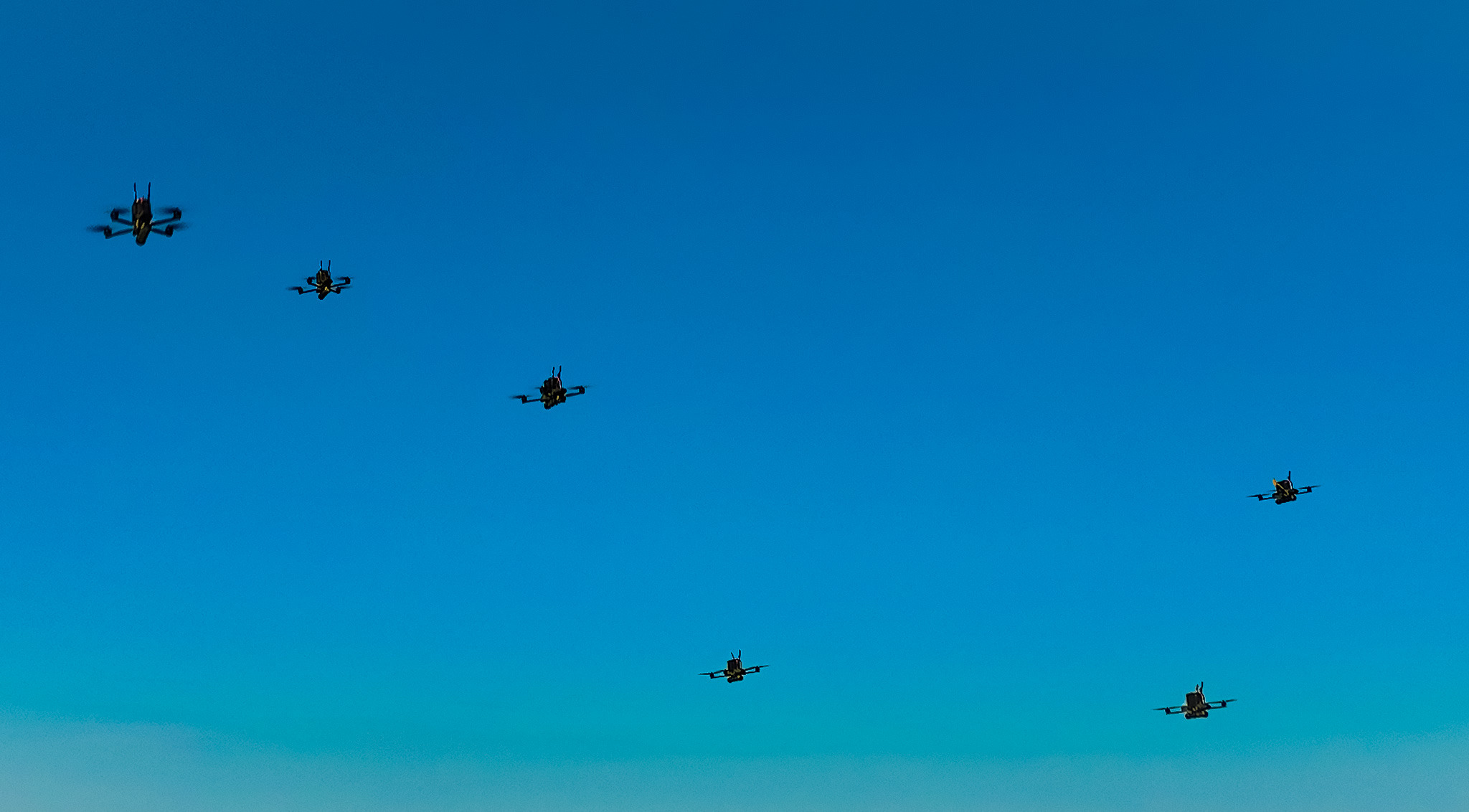
This initiative gained further momentum in 2026. In April, the prime ministers of Ukraine and Poland announced the launch of a joint project to create a ‘drone armada,’ which was intended to combine Ukrainian combat experience with Polish and European financial and manufacturing capabilities. The initiative aimed not only to support Ukraine in the war against Russia but also to build new defense capabilities for Poland and other European countries. In this context, the Polish side increasingly viewed Ukraine’s experience in the use of unmanned systems as a vital resource for modernizing its own armed forces.
Cooperation in countering hybrid threats also gradually expanded. In September 2025, following a series of incidents involving Russian drones entering Polish airspace, Warsaw and Kyiv stepped up their exchange of expertise on air defense and counter-drone operations. Polish military personnel were given the opportunity to familiarize themselves with Ukrainian approaches to detecting and neutralizing unmanned systems, and drone countermeasures units began participating in training programs involving Ukrainian specialists. In November 2025, the parties also agreed to establish a joint task force to prevent Russian sabotage against critical infrastructure, particularly transportation infrastructure. These steps demonstrated that Ukrainian-Polish cooperation is increasingly extending into areas that go beyond traditional military aid and are linked to the formation of a joint security architecture on Europe’s eastern flank.
Poland’s military support for Ukraine in 2022–2026 became one of the most extensive among European states and stood out not only for the volume of weapons transferred but also for the breadth of its engagement. Warsaw was among the first to begin transferring defensive weapons to Ukraine, and after the start of the full-scale invasion, it quickly moved to supplying tanks, artillery, armored vehicles, air defense systems, aircraft, and ammunition. At the same time, Poland’s role was not limited to that of a donor: the country became the main logistics route for Western aid, a repair base for Ukrainian equipment, one of the centers for military training, and an important participant in international coalitions.
Throughout the war, Polish assistance gradually evolved from emergency deliveries of Soviet-era weapons to a long-term defense partnership. Its components included joint industrial projects, the development of service infrastructure, participation in NATO and EU programs, support for satellite communications, cooperation in the field of UAVs, and the exchange of expertise on countering Russian air and sabotage threats. It is precisely this combination of military, logistical, training, industrial, and technological components that makes the Polish model of support one of the most comprehensive among Ukraine’s partners.
| No. | Name | Type | Country and manufacturer | Date of transfer | Quantity |
| 1. | T-72M | main battle tank | USSR / Poland | 2022–2023 | 280+ |
| 2. | Leopard 2A4 | main battle tank | Germany, KMW | 2023 | 14 |
| 3. | PT-91 Twardy | main battle tank | Poland, Bumar-Łabędy | 2023 | 60 |
| 4. | BRDM-2 | armored scout car | USSR | 2022–2023 | 10 |
| 5. | BWP-1 | infantry fighting vehicle | USSR / Poland | 2022–2023 | 250+ |
| 6. | KTO Rosomak | armored personnel carrier | Poland, Rosomak S.A. | 2023–2024 | 200 |
| 7. | MT-LB | armored personnel carrier | USSR | 2022 | 60 |
| 8. | Dzik-2 | infantry mobility vehicle | Poland, AMZ Kutno | 2022 | 19 |
| 9. | Oncilla | infantry mobility vehicle | Poland, Mista / Ukraine, SPA Praktyka | 2022–2024 | 200+ |
| 10. | WZT-3 | armored recovery vehicle | Poland, Bumar-Łabędy | 2025 | 1+ |
| 11. | AHS Krab | 155 mm self-propelled artillery | Poland, HSW | 2022–2025 | 54 + 54 procured |
| 12. | 2S1 Gvozdika | 122 mm self-propelled artillery | USSR / Poland | 2022–2024 | 112 |
| 13. | M120 Rak | self-propelled mortar | Poland, HSW | 2024–2025 | 24 |
| 14. | LMP-2017 | 60 mm light mortar | Poland, Zakłady Mechaniczne Tarnów | 2022 | unknown |
| 15. | RGP-40 | 40 mm grenade launcher | Poland, Zakłady Mechaniczne Tarnów | 2022 | unknown |
| 16. | BM-21 Grad | MLRS | USSR | 2022 | 34+ |
| 17. | D-44M | field artillery gun | USSR | 2024 | 10 |
| 18. | S-125 Newa SC | SAM | Poland | 2022 | unknown |
| 19. | Osa-AKM | SAM | USSR | 2022–2023 | unknown |
| 20. | Osa-AKM-P1 Żądło | SAM | Poland | 2023 | unknown |
| 21. | ZSU-23-4 Shilka | self-propelled anti-aircraft gun | USSR | 2023 | unknown |
| 22. | Hibneryt | self-propelled anti-aircraft gun | Poland | 2022–2024 | unknown |
| 23. | AZP S-60 | close-in weapon system | USSR | 2023 | unknown |
| 24. | ZU-23-2 | anti-aircraft gun | USSR | 2022–2024 | unknown |
| 25. | Piorun | MANPADS | Poland, Mesko | 2022–2025 | 287 |
| 26. | R-73E | air-to-air missile | USSR | 2022 | 100 |
| 27. | MiG-29 | fighter jet | USSR | 2023 | 14 |
| 28. | Mi-24В | attack helicopter | USSR | 2023 | around 12 |
| 29. | Mi-8 | transport helicopter | USSR | 2024 | 2 |
| 30. | Mi-2AM-1 | utility helicopter | Poland, PZL-Świdnik | 2024 | 1 |
| 31. | FlyEye | reconnaissance UAV | Poland, WB Electronics | 2022 | unknown |
| 32. | Bell 412HP | transport helicopter | USA, Bell Helicopter | 2024 | 1 |
| 33. | Bayraktar TB2 | strike UAV | Turkey, Baykar | 2022 | 1 |
| 34. | Warmate | loitering munition | Poland, WB Electronics | 2022 | unknown |
Підтримати нас можна через:
Приват: 5169 3351 0164 7408 PayPal - [email protected] Стати нашим патроном за лінком ⬇
Subscribe to our newsletter
or on ours Telegram
Thank you!!
You are subscribed to our newsletter