



Popular
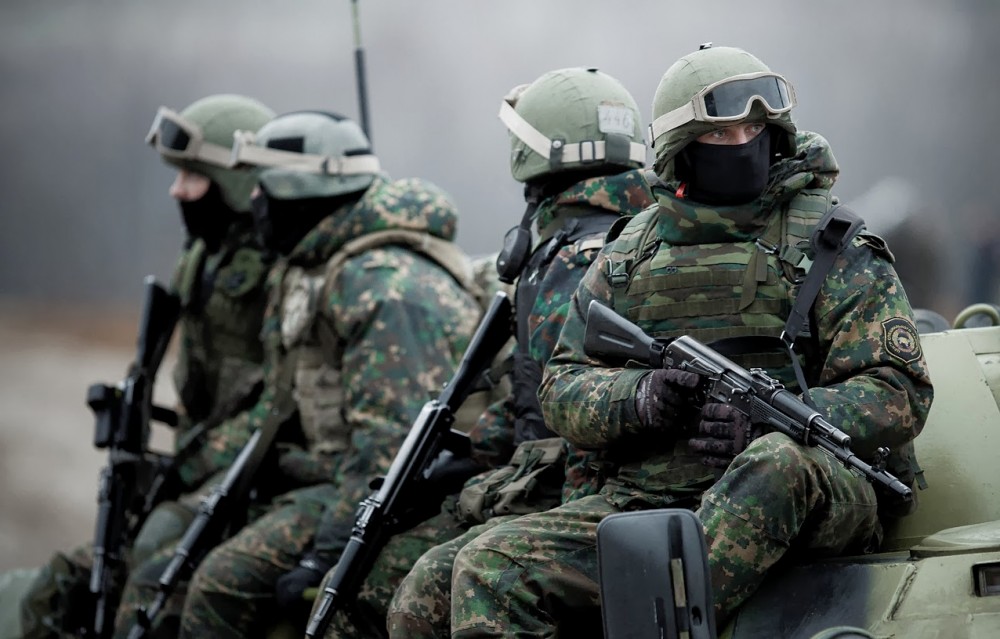
Russian military intelligence has established a network of agents in Japan that facilitates the supply of sanctioned technologies to Russia.
The New York Times reports on this.
At the center of the network is a secret unit of the Main Directorate of the General Staff (formerly GRU), known as the 20th Directorate, whose role has not yet been publicly disclosed.
According to current and former employees of five Western intelligence services, its officers, operating under diplomatic cover or through business activities, are involved in purchasing or stealing military technologies and smuggling them to Russia.
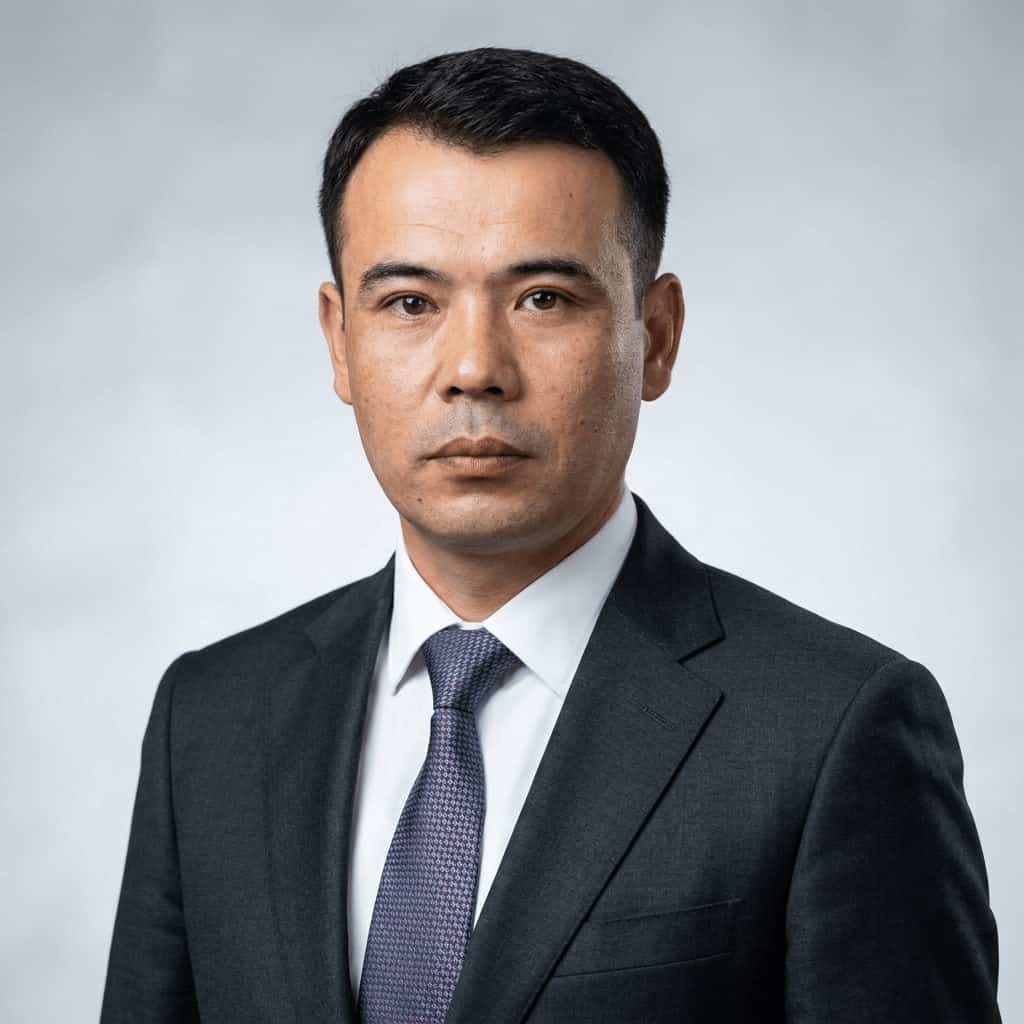
According to current employees of four of these intelligence services, the activities of the 20th Directorate in Tokyo are managed by a man who officially works for Russia’s state airline, Aeroflot.

He plays a key role in supplying the Russian military machine with the resources it requires.
Japan has long had a reputation as a “spy haven,” partly due to restrictions imposed by the victorious powers after World War II, which limited the development of Japanese intelligence services.
The country still lacks a separate foreign intelligence service. At the same time, Japanese officials say they are aware of the espionage threat and are working to revise restrictions that have been in place for several decades.
Japan’s Foreign Ministry did not respond to detailed questions about espionage activities but said the government is cooperating with Western allies to prevent the export of military goods to Russia.
According to Western intelligence services, Russian agents are operating virtually under the nose of Japanese authorities. Aeroflot’s Tokyo office is just a 10-minute walk from the National Police Agency’s headquarters, which investigates espionage cases.

Representatives of Western intelligence services claim that an agent of the 20th Directorate coordinates operations in Japan from the airline’s 22nd-floor office.
One of the key figures in the network is Filchenkov, an experienced officer who establishes cooperation with logistics companies that deliver goods from Japan to Russia.
One such company is Proco Air, which positions itself as a “bridge between Japan and Russia.” It rents cargo space on flights operated by airlines serving countries where Aeroflot operates, including Sri Lanka and Uzbekistan. There, Aeroflot accepts the cargo and delivers it to Russia.
The War&Sanctions project identified at least 227 components of Japanese origin used in Russian weapons.
In February, a Russian Foreign Intelligence Service officer was exposed in Japan while operating undercover and posing as a Ukrainian citizen.
The individual was a Russian citizen in his 30s who left Japan and returned to Russia last March. He was not brought to trial.
Підтримати нас можна через:
Приват: 5169 3351 0164 7408 PayPal - [email protected] Стати нашим патроном за лінком ⬇
Subscribe to our newsletter
or on ours Telegram
Thank you!!
You are subscribed to our newsletter