







Popular
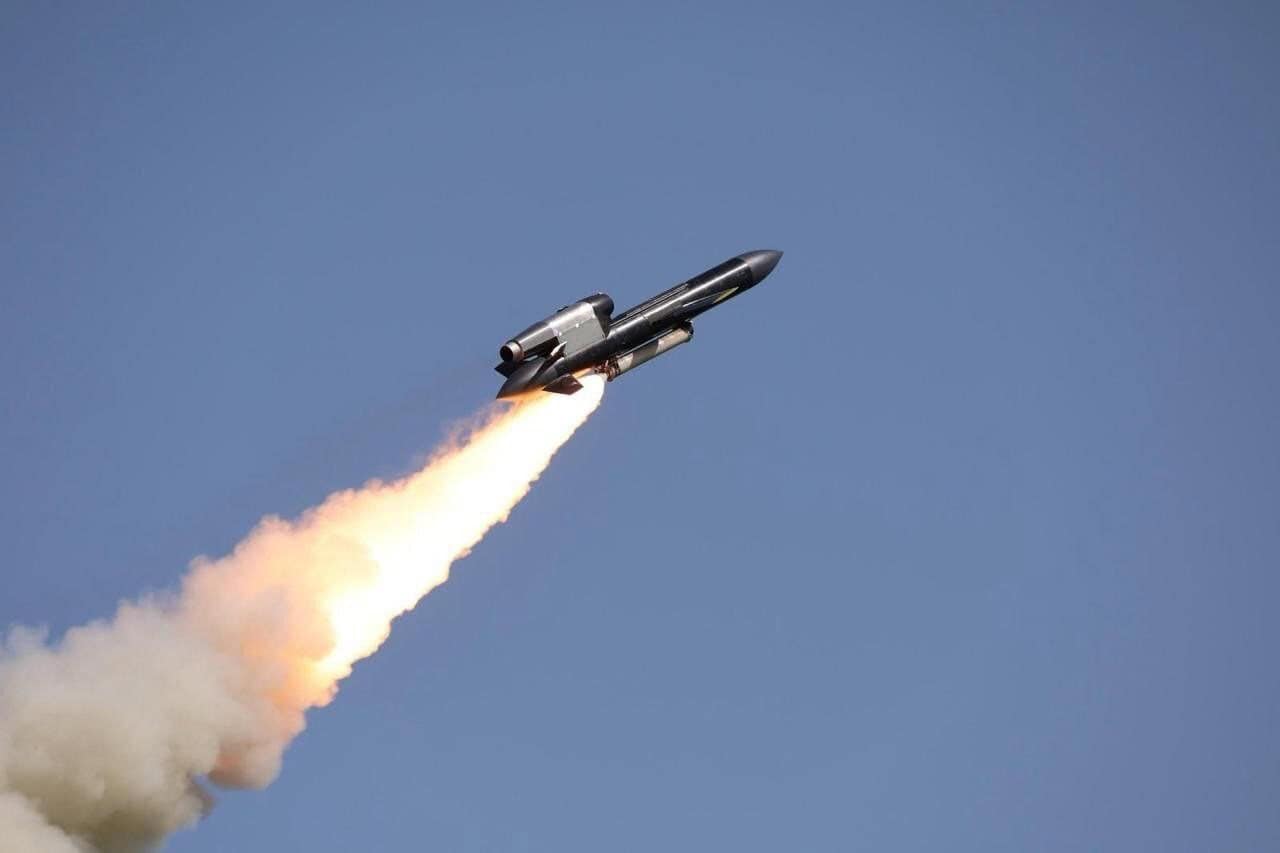
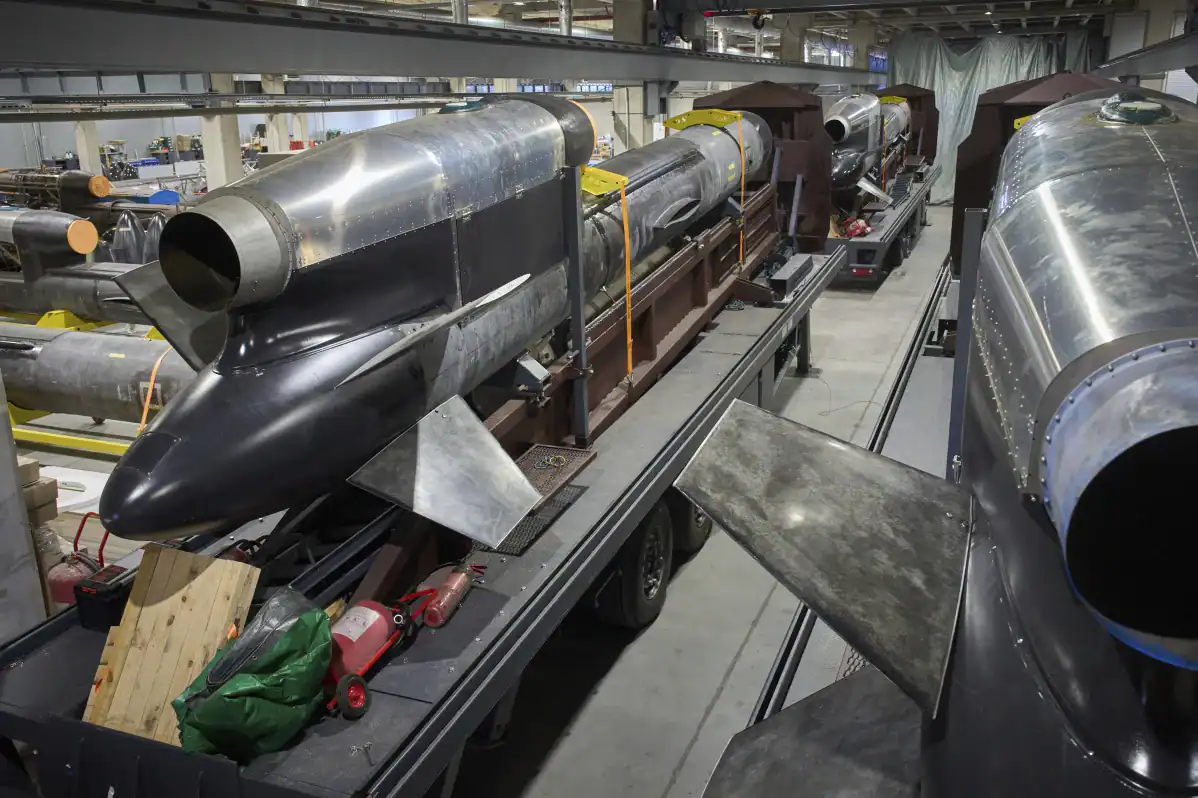
The Ukrainian FP-5 Flamingo cruise missile uses a French guidance system developed by Safran.
This was reported by Le Monde.
Fire Point, the manufacturer of the Flamingo cruise missile, confirmed that the system had been integrated “more than a year ago.”
The company also said that Safran is involved in the development of “several other products” together with the Ukrainian manufacturer.
Safran also noted that through its subsidiary Preligens, it supplies navigation equipment, optoelectronic systems, counter-drone systems and intelligence data analysis solutions to other “Ukrainian operators.”
Earlier, in April, it became known that France planned to create its own analogue of the FP-5, with development to be carried out by Turgis Gaillard and Renault.
On July 1, it was reported that a strike by Ukrainian Flamingo cruise missiles on June 27 destroyed parts of two buildings at the Titan-Barricade plant in Volgograd.
The enterprise is a strategically important facility of Russia’s defense industry and is part of the Roscosmos state corporation.
Earlier, on June 27, it was reported that at least five Flamingo cruise missiles struck the territory of the Titan-Barricade enterprise in Volgograd, which manufactures launchers for Russia’s strategic missile systems.
The enterprise is located 400 kilometers from Ukraine’s state border and is one of Russia’s most secretive weapons manufacturers, producing components for the Oreshnik, Iskander-M, Topol-M and Yars missile systems.
On June 10, these missiles also struck the VNIIR-Progress defense enterprise in Cheboksary, which manufactures GNSS receivers and antennas for GLONASS, GPS and Galileo satellite navigation systems used by the Russian military.
The cruise missile is about 12 meters long, has a wingspan of 7 meters and a total weight of almost six tons. The FP-5 Flamingo is equipped with a warhead weighing about 1,150 kilograms.
The missile’s cruise speed is approximately 700 km/h, with a maximum speed of 950 km/h and a declared range of up to 3,000 kilometers.
The missile can remain airborne for almost four hours. Early versions used the engine from the L-39 Albatros training aircraft as the powerplant.
At the same time, new photographs may indicate the installation of a different type of engine. A solid-fuel booster is used for launch and separates several seconds after takeoff.
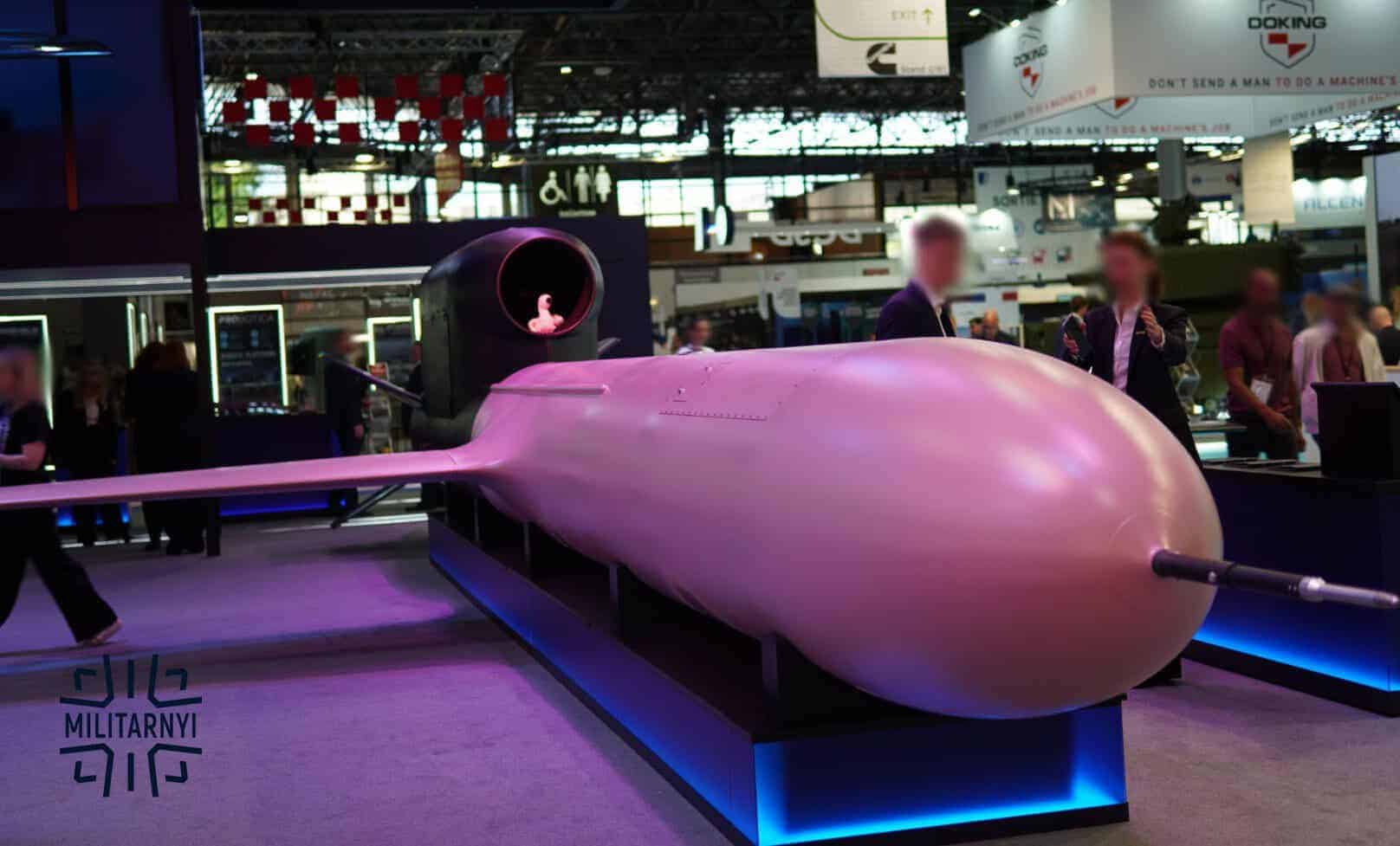
Recently, it also became known that one of the main features of the FP-5 missile is the use of the ArduPilot system, which is widely used in unmanned aviation.
The system provides automatic flight control, route planning, course maintenance, interaction with sensors and mission control.
Due to its open architecture, the software can be quickly adapted for new tasks or operating algorithms can be changed depending on combat conditions.
The system does not rely solely on GPS navigation and uses a combined control system.
Підтримати нас можна через:
Приват: 5169 3351 0164 7408 PayPal - [email protected] Стати нашим патроном за лінком ⬇
Subscribe to our newsletter
or on ours Telegram
Thank you!!
You are subscribed to our newsletter