






Popular
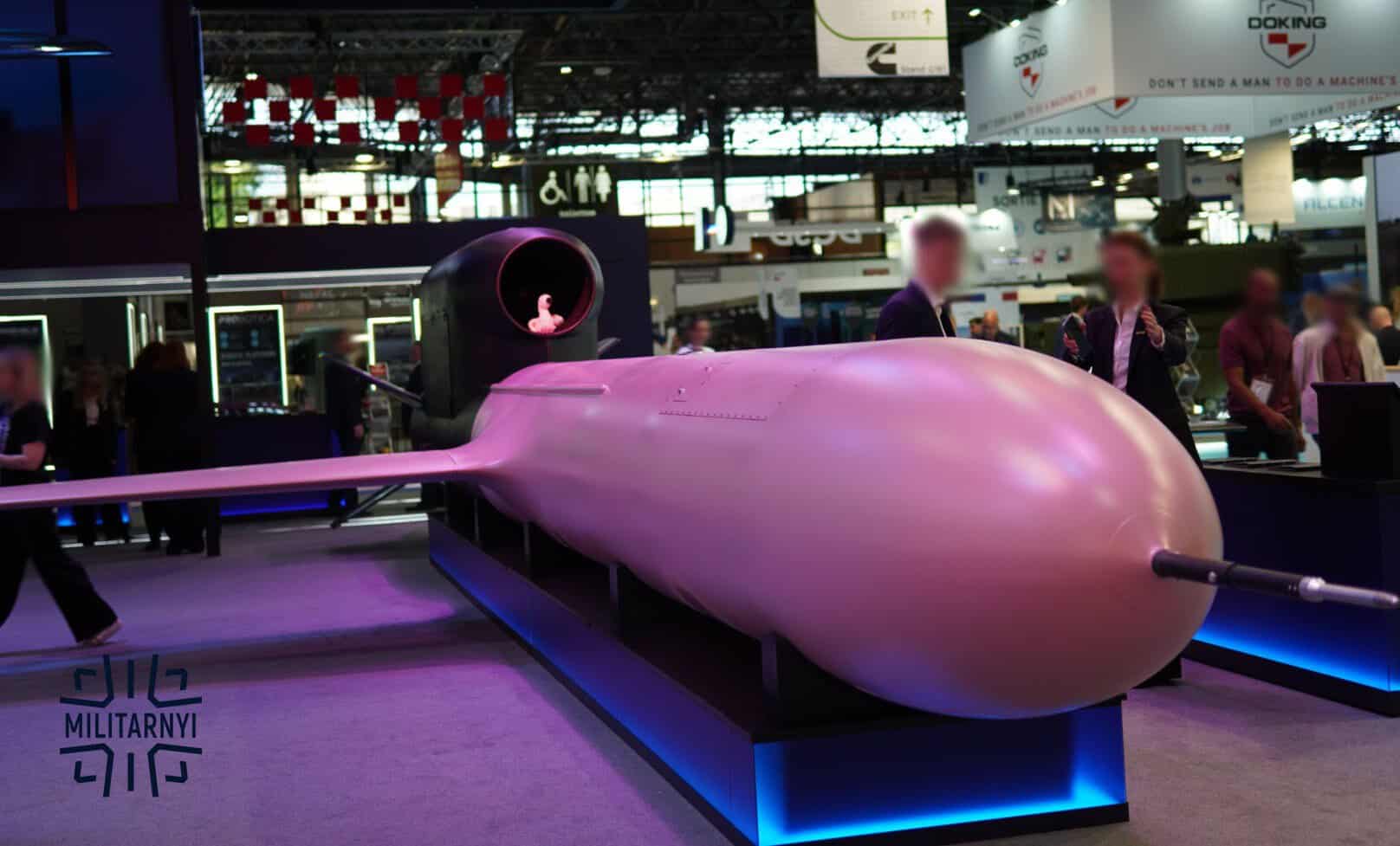
One of the key features of the FP-5 Flamingo missile is the ArduPilot system, which is widely used in the field of unmanned aviation.
This was reported by Futura, whose journalists examined the missile during the Eurosatory exhibition.
It is this system that provides automatic flight control, route planning, course maintenance, interaction with sensors, and mission execution monitoring.
Thanks to its open architecture, the software can be quickly adapted to new tasks or have its operating algorithms modified depending on combat conditions.

One of the FP-5’s key advantages is its ability to operate in conditions of active electronic warfare.
The system does not rely solely on GPS navigation and uses a combined control system.

If the satellite signal is lost, the system switches to autonomous mode and continues calculating its route using the principle of so-called dead reckoning.
During flight, the system continuously calculates the missile’s position based on speed, heading, acceleration, and elapsed time. This allows the flight to continue even under conditions of intense GPS jamming.
The cruise missile is approximately 12 meters long, has a wingspan of 7 meters, and weighs nearly six metric tons.
The FP-5 Flamingo is equipped with a warhead weighing about 1,150 kilograms. Its cruising speed is approximately 700 km/h, its maximum speed reaches 950 km/h, and its stated range is up to 3,000 kilometers.
The missile can remain airborne for nearly four hours.

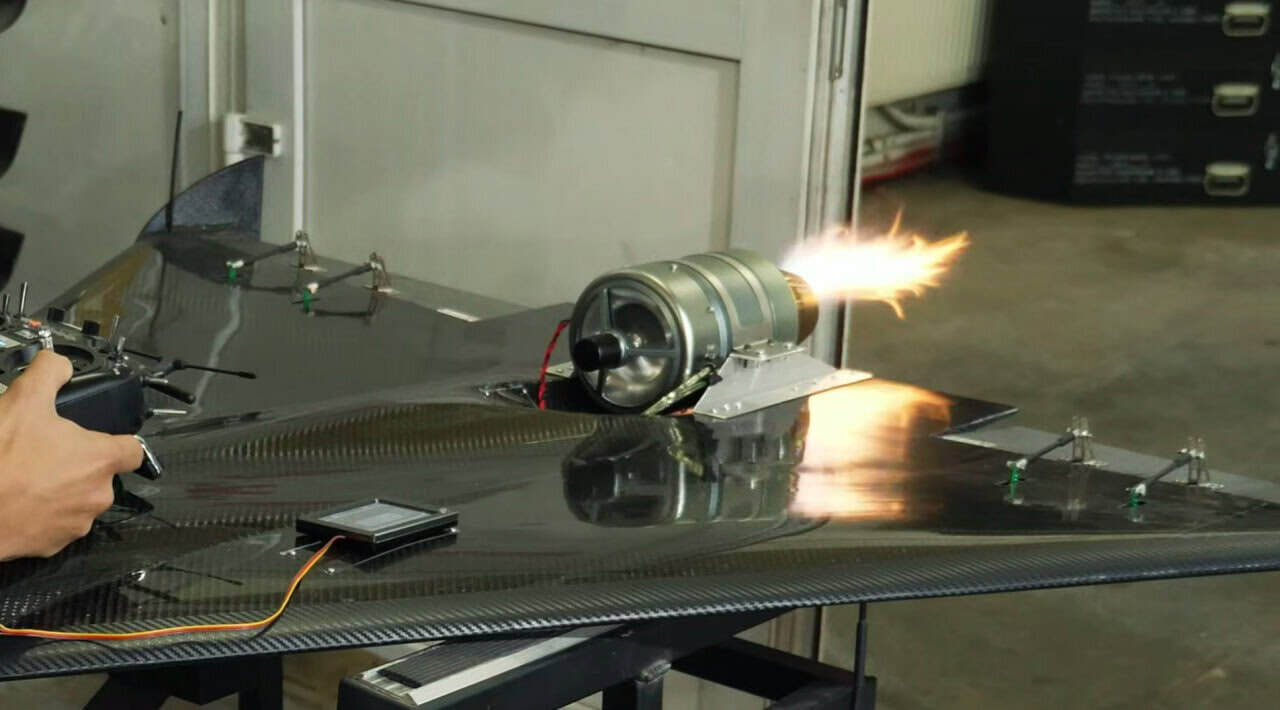
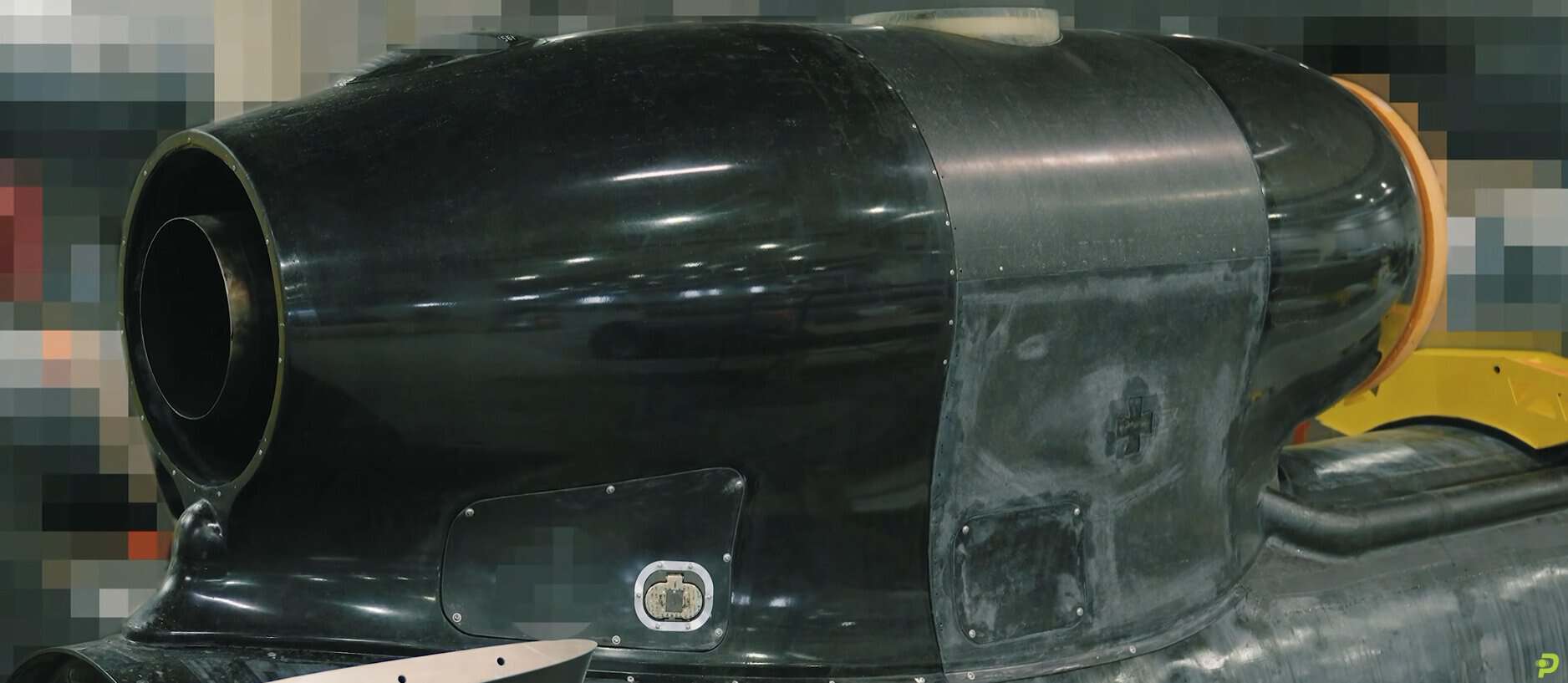
In the missile’s early versions, the engine from the L-39 Albatros training aircraft was used as the powerplant.
However, new photographs may indicate that a different type of engine has been installed.
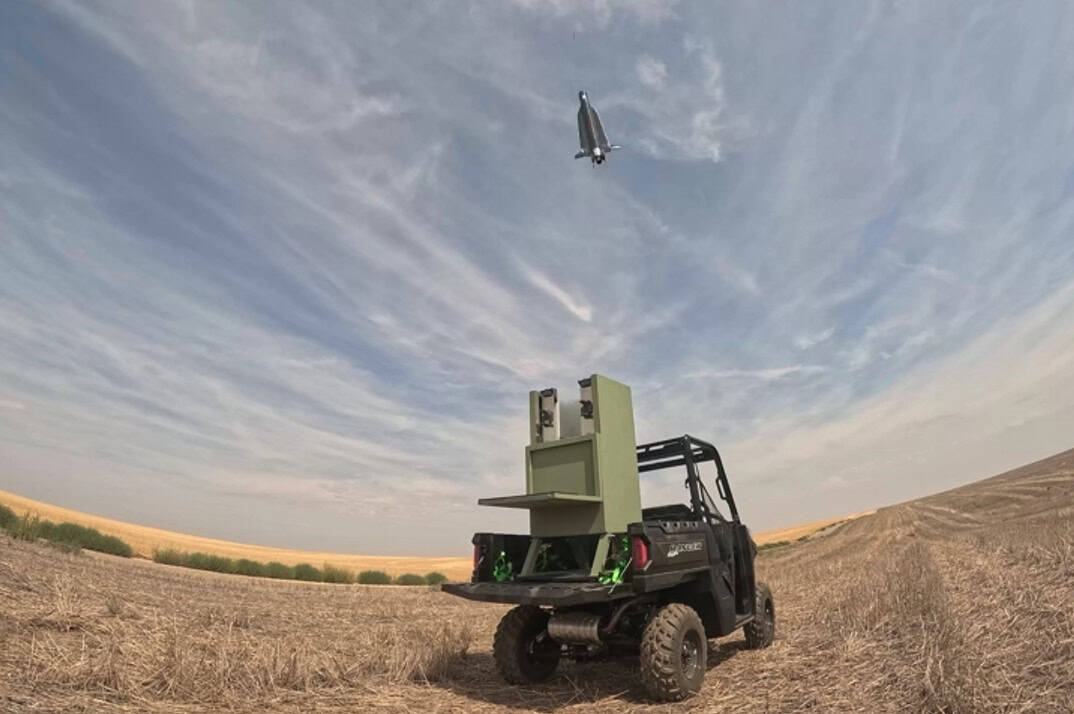
A solid-fuel booster is used for launch, which separates a few seconds after liftoff.
Підтримати нас можна через:
Приват: 5169 3351 0164 7408 PayPal - [email protected] Стати нашим патроном за лінком ⬇
Subscribe to our newsletter
or on ours Telegram
Thank you!!
You are subscribed to our newsletter