



Popular
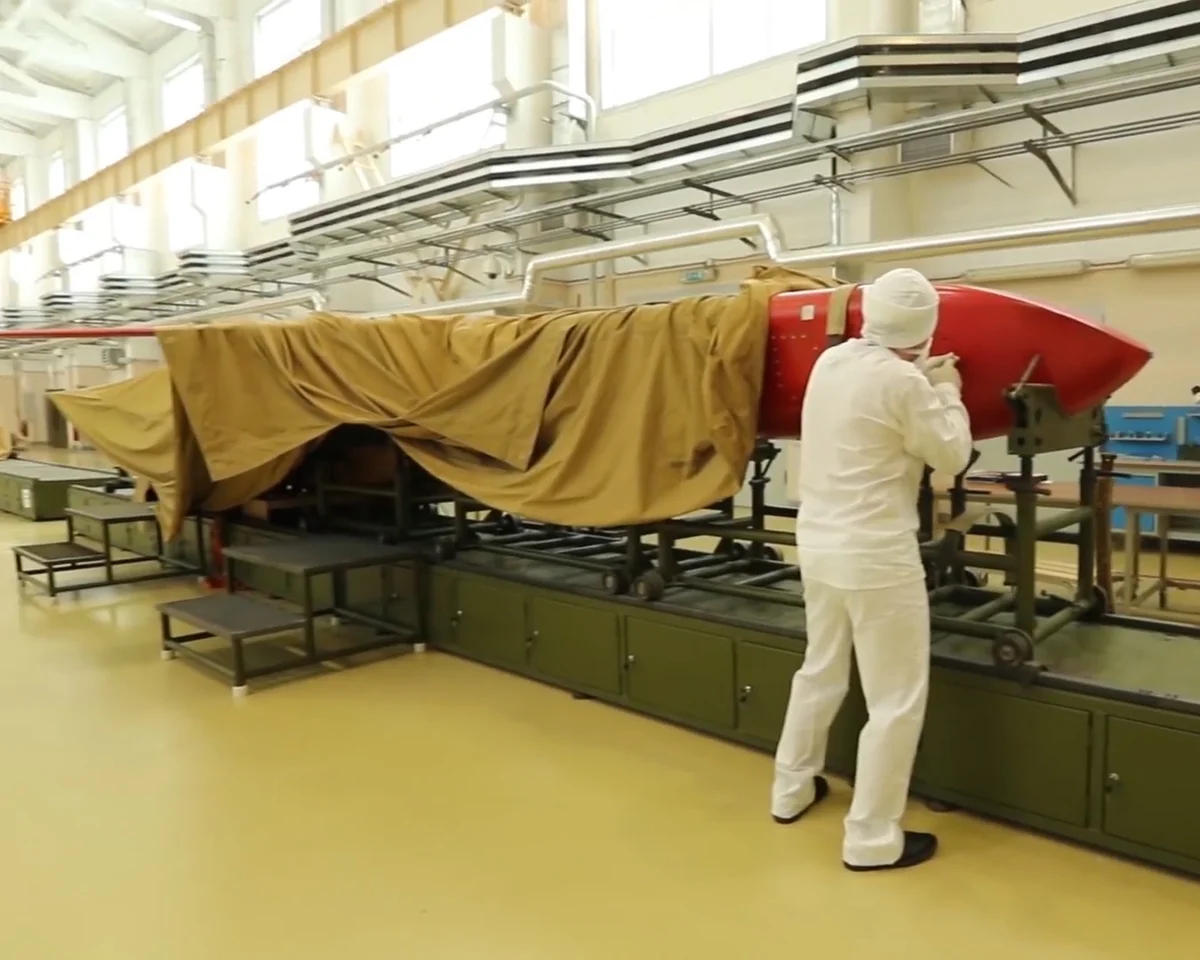
The Russian 9M730 Burevestnik cruise missile (NATO designation: SSC-X-9 Skyfall) uses a direct-cycle air-breathing nuclear propulsion system that leaves a radioactive trail behind it.
This conclusion was reached by two scientists from the Massachusetts Institute of Technology (MIT).
They believe that this particular design best explains the claimed flight duration and the missile’s dimensions.
According to this assessment, the operation works as follows: first, the missile launches using a solid-fuel booster, which accelerates it and provides initial flight. Next, the main nuclear sustainer engine kicks in.
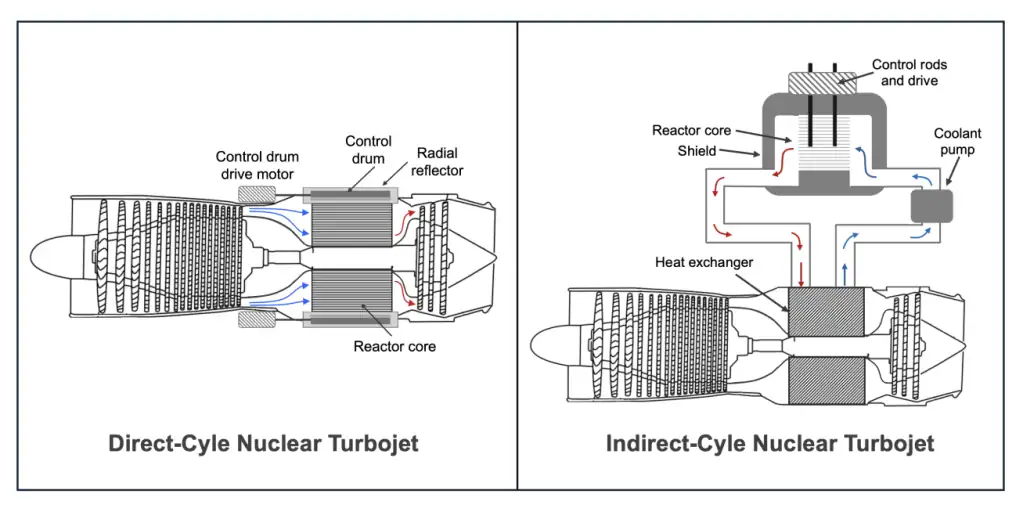
A compressor forces atmospheric air into the engine; the air passes through numerous narrow channels around the nuclear fuel, is heated by the heat of nuclear fission, and, as it expands, is expelled through the nozzle. It is this flow that generates thrust.
The main difference between this design and a conventional aircraft engine is that the rocket does not carry a large supply of chemical fuel for the main flight. Its range is limited not by the amount of kerosene or other fuel, but by the lifespan of the nuclear power source.
This is precisely why the Russian side speaks of an almost unlimited range, while Western assessments associate the Burevestnik with an extremely long flight at low altitudes.
At the same time, such compactness has a critical drawback. If air passes directly through the reactor, it almost certainly carries away some of the radioactive byproducts and releases them in the missile’s wake.
The institute’s analysis identifies this scheme as the most likely, but also the dirtiest. The direct cycle almost certainly results in the release of radioactive material throughout the entire flight.

Researchers also consider a closed indirect cycle—in which the reactor heats an intermediate coolant rather than the air directly—to be unlikely. Such a design would require larger dimensions, greater mass, and a more complex structure, which seems impractical for a rocket of this class.
Therefore, it is precisely the direct cycle that explains why Skyfall can remain airborne for a very long time, but at the same time poses a radiation threat along its flight path.
Earlier, Militarnyi reported that the missile last underwent testing on October 21, 2025. At that time, according to official representatives of the Ministry of Defence of the Russian Federation, the missile’s flight lasted about 15 hours, during which it covered approximately 14,000 kilometers.
US intelligence recorded the first test launches of the 9M730 Burevestnik missile in June 2016.
From then until February 26, 2018, up to twelve launches were conducted. US intelligence considers only one of them—the one carried out in November 2017—to have been successful.
Підтримати нас можна через:
Приват: 5169 3351 0164 7408 PayPal - [email protected] Стати нашим патроном за лінком ⬇
Subscribe to our newsletter
or on ours Telegram
Thank you!!
You are subscribed to our newsletter