





Popular
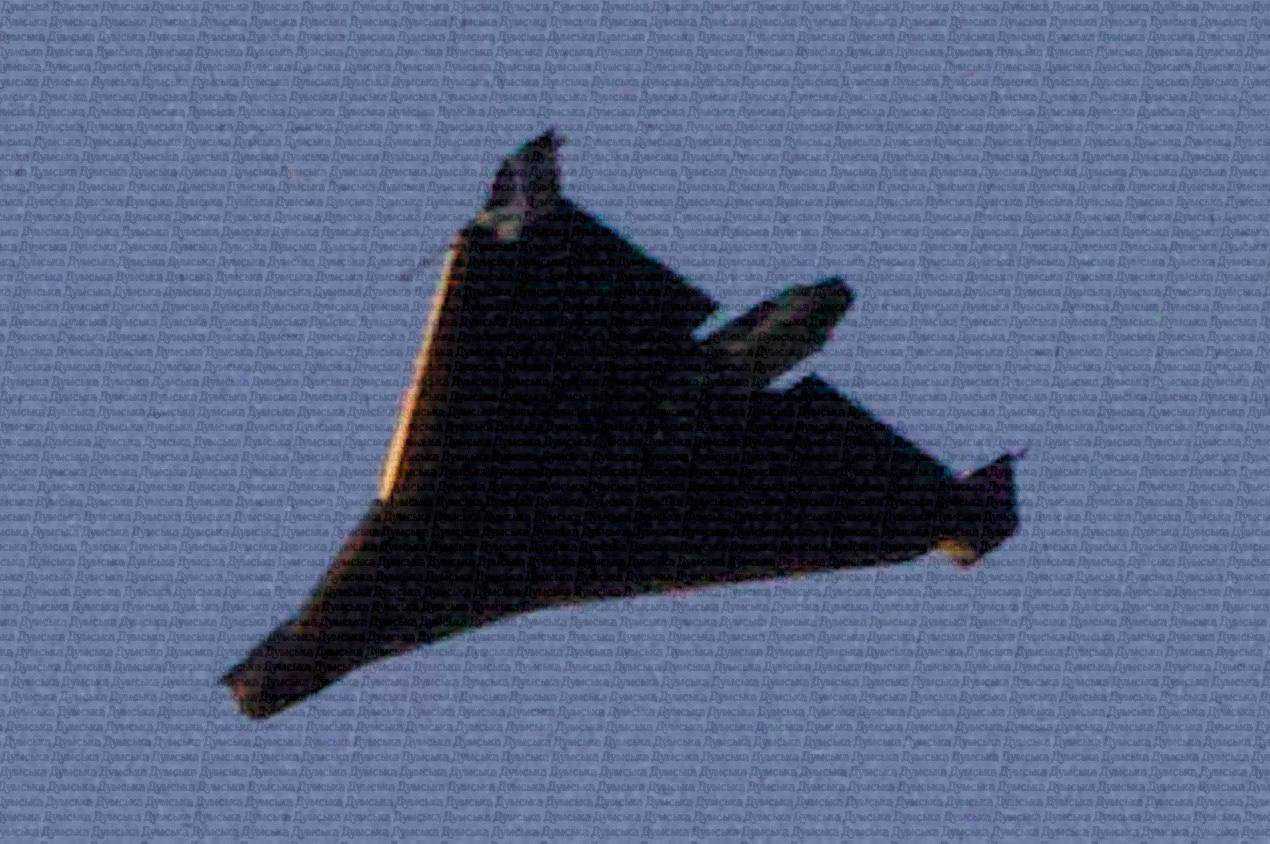
The Russians have modified the Geran-4 Seeker jet-powered attack UAV by redesigning its nose section to integrate an electro-optical (EO) guidance system.
According to Militarnyi, which analyzed recently released photographs of the drone, the new version features two major changes: a redesigned nose housing a compact electro-optical sensor, and a terminal guidance capability that allows the UAV to autonomously acquire and strike its target even if the communications link is lost during the final attack dive.
In addition, the UAV carries a fixed forward-facing auxiliary camera, which OSINT researchers identified as a Chinese-made Dahua TiOC Dual-Lens Panoramic camera with a 180-degree field of view. It is believed to provide wide-area terrain observation and initial target area acquisition, enhancing the drone’s overall situational awareness.
Another hypothesis is that the camera is used to detect interceptor drones during the terminal phase of the mission.

The Geran-4 Seeker is reported to have a maximum range of up to 550 km, a cruising speed of approximately 300 km/h, and a 50 kg warhead.
Russian forces are already employing these UAVs operationally, including in strikes against port infrastructure and commercial vessels in the Black Sea.

The first documented use of the Geran-4 jet-powered attack UAV was recorded in early May 2026, when a Ukrainian interceptor drone captured the aircraft on camera.
According to the Defense Intelligence of Ukraine, the baseline Geran-4 is approximately 3.6 meters long, has a wingspan of 3.05 meters, and a maximum takeoff weight of up to 450 kg. Its standard warhead weight is approximately 50 kg.


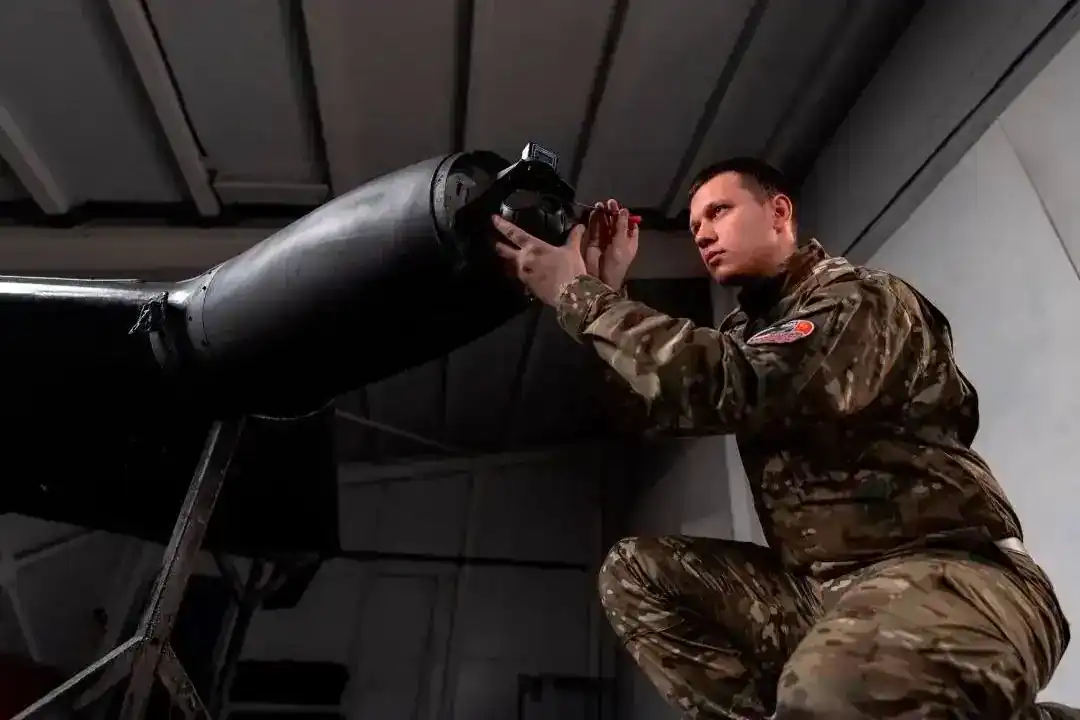
Different examples of the UAV have been observed equipped with two types of Chinese turbojet engines: the discontinued Telefly LX-WP-160, which produces approximately 160 kgf of thrust, and the more powerful Telefly TF-TJ2000A, rated at approximately 200 kgf of thrust. The latter is also used in the Geran-5 jet-powered UAV.
The redesigned airframe enables the aircraft to perform high-speed maneuvering at 300–400 km/h, while its reinforced structure is designed to withstand high aerodynamic loads. The UAV has a maximum speed of up to 500 km/h, a service ceiling of 5,000 meters, and an operational range of approximately 450 km in the baseline configuration.
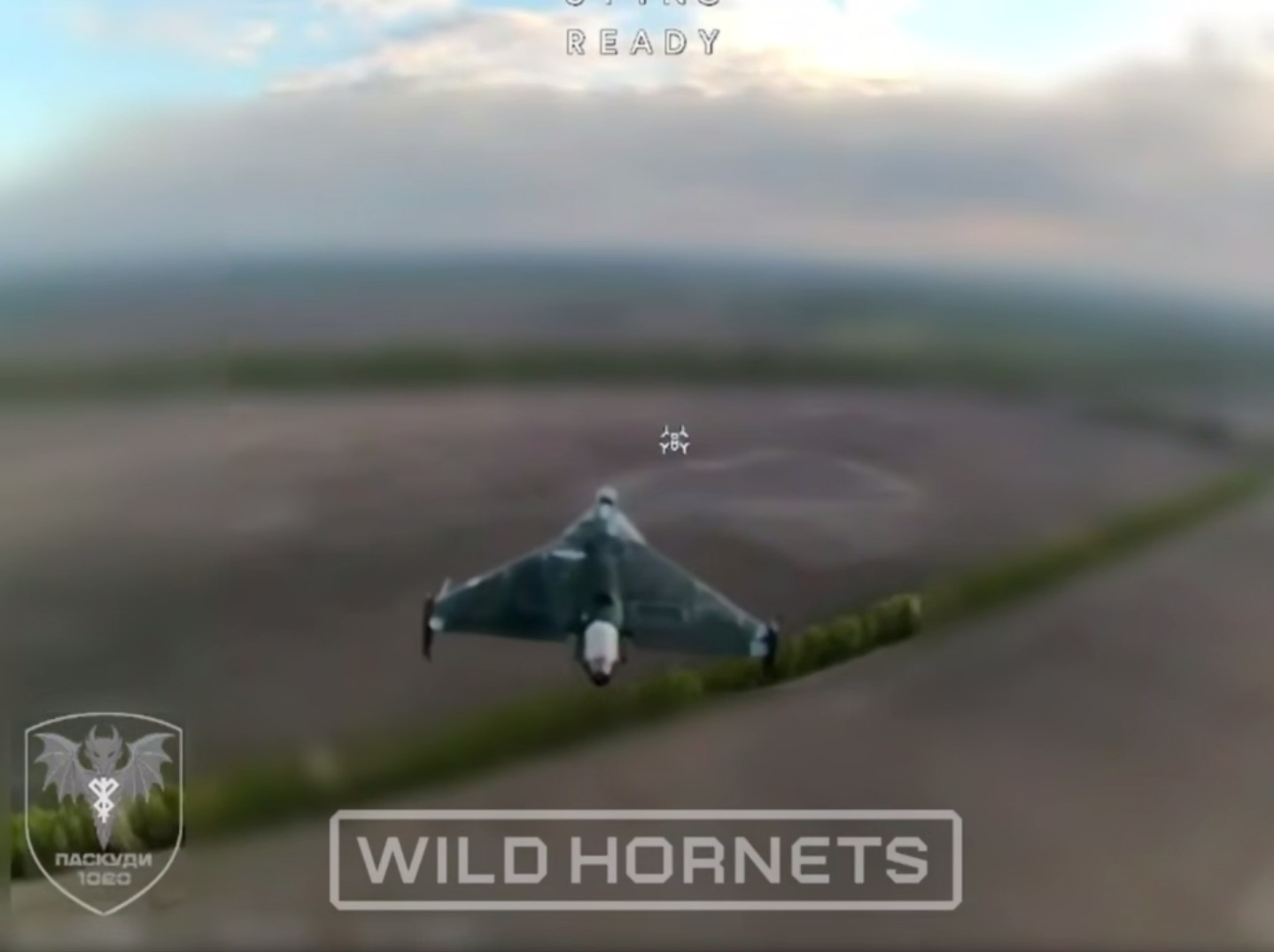
The high speed of the jet-powered Geran UAVs makes them more difficult to intercept by mobile air-defense fire teams and some Ukrainian interceptor drones. Due to insufficient speed, Ukrainian interceptor UAVs are currently unable to systematically counter Russian jet-powered UAVs.
In early June 2026, then-Commander-in-Chief of the Armed Forces of Ukraine Oleksandr Syrskyi stated that Russia planned to significantly increase the use of jet-powered attack UAVs in aerial attacks against Ukraine, with their share potentially reaching 50%.
Since the beginning of the year through mid-June, Russian forces have already deployed 1,400 jet-powered UAVs of the Geran-3, Geran-4, and Geran-5 types, whereas only 180 such drones were recorded throughout the entire previous year.
Підтримати нас можна через:
Приват: 5169 3351 0164 7408 PayPal - [email protected] Стати нашим патроном за лінком ⬇
Subscribe to our newsletter
or on ours Telegram
Thank you!!
You are subscribed to our newsletter