







Popular
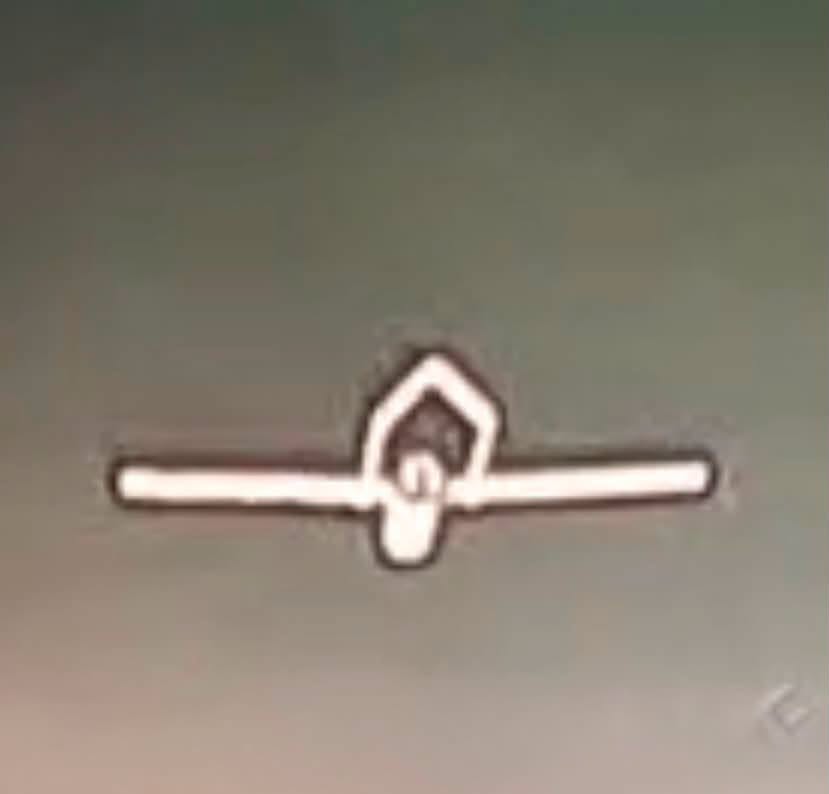
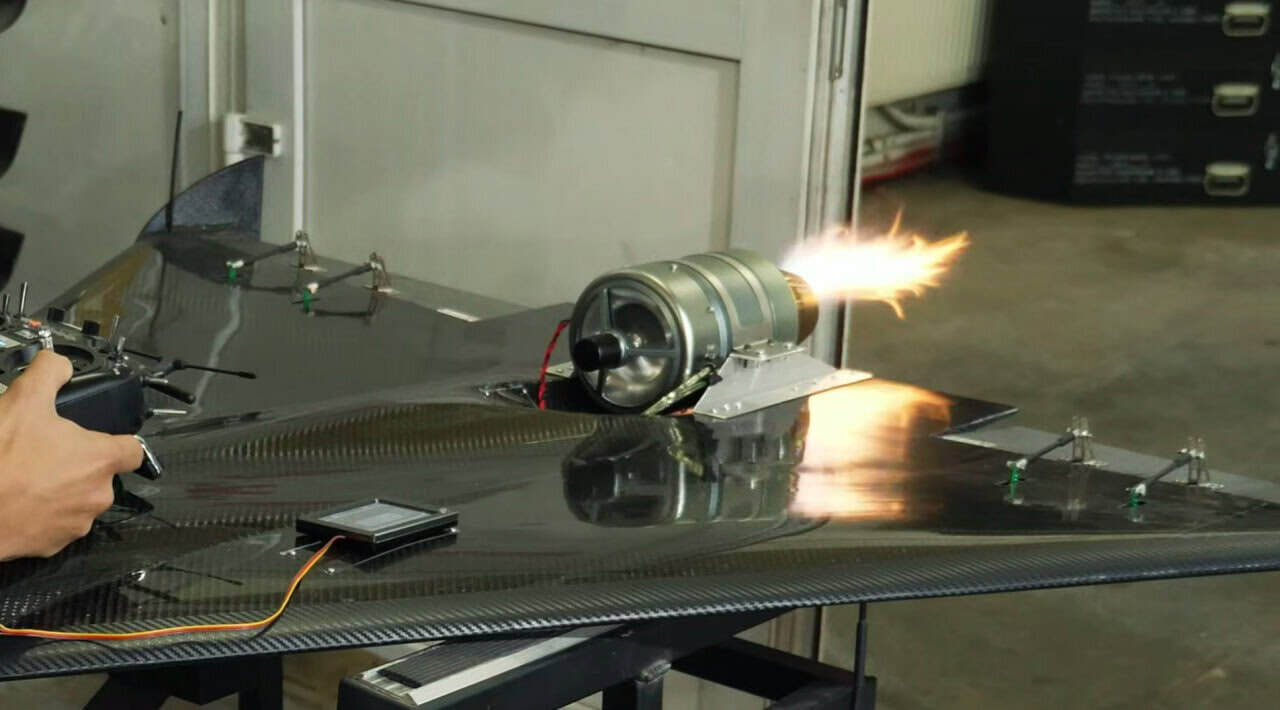
Russia has likely started using captured Ukrainian long-range drones for provocations, a possibility that Polish officials had previously warned about.
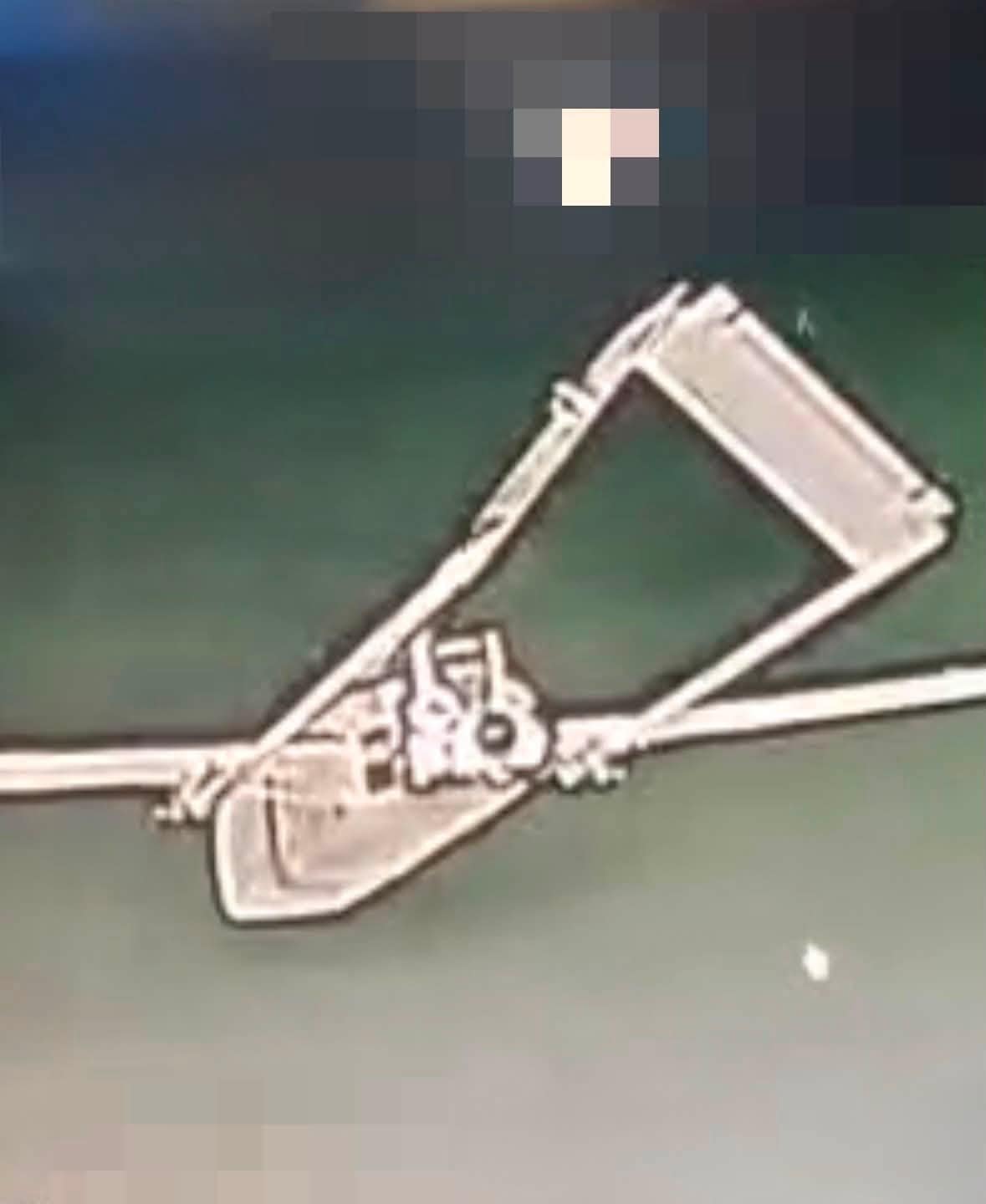
This may be indicated by footage from a Ukrainian interceptor drone released by Serhii “Flash” Beskrestnov, an adviser to the President of Ukraine on the development of defense technologies.
The aircraft’s silhouette, straight-wing proportions, fuselage shape, and tail assembly match the distinctive design characteristics of the Ukrainian long-range UAV.
Russian forces may have acquired these drones after they were forced to land due to electronic warfare (EW) interference or crashed due to technical malfunctions. The partially intact airframes could then have been recovered, refurbished, reprogrammed, or reverse-engineered to produce copies.
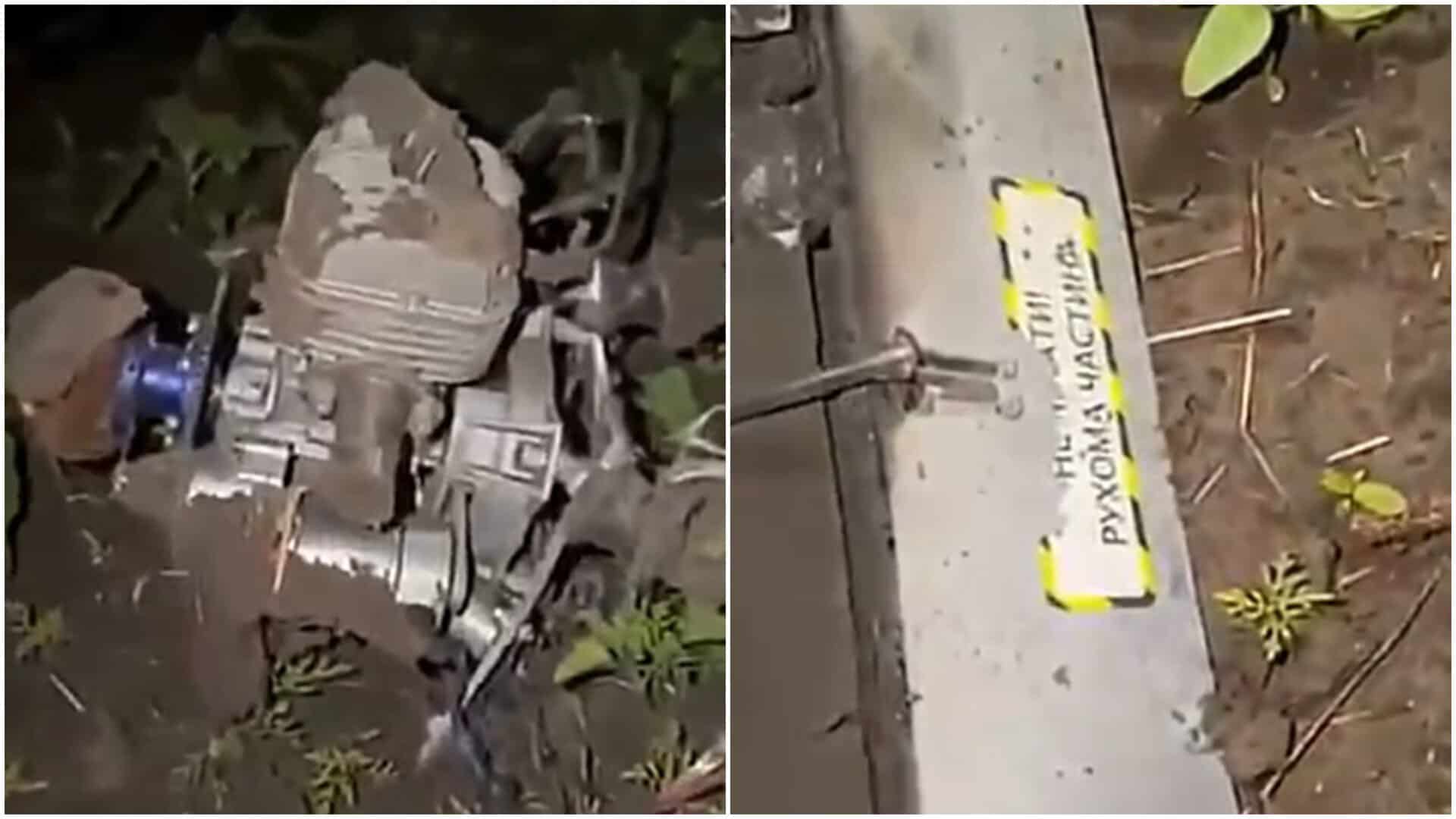
This assessment may also be supported by an incident in Moldova on June 8, 2026. During a large-scale Russian strike against Ukraine, one unmanned aerial vehicle crossed into Moldovan airspace and exploded near the village of Lopatna, Orhei District.
Local residents reported finding Ukrainian-language markings on the wreckage, and Moldova’s Ministry of Foreign Affairs stated that the drone was highly likely Ukrainian in origin.
At the same time, Ukrainian Foreign Minister Andrii Sybiha stated that the drone that crashed in Moldova during Russia’s large-scale strike against Ukraine was Russian.
It remains unclear whether the UAV entered Moldova due to a navigation error, the effects of electronic warfare (EW), Russian interference, or the deliberate use of a captured drone.
In July, Polish Minister of National Defense Władysław Kosiniak-Kamysz warned that Russia had captured a significant number of Ukrainian unmanned aerial vehicles and could use them in false-flag operations.
According to Kosiniak-Kamysz, such UAVs could be employed to carry out provocations against Poland and other NATO member states, creating the impression that Ukraine launched the attacks and thereby increasing political tensions among the Alliance’s allies.

He also emphasized that the threat posed by Russia “remains consistently very high” and said he would “never seek to reassure” the public about it.
In early July, it emerged that, according to Polish intelligence services, Poland could become the target of Russian kinetic or hybrid provocations intended to test NATO’s resolve and create conditions for ending Western support for Ukraine.
On July 30, during a Russian strike on Ukraine, a Kh-101 air-launched cruise missile penetrated nearly 100 km into Polish territory before crashing in Lublin Voivodeship.
Підтримати нас можна через:
Приват: 5169 3351 0164 7408 PayPal - [email protected] Стати нашим патроном за лінком ⬇
Subscribe to our newsletter
or on ours Telegram
Thank you!!
You are subscribed to our newsletter