
Islamist Offensive in Mali: The Prospect of a “Syrian Scenario” in the Sahel

Solid Info
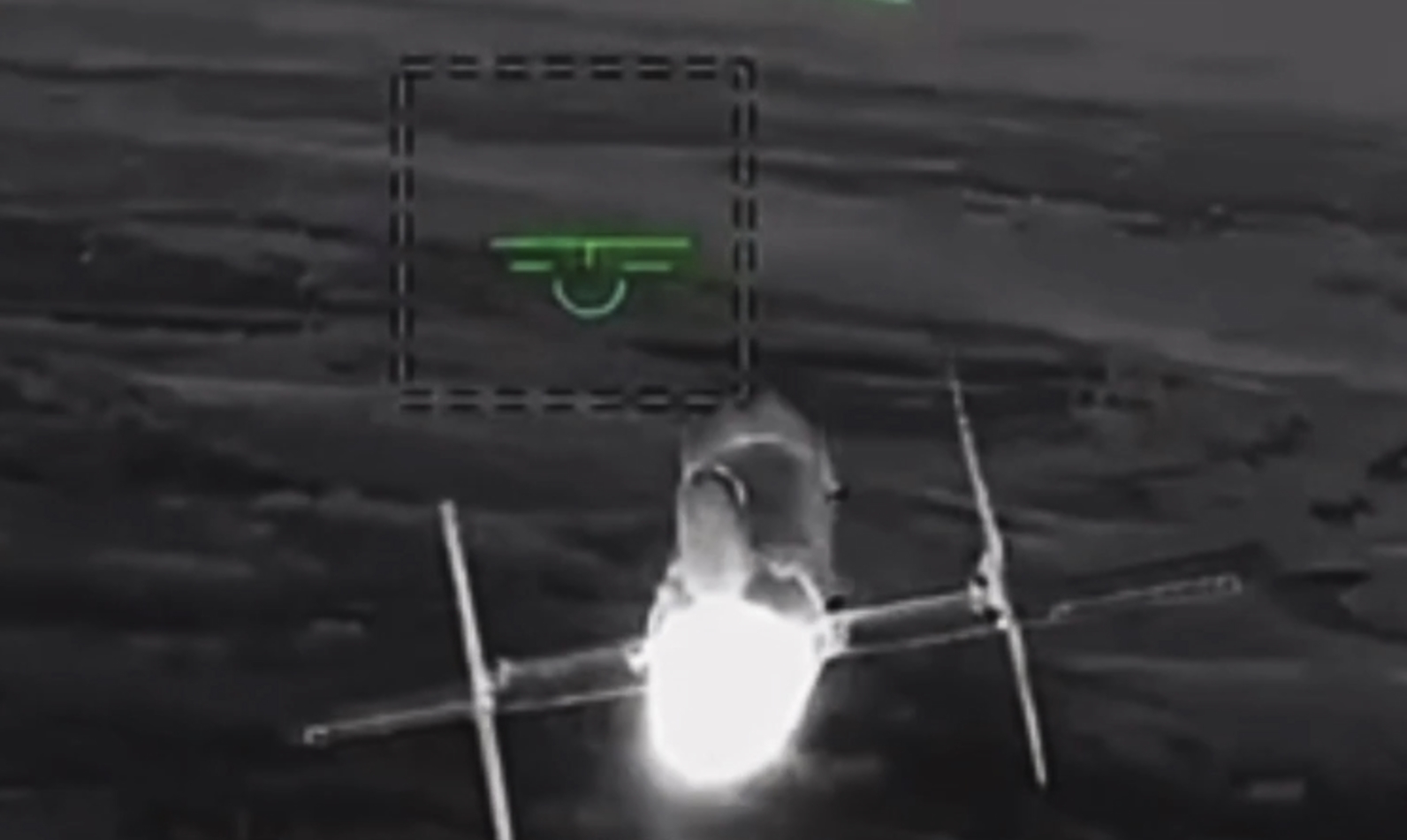
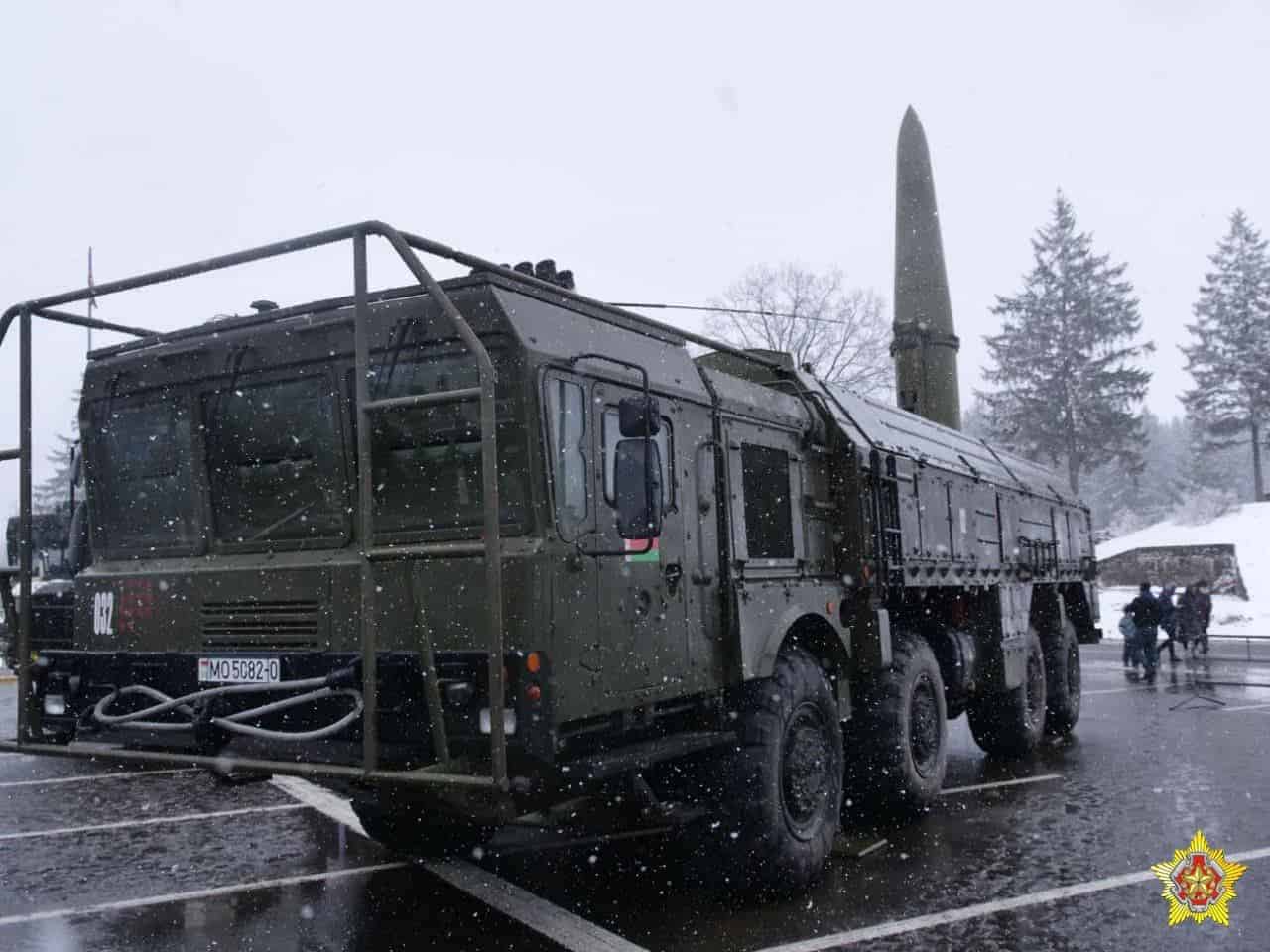

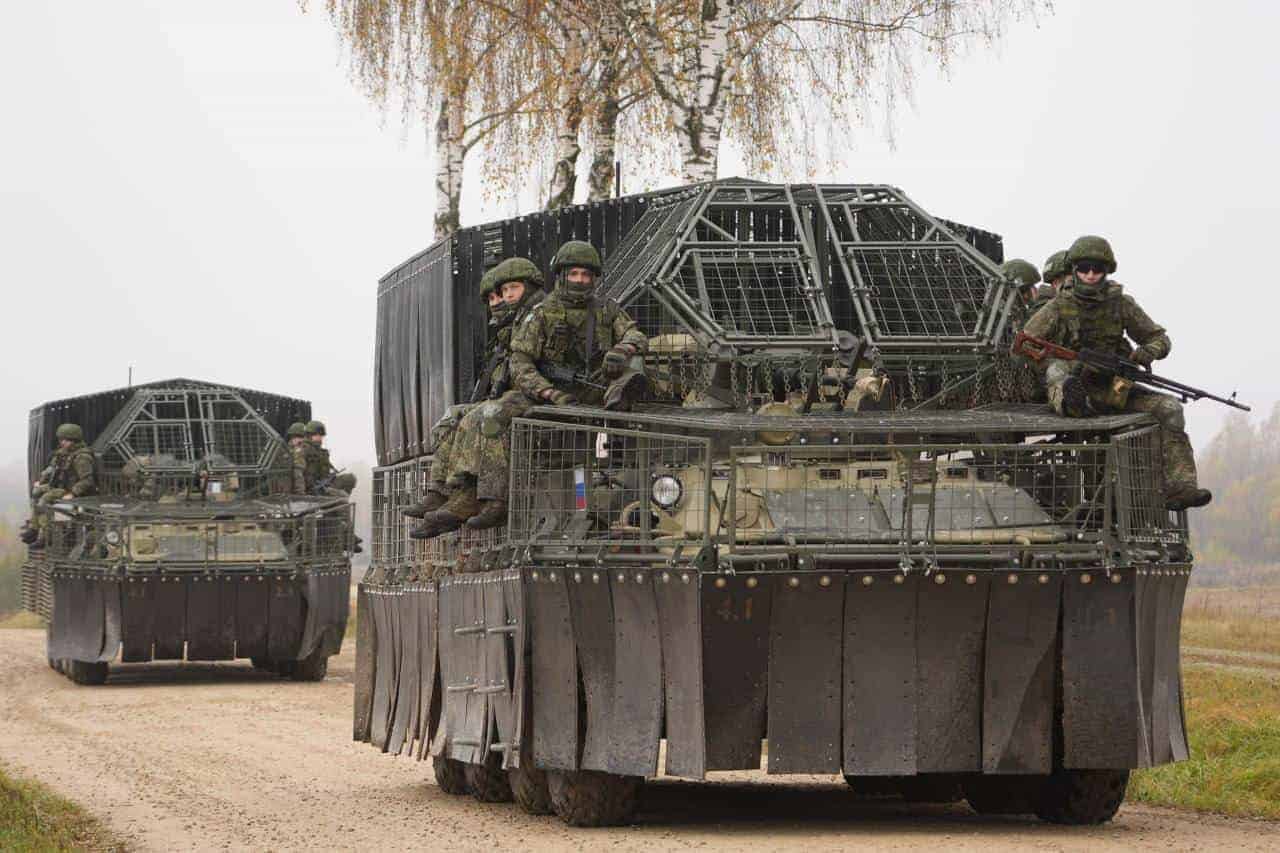

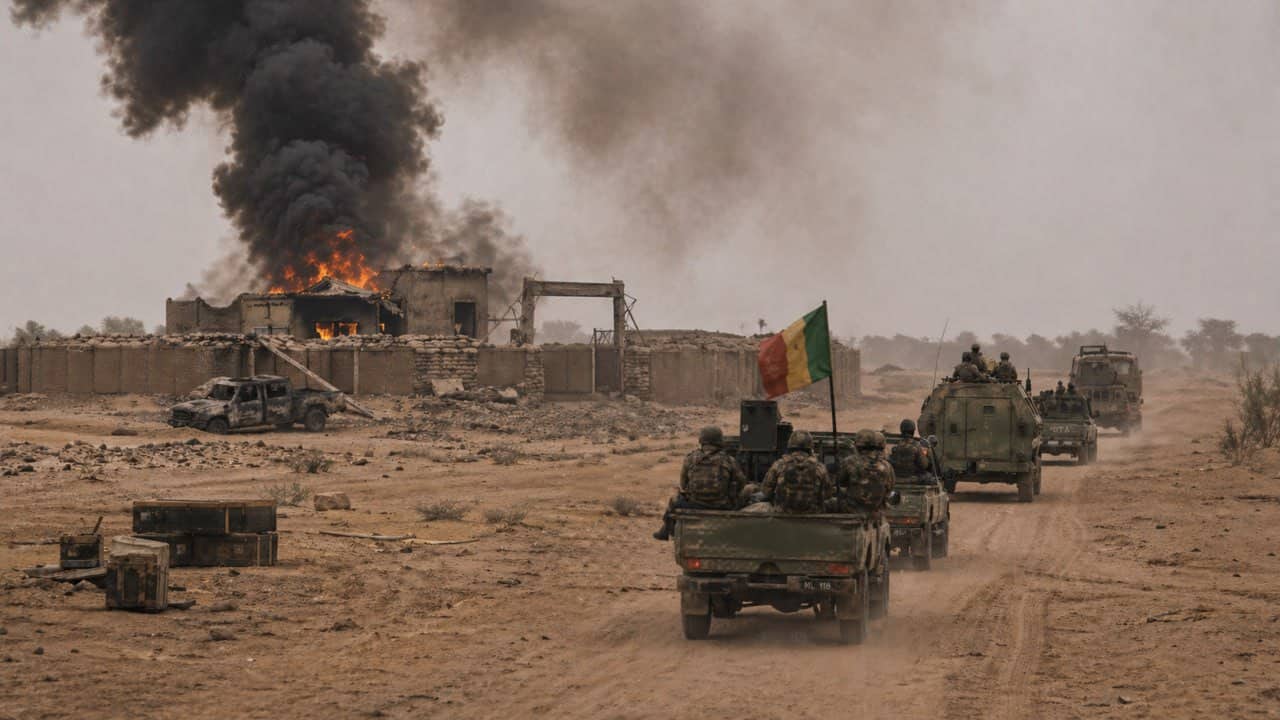
On April 25, 2026, a coordinated offensive by the Islamist groups JNIM (Jamaat Nusrat al-Islam wal-Muslimin) and the Azawad Liberation Front swept through Mali’s key cities. Russian Africa Corps units, backed by the Malian army, abandoned Kidal under a safe-passage agreement with the militants’ leadership and fell back to Bamako and the junta’s main military base at Kati. On April 27, they relinquished a second base and the town of Tessit in the Gao region after JNIM offered safe withdrawal in exchange for neutrality.
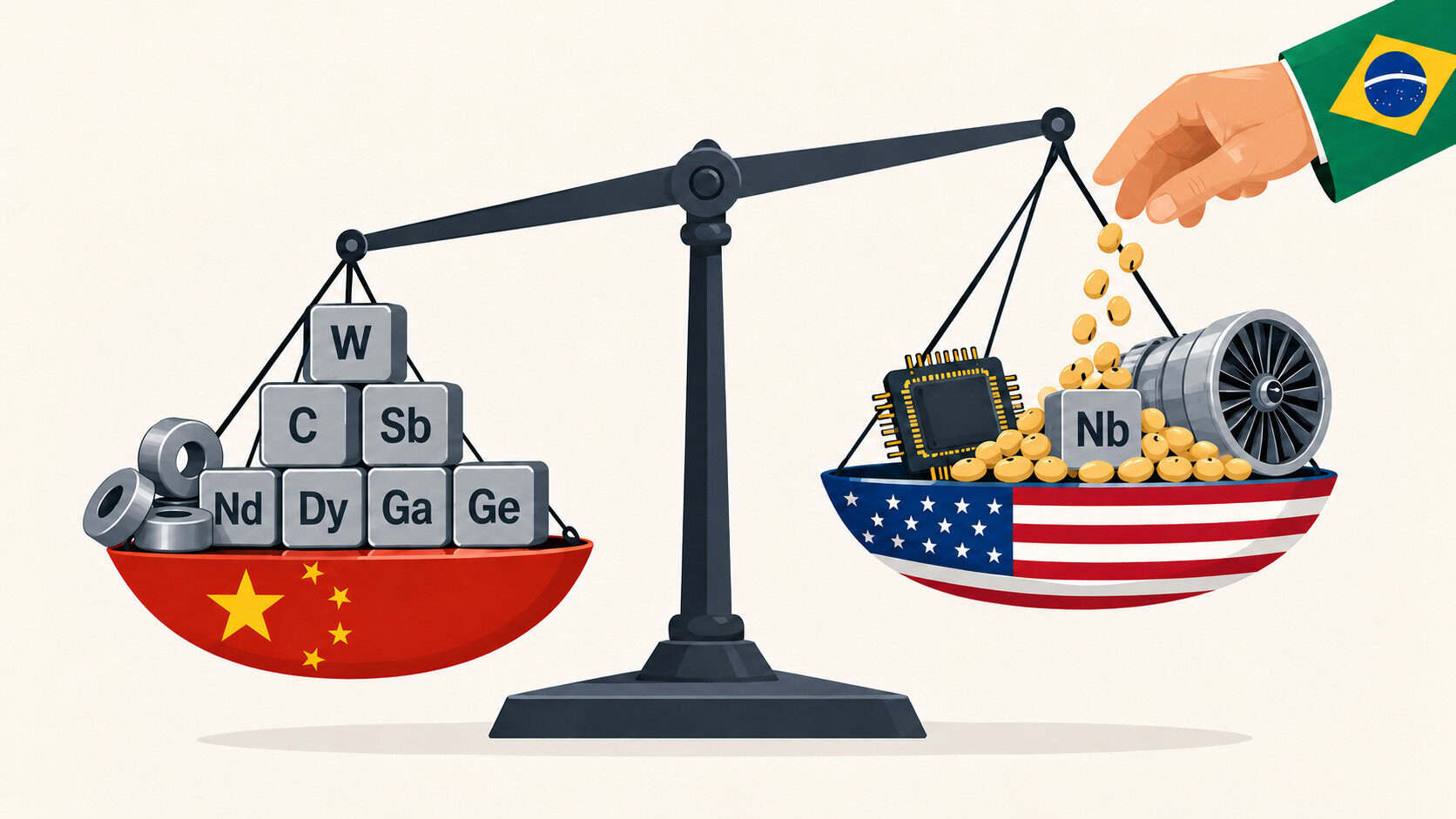
This is the most severe string of defeats for Assimi Goïta’s regime since 2021, opening the prospect of a sharp reconfiguration of forces in West Africa—a region where the Goulamina lithium deposit supplies China’s Ganfeng Lithium with the exclusive volumes of spodumene needed for EV battery production, and where the Ansongo manganese reserves fall within the orbit of Chinese metallurgical dominance. Pushing Beijing out of the region remains, for Washington, a strategic question in the contest for critical materials underpinning semiconductors, batteries, and high-end weapons systems.
The juntas in Mali, Burkina Faso, and Niger came to power on the bayonets of Russia’s Wagner PMC during 2020–2023: Assimi Goïta in Bamako in August 2020; Ibrahim Traoré in September 2022 (after ousting the January coup-maker Paul-Henri Damiba); and Abdourahamane Tiani in Niger in July 2023.
In January 2025, the three regimes formally withdrew from the Economic Community of West African States (ECOWAS), severing preferential trade ties with the regional bloc and forming the Alliance of Sahel States (AES), oriented toward Moscow and Beijing.
China’s footprint in Guinea enabled landlocked Mali to secure, in January 2026, ten hectares of port space in Conakry and twenty hectares at the Kankan transit hub—redirecting export flows from Senegal’s Dakar to the Guinean coast, where Chinese capital already dominated bauxite infrastructure. The arrangement laid the groundwork for an autonomous logistics circuit funneling Sahelian resources to the Chinese market outside Western logistics.
On February 2, 2026, Nick Chekr, a representative of the State Department’s Bureau of African Affairs, arrived in Mali’s capital Bamako to partially restore diplomatic contacts that had been minimized since the military regime’s installation in 2021. Following the visit, Chekr received signals of the junta’s willingness to engage constructively, which allowed Washington to invite delegations from Mali, Burkina Faso, and Niger to the first Critical Minerals Summit, convened by Secretary of State Marco Rubio on February 4 in Washington with delegates from 54 countries.
At the summit, Vice President Vance proposed creating a trade bloc to counter China’s monopoly over critical minerals processing. Mali, Burkina Faso, and Niger declined to sign the framework agreement.
The penetration of Chinese and Russian capital into the local extractive sector had made open cooperation with the United States too risky for the juntas, even when Washington offered to lift restrictions on the supply of American weapons. Despite the Sahel regimes’ negative response, Washington kept channels of communication open.
Sporadic offensive operations by jihadist groups against the regimes had been mounting unsystematically since the second half of 2024. The destruction of a joint Malian army–Africa Corps column near Tinzaouatène in July 2024 became the first public signal that Russian tactics were ineffective for large-scale counterinsurgency.
By early 2026, JNIM controlled 60 percent of Burkina Faso’s territory, ISGS had stepped up cross-border operations in Benin, Togo, and Ghana, and the offensive in Mali was gaining momentum—yet Moscow and Beijing remained convinced that existing instruments of containment were sufficient.
The systematic Islamist push that gained force through March and April 2026 brought the juntas back to the negotiating table. A suicide car-bomb attack on a residence in Kati—the country’s most fortified military garrison, fifteen kilometers northwest of Bamako, where Assimi Goïta himself resides—killed Mali’s defense minister, General Sadio Camara, on April 25.
Camara, 47, a key figure in the junta and the regime’s likely heir apparent, had personally taken part in the 2020 and 2021 coups and had architected the country’s pivot from Western partners to Moscow.
These developments open the prospect of dislodging Russian-Chinese influence from the region. The fall of Assad in Syria and the ascent of the radical Islamist Hayat Tahrir al-Sham (HTS) demonstrate that the radical wing’s transition to a moderate format occurs at the moment it takes power, assumes responsibility, and requires legitimization from the international community.
Syria’s new leader, Ahmed al-Sharaa, moved from the category of radical jihadist to acceptable partner by sending concrete signals to the West about abandoning portions of the radical agenda—offering an internationally palatable model of legitimization.
The intensified Islamist offensive, together with the deepening food, energy, and financial crisis tied directly to Iran’s blockade of the Strait of Hormuz during Operation Epic Fury, drove a revival of contacts between the Sahel regimes and Washington. From March 9 to 12, 2026, Chekr met with the leaders of Burkina Faso and Niger—the first publicly confirmed U.S. diplomatic engagement with all three Confederation members.
The juntas’ willingness to engage with Washington is also bound up with the erosion of one of Russia’s key instruments of leverage—the supply of Russian grain and fertilizer at preferential prices, which had allowed them to maintain social stability.
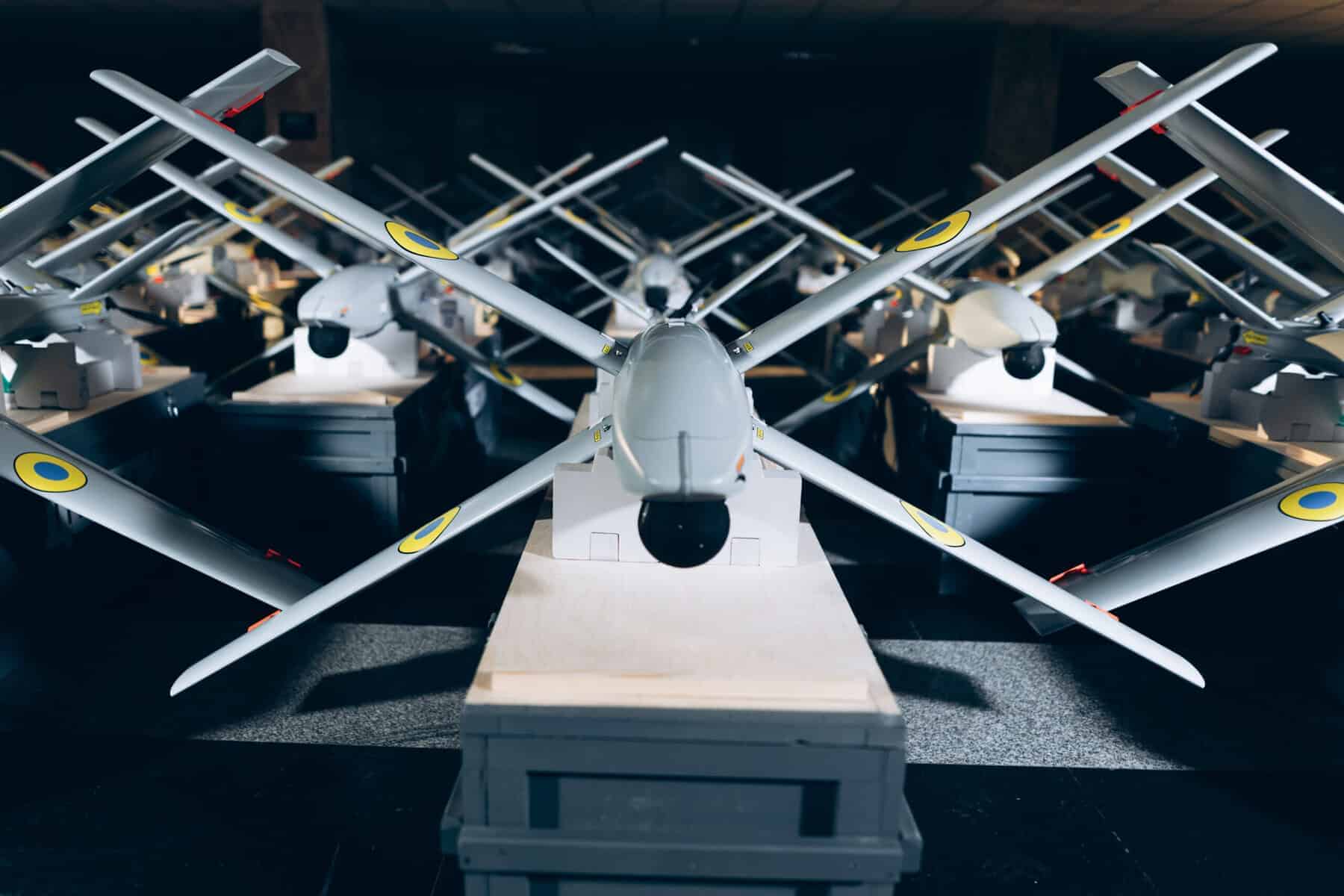
That instrument of Russian influence is losing its effectiveness through two parallel dynamics. First, the blockade of the Strait of Hormuz is shrinking the global supply of fertilizer. Second, systemic Ukrainian drone strikes on Russian refining and chemical production are degrading the capacity of Russia’s leading fertilizer firms—Uralchem, PhosAgro, and EuroChem.
Under current conditions, Kyiv has every incentive to scale up strikes on Russian chemical-industry targets, since this contracts Russian grain and fertilizer exports, denies Moscow the chance to occupy global markets that Ukraine had held, and curbs Russia’s ability to monetize the agricultural potential of occupied territories.
The intensity of Ukrainian strikes against Russian chemical sites will continue to climb. The involvement of Ukrainian instructors disseminating FPV drone tactics among insurgent forces has materially boosted rebel battlefield effectiveness. At the same time, the second-order effects of deep strikes against Russia’s chemical industry are systematically eroding its capacity to function as a supplier of food and agrochemicals to the Sahel regimes.
The division of labor between China and Russia in the Sahel had developed along a clear specialization: Russia, through its military formations, provided the regimes with hard-power backing and secured a sufficient measure of popular loyalty via grain and fertilizer deliveries; China developed mineral assets under the cover of that stability. Beijing deliberately refrained from investing in security through its own instruments, since Russia’s Wagner PMC—and later the Africa Corps—served as the security umbrella for Chinese investments.
Norinco’s arms deliveries to the Malian army and railway construction by CRCC, financed by $2.7 billion in loans from the Export-Import Bank of China, marked Beijing’s maximum security commitment in the region.
The Africa Corps’ defeats and the loss of Kidal demonstrated that Moscow could not deliver on its end of the bargain—Chinese investments were left without security cover.
The disappearance of any guarantee of regime survival forced the Sahelian autocrats to regret their February démarche in Washington and, in March 2026, to seek channels of dialogue with the White House for the first time since 2021.
Against the backdrop of falling Russian shipments and the disruption of global fertilizer logistics through the Strait of Hormuz, U.S. proposals on LNG supply, fertilizer import routes through Morocco, and extractive financing via the U.S. International Development Finance Corporation (DFC) ought to become a vehicle of political stabilization for the West African regimes.
Fertilizer Crisis and the Sahel’s Food Vulnerability
The Sahel is among the world’s least fertilizer-supplied regions—22.3 kilograms per hectare, against a global average of 139 kg/ha. A 20-percent reduction in fertilizer application alone collapses cereal yields by 15–18 percent. As of mid-2025, roughly 52.7 million people in West Africa were experiencing acute food insecurity.
Mali imported $254 million worth of fertilizer in 2023; Burkina Faso imported $87 million in 2024; Niger, after its dispute with Benin and the closure of the Port of Cotonou, redirected its supply chains through Togo and Algeria. The AES exit from ECOWAS in January 2025 stripped these countries of preferential intra-bloc tariffs, raising transit costs. The Strait of Hormuz blockade in March 2026 then accelerated the rise in agrochemical prices.
Urea climbed to $604–$710 per ton against $436–$494 before the operation, and ammonia rose by 24 percent. OCP Group, the principal phosphate fertilizer supplier to the Sahel, receives 3.7 to 6.5 million tons of sulfur annually through the Strait of Hormuz; that logistical dependency forced a partial shutdown of the company’s production capacity. European natural gas prices jumped 45 percent, EU nitrogen plants temporarily suspended operations, and Qatar’s ORYX GTL severed its supply contracts to the Sahel for the 2026 planting season.
Fertilizer became unaffordable for local farmers. The deteriorating food situation expanded the social base of Islamist groups among youth without access to legal sources of income, in turn strengthening JNIM’s military capacity for a wider offensive.
The crisis pushed the Sahel governments to weigh the terms of cooperation. U.S. LNG capacity exceeds 3.1 million barrels of oil equivalent per day, and Washington has opened talks on alternative sulfur supply chains to the Atlantic ports of Jorf Lasfar and Safi in Morocco, with the goal of restoring OCP Group operations.
As the Sahel regimes’ resource base contracts under the strain of Russian supply failures and the fertilizer crisis, the resource base of the jihadist groups is moving in the opposite direction.
The Gulf Monarchies: Official Partnership and Parallel Financing
The resource base of the jihadist expansion is fed by two external sources outside the Sahelian dynamic: Salafist foundations in the Gulf monarchies, and the illicit gold market—gold extracted by the groups in their controlled zones and sold predominantly through the UAE.
In 2025, the Sahel ranked first globally in terrorism fatalities according to the Global Terrorism Index. JNIM holds roughly 60 percent of Burkina Faso’s territory, while ISGS is expanding its presence in the border zones of Benin, Togo, and Ghana.
According to FATF’s July 2025 report, despite the absence of direct budgetary financing from the governments of Saudi Arabia, the UAE, or Qatar, Salafist foundations organize donation drives across the Gulf monarchies and reroute the funds to JNIM cells through nonprofit organizations. OFAC imposed several sanctions packages against such structures over 2024–2025.
In parallel, Saudi Arabia, through the Muslim World League, has systematically financed mosque construction in Mali and Niger preaching orthodox Wahhabism—building, in a traditionally Sufi region, a social base for jihadist recruitment.
Qatar consistently leverages support for transnational Islamist movements—above all regional Muslim Brotherhood affiliates—as a foreign-policy instrument. According to the UN’s 2025 report, JNIM and ISGS control illicit gold mining and impose forced levies on local entrepreneurs and farmers in their zones.
The Syrian precedent—where Qatar and Türkiye brokered HTS’s transition from a designated terrorist organization to a recognized political actor—offers JNIM a model for legitimization following the overthrow of the standing government. Whether the “Syrian scenario” plays out depends on whether JNIM signals a capacity to shift to a moderate format acceptable to the international community.
Russia and China in the Sahel: Building Dependencies in West Africa
The regime’s reliance on Russia’s military presence is reinforced by preferential food deliveries—Russian mineral fertilizer imports to Niger grew from $35,000 to $9 million between 2021 and 2024. In Mali, Ganfeng Lithium fully controls Goulamina, with 100 percent of output directed to the Chinese market; Hainan Mining holds 51 percent of the Bougouni gold mine; and in March 2026, the junta handed Auxin Chemical Technology control over industrial explosives production in exchange for Beijing’s priority access to gold and lithium extraction.
Russia, through Uranium One and Yadran Group, sells gold outside Western financial channels and supplied Mali with $23.3 million in fertilizer in 2023. In Burkina Faso, Nordgold is expanding its presence in the gold sector through the Niou and Bissa licenses; in April 2026, Beijing leased CH-series strike drones to the junta against guarantees of future mineral deliveries; and SOPAMIB, with Chinese technical support, took control of eleven mines previously held by Western investors.
In December 2025, AES launched the Confederal Investment and Development Bank as a regional alternative to the IMF and World Bank, offering yuan-denominated credit lines. In March 2026, an additional 150 Chinese military advisers arrived in Niger to guard CNPC facilities.
Chinese projects are expanding the debt burden—public debt is approaching 55 percent of GDP in Mali, 60 percent in Niger, and 51.2 percent in Burkina Faso. Chinese firms’ preference for PRC personnel over local hires is driving up unemployment in a region where unskilled and unemployed youth account for between a quarter and a third of the population—broadening the recruitment pool for jihadist groups.
The Contest for Critical Minerals and the U.S. Financial Pitch
Africa holds roughly 30 percent of the world’s mineral reserves and ranks first in cobalt, manganese, platinum-group metals, and graphite, while China controls 80 percent of global cobalt refining, 60 percent of lithium processing, and 40 percent of copper smelting.
Project Vault, announced at the February summit in Washington, sets out a strategic reserve of 60 critical minerals worth $12 billion, backed by $10 billion in financing from the Export-Import Bank of the United States. The DFC, reauthorized in December 2025, raised its investment ceiling from $60 billion to $205 billion under a six-year mandate through 2031.
In the Democratic Republic of Congo, the U.S. consortium Orion signed a $9 billion agreement to acquire a 40 percent stake in the Mutanda Mining and Kamoto Copper Company copper-cobalt assets; KoBold Metals concluded a deal for access to mineral assets; and Guinea and Morocco signed memoranda of understanding with the United States.
In Mali, Washington opened talks on gold and lithium licenses for American companies just as public dissatisfaction with the terms of Chinese deals began to register with the regime.
Project Vault and the DFC model offer direct market investment with mandatory local taxes and local-workforce engagement—in contrast to the Chinese model of monopoly ownership through debt control—which makes the U.S. proposition increasingly attractive to heavily indebted Sahel countries.
Fertilizer Diplomacy and Logistics Corridors
In February 2025, with USAID’s dissolution, the EnGRAIS program—since 2018 the principal U.S. instrument of technical support for the West African fertilizer market—ceased operations. Russia was the first to use the resulting space: Uralchem-Uralkali donated, through the UN World Food Programme, 260,000 tons of fertilizer to African countries in 2022–2024.
The contraction of Russian deliveries—driven by the war and logistical crises—now opens the door for Washington to offer African governments commercial agreements in place of humanitarian aid. The administration has rethought the architecture of U.S. presence in Africa, abandoning the ad hoc approach of preceding decades in favor of large-scale infrastructure projects.
A signal indicator of this pivot was the DFC’s December 2025 decision to allocate $553 million for the modernization of 1,300 kilometers of railway in Angola to the DRC border—the first leg of the Lobito Corridor, which will connect the Atlantic coast to the mineral regions of Central Africa. The scale and tempo of the investment mark Washington’s transition from reacting to Chinese expansion to competing at the level of strategic infrastructure.
In parallel, the Liberty Corridor is under development from the ports of Guinea and Liberia into the Sahelian interior, while the Ajaokuta-Kaduna-Kano (AKK) gas pipeline in Nigeria, scheduled to come online in July 2026, will create the conditions for local fertilizer production near the Niger border.
Beijing is deploying its own logistics corridor along the Sahelian axis: China’s CHEC is building a $250 million mineral terminal in Abidjan, designed for the export of Burkinabé zinc and manganese and Malian lithium, while the Port of Kribi in Cameroon, with a third-phase specialized mineral terminal slated for 2028, is shaping an alternative export gateway for the entire Central African subregion.
Through the Port of Conakry and Lomé in Togo, transit routes are taking shape that compete directly with Senegal—transit volumes through Dakar for Mali and Burkina Faso fell 7.6 percent in 2024 after the AES exit from ECOWAS. Morocco, through its Atlantic ports of Jorf Lasfar and Safi, is consolidating its role as Washington’s principal transit partner in the region.
A successful playthrough of the “Syrian scenario” in West Africa would mean the collapse of yet another foothold of the axis of autocracies. In the wider frame, this is a blow to the Chinese model of resource control through debt leverage that Beijing has been deploying across the African continent since the launch of the Belt and Road Initiative.
The Sahelian situation lays bare Russia’s inability to perform the role of security guarantor for Chinese interests. The combined military potential of Russia and China is contracting sharply in the wake of consecutive Russian failures across the zones of interest where it had committed to acting as the axis of autocracies’ hard-power instrument—in Ukraine, Syria, the Middle East, Latin America, and now Africa.
This factor compels Beijing to revise the timetable for executing its own strategy of global dominance and, at this stage, to narrow Russia’s role to that of a “proxy state”—serving as Beijing’s resource base and provider of access to the openings opened up by the Arctic.
This publication is the result of a partnership between MILITARNYI and SOLID INFO. An extended version is available on the website of the analytical center.
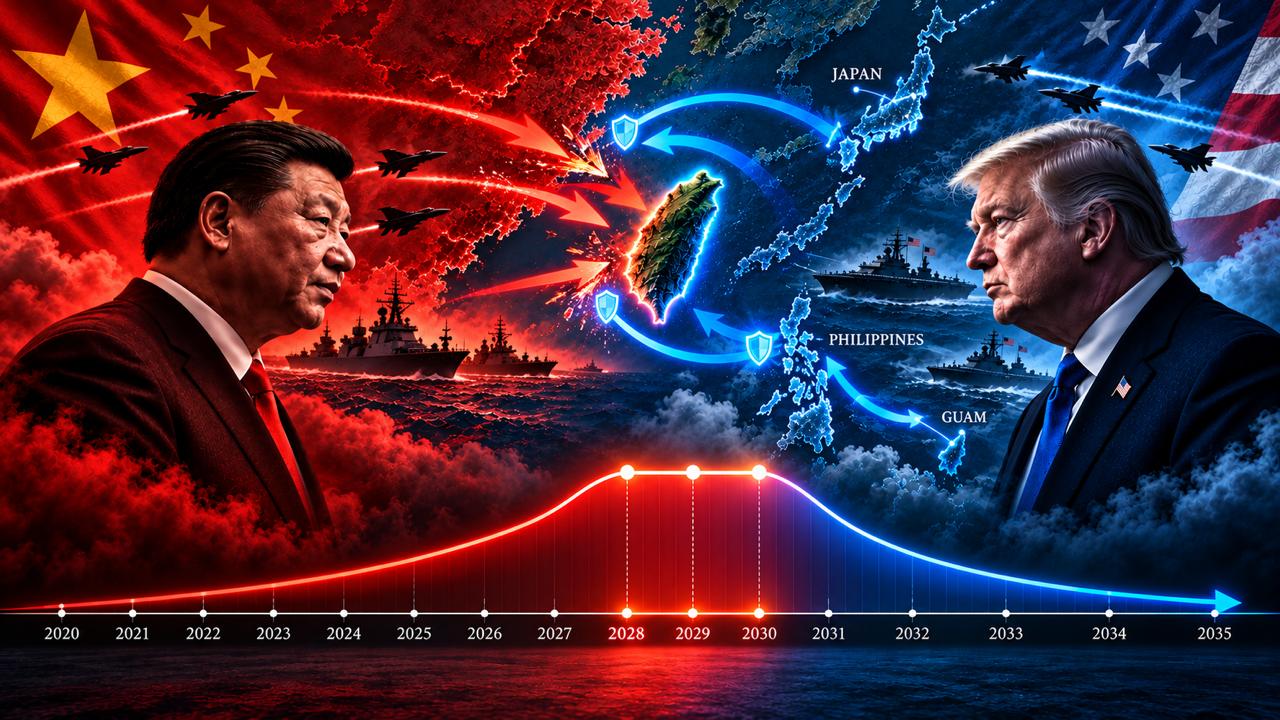
Xi Jinping’s Washington Visit Outlines the Timeframe for the Active Phase of the Confrontation: Beijing Openly Demands Taiwan’s Return
On September 23–25, 2026, Chinese President Xi Jinping held talks with President Trump at the White House during the first Chinese state visit to t...
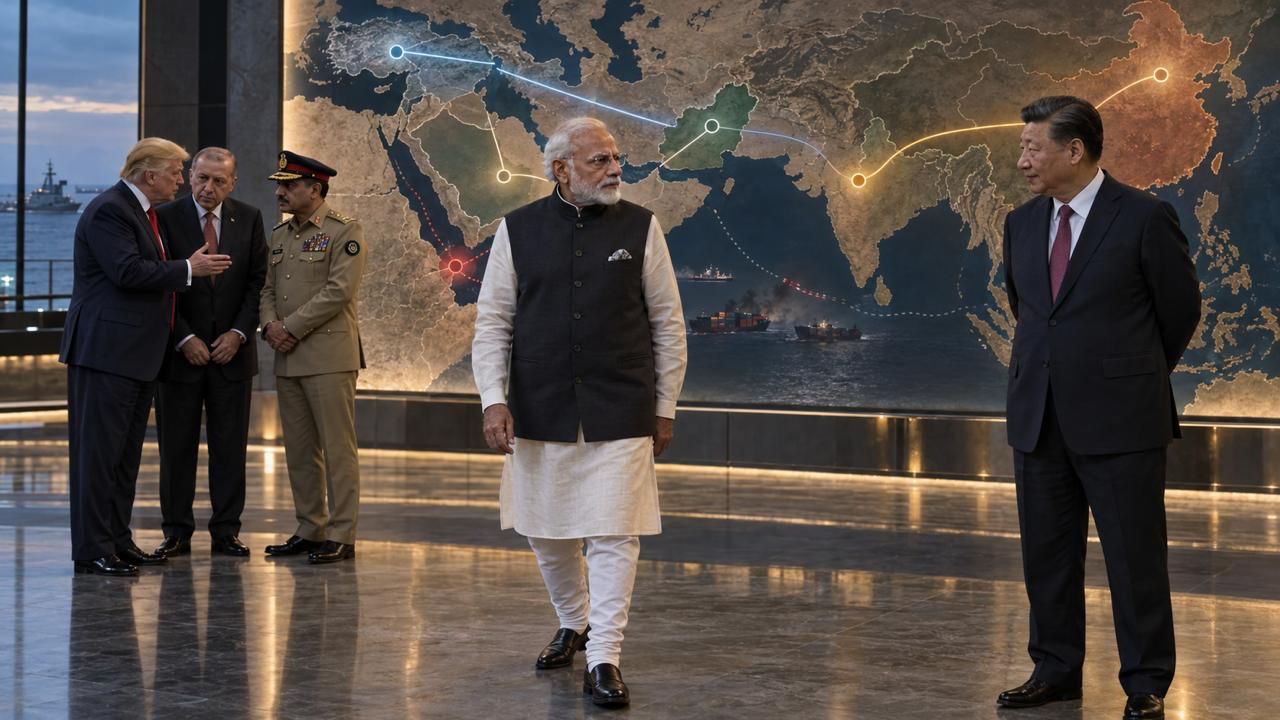
A Sharp Shift in the Dynamics of Global Confrontation Forces Washington to Rethink How It Builds Its Key Partnerships
On September 12–13, 2026, the 18th BRICS Summit was held in New Delhi. Xi Jinping traveled to India to lead the Chinese delegation, marking his fir...

Netanyahu’s Visit to Abu Dhabi: Israel Builds Partnerships from a Position of Strength, but the Middle East Conflict Is Eroding the Edge of Its Weapons
On September 27, 2026, Israeli Prime Minister Benjamin Netanyahu traveled to Abu Dhabi with the head of Mossad and the head of the National Securit...
