

India, Russia, And The Cost of Autonomy

Sanjay Reghulal

Overview
India remains a critical financier of the Russian industrial-military complex despite four years of attrition in Ukraine. While New Delhi characterizes this as “strategic autonomy,” the posture is a pragmatic survival strategy to maintain legacy defense infrastructure, secure energy supply chains, and political backing. New Delhi has spent years defending its position in the war as “strategic autonomy”, a posture of neutrality that it presents as principled, pragmatic, and stemming from the ideological roots of the Cold War.
Defense Procurement and Technical Interoperability
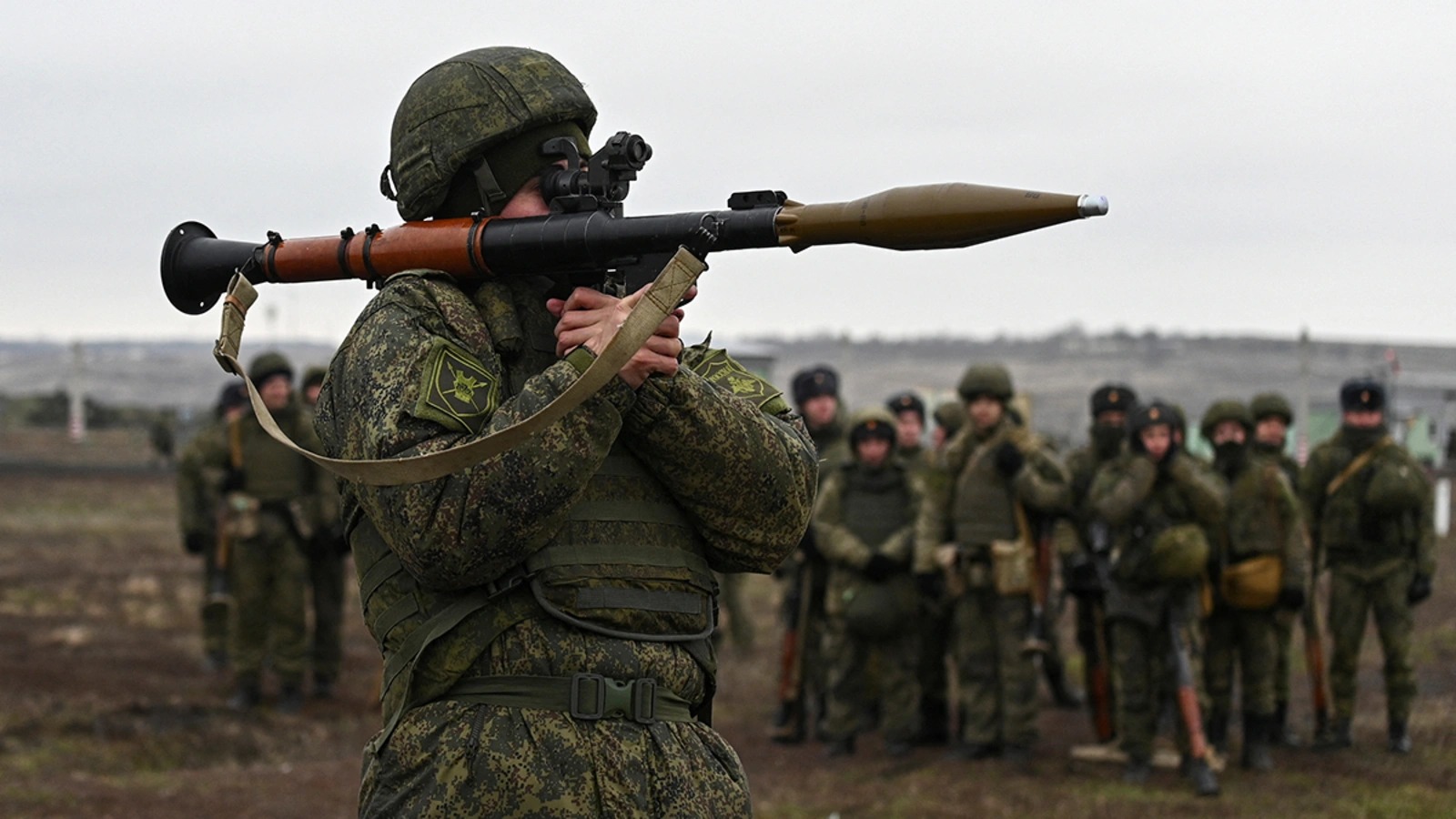
India’s defense partnerships with Russia extend as early as the 1960s with the erstwhile Soviet Union supplying large fleets of transport helicopters, submarines, and surface to air missiles to the newly formed republic. Beyond direct equipment sales, Moscow offered favorable payment terms and assisted India in building its own defense manufacturing infrastructure. Despite this close partnership , recent geopolitical events such as the Russo-Ukrainian war have brought up the discussion of the reliability of Russian arms transfers within Indian military circles. This has often led to New Delhi prioritizing domestic defense production via programs like “Make in India” and a quest to seek advanced military tech from Western partners to eliminate supply chain limitations.
Even the data agrees with this sentiment with info from the Stockholm International Peace Research Institute (SIPRI) showing India’s diversification of arms imports over time and Russia’s share declining from its earlier dominance. But this does not mean the dependency has disappeared but has rather shifted. India’s armed forces still operate a large number of Russian-origin platforms, which means that the relationship now runs through extensive technical military cooperation rather than through new purchases. In other words, the shadow of old procurement decisions still sits over India’s military today.

Furthermore, high profile projects such as the hypersonic BrahMos missile system shows that India and Russia have also built a model of joint production and not just export and import. That matters because it gives the partnership a deeper industrial dimension and keeps Moscow embedded in India’s self-reliance future. What has consistently made Russia an attractive arms supplier in comparison to Western partners is their willingness to transfer sensitive intellectual property and source codes without any prerequisites. This is exemplified by Russia’s aggressive push to offer India joint production of its fifth generation SU-57 stealth fighter jets to help New Delhi close its capability gap in the Himalayan border.
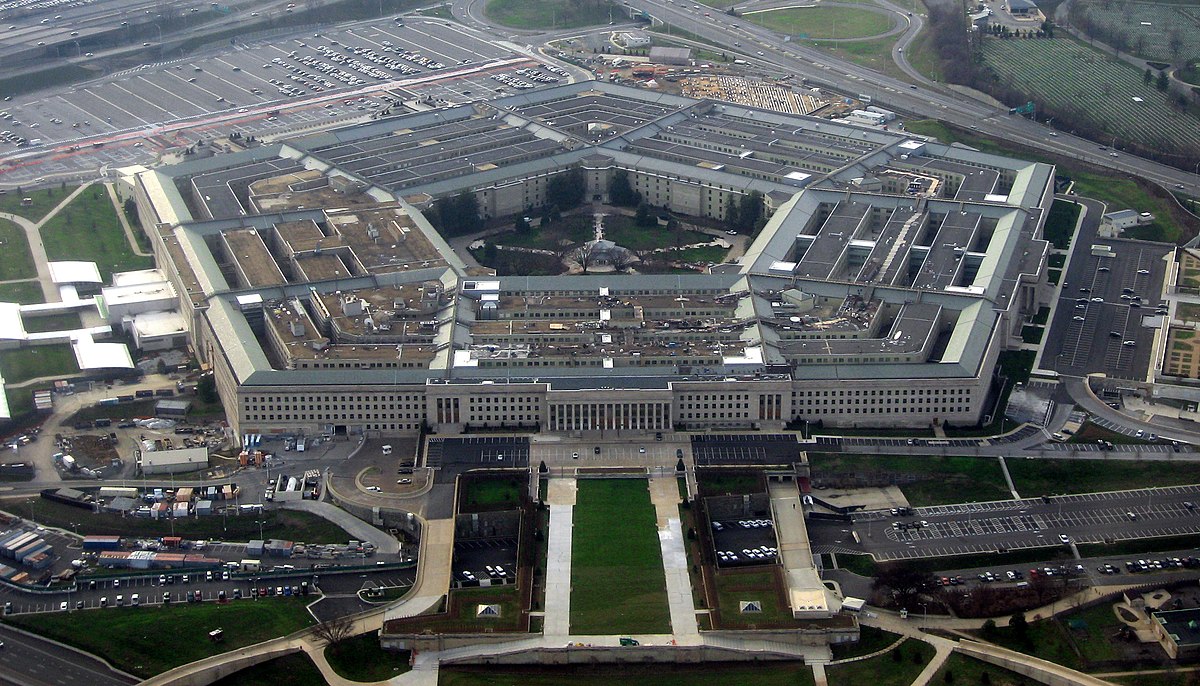
Joint exercises add another layer. For instance, Indra 2025, the Indo-Russian military exercise, has repeatedly focused on counter-terrorism and interoperability. For the Indian Armed Forces, these drills provide crucial exposure to foreign tactics and real-world operations that are directly relevant to India’s internal counter-insurgency needs. Beyond these drills, this integration is anchored by the Reciprocal Exchange of Logistics Support (RELOS) pact. This bilateral agreement grants both nations mutual access to military bases, ports, and airfields which allows Russian warships and military aircraft to refuel, resupply, and use Indian maintenance networks while Indian forces enjoy reciprocal rights at Russian facilities.

Energy Logistics and Sanction Evasion
Russia’s energy relationship with India became much more important after the Ukraine war began. As sanctions narrowed Moscow’s options, discounted crude suddenly became available on terms that made sense for Indian refiners. For New Delhi, this was not just a matter of cheap barrels but rather a way to secure supply in a volatile market while protecting an economy that relies on imports for over 85% of its crude requirements. The chemistry of Russian oil blends perfectly mirrors the heavy, high sulfuric Gulf crudes that India’s vast coastal refineries were originally engineered to process which allows Russian barrels to fit seamlessly into existing infrastructure.
The deep discounts on oil allowed Delhi to keep fuel costs manageable at home. It also allowed Indian refiners and traders to preserve margins by refining imported crude and exporting finished products. In practical terms, Russian oil gave India both affordability and flexibility as it cushioned domestic consumers from sharper price spikes while supporting the profitability of a refining sector that plays a central role in India’s energy economy.
Simultaneously, private mega refiners like Reliance International began exporting hundreds of millions of euros worth of refined petroleum products back to Western partners. Data tracked by Centre for Research on Energy and Air (CREA) confirms that the US, Australia, and the EU continue to import these processed products since“Russian oil molecules” legally become Indian-origin refined fuel upon processing which keeps global energy supplies liquid while heavily supporting the profitability of India’s refining sector.
The Political Equation
For decades, Russia has provided India with an invaluable diplomatic shield by consistently using its Security Council veto to prevent the internationalization of sensitive issues like Kashmir. Furthermore, Moscow actively pushed for India’s inclusion in the Shanghai Cooperation Organisation (SCO) to act as a direct geopolitical counterweight against Beijing’s rising ambitions. In return, India offers Russia international legitimacy. By abstaining from UN votes on Ukraine, New Delhi throws Moscow a political lifeline and refuses to treat the Kremlin like a pariah state.
This political backing is heavily reinforced by a pro-Russian media perception inside India which remains fueled by historical grudges and weaponized by recent national security headlines. Rather than adopting Western talking points, Indian mainstream media heavily frames the conflict through a lens of national interest and shifts the blame onto Western overreach, an argument that takes inspiration from Putin and Beijing’s“NATO expansionism” rhetoric. Indian critics frequently compare Russia’s reliable support with Ukraine’s historical actions such as Kyiv’s strong condemnation of India’s 1998 nuclear tests and their arms record with Pakistan .
This skepticism was amplified when India’s National Investigation Agency (NIA) made high-profile anti-terror arrests of six Ukrainian nationals smuggling drones into Myanmar to train insurgent groups linked to violence in India’s Northeast. Major Indian news outlets like Times Now and News18 framed the incident as a direct threat to national security with media reports highlighting that the bust was executed thanks to a secret intelligence tip-off from Russia. For the average viewer, this media narrative cements a contrast between a rogue state like Ukraine responsible for cross-border instability and Russia as a security partner keeping India safe.
What Changes Now? Divergence, Friction, and the Future of the Alliance
India’s future relationship with Russia is unlikely to be defined by a clean break but the possibility of a gradual reset should not be ignored. If Moscow becomes more expensive, less reliable, or more exposed to secondary sanctions, New Delhi may find it easier to widen its political and economic space for engagement with Ukraine. That would not mean abandoning strategic autonomy but rather using it more flexibly with less reliance on Russia as a fixed partner and more room to respond to changing realities in Eastern Europe. For decades, this partnership was considered unbreakable. While the relationship is not going to collapse overnight, it is undergoing a transformation across the aforementioned areas. Ultimately, any future shift toward Ukraine would likely be incremental and pragmatic rather than ideological. It would be driven less by sympathy and more by India’s need to reduce dependence on Moscow.
The Defense Shift
With the war in Ukraine triggering major supply chain shortages and delays that makes it harder for Moscow to deliver spare parts and hardware on time, Western partners are actively exploiting these weak spots. They have started to offer better financial deals and advanced technology options that were previously kept secret or reserved only for close allies. This is reflected in India signing the Security and Defence Partnership (SDP) with the European Union in an attempt at rejuvenating their respective defense tech bases and expanding high-level diplomatic talks with France and Germany to manufacture advanced military equipment. By leaning into India’s desire to build its own weapons, Western partners make it much easier for New Delhi to justify retiring its older Soviet and Russian military equipment.
What makes this supply chain vulnerability truly alarming for India is how deeply Russia has fallen into China’s economic orbit. Severe Western sanctions have fundamentally crippled Russia’s domestic defense industrial base.
To keep its military operational, Moscow is relying heavily on Chinese investments, raw materials, and components. Beijing now holds massive bargaining power because its trade directly funds and fuels the Kremlin’s war machine. For instance, tracking data shows that China now supplies roughly 60% to 70% of the advanced Computer Numerical Control (CNC) machine tools that Russia uses in its factories to manufacture precision weaponry. Furthermore, a significant majority of the microelectronics and microchips driving Russian military hardware are now Chinese-made.
For Indian defense planners, this presents an unacceptable security nightmare. China remains India’s primary military machine along the Himalayan border. Because the Russian military machine is now so dependent on Beijing, the shared military bases and port facilities utilized under the RELOS pact have suddenly become a major liability. The realistic fear that future Russian hardware, spare parts, or even logistical data could be tracked, compromised or bottlenecked by Beijing makes India’s reliance on Moscow a strategic risk
The Energy Outlook
The hyper lucrative energy boom that saw India importing massive amounts of cheap Russian oil is entering a phase of deceleration. This shift is driven by a fast-moving sequence of global political events. In early 2026, the outbreak of the war involving Iran triggered a severe blockade of the Strait of Hormuz which choked off Middle Eastern oil flows and threatened a global inflation crisis. To prevent an economic shock, the Trump administration issued temporary sanctions waivers to allow countries like India to purchase Russian oil cargoes stranded at sea. This pricing window allowed India to nearly double its intake from non-traditional suppliers according to OPEC tracking data.
However this pricing advantage will not last as at the June 2026 G7 Summit, President Trump announced that the United States is in a position to reimpose former sanctions on Russian crude oil in light of a peace deal on the Hormuz crisis. With the critical maritime choke point reopening and MENA oil potentially flowing freely again, Gulf states will become fiercely competitive and effectively erase the financial discounts that made Russian crude so attractive to Indian refiners. In addition, recent high-profile naval interceptions of Russian shadow tankers by the UK prove that the financial and physical risks of purchasing sanctioned crude are now significantly higher. Crucially, India has taken steps to eliminate immediate market shocks by partnering with the United Arab Emirates (UAE) to expand its Strategic Petroleum Reserves (SPR). By establishing massive underground storage facilities, the SPR agreement allows India to buy millions of barrels of oil ahead of time and store it securely on Indian soil.
Conclusion
The result is not a clean break, but a gradual shift. India still needs Russia in some areas, yet the balance is changing as New Delhi looks for more reliable partners and more room to maneuver. If India moves closer to Ukraine, it will likely do so slowly and for practical reasons, not because it has abandoned strategic autonomy.

Visits by Senior Washington Officials to Moscow: The Factors Driving the Kremlin’s Rejection of the White House’s Proposals
In late August and early September 2026, three senior U.S. officials visited Moscow, marking a level of concentrated contact in U.S.-Russian relati...
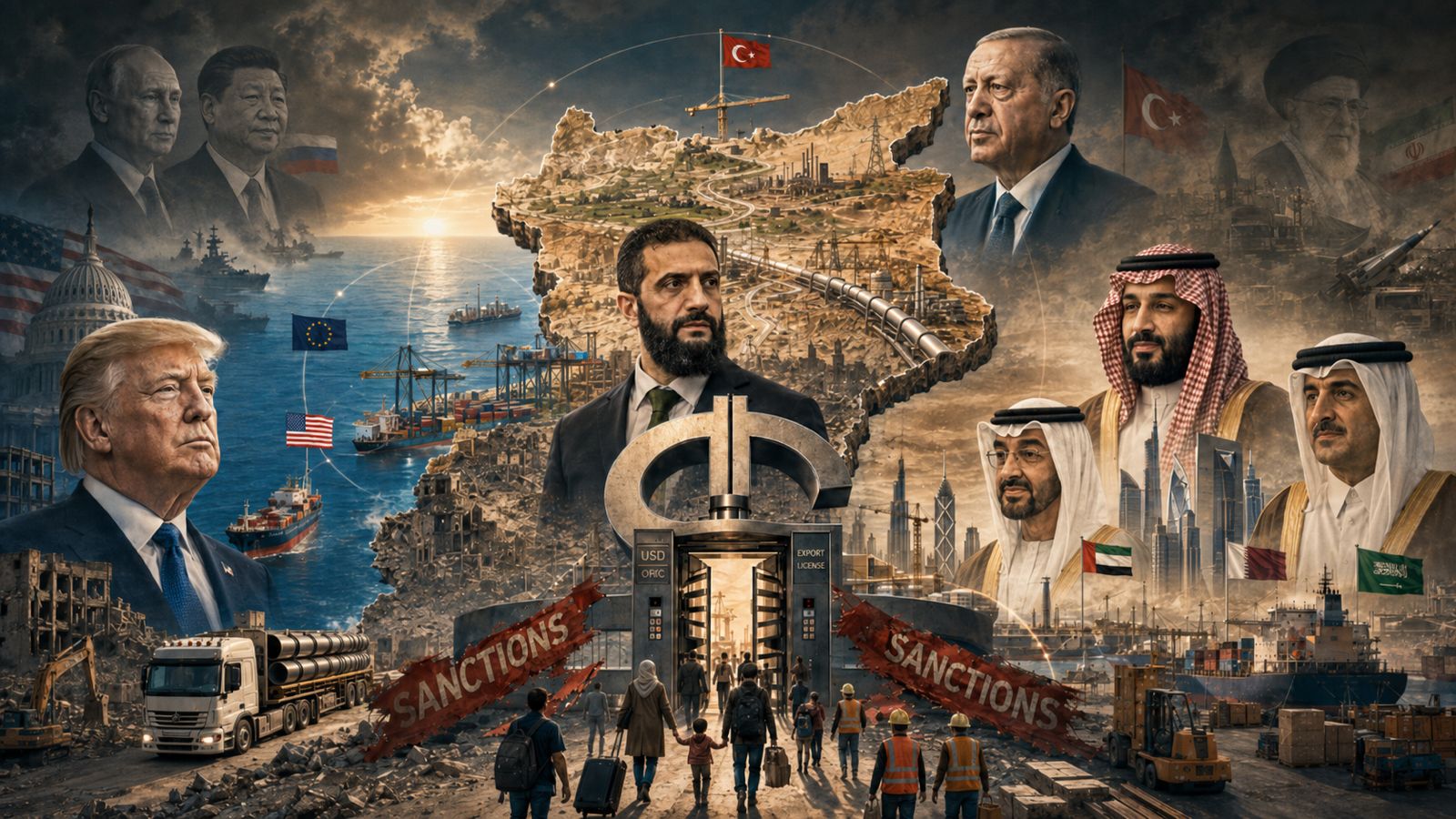
Washington Backs Syria’s Emergence as an Independent Actor in the Islamic World and Its Reintegration into the Western Sphere
On August 24, 2026, the United States revoked Syria's designation as a state sponsor of terrorism, a status the country had carried since 1979. The...
A Sharp Shift in the Dynamics of Global Confrontation Forces Washington to Rethink How It Builds Its Key Partnerships
On September 12–13, 2026, the 18th BRICS Summit was held in New Delhi. Xi Jinping traveled to India to lead the Chinese delegation, marking his fir...
