



Popular
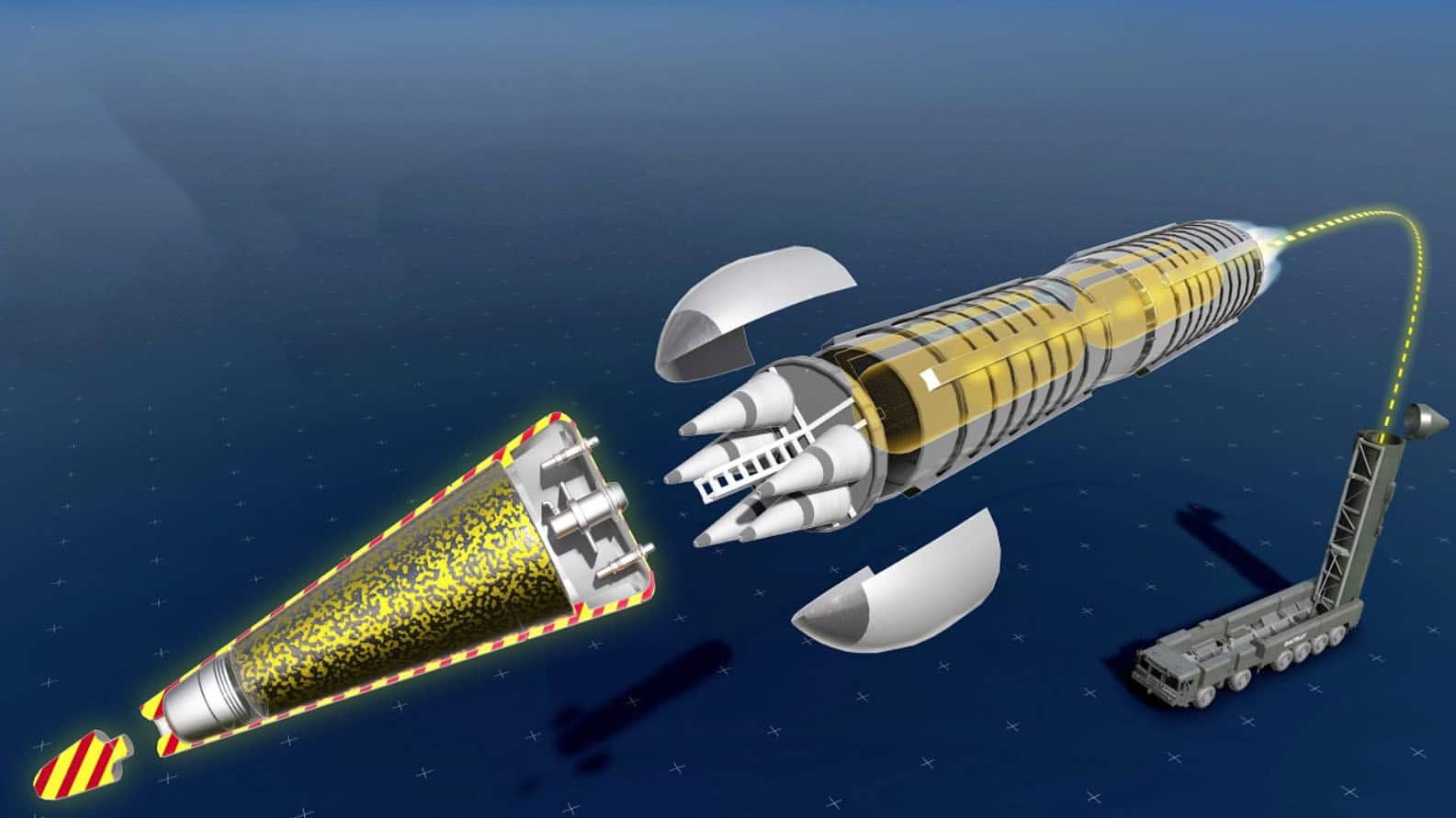
Ukrainian specialists and experts from the Independent Anti-Corruption Commission (NAKO) have identified a chain of manufacturers of electronic components used in Russia’s Oreshnik medium-range ballistic missile.
This is detailed in a new study titled “What is Oreshnik Made Of? Russia’s Most Domestic Missile Yet,” prepared by NAKO based on an analysis of missile debris following strikes on Dnipro in November 2024 and on Lviv in January 2026.
During the study, experts identified approximately 470 electronic components manufactured by 25 confirmed companies in Russia and Belarus.
Four additional manufacturers are mentioned in the materials, but their involvement could not be definitively confirmed.
Unlike most modern Russian precision-guided weapons, which rely heavily on Western microelectronics, the Oreshnik contains primarily electronic components manufactured in Russia and Belarus. The authors of the study note that this indicates Moscow’s desire to reduce its dependence on imported components.

At the same time, they emphasize that this does not mean Russia has achieved complete technological self-sufficiency.
About 62% of the identified manufacturers are already subject to international sanctions, while 93% of the companies have been added to sanctions lists by Ukraine alone. Most of the components identified were manufactured between 2014 and 2018.
The researchers found the largest number of manufacturers in Moscow, Zelenograd, the Moscow region, Voronezh, Kaluga, Orel, Bryansk, Ryazan, and Penza. Components were also produced by companies in St. Petersburg, Veliky Novgorod, Kazan, Sarapul, Yoshkar-Ola, Novosibirsk, and Minsk.
Among the key manufacturers, the authors cite the Academician Pilyugin Research and Production Center of Automation and Instrumentation, which develops guidance and control systems for ballistic missiles, as well as the companies Mikron, Angstrom, JSC Gruppa Kremniy EL, Optron, Morion, Svetlana, and the Belarusian holding company Integral.
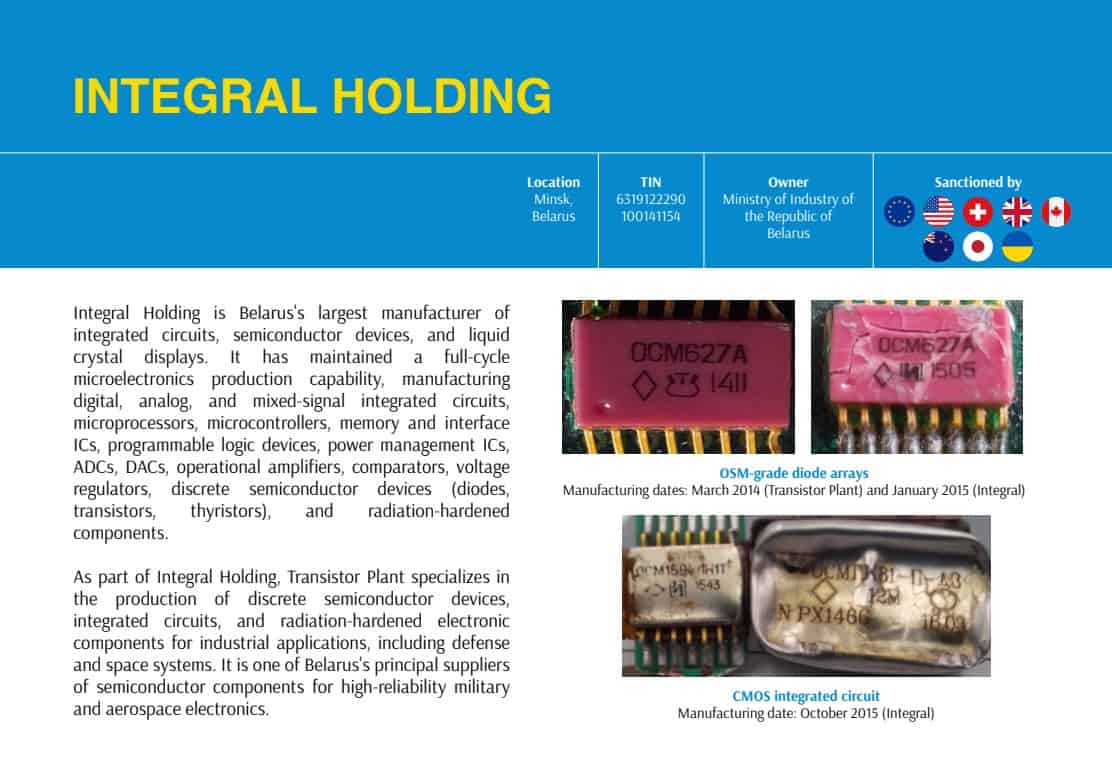
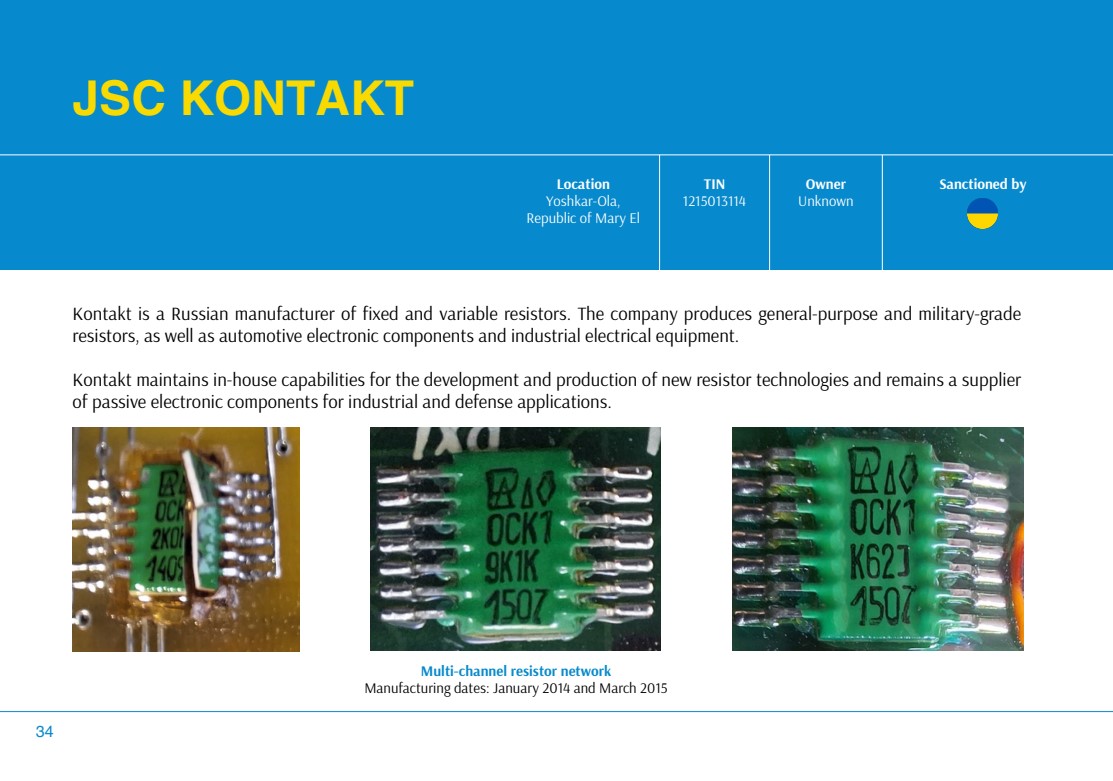
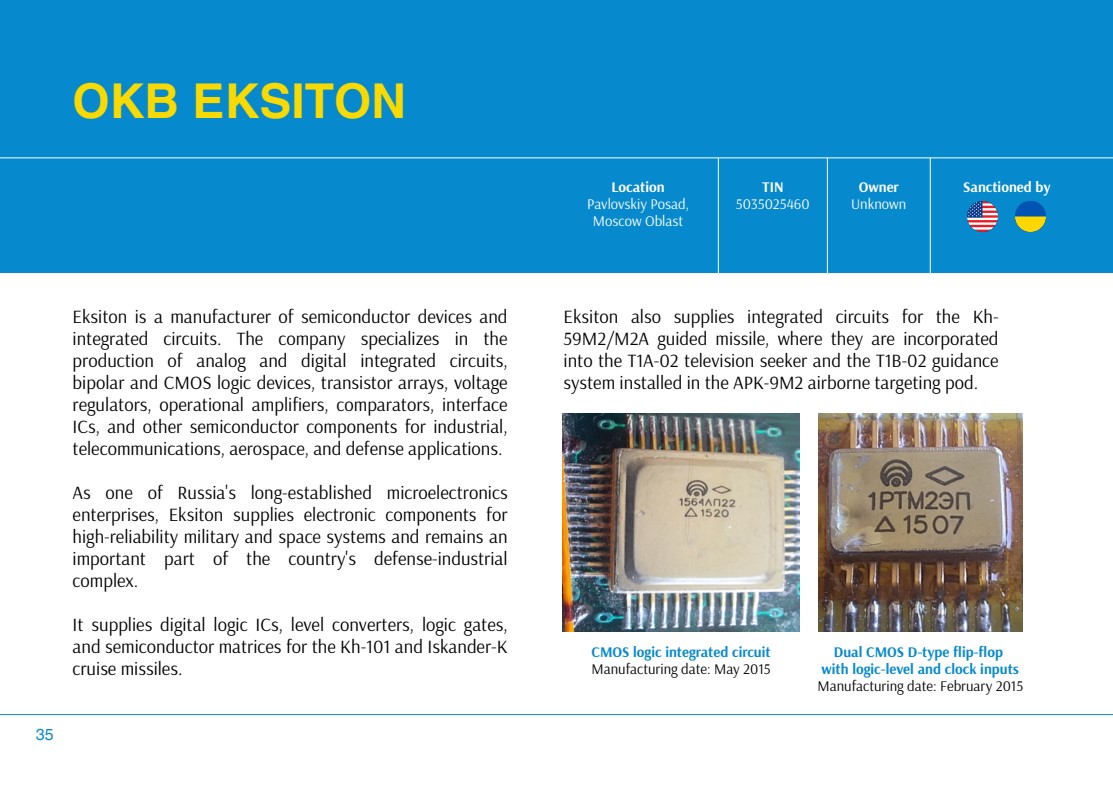
A significant portion of these companies are part of the state corporations Rostec, Ruselectronics, or Roscosmos and supply components not only for the Oreshnik, but also for the Kh-101 and Iskander-K missiles, the S-400 air defense systems, Pantsir-S1, and the Topol-M and Bulava intercontinental ballistic missiles.
Belarusian companies Integral and its subsidiary Transistor, located in Minsk, play a distinct role in the production of electronics for the Oreshnik. Researchers have determined that these companies manufactured diode assemblies and integrated circuits produced in 2014–2015.
Both companies are under the jurisdiction of the Belarusian Ministry of industry of Belarus and are among the country’s largest manufacturers of microelectronics. They produce microprocessors, microcontrollers, integrated circuits, transistors, diodes, radiation-hardened components, and other electronics used in military and space technology.
The authors of the study emphasize that sanctions policy should target not only manufacturers of finished missiles but also the entire chain of companies that supply the Russian defense industry with electronic components. In their view, restricting the activities of these manufacturers is the key to slowing down the development of Russian missile programs.
Earlier, Militarnyi reported that the Russian medium-range ballistic missile Oreshnik has serious accuracy issues due to manufacturing difficulties and a shortage of necessary equipment, particularly gyroscopes.
Підтримати нас можна через:
Приват: 5169 3351 0164 7408 PayPal - [email protected] Стати нашим патроном за лінком ⬇
Subscribe to our newsletter
or on ours Telegram
Thank you!!
You are subscribed to our newsletter