




Popular

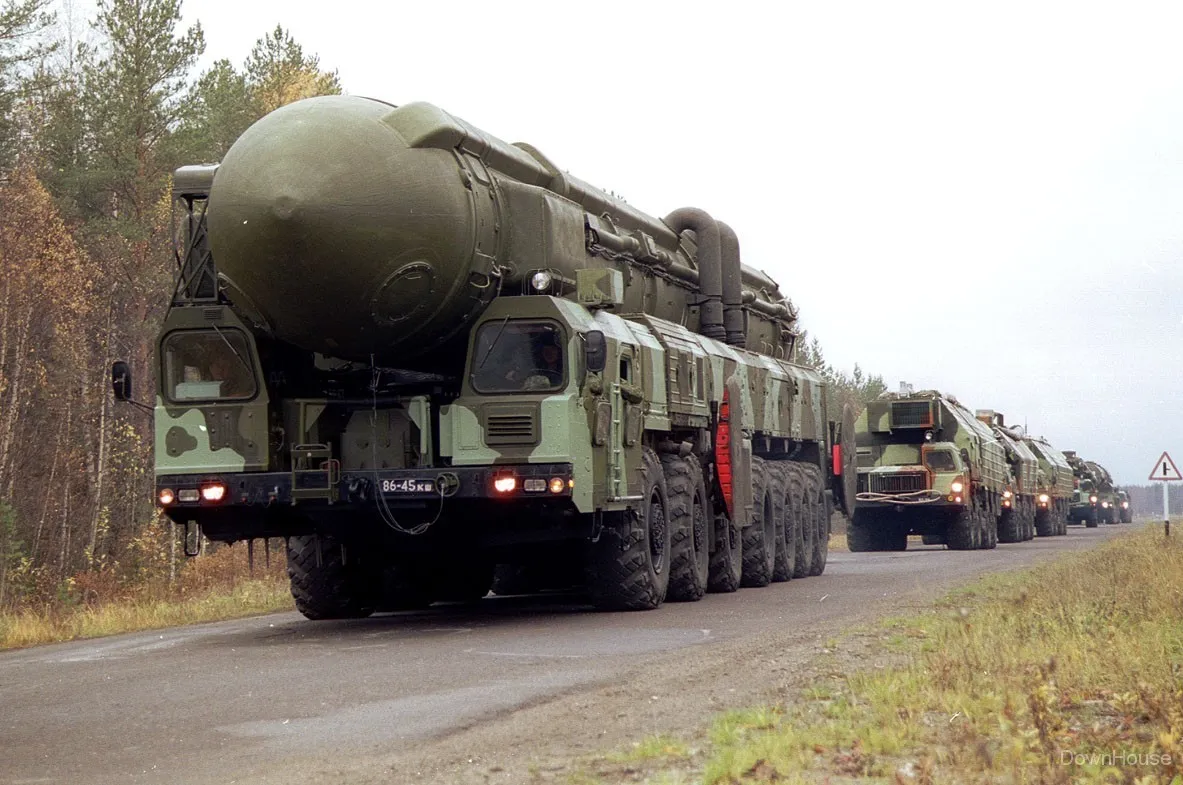
Russia’s Oreshnik intermediate-range ballistic missile is reportedly suffering from significant accuracy issues due to production challenges and shortages of critical components, including gyroscopes.
According to a new investigation by Dallas Analytics, one of the missile’s main weaknesses is the GU-503 gyroscope, a key part of its guidance system.
The report says the component is based on aging Soviet-era technology, and that both its production and maintenance face serious technological constraints.
Analysts note that even small errors in the gyroscope’s performance can cause the missile to miss its intended target by a considerable margin when traveling long distances.

As a result, some Oreshnik launches reportedly struck locations far from their intended targets.
Dallas Analytics has also published documents indicating problems with the production and calibration of the GU-503.
Correspondence between Yuri Vedeshkin, Deputy Director of the Michurinsk Progress Plant, and Vasily Aksyonov, General Director of the Azov Optical-Mechanical Plant, refers to the loss of specialized equipment required to calibrate and test GU-503 units before they are installed in missiles.
A document dated March 18, 2025, points to serious accuracy issues in the Oreshnik missile production program due to the GU-503 gyroscopic instrument failing to meet the specified requirements for a high-speed re-entry flight profile.
According to the March 18, 2025 letter, Michurinsk Progress Plant JSC reports that serial production of the GU-503 has been discontinued for an extended period. The company states that the equipment used to calibrate, run in, and test the GU-503 – originally developed in the early 1970s – is technologically obsolete. Most of its components have failed, and replacement equivalents are no longer manufactured. As a result, the entire set of design documentation would need to be revised using a modern electronic component base.
The Michurinsk Progress Plant further states that it cannot fulfill the order within the required timeframe because extensive production preparation and subsequent qualification testing would be necessary. In addition, the small production volume would make the per-unit cost prohibitively high. As an alternative, the company proposes replacing the GU-503 within the customer’s system, subject to coordination with specialists from Arzamas Research and Production Enterprise Temp-Avia JSC, with whom a preliminary agreement has already been reached.

According to the investigation, under pressure to meet tight deadlines, Russian manufacturers may have bypassed certain standard quality-control procedures to avoid delays in missile production.
These issues are believed to be a likely explanation for cases in which Oreshnik missiles failed to strike their intended targets during attacks on Ukraine.
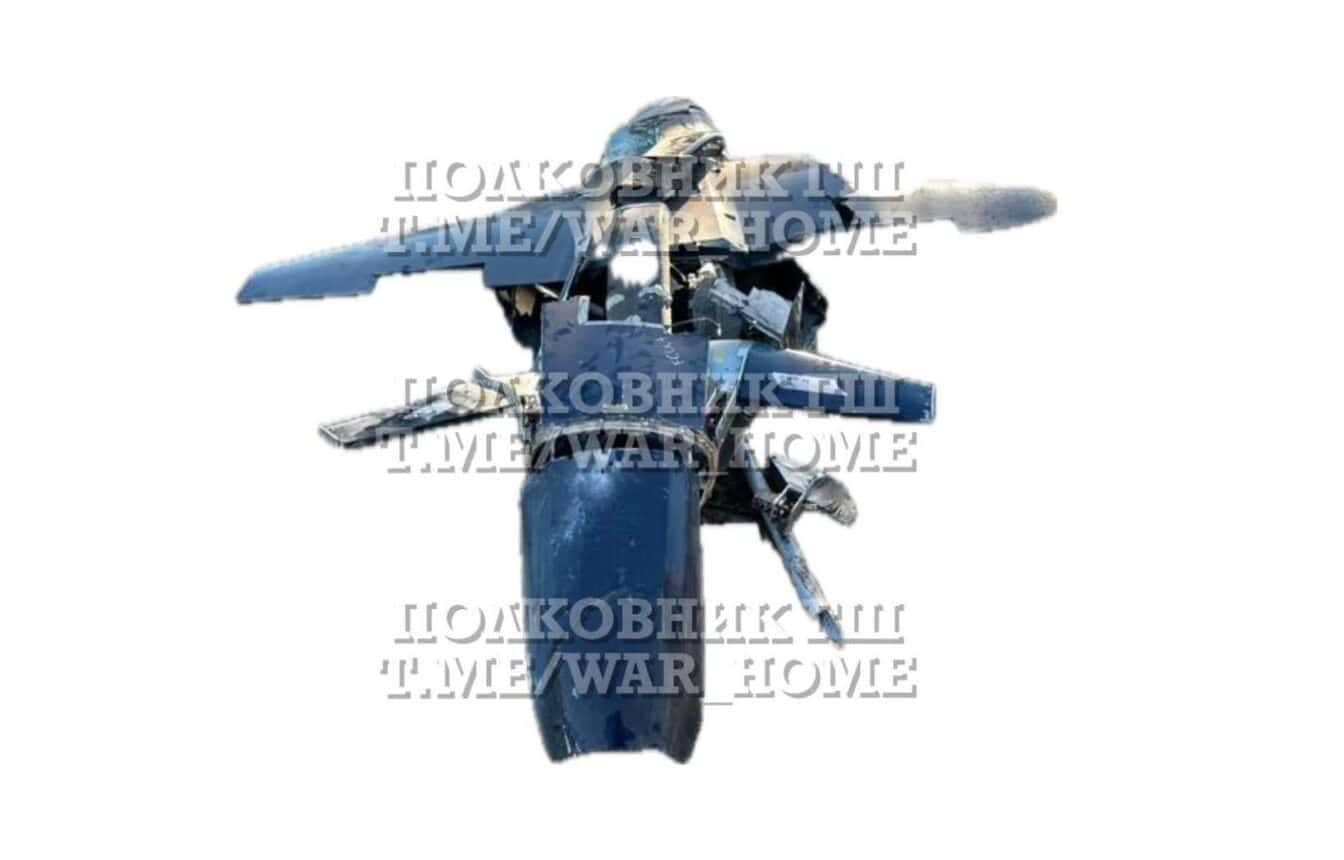
Militarnyi previously reported that investigators examining the wreckage of a Russian Oreshnik missile found Belarusian-made components and electronic parts manufactured before 2017. All of the identified electronic components were of Russian or Belarusian origin.
The recovered components included parts produced by Integral, a Minsk-based Belarusian microelectronics manufacturer. The company produces integrated circuits, semiconductor devices, and other electronic components used in industrial systems, telecommunications equipment, and military hardware.
Підтримати нас можна через:
Приват: 5169 3351 0164 7408 PayPal - [email protected] Стати нашим патроном за лінком ⬇
Subscribe to our newsletter
or on ours Telegram
Thank you!!
You are subscribed to our newsletter