






Popular
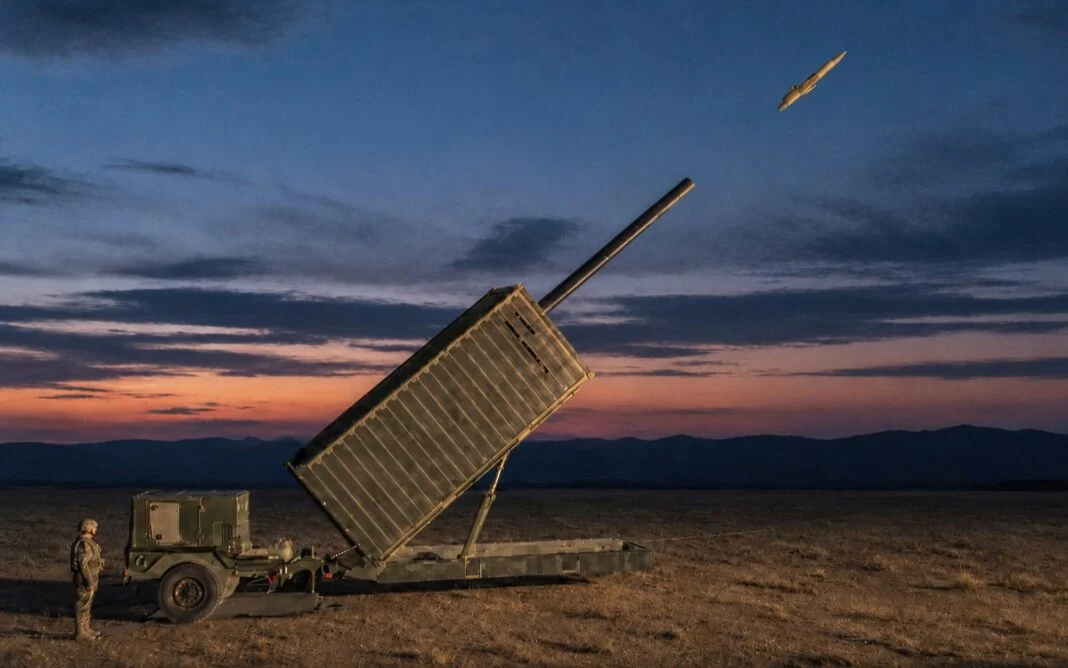
The US company Auriga Space is developing an electromagnetic launcher for air defense missiles.
Defence Blog reported this news.
It is expected that such technology will help reduce dependence on scarce rocket fuel components, in particular ammonium perchlorate, in the future.
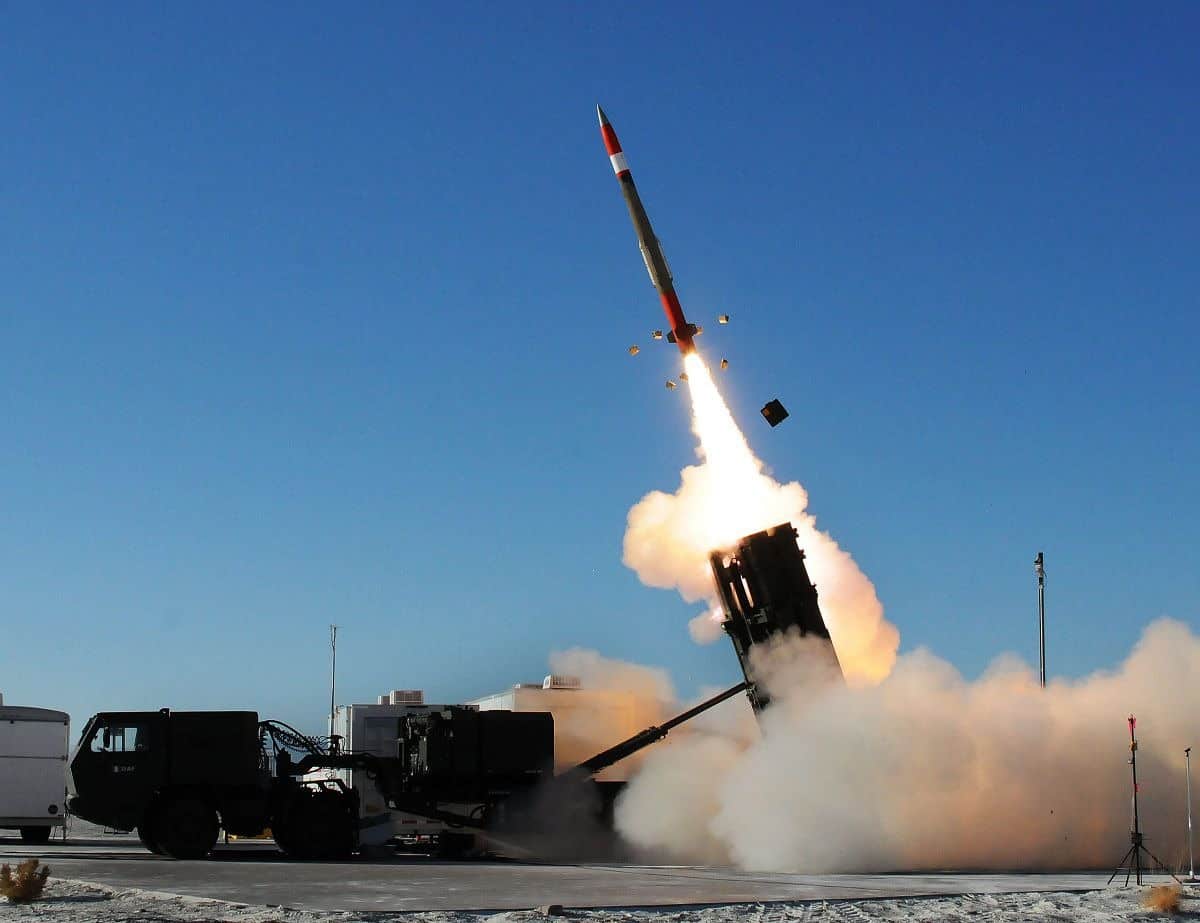
This substance is used in the production of solid-fuel rocket engines for Patriot and THAAD interceptor missiles.
Currently, there is only one domestic producer of ammonium perchlorate in the United States, which creates risks for supply chains and limits the pace of missile production.
The Auriga concept involves the complete abandonment of solid-fuel rocket engines in interceptor design. Instead, the missile would receive initial acceleration using an electromagnetic launcher.
To develop this technology, the company received a contract under the Phase I Small Business Technology Transfer program from the US Missile Defense Agency.
The project is being implemented with the participation of researchers from Purdue University and Texas A&M University and involves the creation of a new-generation electromagnetic accelerator for testing missile defense systems.
In addition, through the AFWERX program, the company has secured another $1.25 million to develop the Prometheus laboratory electromagnetic accelerator.
Within the Auriga program, two installations are planned — the Prometheus laboratory and the Thor field — intended for testing hypersonic objects as early as 2026. The next stage will be the development of a full-scale Zeus system.
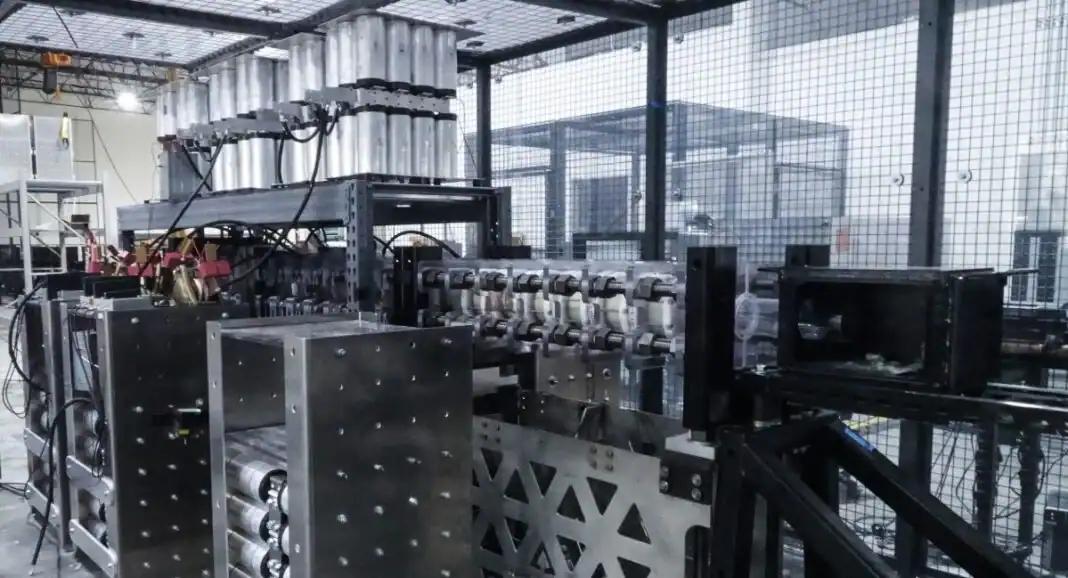
The main advantage of electromagnetic launch over traditional solid-fuel engines is that the required energy can be drawn from existing power infrastructure and stored in batteries or capacitors for rapid release.
This approach could potentially reduce the cost of missiles. At the same time, cost-effectiveness remains an open question, as it is currently unclear how much electrical energy would be required for a single launch.
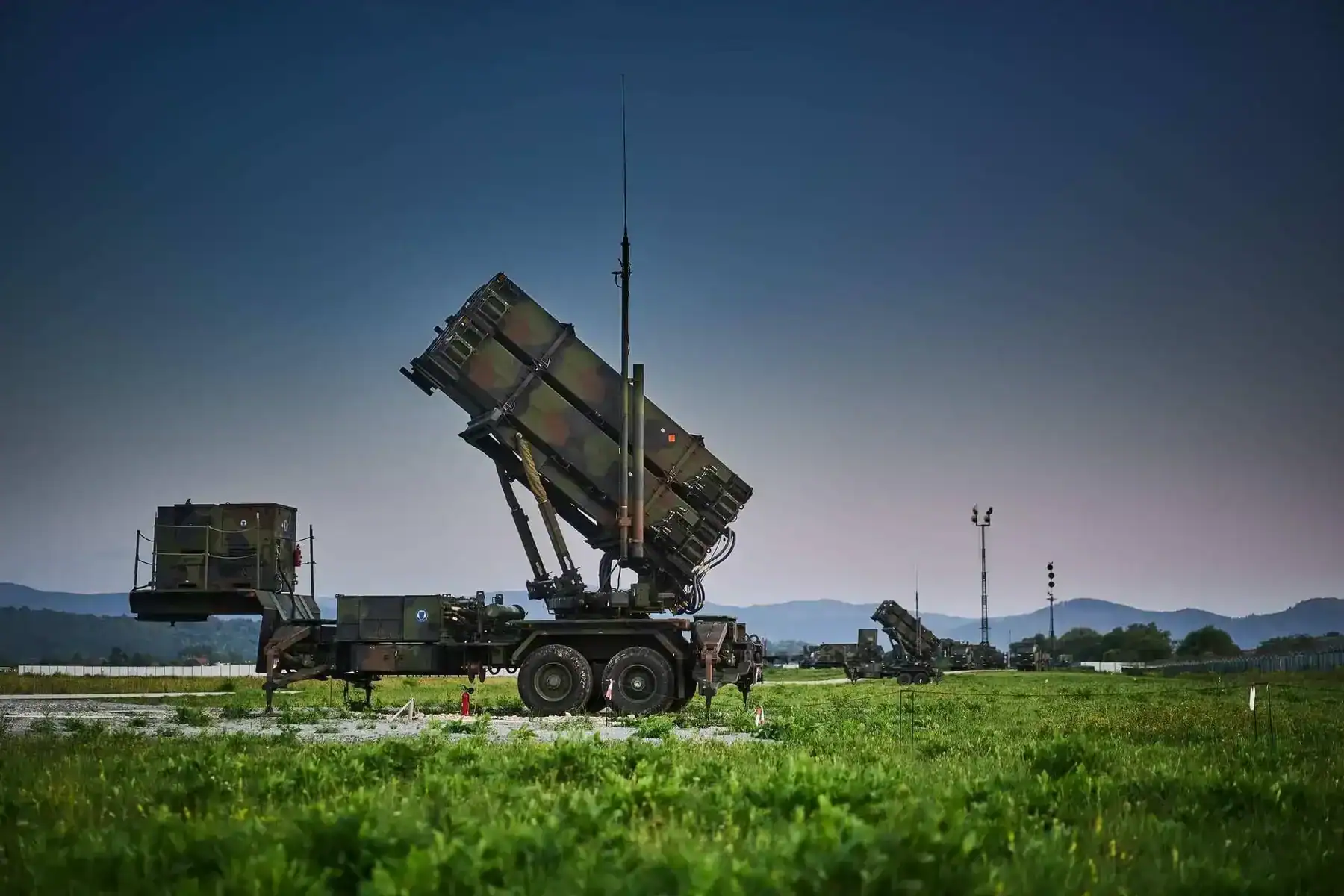
It was recently reported that the US Army has begun searching for a new interceptor missile for the Patriot air defense system with a cost not exceeding $1 million.
This is about five times cheaper than the current Patriot PAC-3 Missile Segment Enhancement (MSE) interceptors.
The introduction of a more affordable alternative is intended to improve the cost-effectiveness of the Patriot system, especially when intercepting relatively simple targets such as drones or cruise missiles.
Підтримати нас можна через:
Приват: 5169 3351 0164 7408 PayPal - [email protected] Стати нашим патроном за лінком ⬇
Subscribe to our newsletter
or on ours Telegram
Thank you!!
You are subscribed to our newsletter