




Popular
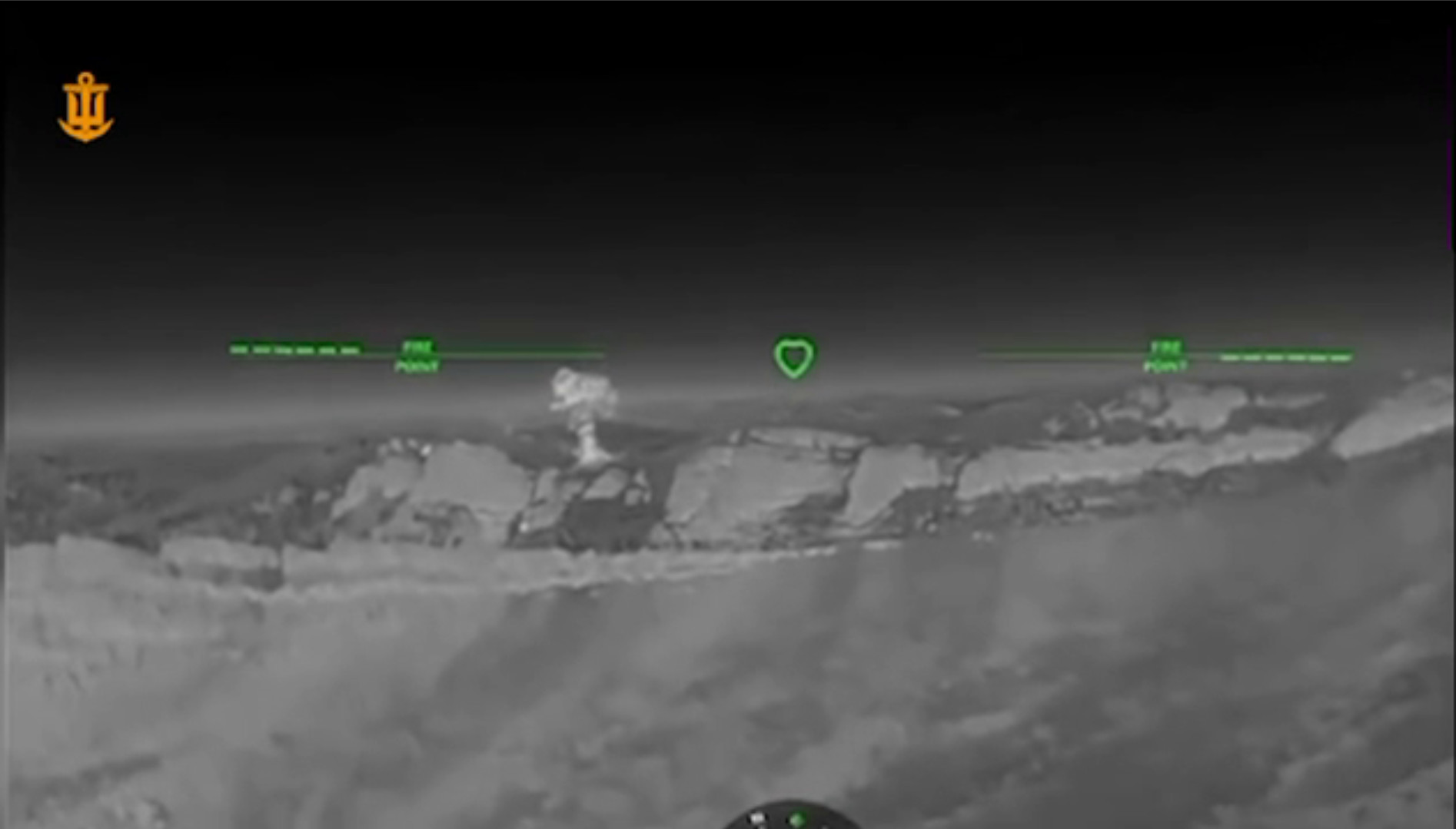
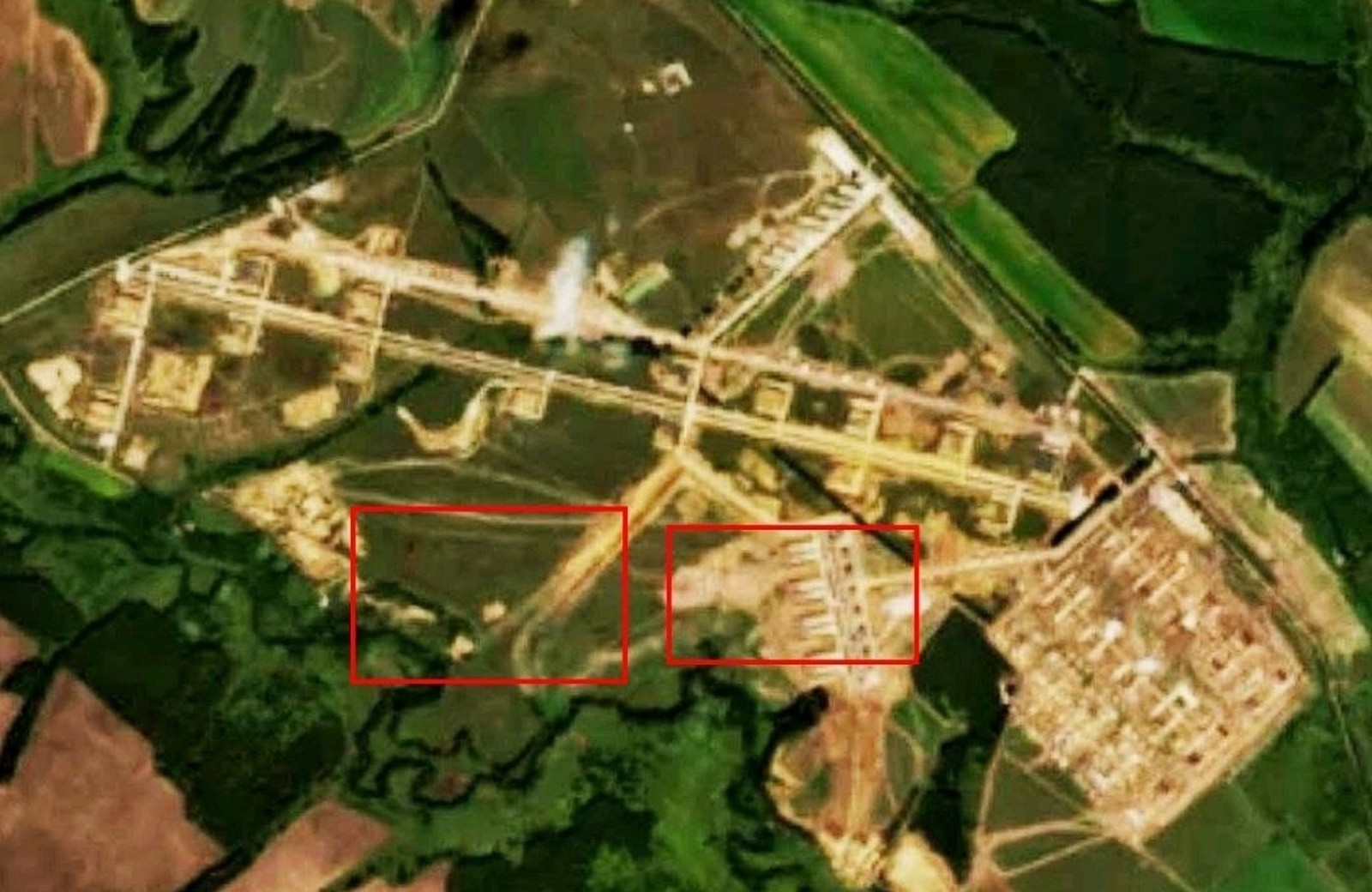
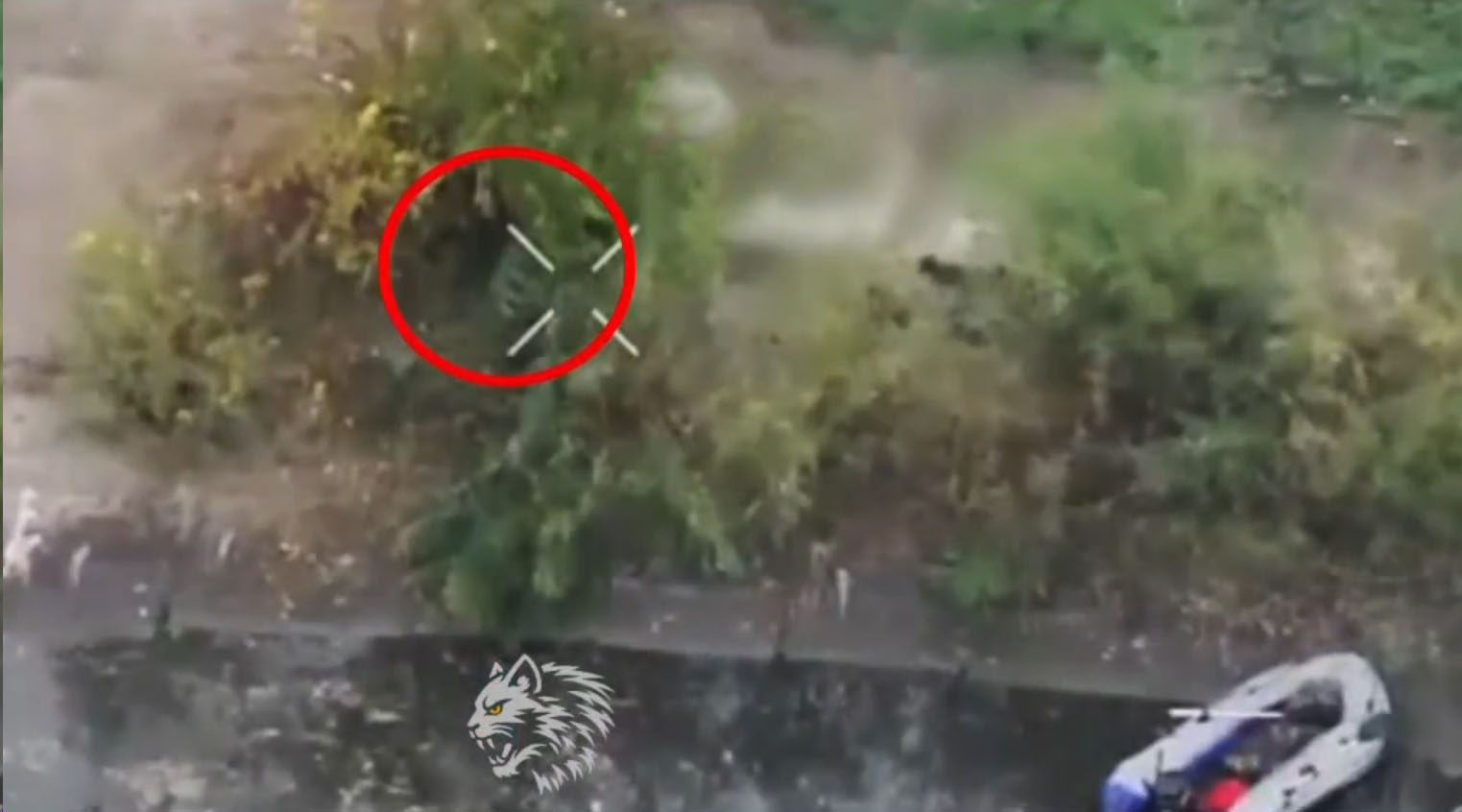
In the early hours of August 16, Ukrainian Navy units struck the launch positions and deployment site of a Bastion coastal missile system in temporarily occupied Crimea.
The video of the strike was released by the Ukrainian Navy press service.
Judging by the released video, FP-2 drones were used in the strike. According to the General Staff, the strike took place near the village of Rezervne, not far from Sevastopol.
The Navy said the strike caused significant losses in equipment and personnel. The final extent of the enemy’s losses is still being determined.
The Bastion system was originally intended to engage surface ships, but Russia uses it to strike ground targets in Ukraine with P-800 Oniks and 3M22 Zircon missiles.
The system is produced in two variants: the mobile Bastion-P and the stationary, or silo-based, Bastion-S, with the latter primarily intended for export. Each Bastion-P launcher carries two missiles in transport-launch containers for vertical launch.
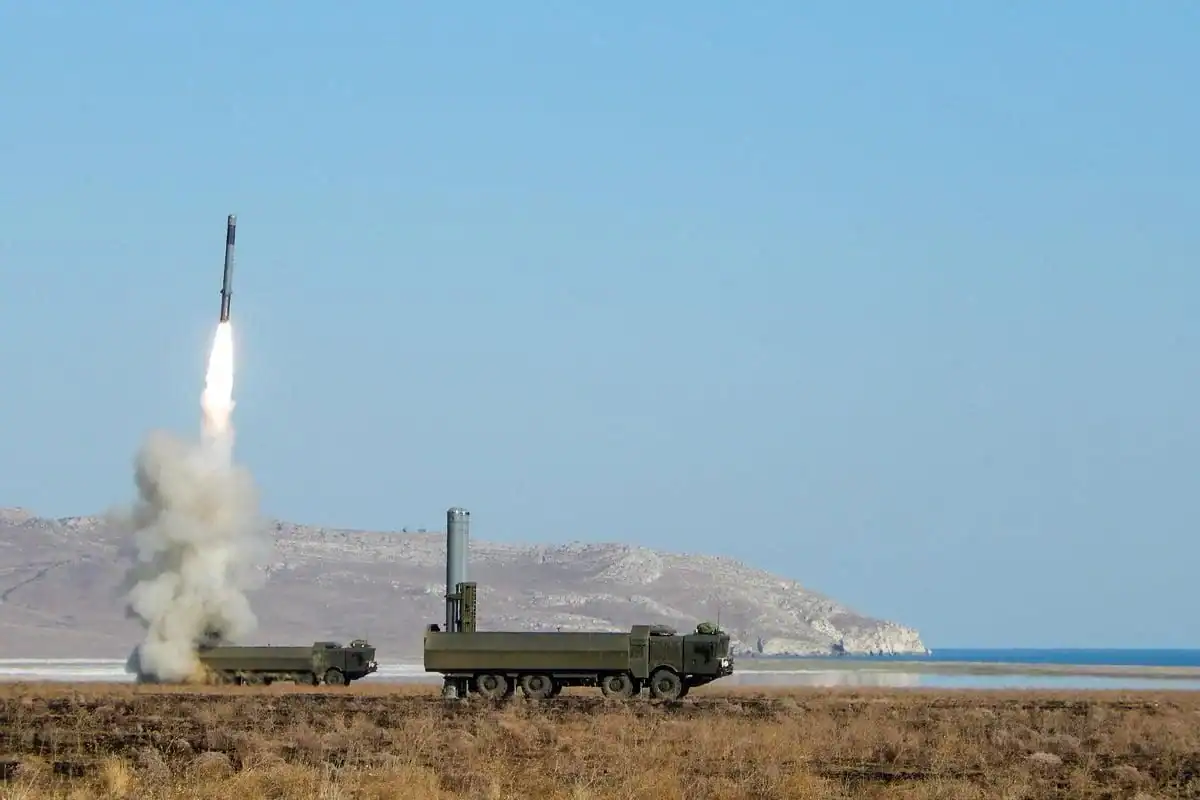
The Oniks anti-ship missile is 8.9 meters long and has a diameter of 0.7 meters. Its launch weight is 3 tons, and its wingspan is 1.7 meters. The high-explosive penetrating warhead weighs 300 kg. The engine allows the missile to reach a maximum speed of up to Mach 2.6, or 3,182 km/h, at high altitude, and about Mach 2, or 2,448 km/h, near the surface.
Thanks to their supersonic speed and ability to fly at extremely low altitudes, missiles of this type are difficult targets to intercept. Russian forces typically use them to strike Odesa and coastal areas.
The 3M22 Zircon anti-ship missile was developed for use with the 3S14 universal vertical launch system installed on ships, but was later adapted for launch from ground-based systems.
The missile’s exact specifications are unknown. By studying fragments of downed missiles, Ukrainian researchers have established that the warhead weighs approximately 150-200 kg, of which about 40-80 kg is explosive.
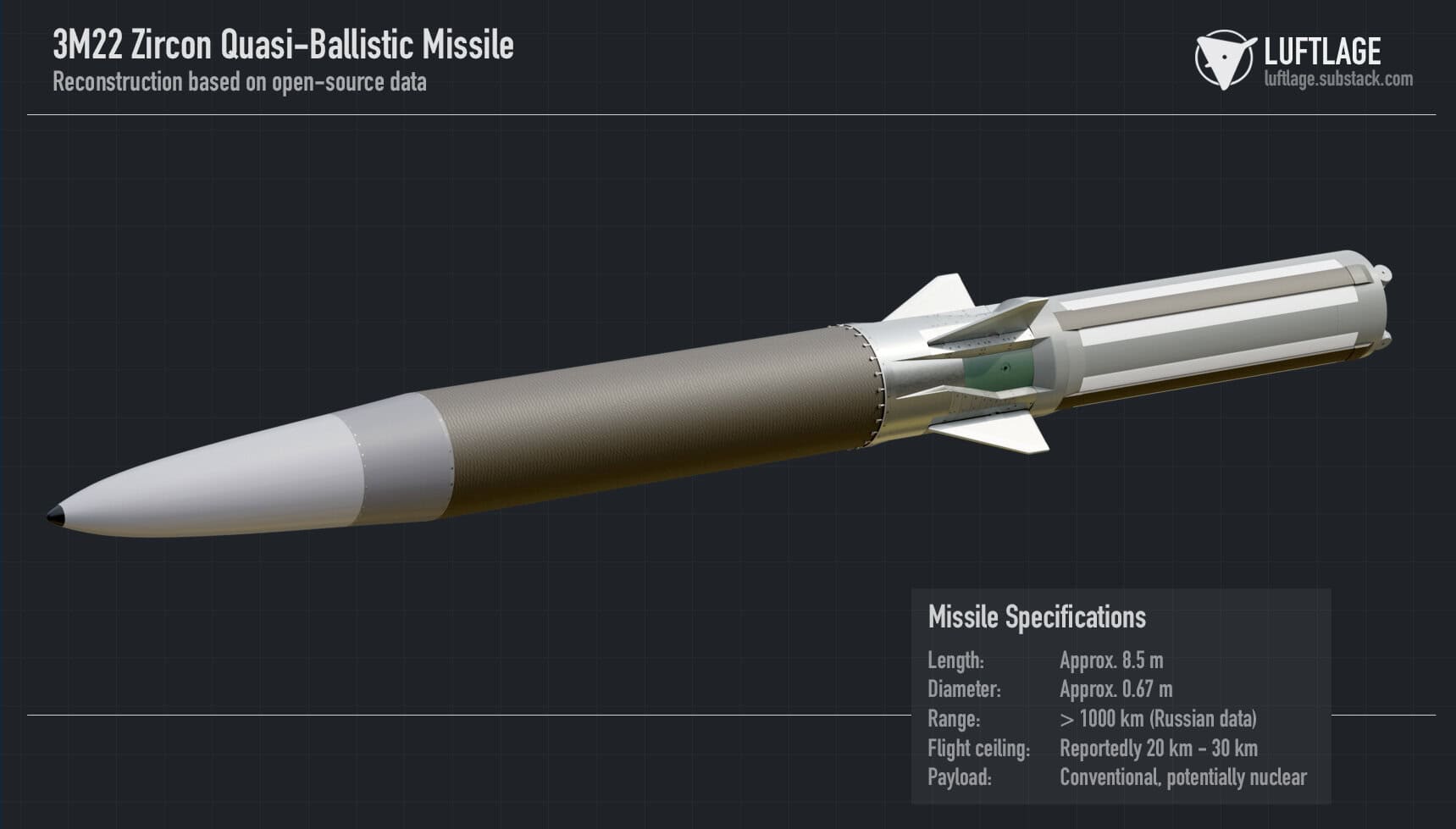
According to the latest research, the Zircon is likely not a hypersonic cruise missile but rather a ballistic missile that uses a quasi-ballistic trajectory.
For more details about the system, see our special report, “Russia’s Bastion: Threat to Ukraine and the Capabilities of the Missile System.“
Підтримати нас можна через:
Приват: 5169 3351 0164 7408 PayPal - [email protected] Стати нашим патроном за лінком ⬇
Subscribe to our newsletter
or on ours Telegram
Thank you!!
You are subscribed to our newsletter