




Popular

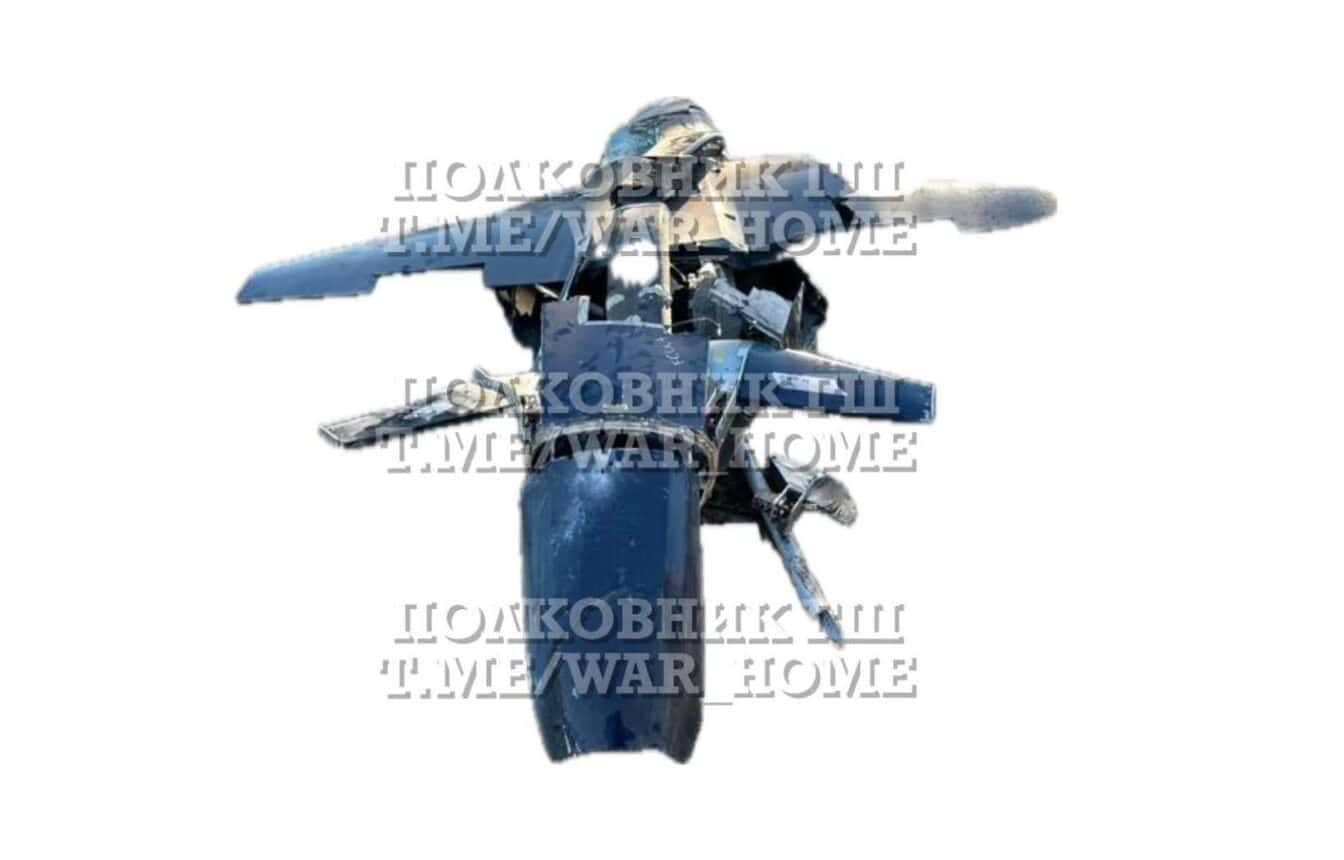
A jet-powered interceptor was likely developed based on the Bars missile-drone. It is currently demonstrating the highest effectiveness against Russian drones.
Ukrainian President Volodymyr Zelensky said this during a joint news conference with German Chancellor Friedrich Merz in Kyiv.
“Second, interceptor drones. The Bars have shown positive results. They currently have the highest percentage. Others are also catching up. God willing, there will be competition in the good sense of the word,” he said.
Although it is probably impossible to determine whether Zelensky was referring specifically to an adaptation of Bars missile-drones or to a jet-powered interceptor with the same name, a number of factors support the adaptation theory. Ukraine and Germany already have an agreement on the joint production of these missile-drones.
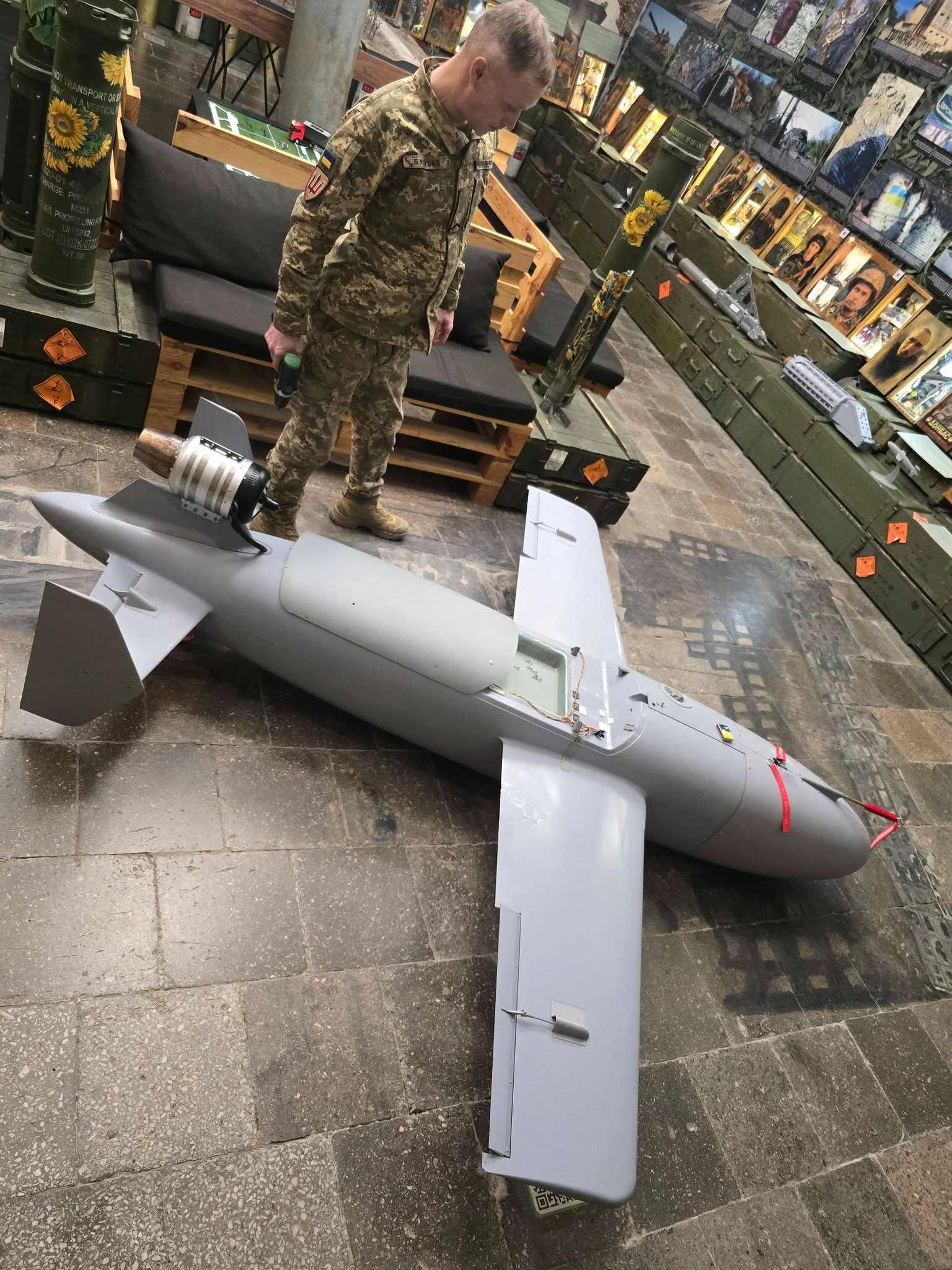
In addition, RBC-Ukraine previously reported, citing its own sources in military circles, that Ukrainian jet-powered drone platforms currently used for long-range strikes were being adapted. According to the publication’s sources, “some solutions based on them have already demonstrated good results in the role of interceptors.”
According to the president, the Bars jet-powered interceptor currently has an interception rate of about 30% against aerial targets.
The president also spoke separately about agreements with Germany on the production of interceptor drones. According to him, Ukraine is to receive 2,000 Bars drones, which will be manufactured as part of joint production. Funding for the program has already been provided by the German side.
Overall, according to the president, the Defense Forces intercept about 50-55% of Russian jet-powered drones, and “sometimes 60%,” while the rate for conventional Shahed drones is 85-92%, depending on the composition of the Russian attack.
It was previously reported that the main obstacles to the production of jet-powered interceptor drones are a shortage of engines and limited budget funding.
“Engines are a key element; we really import them in large quantities. There are also domestically produced engines, but there are not enough of them,” Zelensky said in an interview with the Financial Times.
The Bars has been under development since 2023, but its first photos appeared only recently. During that time, its design underwent more than 40 engineering upgrades.

The platform currently has several variants: some modifications have a range of up to 1,000 kilometers, a payload of up to 60 kilograms, and a speed exceeding 700 km/h.
According to the stated specifications, the Bars is a modular platform that allows the aircraft to be rapidly adapted to specific missions. Its modularity enables three main categories of use: DeepStrike, MiddleStrike and FrontStrike.
Changing the configuration allows the balance between fuel tank volume and warhead weight to be adjusted to create different modifications.
“We use the capabilities provided by AI technologies today and are not afraid to apply them at all levels — from development and solving engineering tasks to implementing machine vision in our target-guidance systems,” the developer said.
Підтримати нас можна через:
Приват: 5169 3351 0164 7408 PayPal - [email protected] Стати нашим патроном за лінком ⬇
Subscribe to our newsletter
or on ours Telegram
Thank you!!
You are subscribed to our newsletter