





Popular
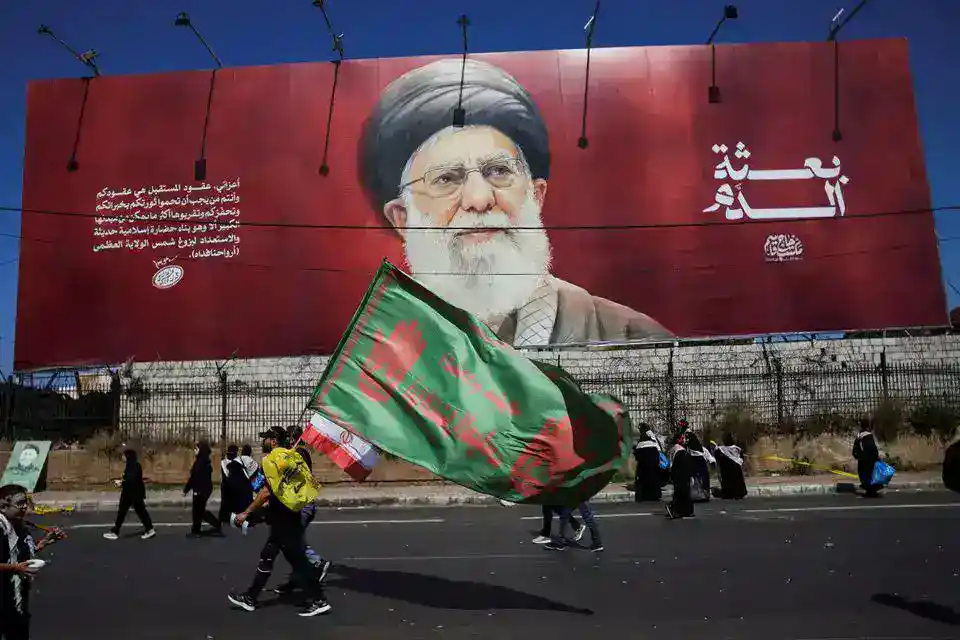
Iran is strengthening the protection of its nuclear infrastructure, rebuilding its military capabilities, and mobilizing its population amid the risk of a new escalation with the United States.
This is reported by The Wall Street Journal.
Iranian officials have warned, both publicly and in private conversations with regional officials, that Iran will respond with further escalation of the conflict in the Middle East if the U.S. launches new strikes.
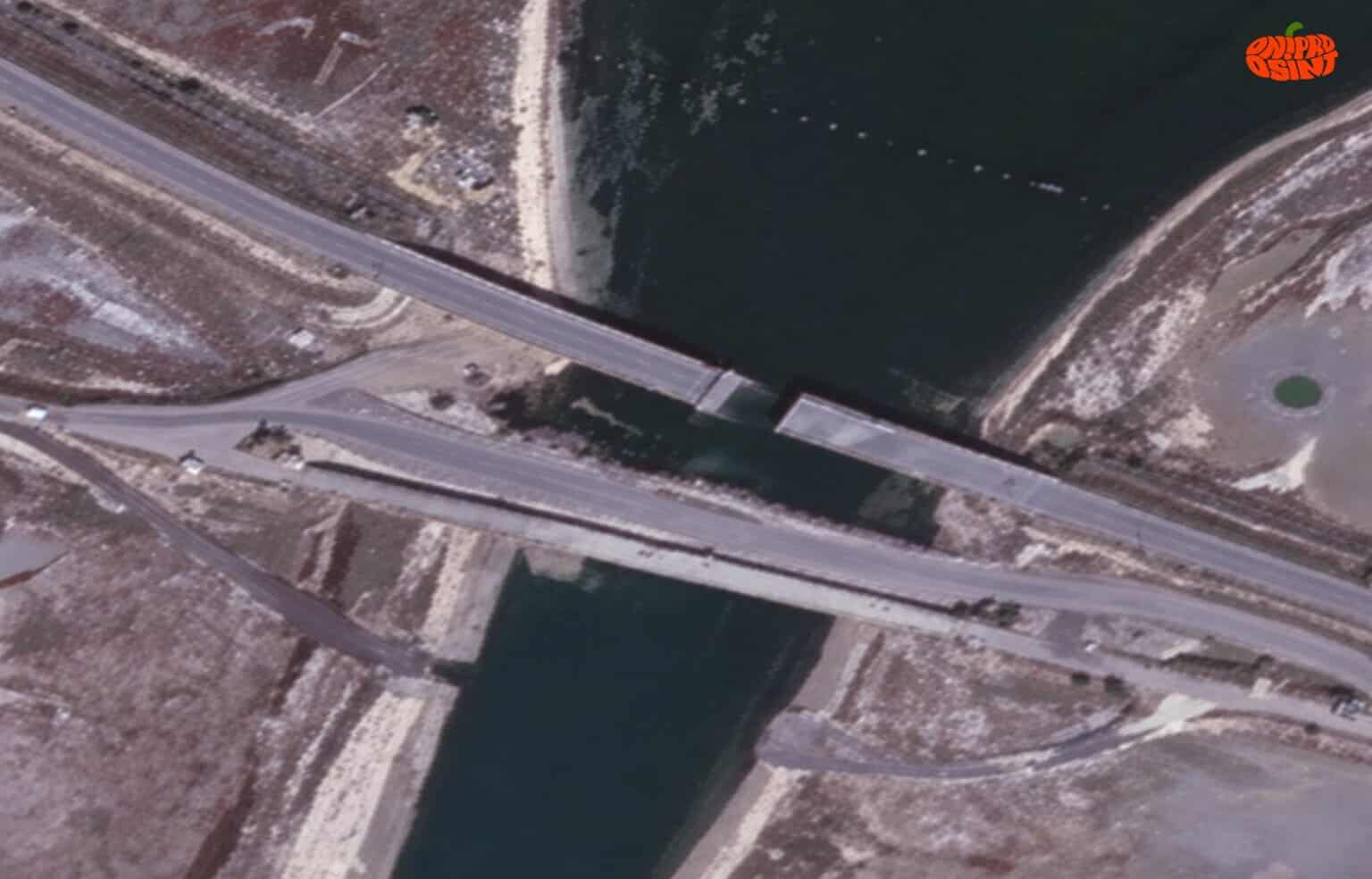
According to an analysis by the Institute for Science and International Security, satellite images show earthen barriers on roads leading to the western entrances of the tunnel complex in Mount Pickaxe.
This is not the first instance of large-scale physical fortification of Iran’s nuclear infrastructure. In February, Iran filled in the entrances to the tunnel complex at the nuclear facility in Esfahan with soil.

The threat of such an operation was already discussed in the U.S. in May, specifically regarding options prepared by the U.S. military command for resuming large-scale strikes against Iran and a ground operation to gain control of nuclear materials.
Simultaneously with the fortification of military and nuclear infrastructure, Iranian authorities are conducting campaigns to prepare the population for a possible new phase of the war.
In September, large-scale Janfada exercises took place in Tehran, organized with the participation of the Islamic Revolutionary Guard Corps and the Basij volunteer force.
According to Iran’s state-run Press TV, more than 31.5 million people registered for the campaign, declaring their readiness to join the country’s defense.

Iranian state media reported that approximately 313,000 people participated directly in the exercises as part of the campaign, and that women accounted for about one-third of those registered in the broader mobilization campaign.
The event also featured a demonstration of the Fateh unmanned surface vehicle and the new Shahid Hemmati guidance system.
Basij Commander Hossein Taeb openly described Janfada as the formation of a “national resistance” system and as a means of preparing the population for action in the event of a new large-scale conflict.
At the same time, Iranian leadership warns that in the event of a new U.S. operation, the response could extend far beyond traditional military targets.
Mohsen Rezaei, Secretary of Iran’s Supreme National Security Council, stated to the state-run Press TV that in the event of a new strike, Tehran would target U.S. technological infrastructure in the Middle East.

Rezaei estimated the value of U.S.-linked technological infrastructure in the region at more than $2 trillion and stated that during previous hostilities, these facilities were not included on Iran’s list of targets.
“If war breaks out, many of these cables, data centers, artificial intelligence facilities, and other sites will be destroyed,” he said.
Rezaei also claims that Iran did not employ all of its available military capabilities during previous phases of hostilities and intends to use new means should the war resume.
In May, Militarnyi reported on Iran’s resumption of production of ballistic missiles, launchers, anti-aircraft missiles, and drones following large-scale U.S. and Israeli strikes on the country’s defense facilities.
The current preparations follow an escalation of hostilities in September.
On September 1, the United States resumed strikes against IRGC targets in Iran. CENTCOM attributed the strikes to Iran’s attacks on commercial shipping and U.S. forces in the region, while Tehran responded by launching ballistic missiles at U.S. targets in the Middle East.
The massive use of Iranian ballistic missiles also placed a significant strain on U.S. missile defense systems.
During the September 9 strike on the Muwaffaq Salti Air Base in Jordan, U.S. forces fired more than 60 Patriot missiles.
On September 14, an Iranian cruise missile struck a ship in the Strait of Hormuz carrying U.S. Marines; eight service members were wounded.
Підтримати нас можна через:
Приват: 5169 3351 0164 7408 PayPal - [email protected] Стати нашим патроном за лінком ⬇
Subscribe to our newsletter
or on ours Telegram
Thank you!!
You are subscribed to our newsletter