





Popular
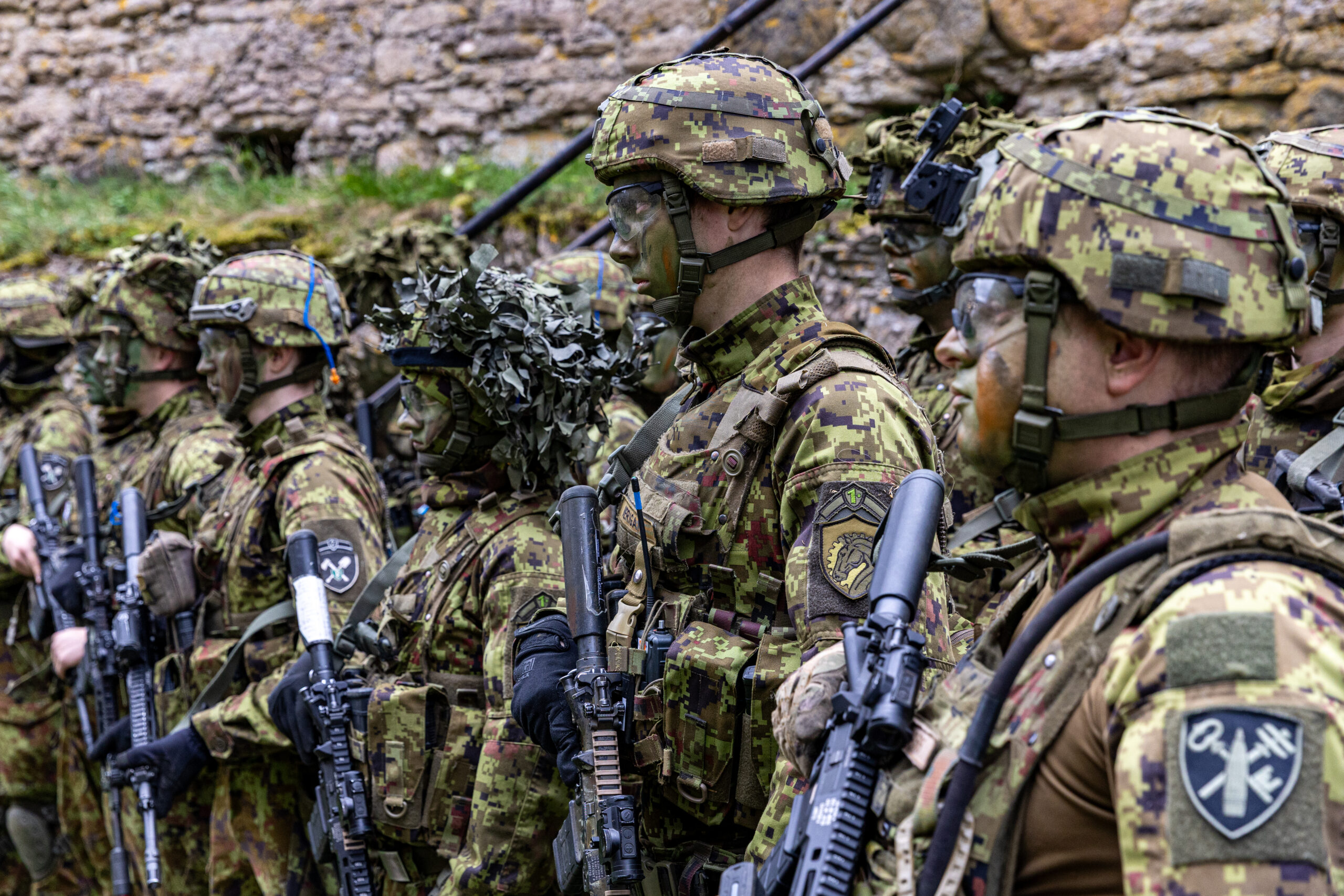
Estonian Defense Minister Martin Herem stated that after the Russian-Ukrainian war ends or is put on hold, Russia will attempt to test the resilience of one of the NATO countries.
He made this statement in an interview with European Pravda.
According to Herem, once active hostilities in Ukraine cease, Russia will have the opportunity to gradually rebuild and expand its military capabilities.
“And this will happen regardless of how the war ends: whether Ukraine drives them out of its territory or there is simply a ‘freeze’ on hostilities,” he said.
At the same time, the minister does not believe that Estonia will necessarily be the next target. Among possible targets, he specifically mentioned Latvia.

Herem believes that Russia’s main goal may not be to occupy NATO territory, but rather to undermine trust among allies and within the targeted country.
In his assessment, Moscow may attempt to carry out an operation that falls below the threshold for invoking Article 5 of the North Atlantic Treaty or, conversely, deliberately provoke its activation.
The goal of such a scenario, according to the Estonian minister, would be to create a rift within the Alliance.
The official position of the Estonian Ministry of Defense is that there is currently no immediate need to increase combat readiness due to an imminent Russian attack.
On September 24, Herem, commenting on the Danish military intelligence’s threat assessment, stated that Russia’s main military resources remain focused on the war against Ukraine.

At the same time, he emphasized that Russia’s strategic goals have not changed, and Estonia, together with its allies, continues to prepare for various threat scenarios.
In September, during a meeting with John Stringer, Deputy Supreme Allied Commander of NATO’s Allied Forces in Europe, Herem cited the defense of the Baltic Sea, the strengthening of air and missile defense, and the development of the Baltic Defense Line as among the country’s top priorities.
The Baltic Defense Line involves Estonia, Latvia, and Lithuania establishing a system of anti-tank barriers and fortifications along NATO’s eastern border.
In 2024, Estonia planned to construct up to 600 bunkers, anti-tank trenches, storage facilities for engineering obstacles, and positions for the rapid deployment of dragon’s teeth and barbed wire.
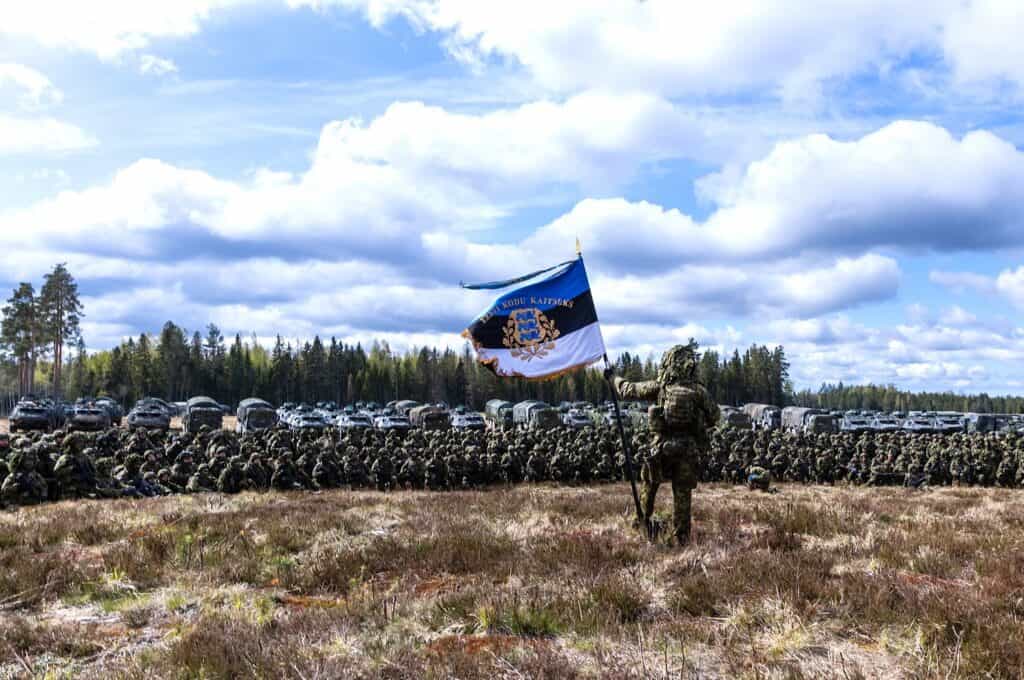
In October, Estonia announced the redeployment of some of its troops closer to the Russian border as part of its active defense concept. Under this concept, Estonian forces are to attempt to stop the enemy directly at the state border, rather than retreating deeper into the country.
At the same time, Estonia is strengthening its capabilities for detecting airborne threats. In May, the country deployed its first stationary drone detection systems along the border with Russia.
Following a recent visit to Ukraine, Herem also stated the need to consider the procurement by Estonia of its own light jet aircraft to intercept high-speed Russian drones.
Підтримати нас можна через:
Приват: 5169 3351 0164 7408 PayPal - [email protected] Стати нашим патроном за лінком ⬇
Subscribe to our newsletter
or on ours Telegram
Thank you!!
You are subscribed to our newsletter