



Popular
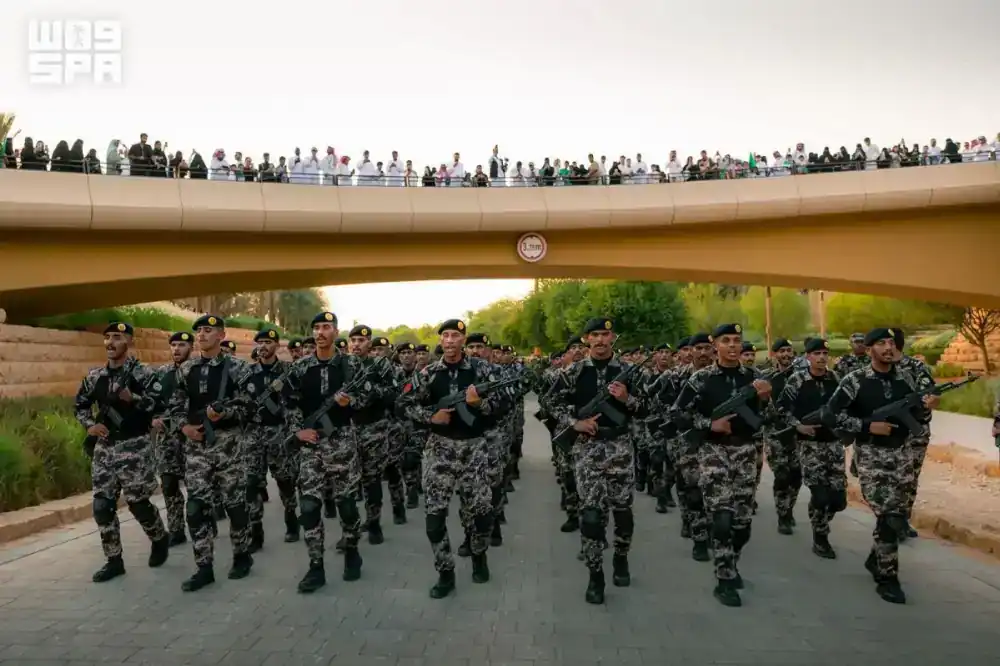
Saudi Arabia plans to launch a counteroffensive against the Iran-backed Houthis in Yemen, considering options—including in the coastal area—to secure a safe shipping route through the Red Sea or to launch counteroffensives on multiple fronts, regional and Western officials told Reuters.
The key objective of the planned Saudi offensive, which had not been previously reported, is to roll back the gains made by the Houthis last month as they advanced along the coast and seized the Bab el-Mandab Strait, according to sources cited by the publication.
The Bab el-Mandab Strait is the southern exit from the Red Sea, a key shipping route between the Mediterranean Sea and Asia, which has become even more important this year as an alternative to the Strait of Hormuz, which has effectively been closed due to the war with Iran.
Riyadh has concluded that it cannot enter into new peace talks with the Houthis as long as the militants control the Bab el-Mandab Strait, which gives them significant global influence, according to Western diplomats and Gulf officials.
In the operation, which is expected to begin in the coming weeks, forces of Yemen’s legitimate government will primarily take part on the ground, supported by Saudi airstrikes.
The United States, which is already providing intelligence to support Riyadh’s operations in Yemen, and Saudi allies—some regional and European countries that provide the kingdom with primarily defensive military aid—are not expected to play a direct role in combat operations.
The Saudis are considering two possible counteroffensive options, according to officials from the Gulf and Yemen: either a targeted attack on the Bab el-Mandab Strait area, or a broader offensive that also includes other coordinated attacks on multiple fronts from south to north in western Yemen, in the provinces of Al-Bayda, Marib, Taiz, and Al-Jawf.
Depending on the scale, more than 100,000 Yemeni troops could be involved in the offensive, all officials said.
Six people familiar with Saudi Arabia’s preparations were unable to specify the exact timing of the offensive’s launch; their estimates range from one week to the conclusion of the U.S. midterm elections in early November.
The Saudi-led offensive against the Houthis will become a new flashpoint in a region already engulfed in conflict following the Hamas-led attacks on Israel on October 7, 2023, and the subsequent U.S.- and Israeli-led war against Iran.
Turkey and Pakistan, with which Saudi Arabia signed a joint defense agreement last month, have provided military equipment that the kingdom is using in Yemen, according to Pakistani and regional officials.

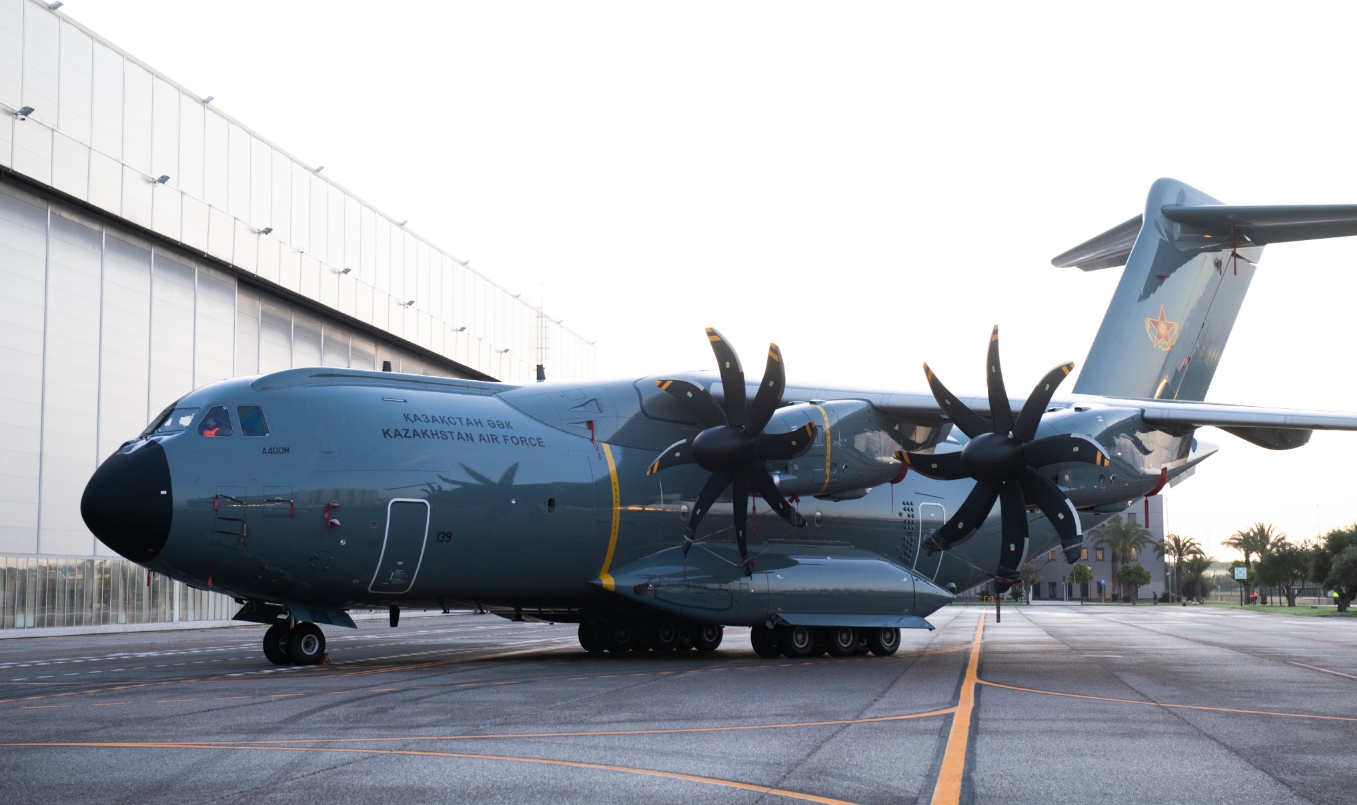
Last month, Pakistan sent four cargo planes carrying equipment—including air defense systems, light artillery, drones, and counter-drone systems—to Aden, the seat of the Saudi-backed Yemeni government, a Pakistani government official said.
Pakistan has deployed between 30,000 and 40,000 troops to Saudi Arabia to protect the kingdom’s land borders and assist in intercepting drones and missiles, according to a second Pakistani official, who said the troops had arrived in waves since last year, as well as following the recent escalation. Islamabad has not yet decided to deploy troops to Yemen in a combat role, the official said.
Pakistani military advisers are also on the ground alongside their Saudi counterparts to support Yemeni forces, according to another Pakistani official, a Gulf representative, and a Western diplomat. Turkish drones, purchased by Saudi Arabia prior to the current war, have also been deployed over Yemen, they added.
One of the kingdom’s key concerns as it launches a new offensive in Yemen is protecting its oil facilities and other infrastructure from Houthi drone and missile attacks, according to regional officials, who said Riyadh has turned to several allies for help with defense systems.
Yesterday, Axios reported that the U.S. has sent two more Patriot missile batteries in recent weeks to protect oil and gas facilities in Saudi Arabia and Qatar, in addition to another one sent last month. This buildup is taking place amid another war—the war with Iran.
Meanwhile, France announced that it would send defense systems and troops to Saudi Arabia to protect the port city of Yanbu on the Red Sea.
Підтримати нас можна через:
Приват: 5169 3351 0164 7408 PayPal - [email protected] Стати нашим патроном за лінком ⬇
Subscribe to our newsletter
or on ours Telegram
Thank you!!
You are subscribed to our newsletter