






Popular
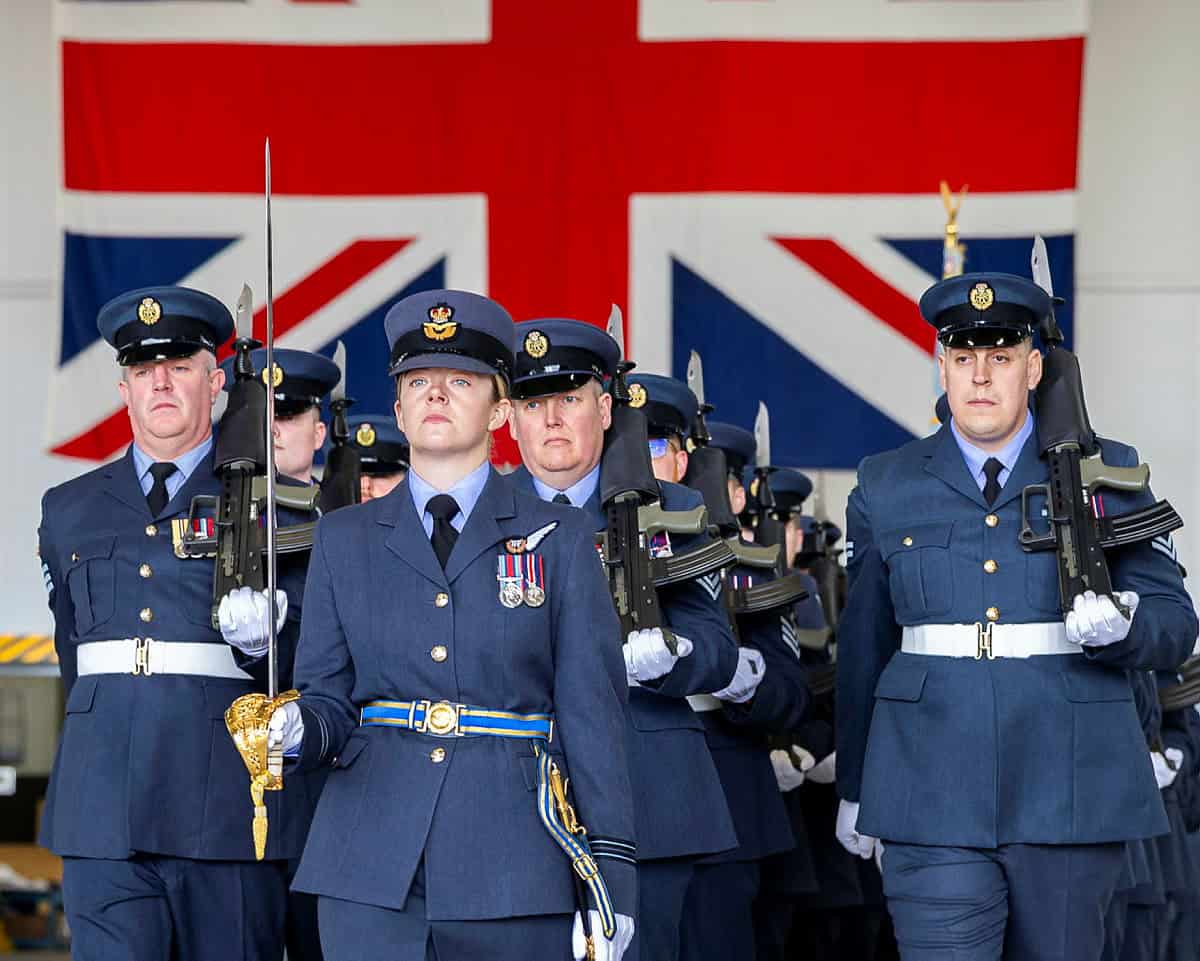
The UK Armed Forces are facing a funding shortfall that could force cuts to training and operations.
This was reported by The Aviationist, citing the Chief of the Defence Staff, Rich Knighton.
His statement came amid major personnel changes in the UK political and defense leadership, including the resignation of the Secretary of State for Defence.
“If you look back at the position 20 years ago, the split between resource spending and capital spending was about 80/20. Today it is about 60/40 – 60% on activity and resources, and 40% on capital. On the current projection, by the time we get to 2030 it will be 50/50,” Knighton noted.
This refers to the resource budget of the United Kingdom Ministry of Defence (RDEL — Resource Departmental Expenditure Limit), which covers the day-to-day costs of maintaining and operating the Armed Forces.

At the same time, funding for capital expenditure, which includes the development and procurement of new weapons and equipment, has grown much faster than the RDEL budget.
One of the reasons for this imbalance has been large-scale and costly rearmament programs.
Among them are the construction of Dreadnought-class nuclear submarines with ballistic missiles, the development of a sixth-generation fighter jet under the GCAP program, the construction of Type 26 frigates, as well as the problematic Ajax armored vehicle program.
The implementation of these projects requires significant financial resources from the Ministry of Defence capital spending, which is not part of the RDEL structure.
At the same time, current costs are also increasing. Fuel prices have risen significantly, and the UK Armed Forces have been tasked with expanding the scale of their activities to levels not seen since the Cold War.

Plans to focus mainly on Europe and the North Atlantic after the end of the Afghanistan mission were disrupted by prolonged instability in the Middle East. This forced London to deploy additional forces to protect its own interests and support allies in the region.
On June 12, it was reported that UK Defence Secretary John Healey resigned from the government of Prime Minister Keir Starmer. The reason for this step was disagreements over the level of defense funding amid growing security threats.
In a letter to the Prime Minister, Healey stated that the proposed defense investment plan “falls significantly short of the level required to defend the country at this dangerous time.”
Shortly afterwards, the Minister for the Armed Forces, Alistair Carns, also announced his resignation, increasing pressure on the government on defense policy.
Підтримати нас можна через:
Приват: 5169 3351 0164 7408 PayPal - [email protected] Стати нашим патроном за лінком ⬇
Subscribe to our newsletter
or on ours Telegram
Thank you!!
You are subscribed to our newsletter