





Popular
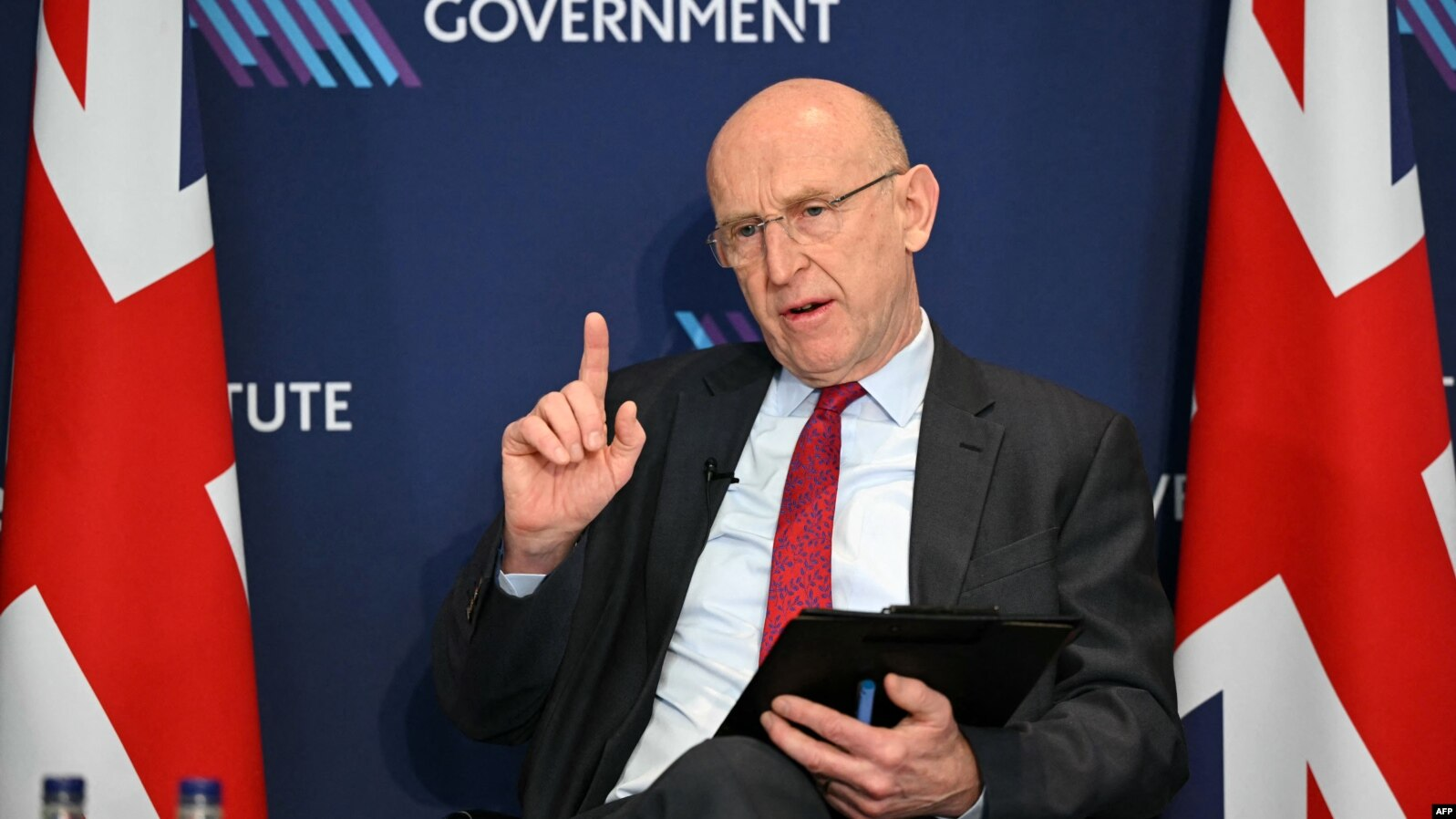
UK Defence Secretary John Healey has resigned from Prime Minister Keir Starmer’s government following a dispute over defence spending. The disagreement comes as security threats continue to grow.
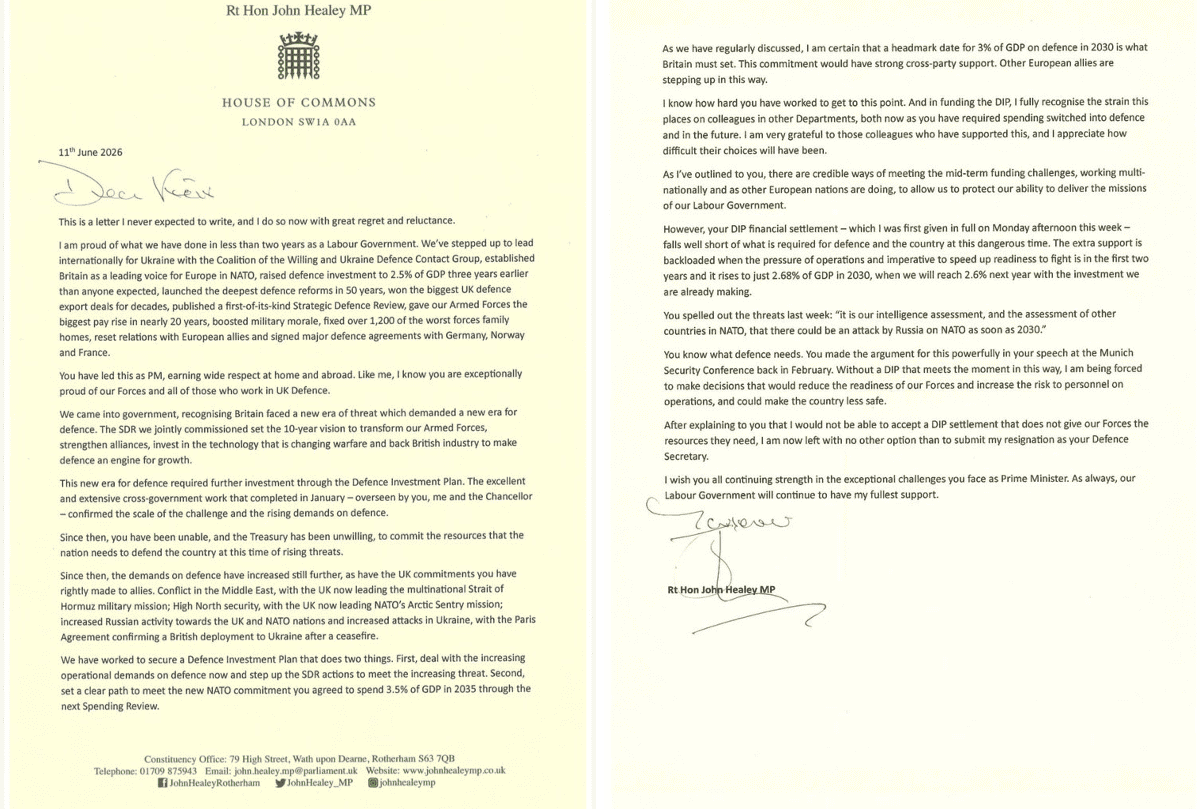
In his resignation letter, Healey said the government’s proposed defence investment plan “falls significantly short of what is needed to protect the country at this dangerous time.”
Shortly after Healey’s departure, Armed Forces Minister Al Carns also announced his resignation, adding to the pressure on the government over its defence policy and military funding priorities.
Later that evening, Downing Street announced the appointment of a new Defence Secretary. Former Security Minister Dan Jarvis was named head of the Ministry of Defence.
In a statement, Prime Minister Keir Starmer said that the government’s top priority remains the security of the British people. He added that Jarvis’s appointment comes at a time when the UK is strengthening its armed forces and responding to growing security threats.
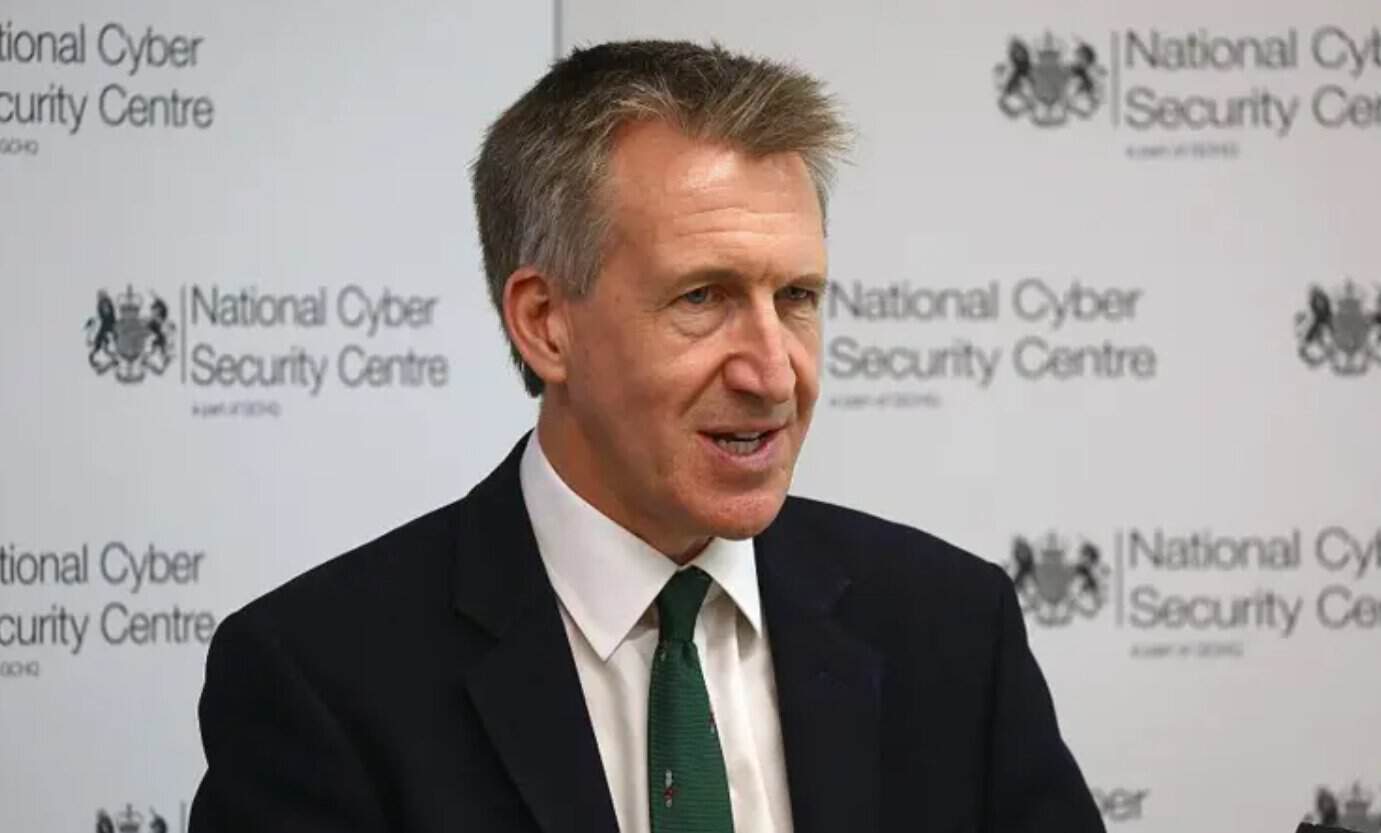
Dan Jarvis, 53-year-old, graduated from the Royal Military Academy Sandhurst. Before entering politics in 2011, he served in the British Army and left the military with the rank of major.
In his resignation letter, John Healey warned that insufficient defence funding is forcing the Ministry of Defence to make difficult choices that could weaken the armed forces’ combat readiness and put military personnel at greater risk during operations.
He also noted that a comprehensive cross-government review, completed earlier this year, confirmed the scale of the security challenges facing the country. In his view, neither the government nor the Treasury has provided the level of funding needed to address those threats effectively.
The defence investment plan is intended to set out how new military equipment and defence infrastructure will be funded over the next decade. The document is being developed on the basis of the Strategic Defence Review published last year.
The publication of the defence investment plan was postponed after the Ministry of Defence requested an additional £28 billion in funding over the next four years, following an internal assessment of the military’s needs.
The government had previously been considering an extra £13.5 billion for defence after discussions with the Ministry of Defence. However, there is still no agreement on how this additional spending should be funded, making it a major political issue.
Opposition leader Kemi Badenoch called on the government not to increase taxes to pay for higher defense spending. At the same time, Prime Minister Keir Starmer said work on the investment plan is continuing and that it will be published before the NATO summit in Turkey in July.
Under the government’s current budget plans, UK defense spending is expected to rise by 3.6% in real terms by 2029.
Підтримати нас можна через:
Приват: 5169 3351 0164 7408 PayPal - [email protected] Стати нашим патроном за лінком ⬇
Subscribe to our newsletter
or on ours Telegram
Thank you!!
You are subscribed to our newsletter