



Popular
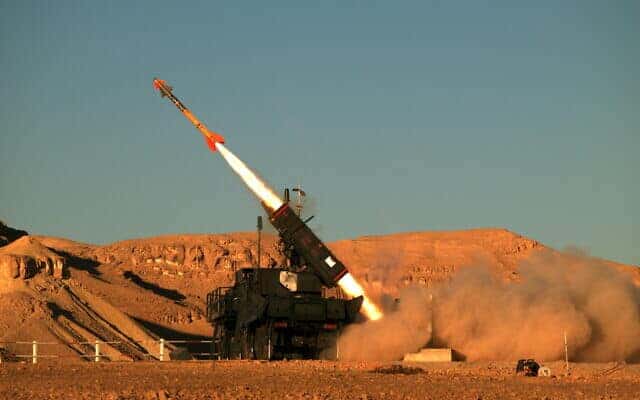
The Romanian Ministry of National Defence has signed a strategic agreement with Rafael Corporation to procure SPYDER air defense systems, with a total value of over €2 billion.
This was reported by the company.
The agreement provides for a comprehensive air defense solution, including launchers, interceptors, radars, personnel training capabilities, and logistical support, as well as extensive industrial cooperation and local production in Romania.
This agreement marks another milestone in the long-standing partnership between the company and the country. Over the past three decades, Rafael has supplied Romania with advanced systems in the fields of anti-tank guided missiles (SPIKE), electro-optics, and communications equipment for all branches of the country’s armed forces—the air force, army, and navy—which has helped establish a solid foundation of mutual trust and operational interoperability.
“The agreement with Romania is of strategic importance and demonstrates the company’s technological leadership and its unwavering excellence in the field of air defense. We thank the Romanian government for choosing the SPYDER system, and welcome Romania’s accession to the community of countries that have selected Rafael’s system to protect their citizens. As a leader in defense innovation, we will continue to contribute to the security of our partners by developing state-of-the-art technologies and fostering fruitful industrial cooperation,” — noted Rafael’s Chairman of the Board, Professor Yuval Steinitz.
The framework agreement was signed in July 2025 and will remain in effect for seven years.
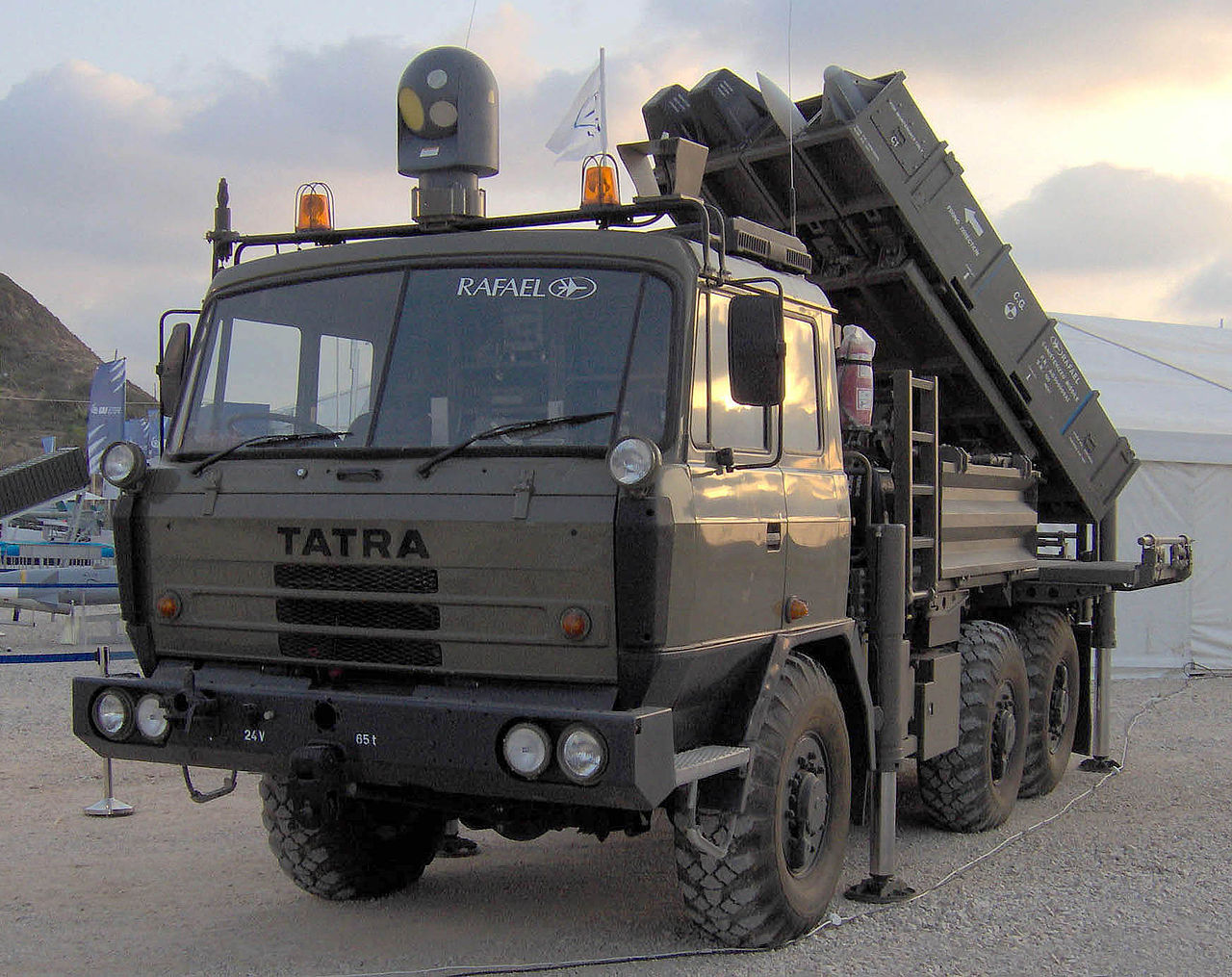
The SPYDER is a family of mobile air defense systems that use Rafael’s PYTHON-5 and DERBY/I-DERBY ER missiles, adapted for launch from ground-based launchers after being used in air-to-air mode. The company offers five configurations: ranging from the SPYDER SR and SPYDER ER to the SPYDER MR, SPYDER LR, and SPYDER All-in-One, with a claimed range of up to 40 km for the SR/ER and up to 160 km for the MR/LR, depending on the configuration, missile type, and launchers’ placement. A standard battery may include a wheeled command post, radar, three to six launchers, Toplite electro-optical sensors, and support vehicles.
Of operational significance are not only the range but also the reaction time, 360-degree coverage, the ability to fire under any weather conditions, and the capability to integrate multiple launchers and sensors into a distributed defense network.
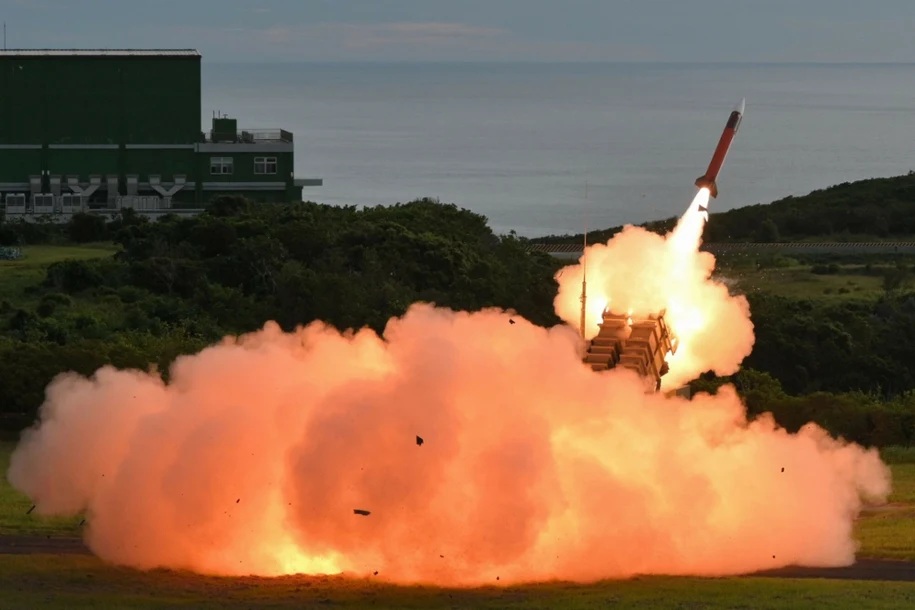
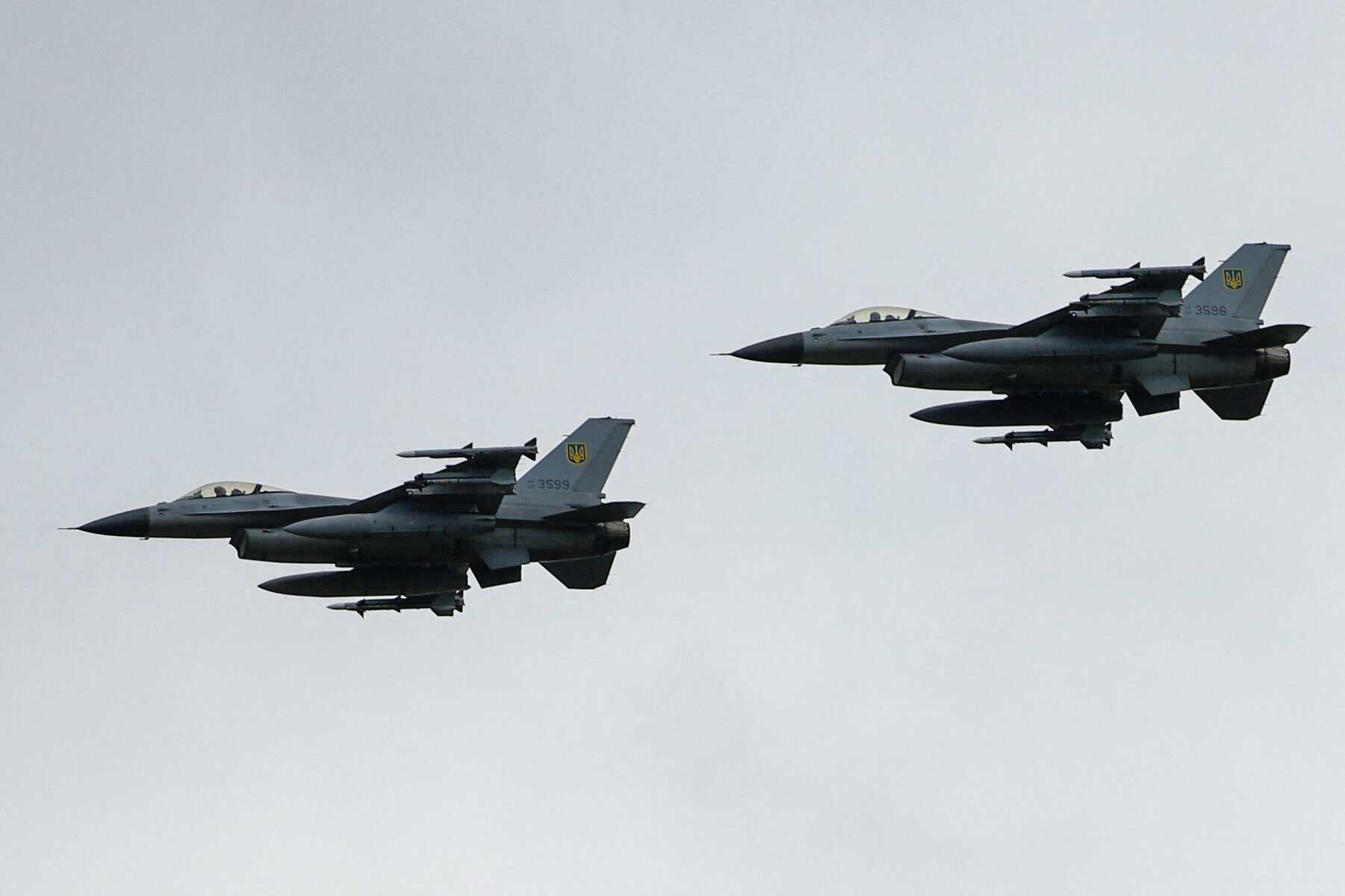
The SPYDER system should be viewed as one tier within the broader structure of Romania’s air defense, rather than as a standalone means of countering any aerial threat. Romania already operates Patriot missile systems, F-16 fighter jets, Gepard self-propelled anti-aircraft guns, and South Korean Chiron man-portable air defense systems (MANPADS); in addition, it signed a contract for the delivery of 231 Mistral MANPADS, integrated the US-supplied Merops UAV countermeasure system in June 2026, and has also ordered systems from Rheinmetall, including the Skyranger 35 air defense system.
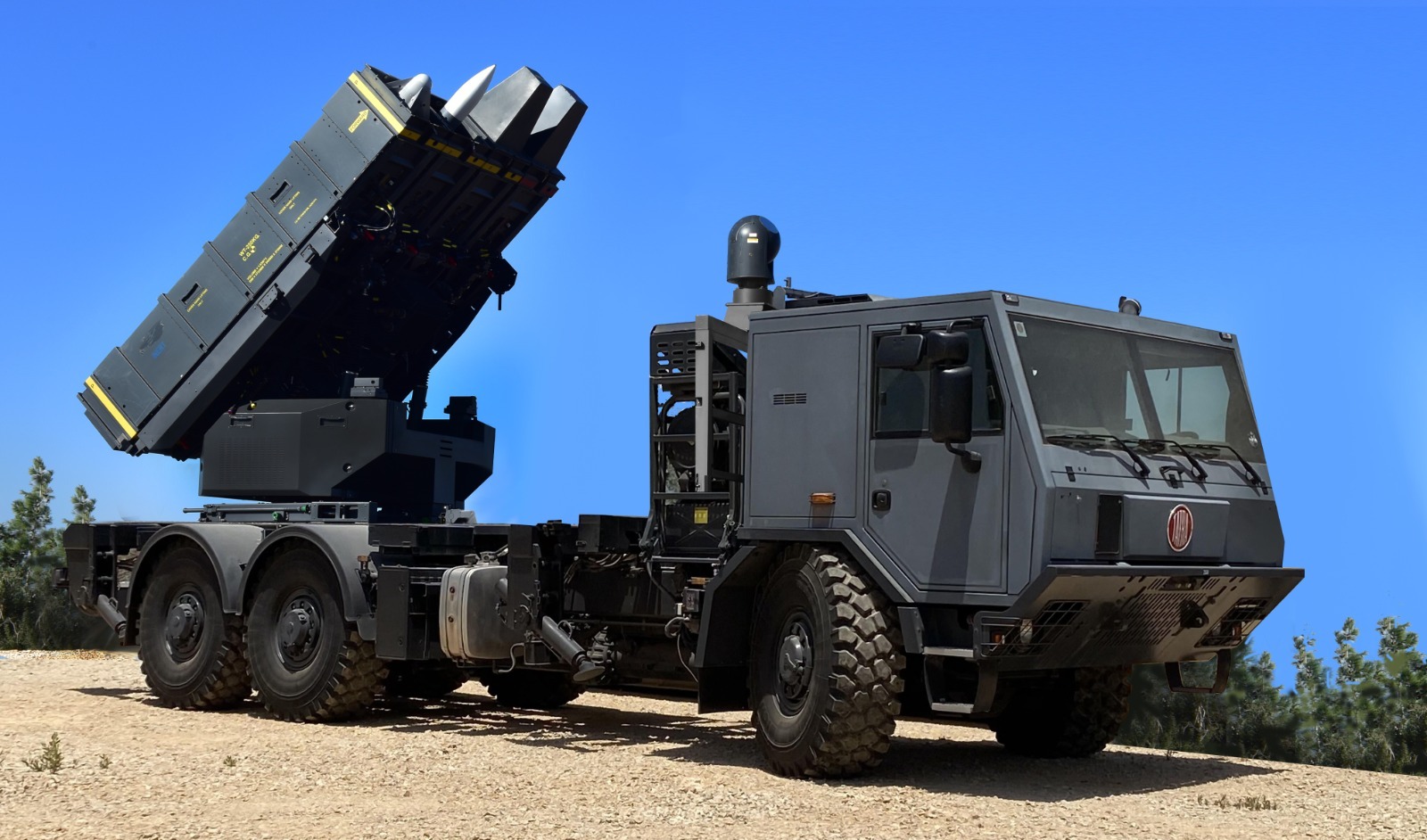
The operational logic is based on a multi-layered approach: Merops and anti-aircraft gun systems for small drones, VSHORAD for close-range air threats, SPYDER SHORAD for protected areas and maneuver forces, and Patriot and F-16s for long-range air defense. For Bucharest, the main risk lies not in choosing the wrong missile, but in deploying a sufficient number of sensors, interceptors, and trained crews, as well as ensuring the local level of technical maintenance required to support air defense operations.
The transition to the implementation phase, which Defence Minister Radu Miruță announced on June 25, 2026, means that Romania is moving from procurement planning to the stage of deploying the combat capabilities of short-range air defense systems.
Підтримати нас можна через:
Приват: 5169 3351 0164 7408 PayPal - [email protected] Стати нашим патроном за лінком ⬇
Subscribe to our newsletter
or on ours Telegram
Thank you!!
You are subscribed to our newsletter