




Popular
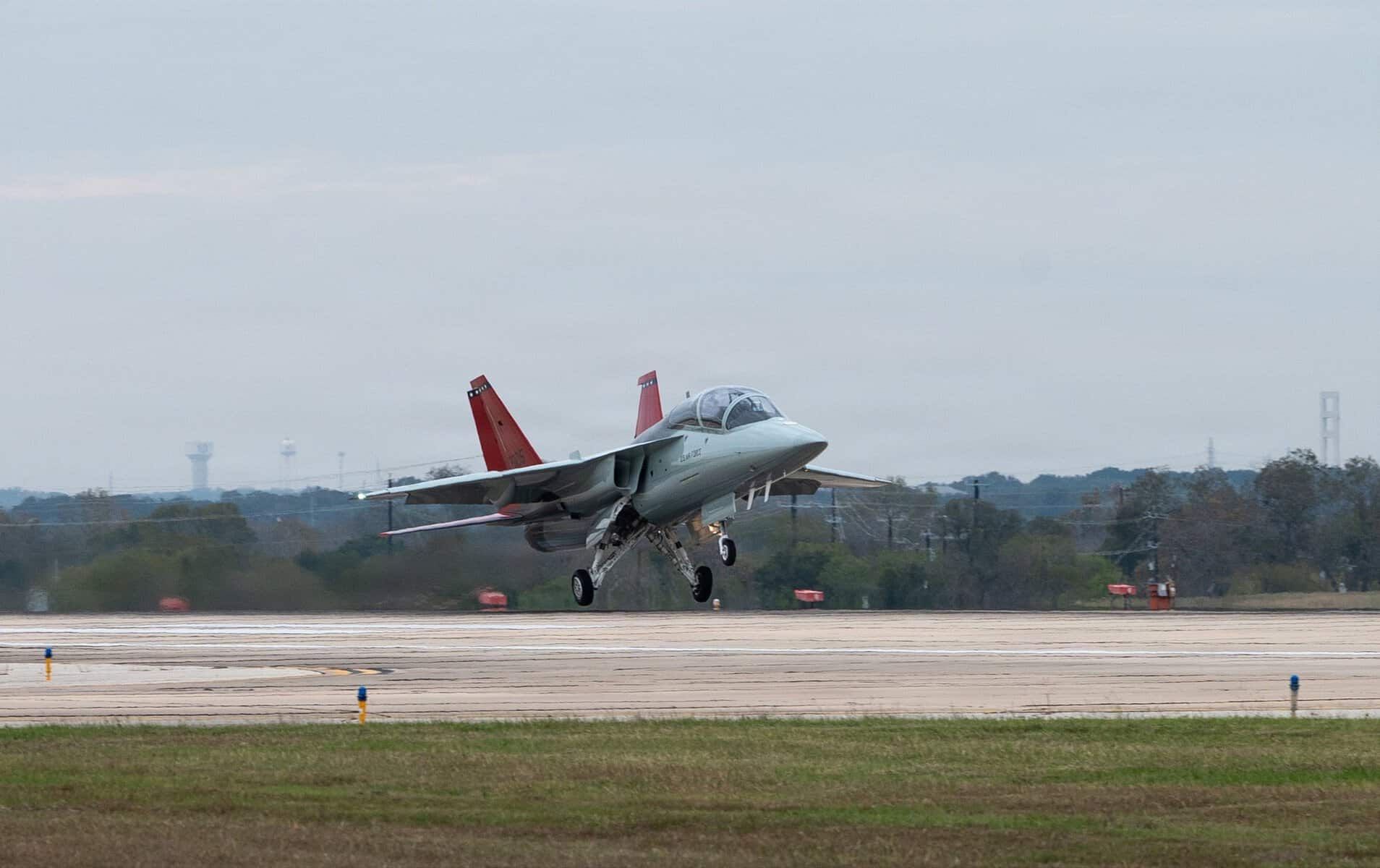
The latest T-7A Red Hawk training aircraft, which is to replace the outdated T-38 Talon in the US Air Force, has encountered serious technical and organizational problems.
Breaking Defense reported on this after reviewing internal documents of the US Air Force.
One of the biggest problems is that the T-7A currently cannot fly in the rain. Some external panels are not sufficiently sealed, allowing water to enter the aircraft’s internal systems. During climatic tests, engineers had to tape off individual structural elements.
Problems also arose with the Ground-Based Training System (GBTS) ground simulator. During testing, it demonstrated a success rate of less than 30% on key tests, but the US Air Force decided to deploy the system for training cadets as soon as possible.
Additionally, the US Air Force says that Boeing has not transferred some critical data on the aircraft’s components, even though this was required by the contract. Because of this, the first 82 aircraft, which are planned to be produced by 2031, will have a serious risk to airworthiness.
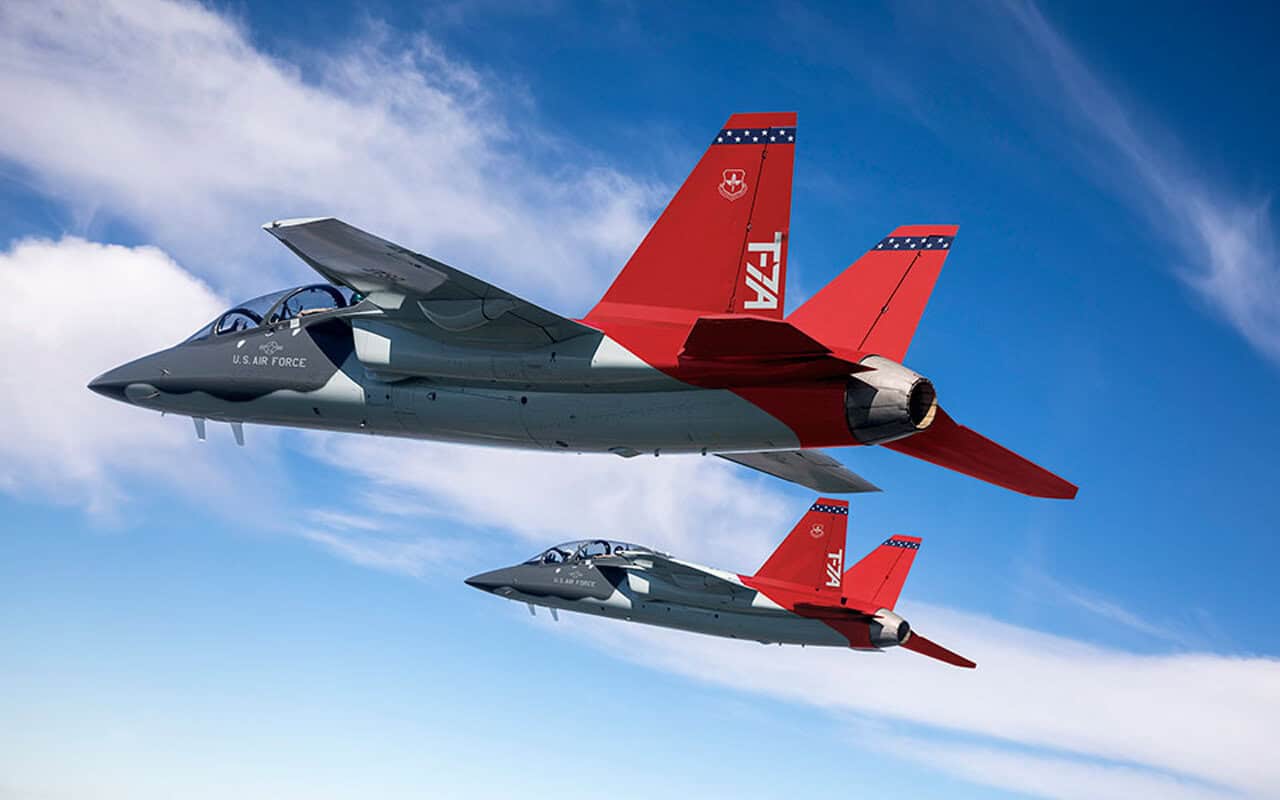
These are critical components whose failure could lead to the loss of the aircraft or the death of the pilot. Due to a lack of information, the military cannot accurately assess components’ service life or lifecycle limits, determine the timing of their inspections, or predict potential malfunctions.
Despite the difficulties, the US military does not plan to stop the program. The command explains this by the need to quickly abandon the operation of the 60-year-old T-38 Talon, which are increasingly creating problems for the pilot training system.
Boeing assures that safety remains the company’s top priority.
According to the manufacturer, the program has already accumulated more than 350 test flights and more than 344 flight hours, and all identified shortcomings are being eliminated in joint work with the US Air Force.
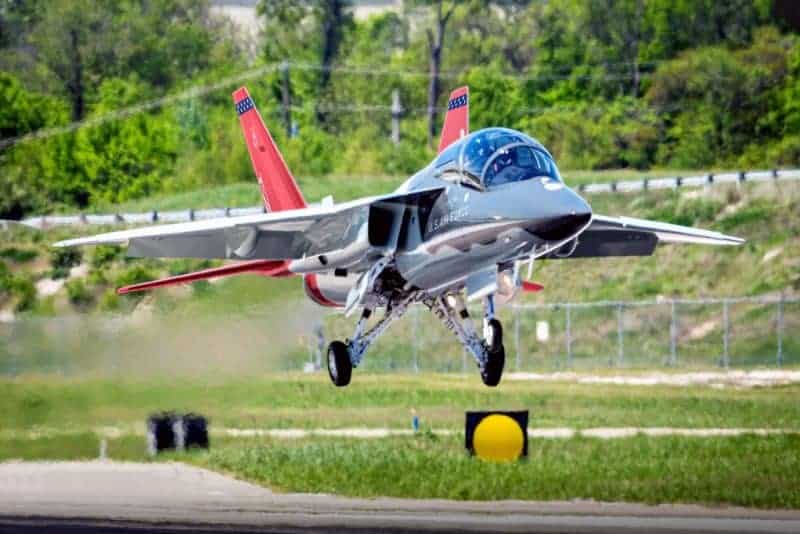
Now the US military expects to achieve initial combat readiness of the T-7A in the fall of 2027, and the first cadets should begin flying on the new aircraft in the spring of 2028.
The aircraft has faced problems from the beginning. In addition to the problems already mentioned, the T-7A Red Hawk program has faced several other critical challenges that have significantly slowed the aircraft’s development and certification.
One of the most serious aerodynamic problems was the so-called “wing rock” (or the effect of wing rocking). During test flights, experts found that the aircraft exhibits unstable behavior under certain conditions, particularly during aggressive maneuvers at high angles of attack.
The aircraft begins to oscillate uncontrollably about the roll and pitch axes, making precise control extremely difficult and, in some cases, even impossible. This phenomenon, accompanied by buffeting (vibrations of the structure), forced Boeing engineers to significantly redesign the flight control system software to stabilize the aircraft’s behavior.
A significant delay was also caused by shortcomings in the ACES 5 ejection system. The tests revealed critical risks for pilots: during ejection at high speeds, the system did not ensure safe separation of the pilots (cadet and instructor), or there were problems with the destruction of the cockpit lantern before the chair flew out.
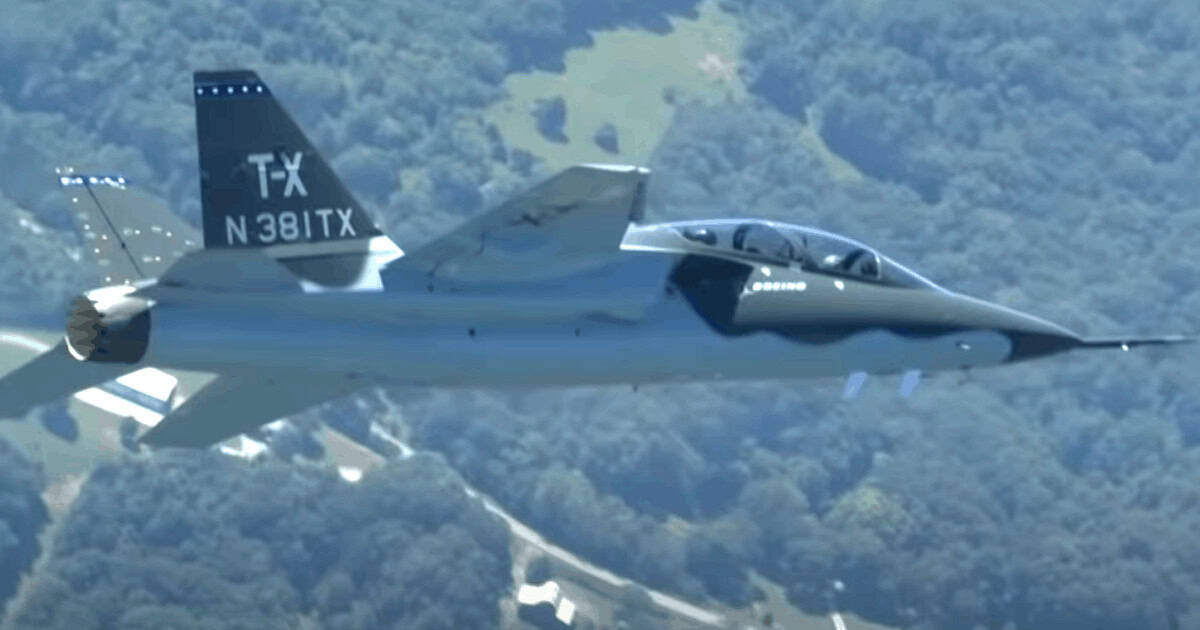
Resolving these issues required a major redesign of the safety mechanism, additional bench tests, and adaptation to different types of pilot physiques, including safety requirements for female pilots.
In addition, the program is accompanied by constant disputes over the terms of a fixed contract concluded back in 2018. Boeing was unprepared for the true scale of engineering and production costs, resulting in billions in losses for the company and conflicts with the US Department of Defense over the volume of technical documentation. According to analysts, the company also faced problems in the supply chain, with instances of low-quality parts slowing the assembly of the first prototypes.
Підтримати нас можна через:
Приват: 5169 3351 0164 7408 PayPal - [email protected] Стати нашим патроном за лінком ⬇
Subscribe to our newsletter
or on ours Telegram
Thank you!!
You are subscribed to our newsletter