





Popular
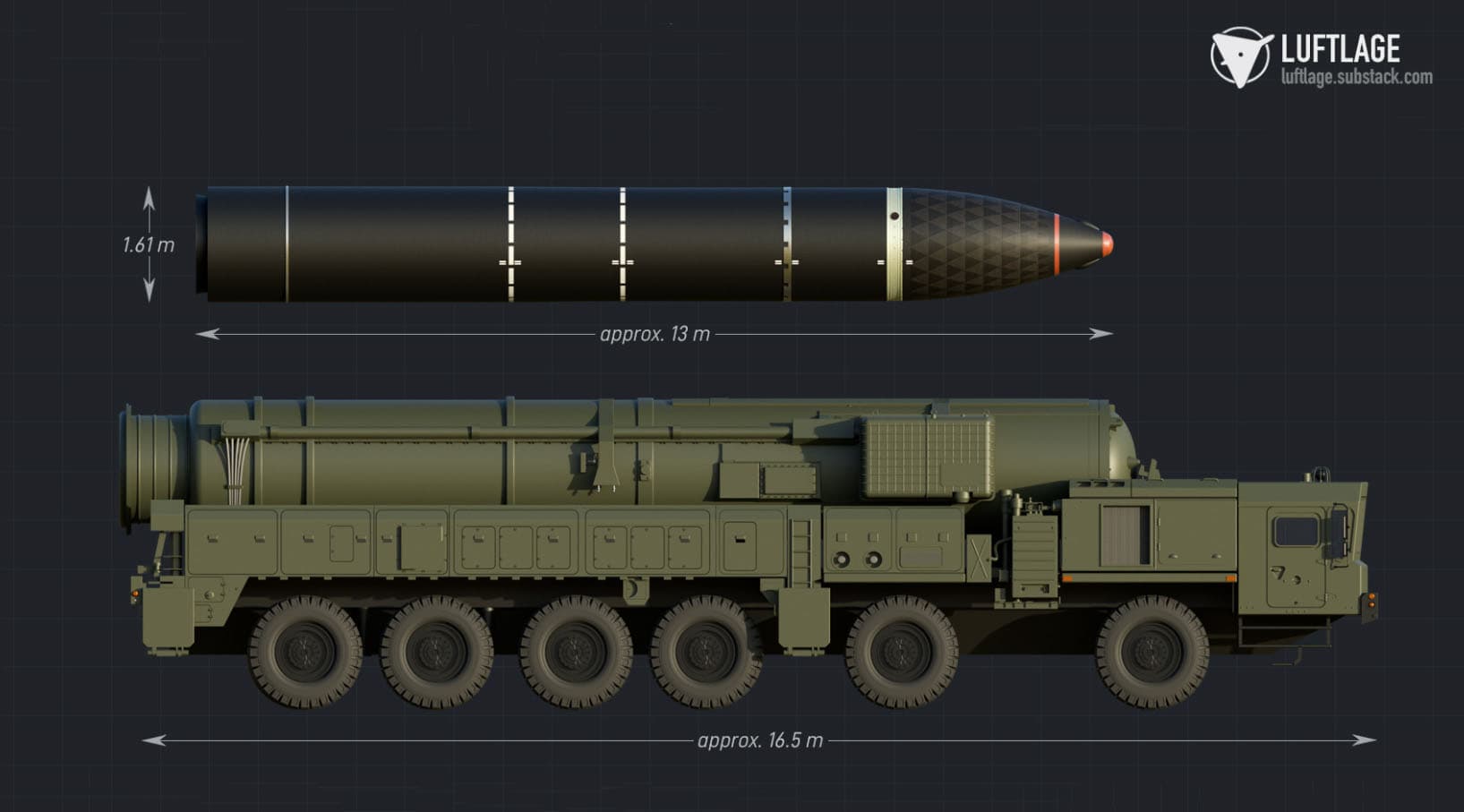
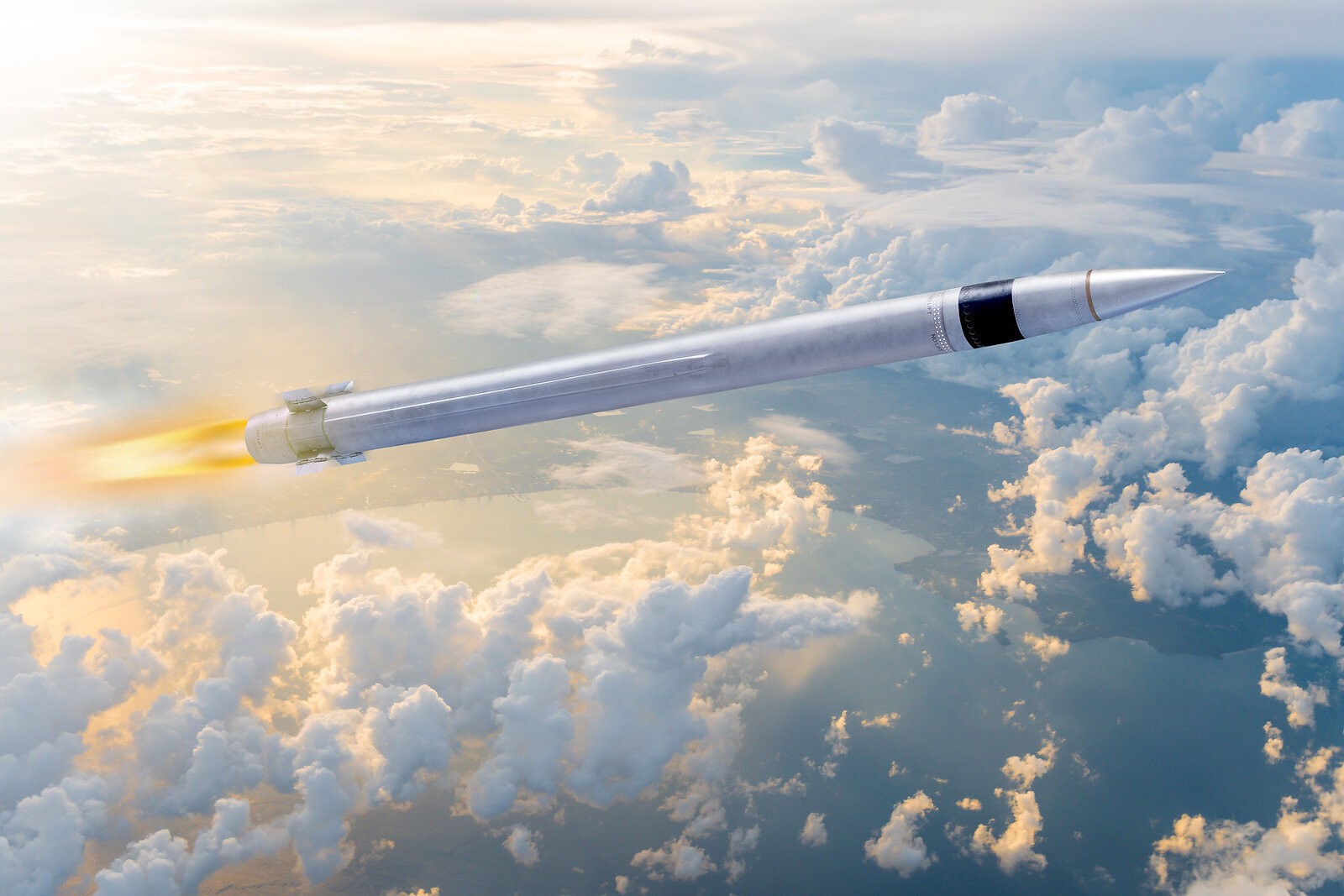
Analysis has shown that the Oreshnik missile may have been developed using the second and third stages of the Yars intercontinental ballistic missile.
Analysts from the LUFTLAGE project reached this conclusion after conducting a comparative analysis of these missile systems.
Since its first combat deployment in 2024, the Russian Oreshnik medium-range ballistic missile remains one of the least studied missile systems of the Russian Federation.
The Oreshnik has not yet been publicly demonstrated. Russia has not released any images of the missile itself or its launch system.

However, the data already available provides important clues regarding the design of the booster stage and the transport-launch vehicle.
Researchers suggest that the Oreshnik was developed based on the second and third stages of the Yars intercontinental ballistic missile.
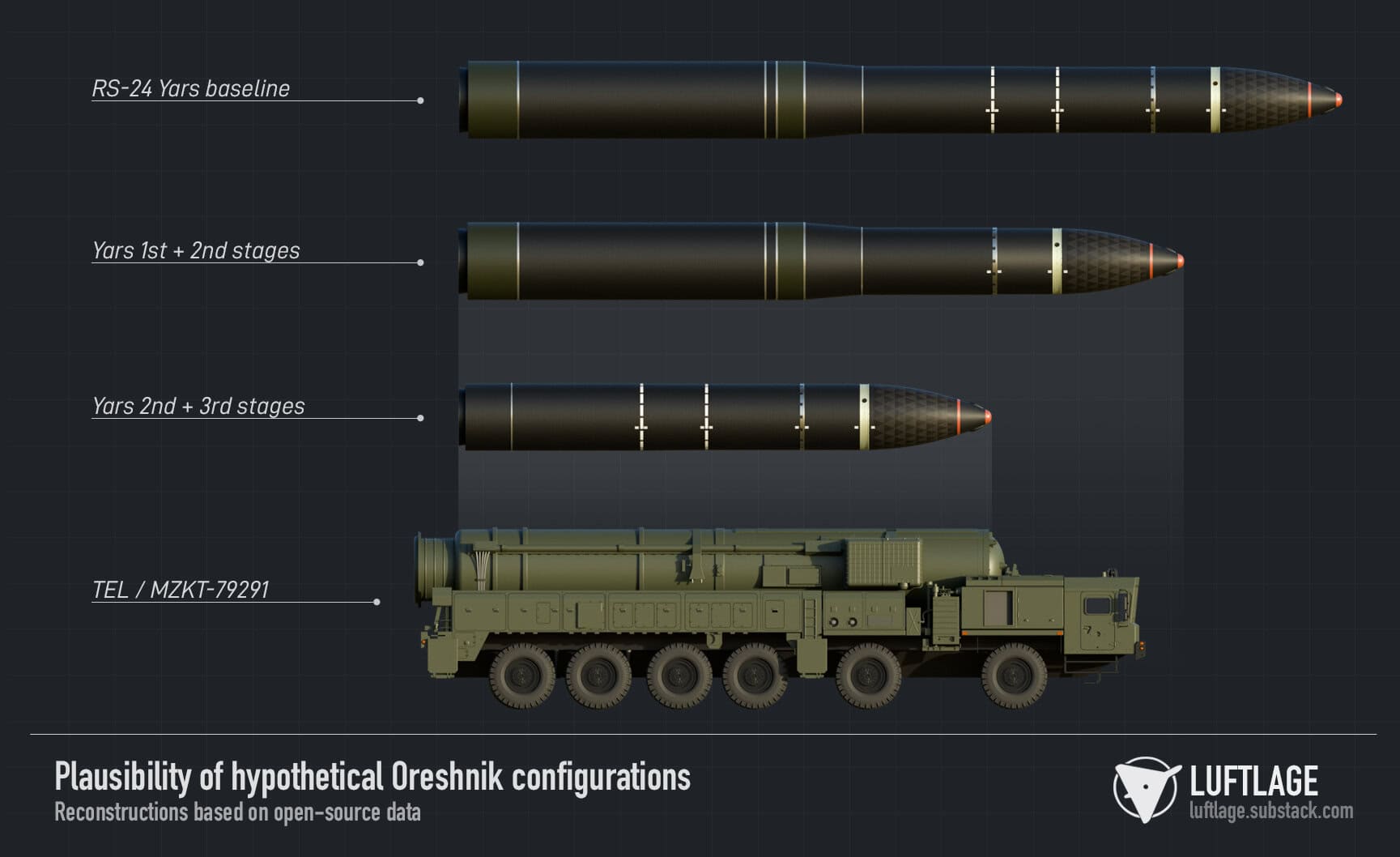
In November 2024, shortly after the missile’s first combat use, the Pentagon characterized the Oreshnik as an experimental medium-range ballistic missile developed on the basis of the Russian RS-26 Rubezh missile.
As early as 2013, Russian state media, citing Sergei Karakaev, commander of the Strategic Missile Forces, reported that the Rubezh was created based on the RS-24 Yars intercontinental ballistic missile, although the new system had a significantly lower mass.
Additional evidence supporting the common origin of the Oreshnik, Rubezh, and Yars emerged in 2026. Published footage of the system’s forward deployment area in Belarus showed support vehicles identical to those used by Yars units.
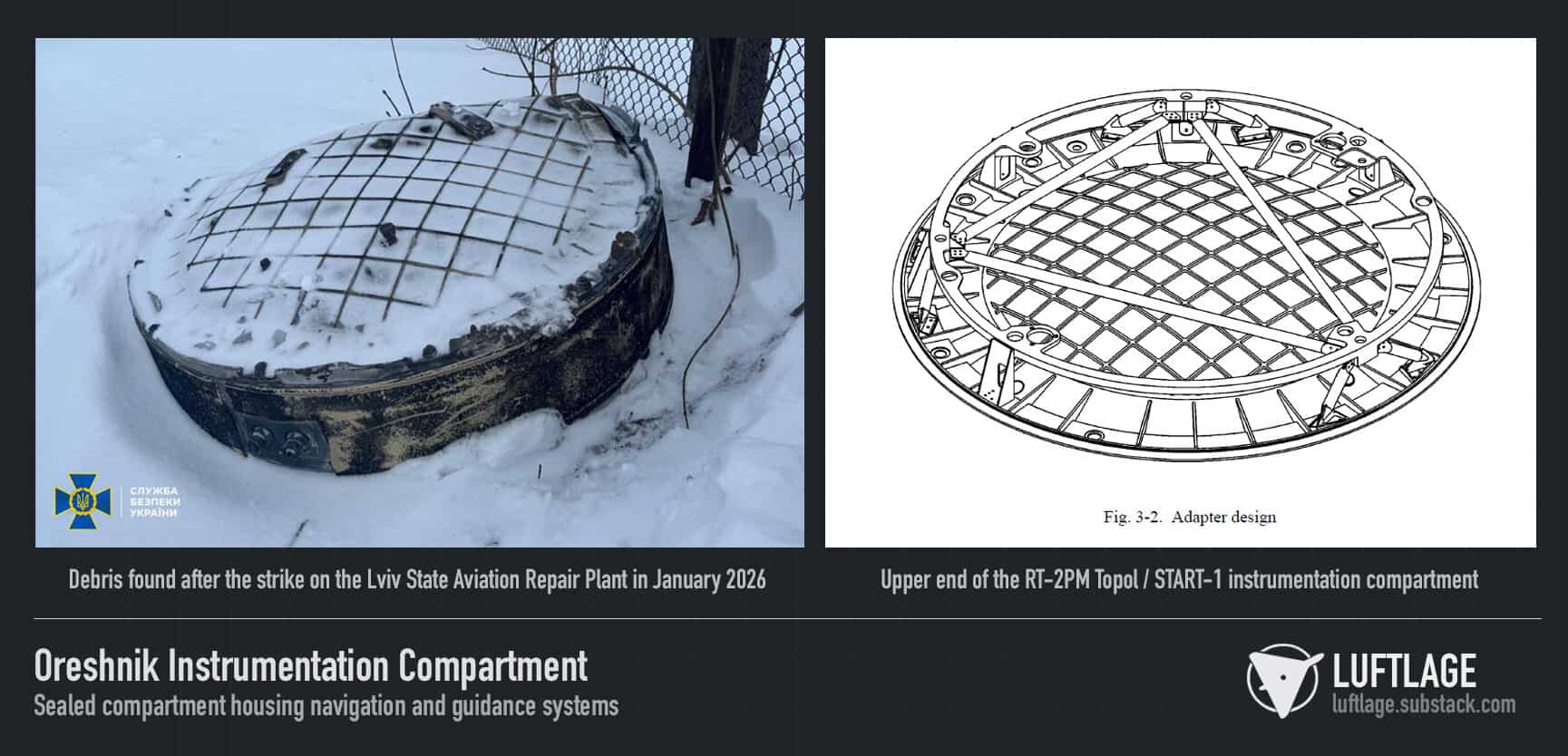
The first concrete information about the Oreshnik’s architecture emerged following an analysis of debris found at impact sites across Ukraine.
Among the recovered components, experts identified remnants of the booster stage control system.
According to preliminary estimates, the missile uses a continuous-operation solid-fuel gas generator that supplies gas to a system of valve-controlled engines.
Another discovery was a pressurized instrument compartment. This is where the missile’s navigation and guidance systems are housed.
At the same time, the Oreshnik’s warhead remains the least studied element of the system.
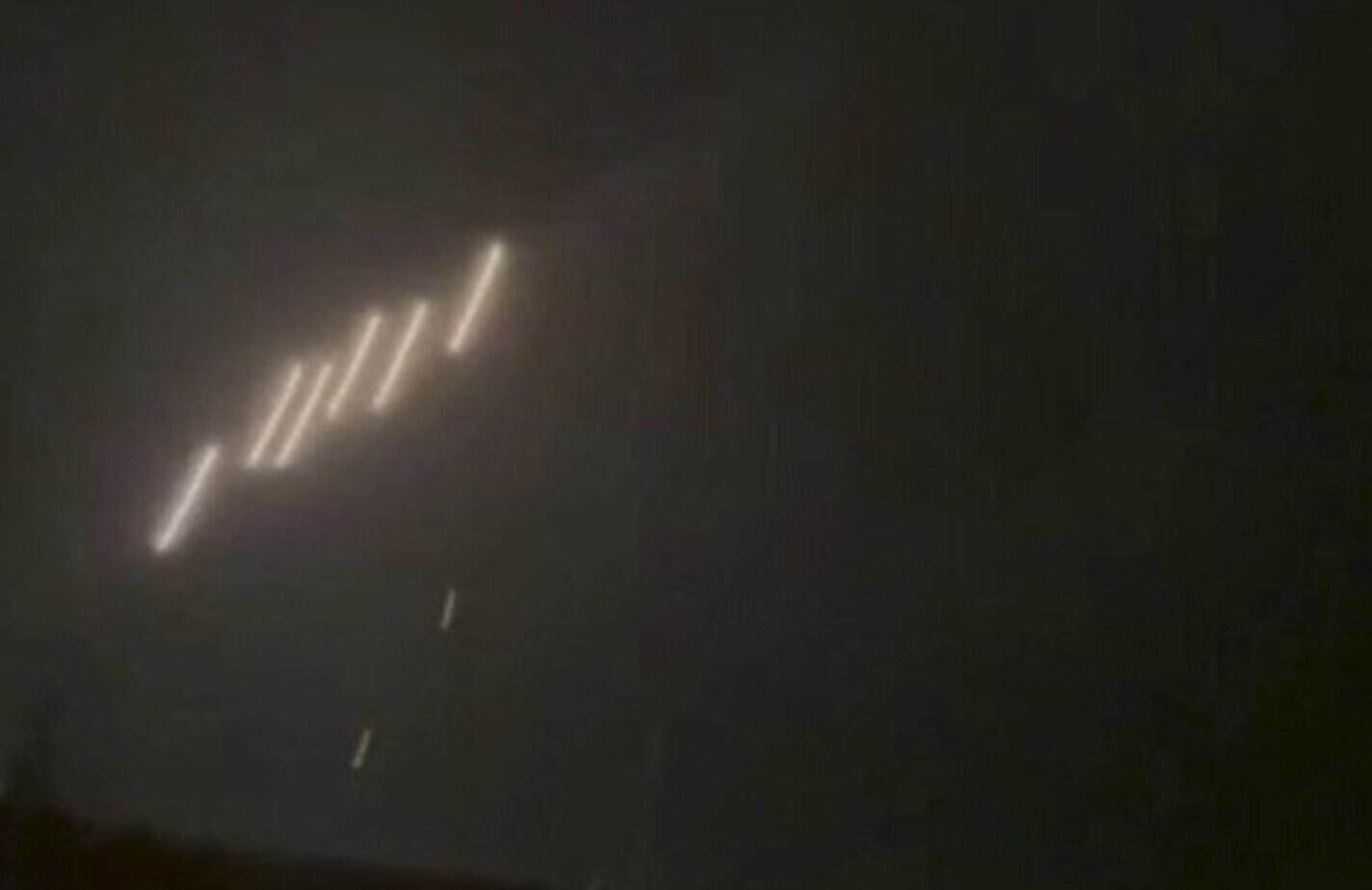
During the strikes on Ukraine, video footage captured 36 luminous objects descending in six separate groups. It is assumed that there were six warhead blocks, each of which launched six submunitions upon entering the atmosphere.
A reconstruction of the missile’s control system and overall architecture indicates significant limitations regarding the placement of such a large number of submunitions.
According to researchers’ estimates, in a configuration with six warheads and six submunitions in each, the maximum diameter of a single submunition would not exceed 10–13 centimeters.
In a comment to Militarnyi, one of the experts from the Ukrainian Ministry of Defense stated that, according to the analysis, the striking elements are “ordinary ingots”—solid cast metal pieces. And they are made not of steel or tungsten, which would be typical for kinetic munitions, but of cast iron.
Підтримати нас можна через:
Приват: 5169 3351 0164 7408 PayPal - [email protected] Стати нашим патроном за лінком ⬇
Subscribe to our newsletter
or on ours Telegram
Thank you!!
You are subscribed to our newsletter