





Popular
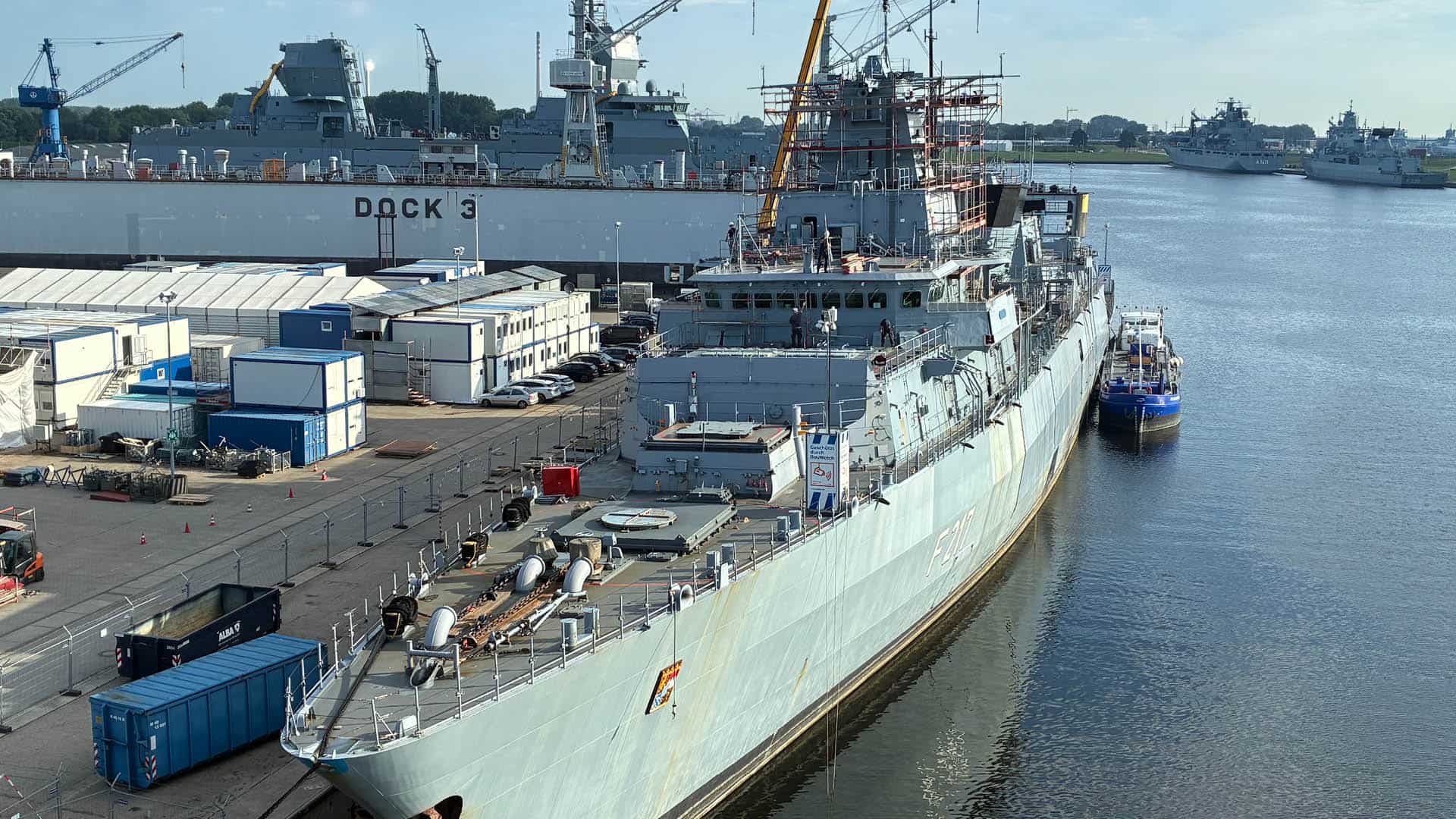
The German company Rheinmetall has been awarded a contract to modernize the F123-class frigate Bayern for the German Navy.
The work will be carried out at the Neue Jadewerft shipyard in Wilhelmshaven as part of a program to extend the ship’s service life, according to hartpunkt.
The deal is worth several hundred million euros and was signed in June. The order was placed by the Abeking & Rasmussen shipyard, a subcontractor to the Swedish company Saab — the prime contractor for the modernization of this class of frigates since 2021.
The main goal of the project is to ensure the frigate’s combat readiness until at least 2035 and to adapt its systems to modern threats. All work at the Neue Jadewerft shipyard is scheduled to be completed by 2029.
The modernization includes a complete upgrade of Saab’s FüWES 9LV combat and fire control system, as well as the installation of new Sea Giraffe 4A and Sea Giraffe 1X radar stations. Specialists will also upgrade the Ceros 200 optoelectronic guidance systems and the friend-or-foe identification equipment. In addition, the ship’s propulsion system will undergo a major overhaul, and the latest anti-submarine defense and torpedo detection systems will be integrated.
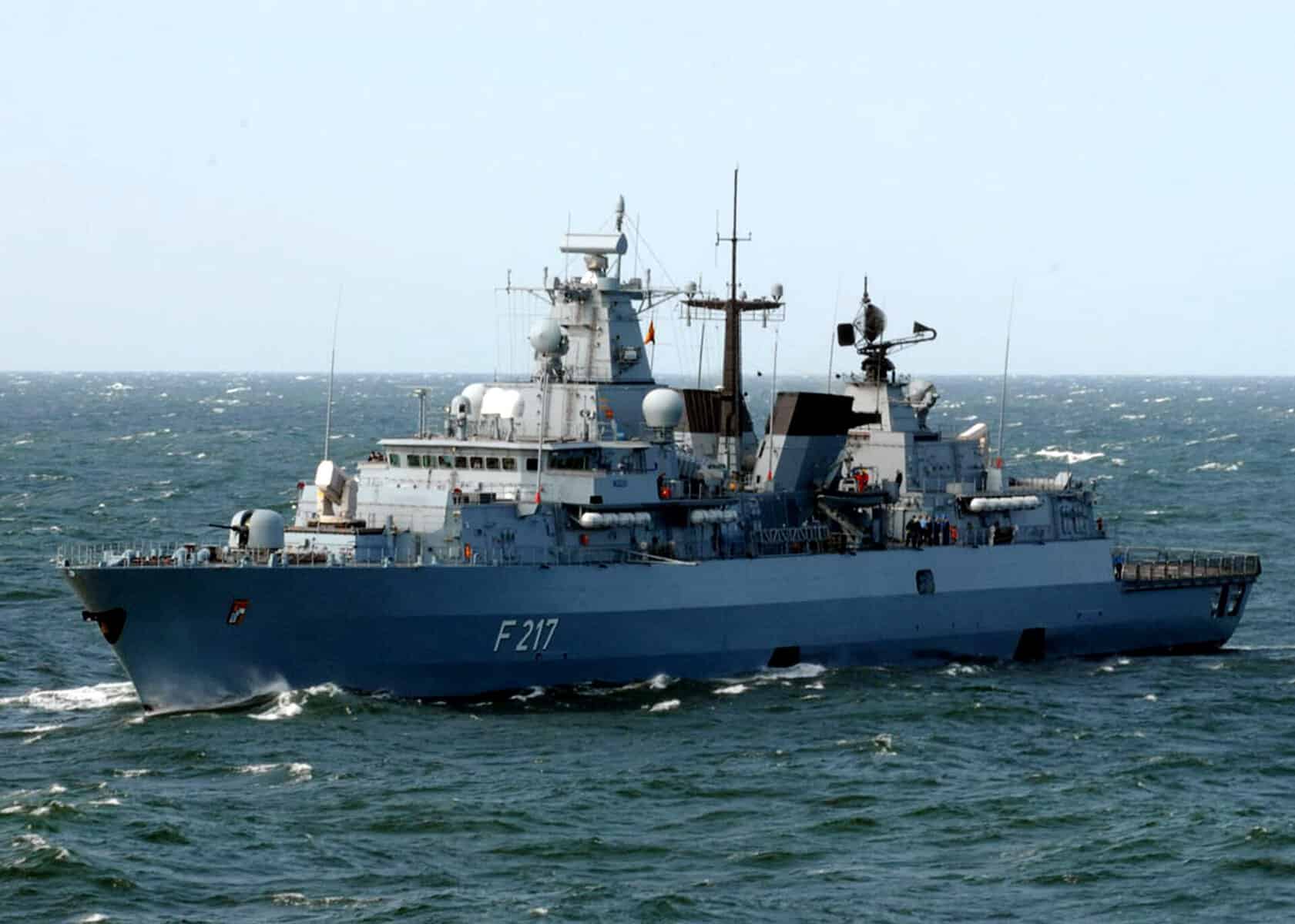
The frigate Bayern is one of a series of four Brandenburg-class (F123) ships built to replace the obsolete Hamburg-class frigates. The ship was laid down in 1993 at the Nordseewerke shipyard in Emden, launched in June 1994, and officially entered service with the German Navy in June 1996.
The primary mission of the F123-class frigates is to provide anti-submarine defense for naval task forces, as well as to carry out air defense and anti-ship defense missions. Over the course of a decade of service, the Bayern has participated in numerous international operations and NATO missions in the Atlantic, the Mediterranean, and the Indian Ocean.
The frigate has a displacement of approximately 4,900 metric tons, with a length of 139 meters and a beam of 16.7 meters. Its CODOG (Combined Diesel-Gas Turbine) propulsion system allows the ship to reach a maximum speed of over 29 knots, with a range of up to 4,000 miles.
The primary armament consists of a 76-mm OTO Melara gun, launchers for Harpoon anti-ship missiles, and an Mk 41 vertical launch system for Sea Sparrow or RIM-162 ESSM surface-to-air missiles. For close-in air defense, two 21-cell RIM-116 RAM air defense missile launchers are used.
Anti-submarine armament includes two torpedo tubes for 324-mm Mk 46 torpedoes and a hydroacoustic system for detecting submerged targets. The frigate’s aviation wing consists of two Sea Lynx helicopters, which perform anti-submarine warfare and reconnaissance missions. The ship’s crew numbers approximately 200, including the aviation crew.
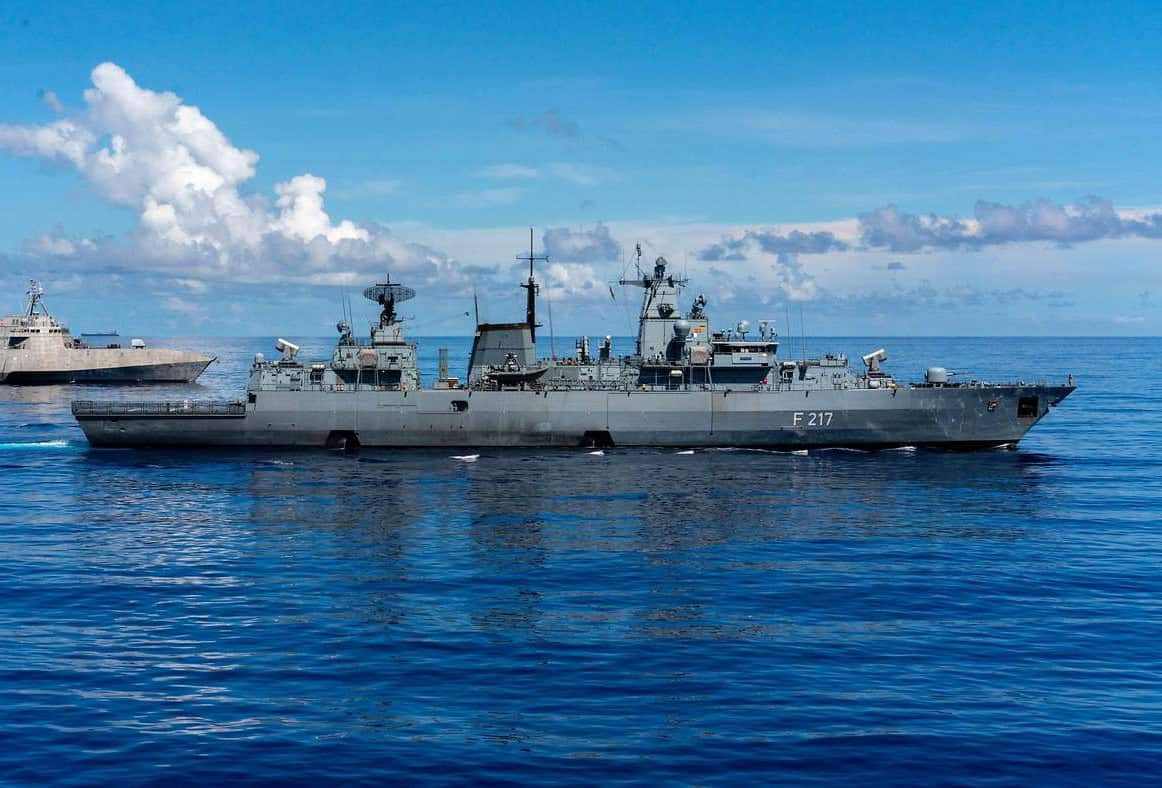
Key technical specifications of the F123:
Displacement: 4,900 metric tons
Length: 139 meters
Beam: 16.7 meters
Maximum speed: 29 knots
Crew: 200
Armament:
Air wing: 2 × Sea Lynx helicopters
Підтримати нас можна через:
Приват: 5169 3351 0164 7408 PayPal - [email protected] Стати нашим патроном за лінком ⬇
Subscribe to our newsletter
or on ours Telegram
Thank you!!
You are subscribed to our newsletter