




Popular
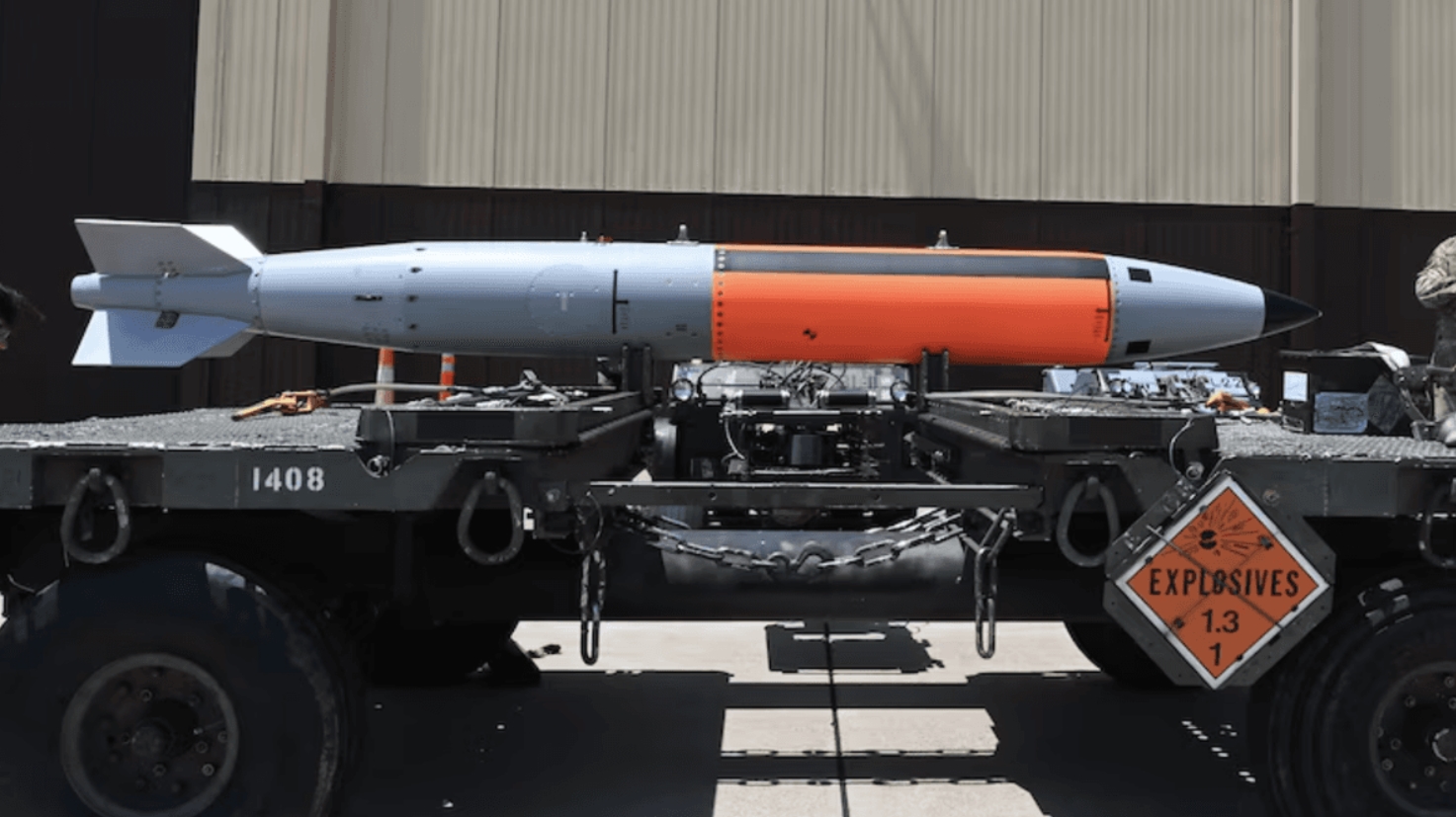
Lithuania has started discussions with the United States about the possible deployment of U.S. nuclear weapons on Lithuanian territory.
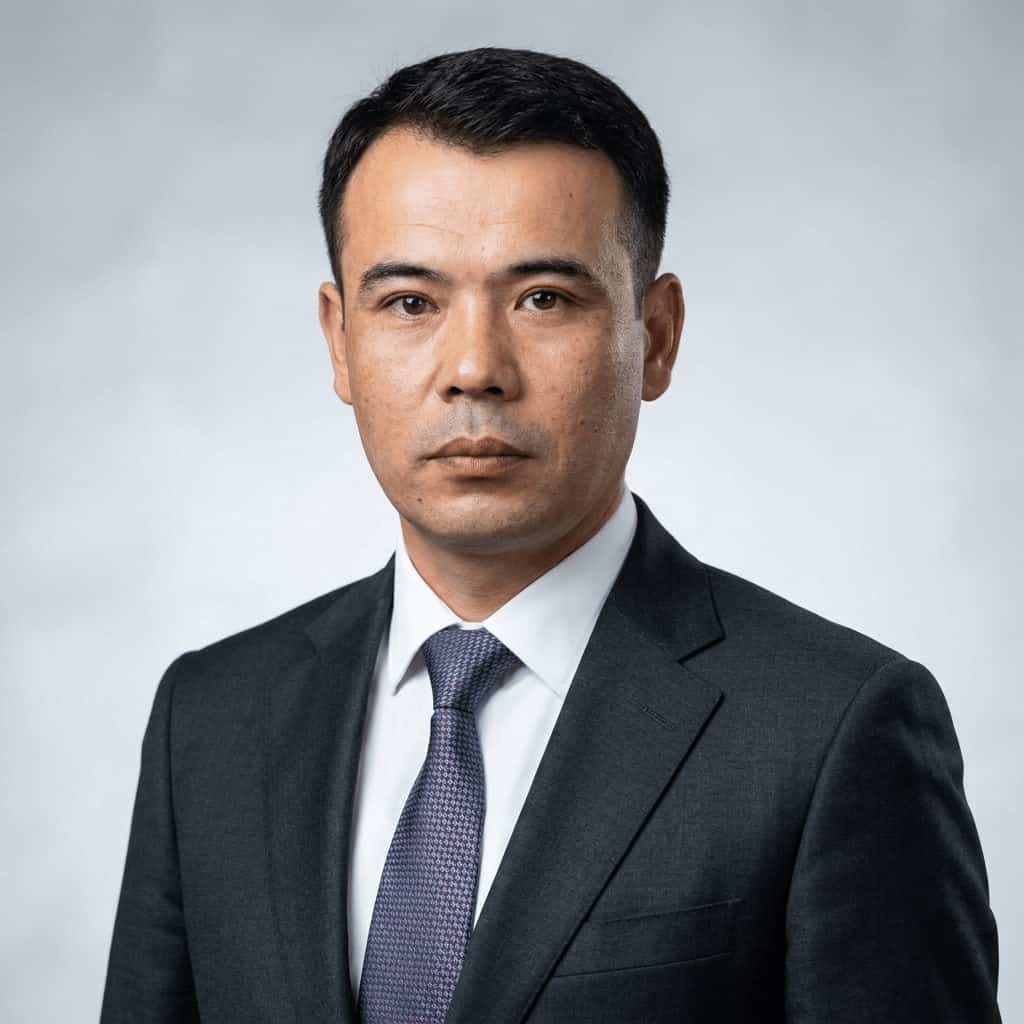
The announcement was made by Lithuania’s Minister of National Defence, Robertas Kaunas, according to Politico.
The talks come amid plans to reduce the U.S. conventional military presence in Europe, which has raised concerns about weakening deterrence on NATO’s eastern flank, particularly in the Baltic states.
However, the minister stressed that any deployment of weapons of mass destruction would be considered only in the event of a crisis or war.
“Like any country, Lithuania must be prepared to defend its independence and security during a crisis. In a crisis, or even in wartime, we should make use of every capability available through NATO, including the nuclear deterrents of the United States and France,” the minister told reporters in the Seimas on Thursday, according to LRT.
The biggest legal hurdle is Lithuania’s Constitution, which currently bans the deployment of weapons of mass destruction on Lithuanian soil.
However, Lithuanian President Gitanas Nausėda and Parliament Speaker Juozas Olekas have publicly raised the possibility of amending the Constitution in response to growing security concerns in the region.
Earlier this week, the Financial Times reported that the United States is exploring options to expand the deployment of nuclear weapons to additional NATO countries in Europe.
The aim would be to reassure allies that any future reduction in U.S. troop levels or conventional military capabilities in Europe would not undermine NATO’s security guarantees.
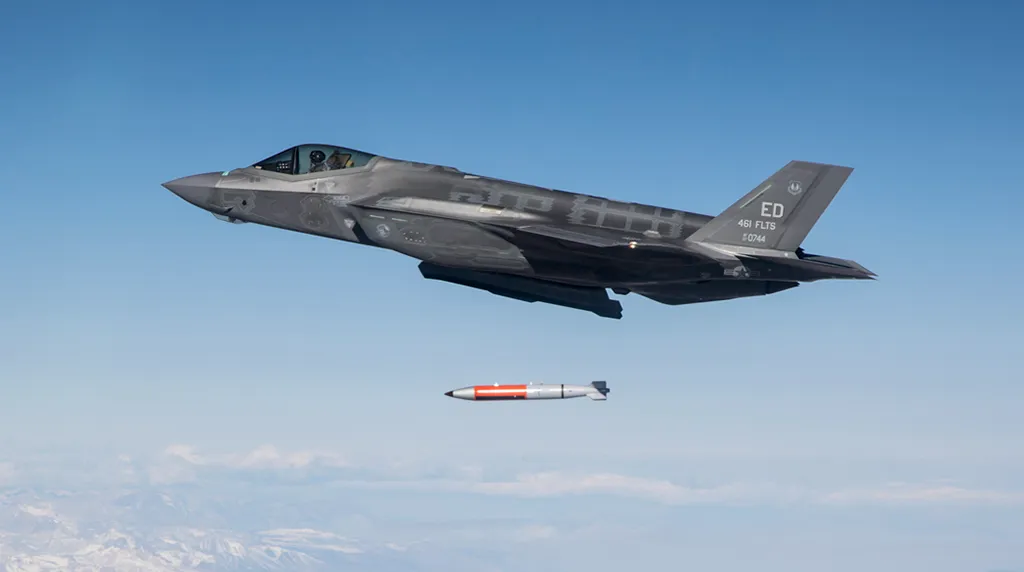
One option under discussion is the deployment of dual-capable aircraft (DCA) in new NATO member states. These aircraft can carry and deliver both conventional and nuclear weapons.

According to two sources, the talks are meant to reassure allies that the United States remains committed to extending its nuclear deterrent to NATO members, even as Washington pushes European countries to take greater responsibility for funding and maintaining conventional military forces.
Interest in expanding NATO’s nuclear-sharing arrangements is strongest among eastern-flank allies that face the most direct security concerns from Russia, especially Poland and the Baltic states.
Підтримати нас можна через:
Приват: 5169 3351 0164 7408 PayPal - [email protected] Стати нашим патроном за лінком ⬇
Subscribe to our newsletter
or on ours Telegram
Thank you!!
You are subscribed to our newsletter