


Popular
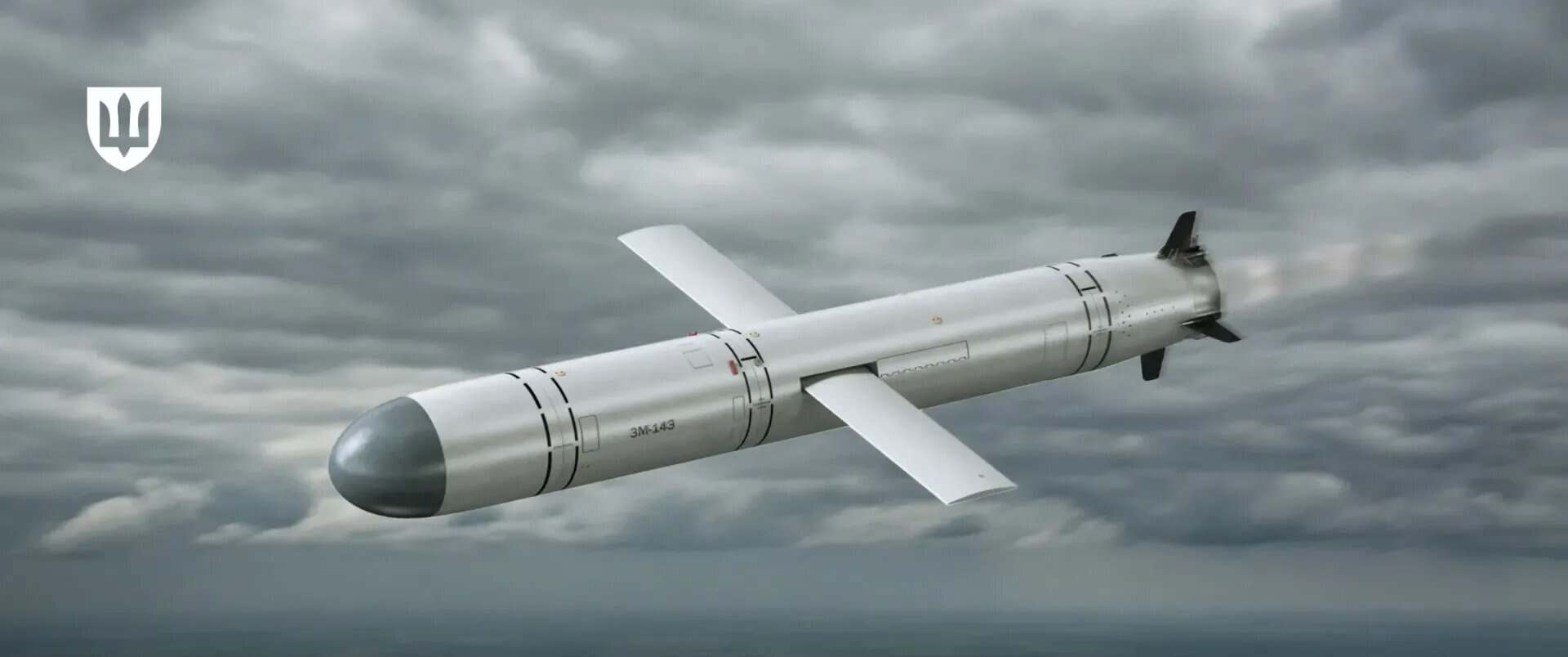
Russia has modernized the Kalibr cruise missiles it regularly uses to strike Ukraine: they have been equipped with cluster warheads and have reverted to using imported electronics after an attempt to switch to Russian-made components.
The Ministry of Defense of Ukraine reported this following an analysis of the downed missiles conducted by military engineers and scientists from the defense ministry.
The study showed that since the start of the full-scale invasion, the Kalibr family of missiles has undergone at least two significant changes that could affect both the nature of their use and the effectiveness of countermeasures against such threats.
The first change was the introduction of a cluster warhead. While the missiles Russia used from 2022 through early 2026 were equipped with high-explosive fragmentation warheads, experts observed the use of cluster munitions for the first time in samples shot down this spring.
The Ministry of Defense notes that this decision allows for an increased area of destruction and greater effectiveness in using missiles against dispersed targets. Specifically, this refers to striking targets that a single explosion from a conventional warhead cannot cover.

Another unexpected change was the return to an imported base of electronic components. During 2023–2024, Russia gradually attempted to replace foreign components with domestic equivalents during the production of the Kalibrs.
However, an analysis of the onboard digital computer of a missile manufactured in 2025 revealed that the manufacturer is once again using imported components. This may indicate a failed attempt to fully switch to Russian electronics.
The Ministry of Defense speculates that the use of domestic components may have negatively affected the missile’s guidance accuracy. This is likely why the developers reverted to proven foreign solutions, despite sanctions restrictions.
Ukrainian experts emphasize that the study of debris and components from downed missiles is not only scientifically valuable but also directly contributes to improving the effectiveness of air defense.
Ukrainian Defense Minister Mykhailo Fedorov previously noted that protecting Ukrainian airspace remains one of the key priorities of the state’s defense plan, and that studying enemy weapons enables faster adaptation of countermeasures.
In addition to the technical characteristics of the missiles themselves, the Ministry of Defense has identified the manufacturers of electronic components, as well as the chief designers and managers involved in the production of the Kalibrs. The data obtained is being shared for further use within the framework of sanctions against the Russian defense-industrial complex.

Previously, Ukrainian experts had already published the results of analyses of other Russian weapons, specifically the Kh-101 cruise missiles and the North Korean KN-23 and KN-24 ballistic missiles, which Russia used to strike Ukrainian territory.
In turn, Militarnyi recently reported that Russia attacked Ukraine with Kh-101 cruise missiles during daylight hours.
Підтримати нас можна через:
Приват: 5169 3351 0164 7408 PayPal - [email protected] Стати нашим патроном за лінком ⬇
Subscribe to our newsletter
or on ours Telegram
Thank you!!
You are subscribed to our newsletter