







Popular
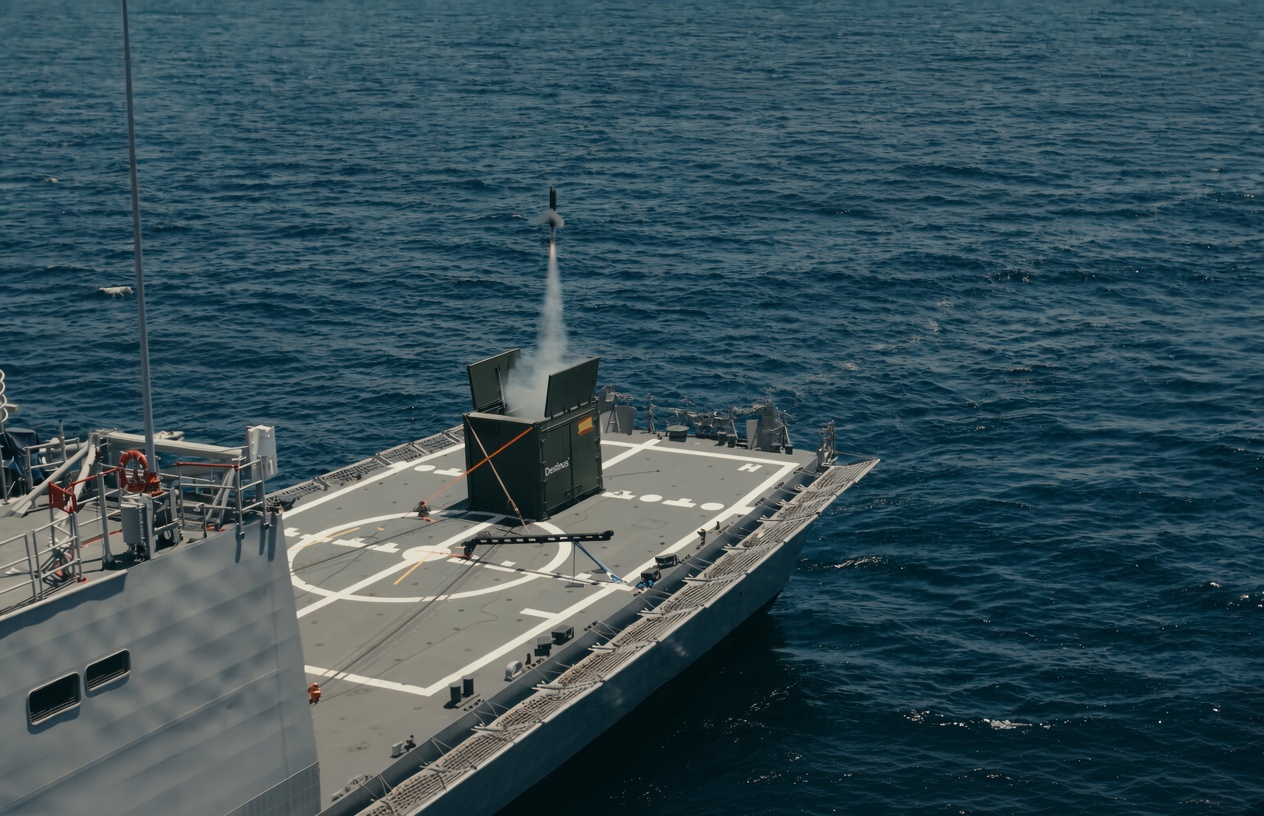
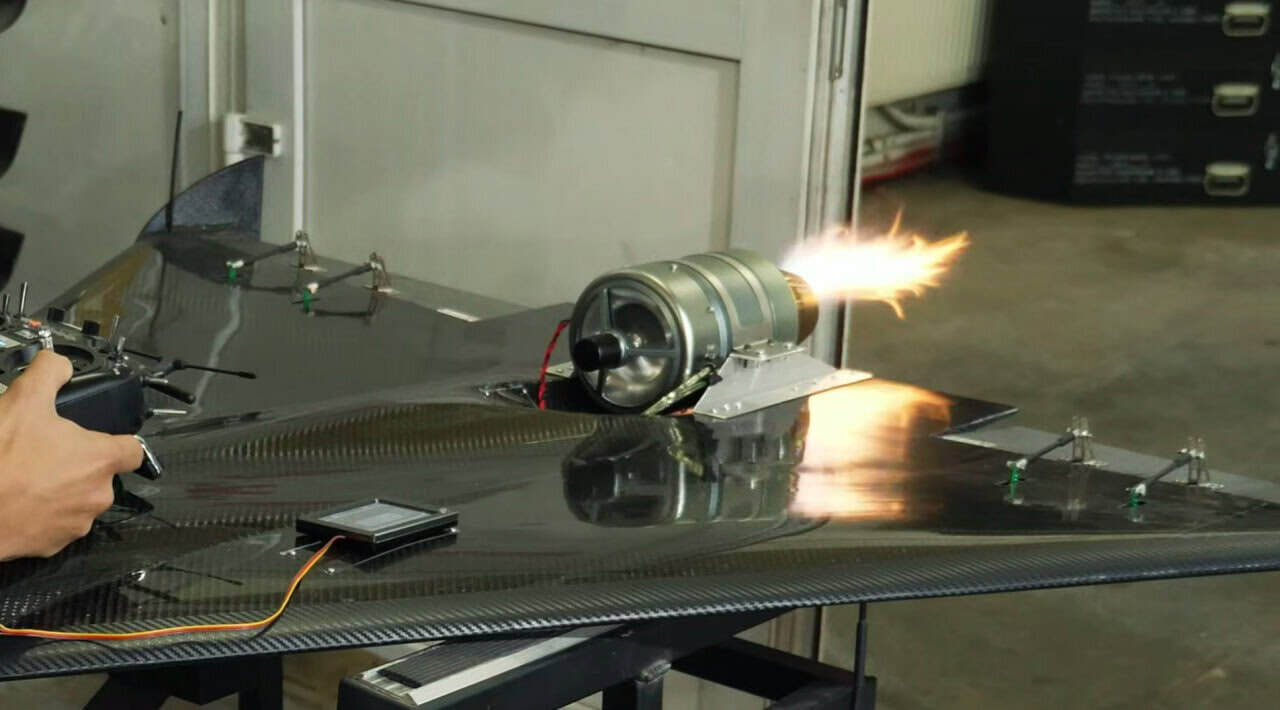
Destinus, CUBEDIN A/S, and OMT Group A/S plan to combine Hornet interceptor technology, naval platform engineering, and standardized ship interfaces into a modular system designed for deployment aboard naval vessels.
The companies announced the initiative during DALO Industry Days in Herning, Denmark.
Netherlands-based Destinus develops drones and air defense systems, while Denmark’s CUBEDIN A/S specializes in modular solutions for naval vessels and OMT Group A/S provides naval engineering and consultancy services.
They signed a Memorandum of Understanding to develop a containerized counter-drone system for naval vessels. The system will feature Destinus Hornet interceptors housed in either a 3- or 6-meter-long container.
The system will combine Destinus’ interceptor technology, OMT’s naval engineering expertise, and CUBEDIN’s standardized ship interfaces.
The Hornet interceptors are intended to be housed in a containerized module equipped with the necessary launch systems, support equipment, and ship-integration interfaces. The modular unit is designed to be installed on a range of military vessels without requiring extensive structural modifications to the host platform.
Under the memorandum, Destinus will be responsible for the Hornet interceptors and the containerized counter-UAS system. OMT will oversee naval platform engineering and design and CUBEDIN will provide standardized ship interfaces and handle system integration with the host vessel.
Each partner will contribute to the development of the system concept, design reviews, and system qualification.
According to Destinus Chief Commercial Officer Wouter van Beek, the modular design will allow Hornet systems to be installed on different classes of vessels without requiring modifications to the ships themselves.

OMT Group CEO Kåre Groes Christiansen noted that this approach will allow navies to add new defensive capabilities without having to wait for a new class of warships to be developed.
CUBEDIN emphasized that the interceptors must be properly integrated into the ship platform, while a standardized approach could shorten the time from system development to deployment at sea.
The planned development process includes a preliminary design review and a critical design review, followed by final system qualification. The companies also plan to explore opportunities to deploy the system with European navies.
Підтримати нас можна через:
Приват: 5169 3351 0164 7408 PayPal - [email protected] Стати нашим патроном за лінком ⬇
Subscribe to our newsletter
or on ours Telegram
Thank you!!
You are subscribed to our newsletter