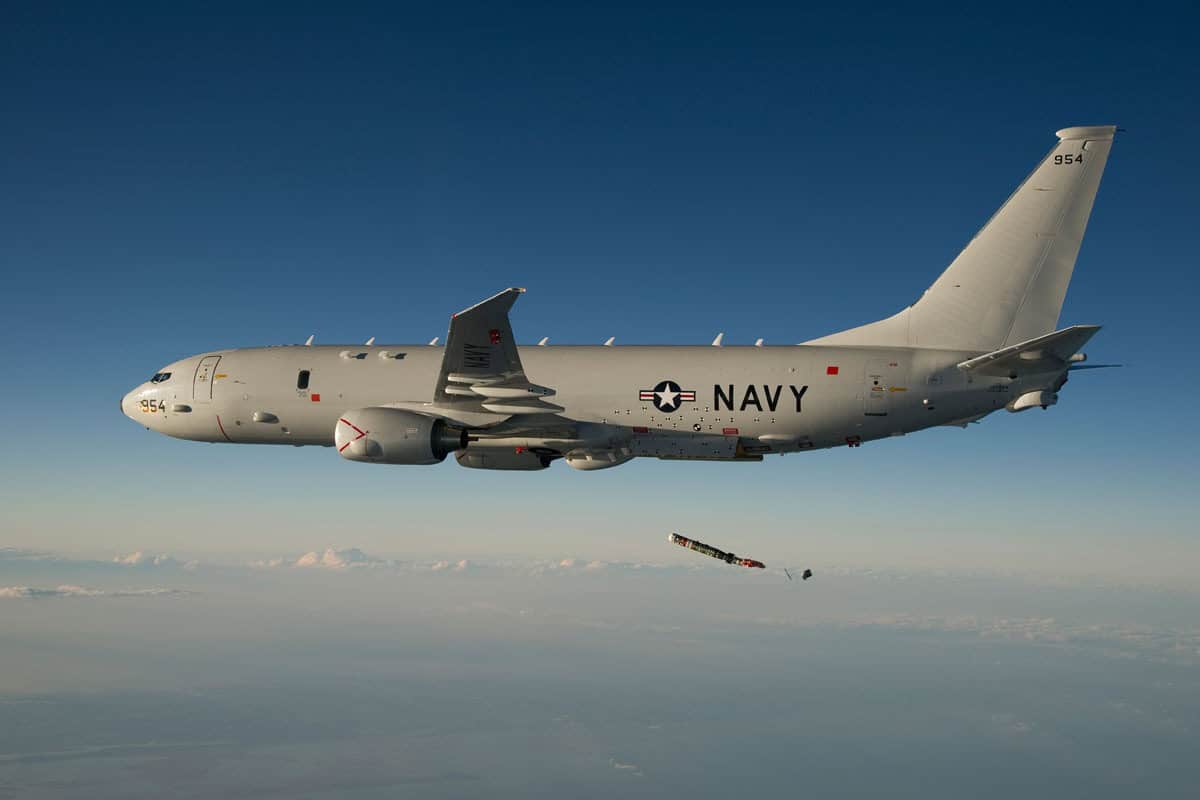


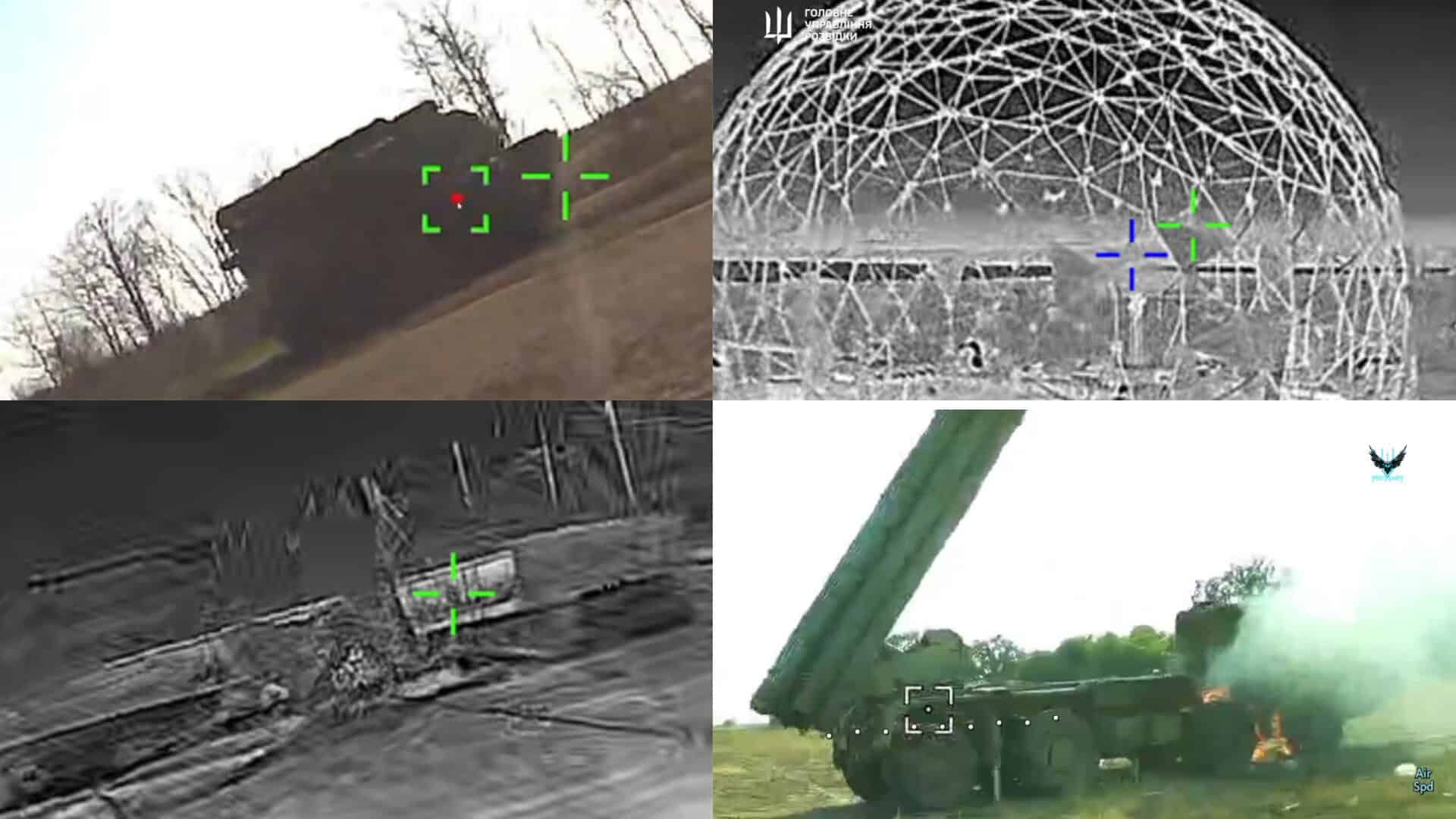




Popular
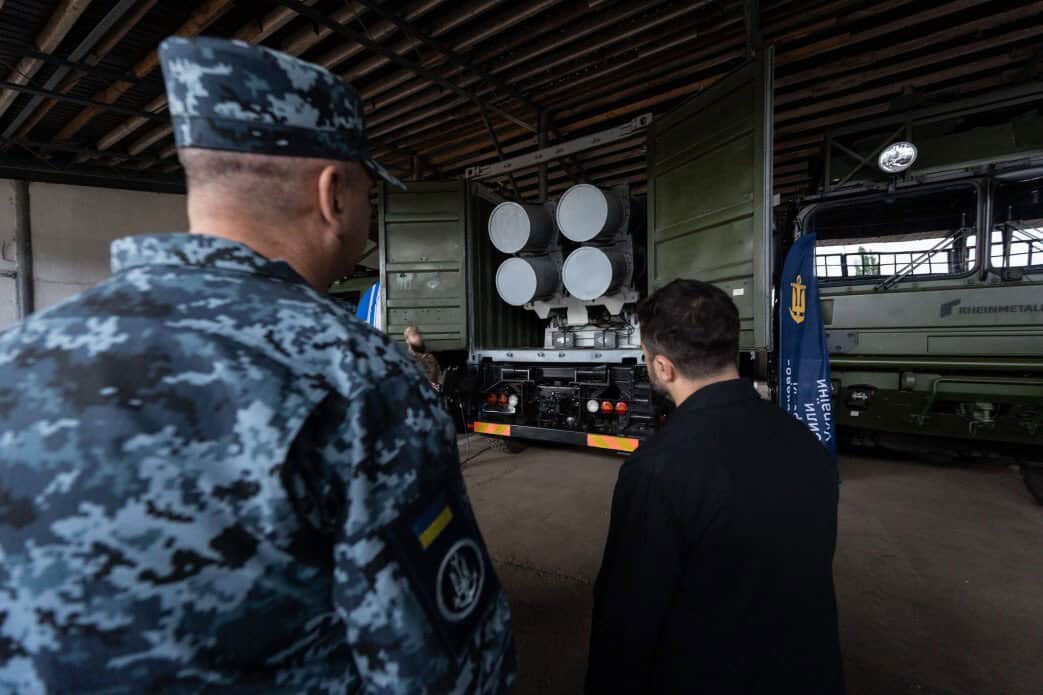
A Harpoon coastal defense system has been publicly shown in service with the Ukrainian Navy for the first time.
The system was presented during a visit by Ukraine’s leadership to the Odesa region, Volodymyr Zelensky reported on social media.
During the visit, a meeting was held with the Naval Forces Command of the Armed Forces of Ukraine to discuss security in southern Ukraine.
The sailors also presented the Navy’s weapons, including the Neptune and Harpoon coastal missile systems, the latest unmanned aerial vehicles, and torpedo weapons.
Ukraine received Harpoon systems from the United States and Denmark in 2022.
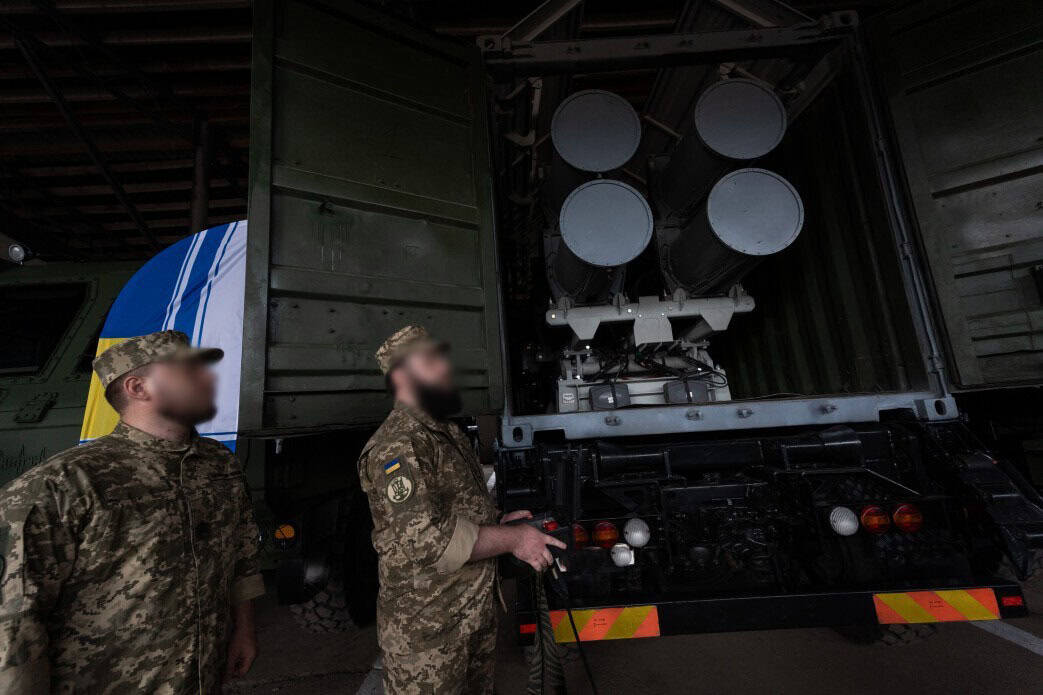
At the time, it was reported that the United States would supply newly developed coastal launchers mounted on wheeled chassis that were not in service with the U.S. military.
Later, in the spring and summer of 2022, Ukrainian forces used Harpoon missiles to sink the Russian tug Vasily Bekh and to strike offshore drilling platforms near Crimea.
Development of the Harpoon anti-ship missile began in the United States in the late 1960s following an analysis of the combat performance of Soviet P-15 missiles in regional conflicts.
In 1971, McDonnell Douglas was awarded a contract to develop the new missile, which became the first universal U.S. anti-ship missile capable of being launched from aircraft, surface ships, and submarines. After successful testing, the missile entered service with the U.S. Navy in 1977.
The missile saw its first combat use in March 1986 during U.S. Navy operations in the Gulf of Sidra off the coast of Libya. During the operation, U.S. Navy carrier aircraft and the cruiser Yorktown struck several Libyan warships with Harpoon missiles, including a French-built Combattante II-class missile boat.
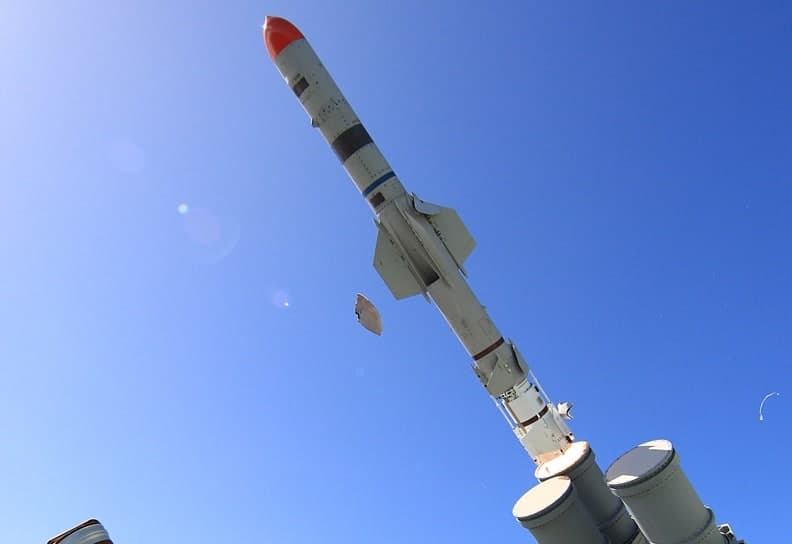
Over the following decades, the missile underwent several upgrades that significantly improved its capabilities. The original Block 1A was followed by the Block 1B and Block 1C versions, featuring improved sea-skimming flight profiles and extended range.
In the late 1990s, the Block 1G version introduced a target re-attack capability. It was later followed by the Block II version, which added integrated GPS guidance for engaging coastal and port targets.
Підтримати нас можна через:
Приват: 5169 3351 0164 7408 PayPal - [email protected] Стати нашим патроном за лінком ⬇
Subscribe to our newsletter
or on ours Telegram
Thank you!!
You are subscribed to our newsletter