



Popular
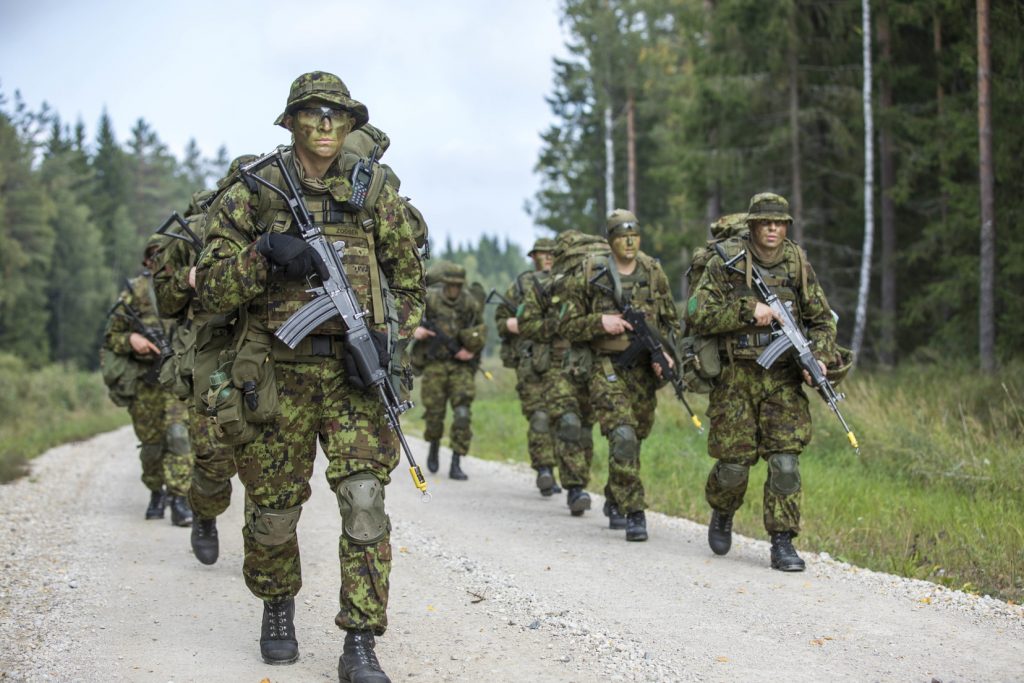
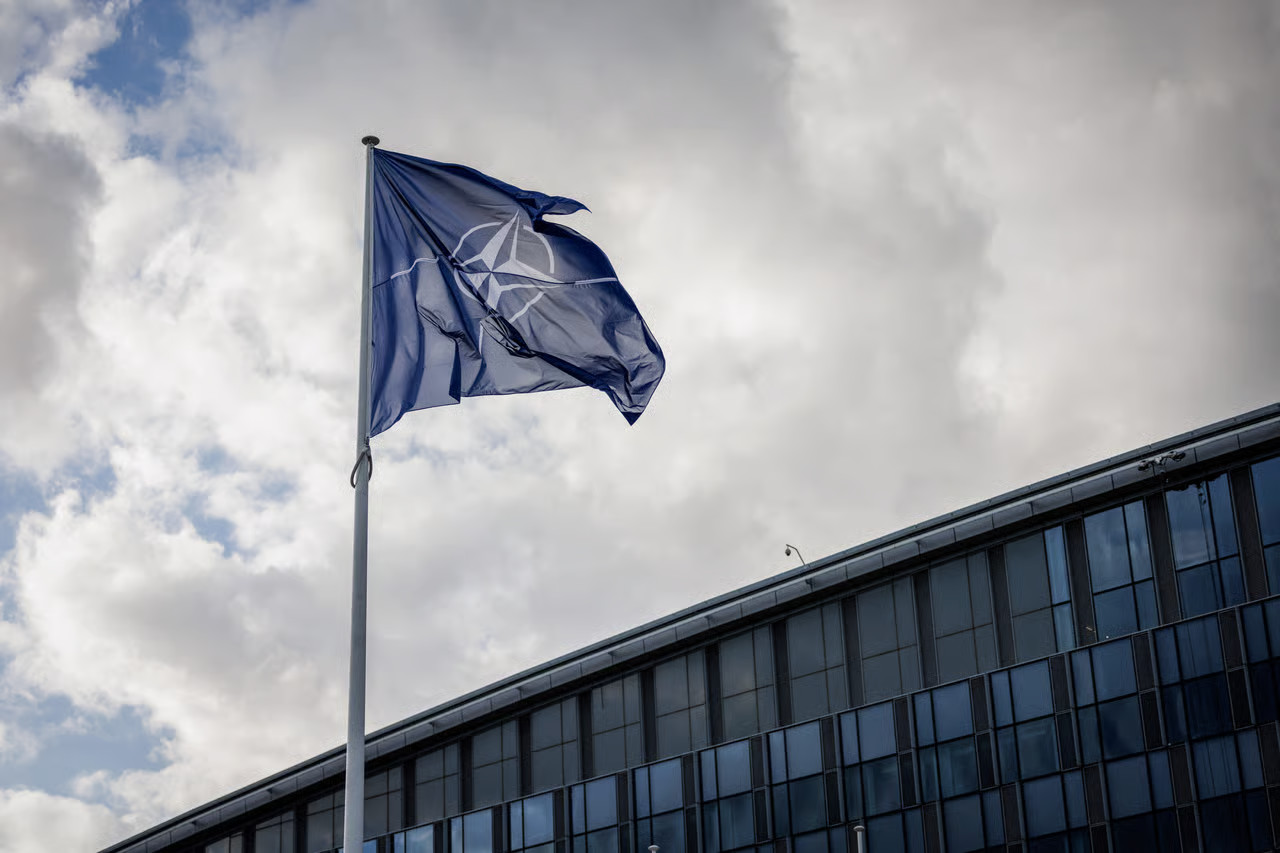
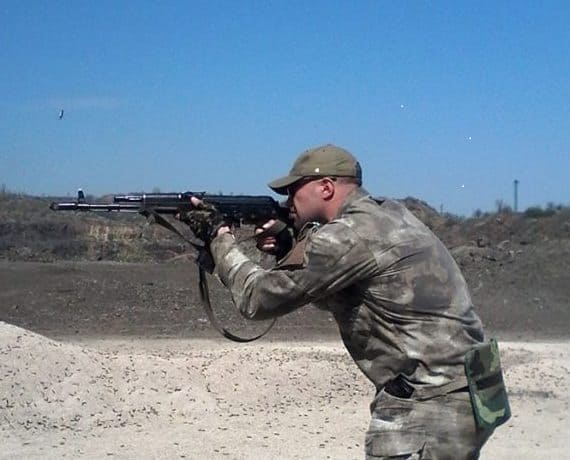
Estonia intends to allow citizens of other NATO member states to serve in its Defence Forces and volunteer defence organisations.
According to Estonia’s public broadcaster ERR, a corresponding bill has been submitted to parliament by 53 members of the Riigikogu, Estonia’s parliament.
The document provides that citizens of NATO countries who are members of the Estonian Defence League (Kaitseliit) will be able to voluntarily assume military obligations and hold wartime positions that require a military rank.
The authors of the bill believe these changes will strengthen the readiness of both the Kaitseliit and the Estonian Defence Forces by creating a legal mechanism that allows foreign members of the organization to participate in the country’s defense.

Participation by foreign nationals will be entirely voluntary. The amendments do not extend Estonia’s compulsory military service obligations to citizens of other NATO countries. Instead, they propose establishing a system of voluntary military service for individuals aged 18 and over who have taken the military oath.
The bill also creates a legal framework for appointing citizens of NATO countries to wartime positions, which is expected to improve training planning and the formation of command structures.
In addition, the amendments expand the role of supporting members of the Estonian Defence League, allowing them to play a broader part in carrying out tasks during crises and states of emergency. If adopted, the law is scheduled to enter into force on January 1, 2027.
Meanwhile, Aivar Engel, an adviser to the National Defence Committee of the Riigikogu (Estonia’s parliament), pointed out a number of unresolved issues in his legal opinion. In particular, he noted that the explanatory memorandum does not provide any quantitative justification for the need to recruit foreign nationals.
“Given that the Estonian Defence League, together with its women’s and youth organizations, has more than 30,100 members, the organization should not be experiencing a personnel shortage,” he noted.
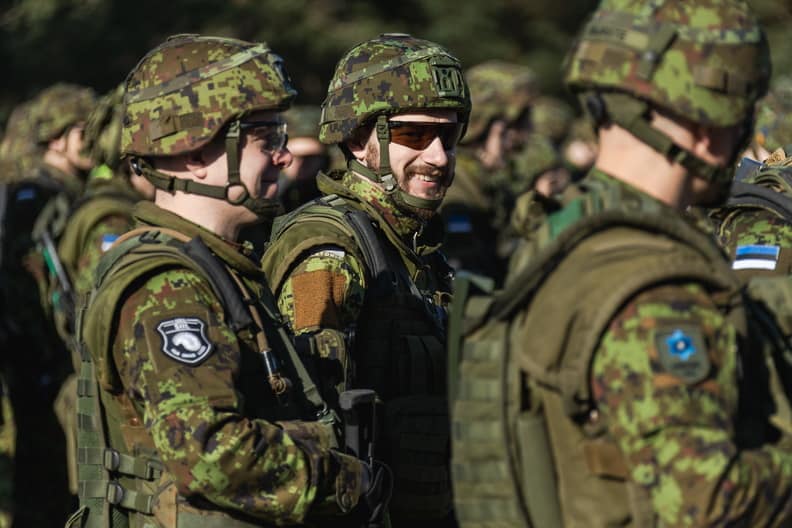
Engel also pointed out that the language of command in the Estonian armed forces is Estonian, yet no Estonian-language proficiency requirements have been established for foreign volunteers. In addition, they would be subject to less stringent medical standards than active-duty military personnel.
He further noted that it remains unclear which authority would be responsible for verifying that citizens of other NATO countries meet the eligibility requirements set out in the Estonian Defence League Act.
Підтримати нас можна через:
Приват: 5169 3351 0164 7408 PayPal - [email protected] Стати нашим патроном за лінком ⬇
Subscribe to our newsletter
or on ours Telegram
Thank you!!
You are subscribed to our newsletter