




Popular
Belarusian components and a component base manufactured before 2017 were found in the debris of the Russian Oreshnik missile.
Ukrainian experts examined the surviving debris of the Russian Oreshnik ballistic missile and presented their findings at a briefing attended by a Militarnyi correspondent.
Specialists were able to examine the debris of the missile that Russia used to strike the Lviv region on the night of January 8–9, 2026.
Part of the missile’s body detached during flight and did not burn up, allowing for a detailed examination of its components.
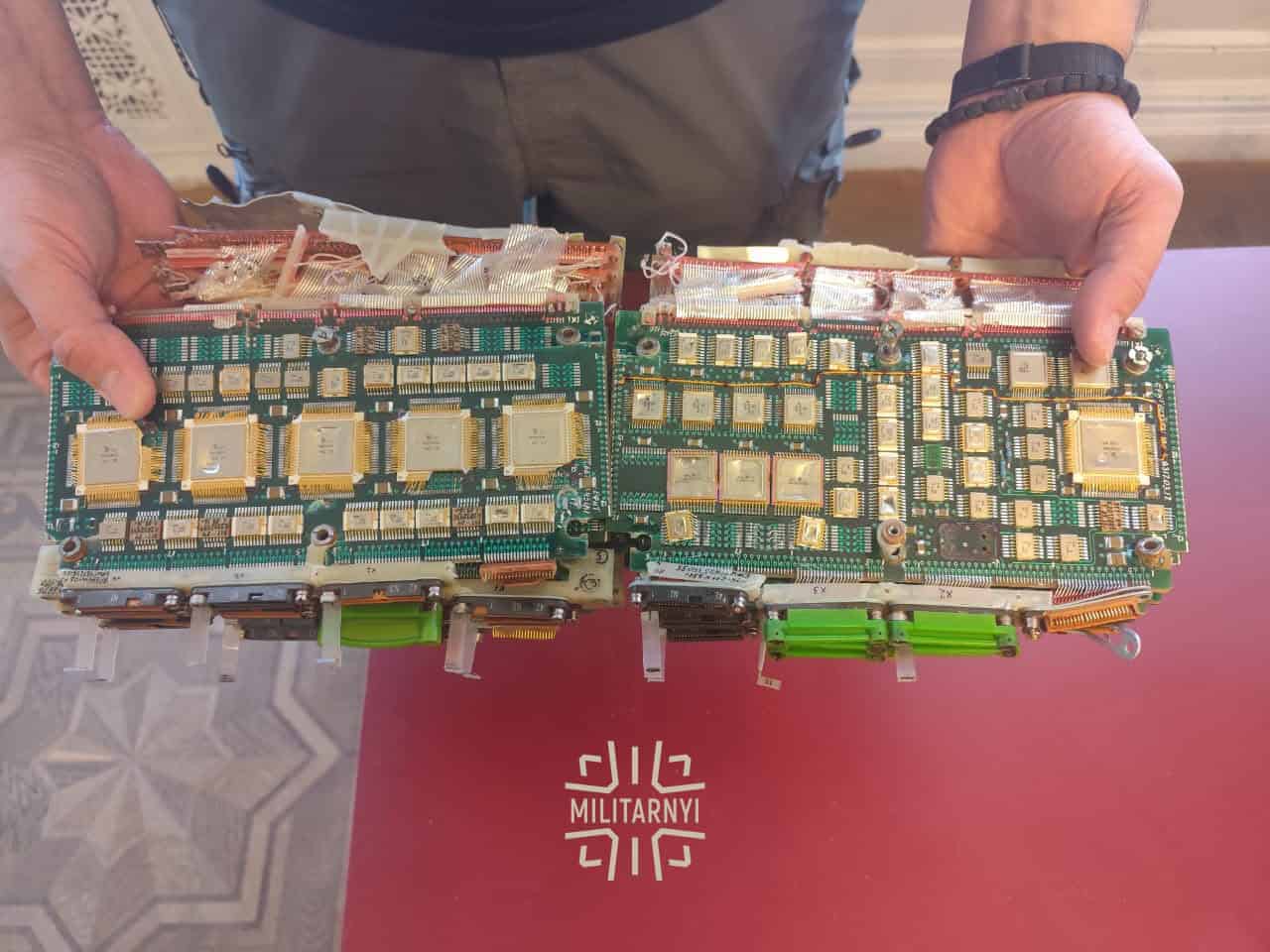
In particular, the processor unit and the main computer board, which control the flight and transmit signals to the control surfaces and engines, survived.
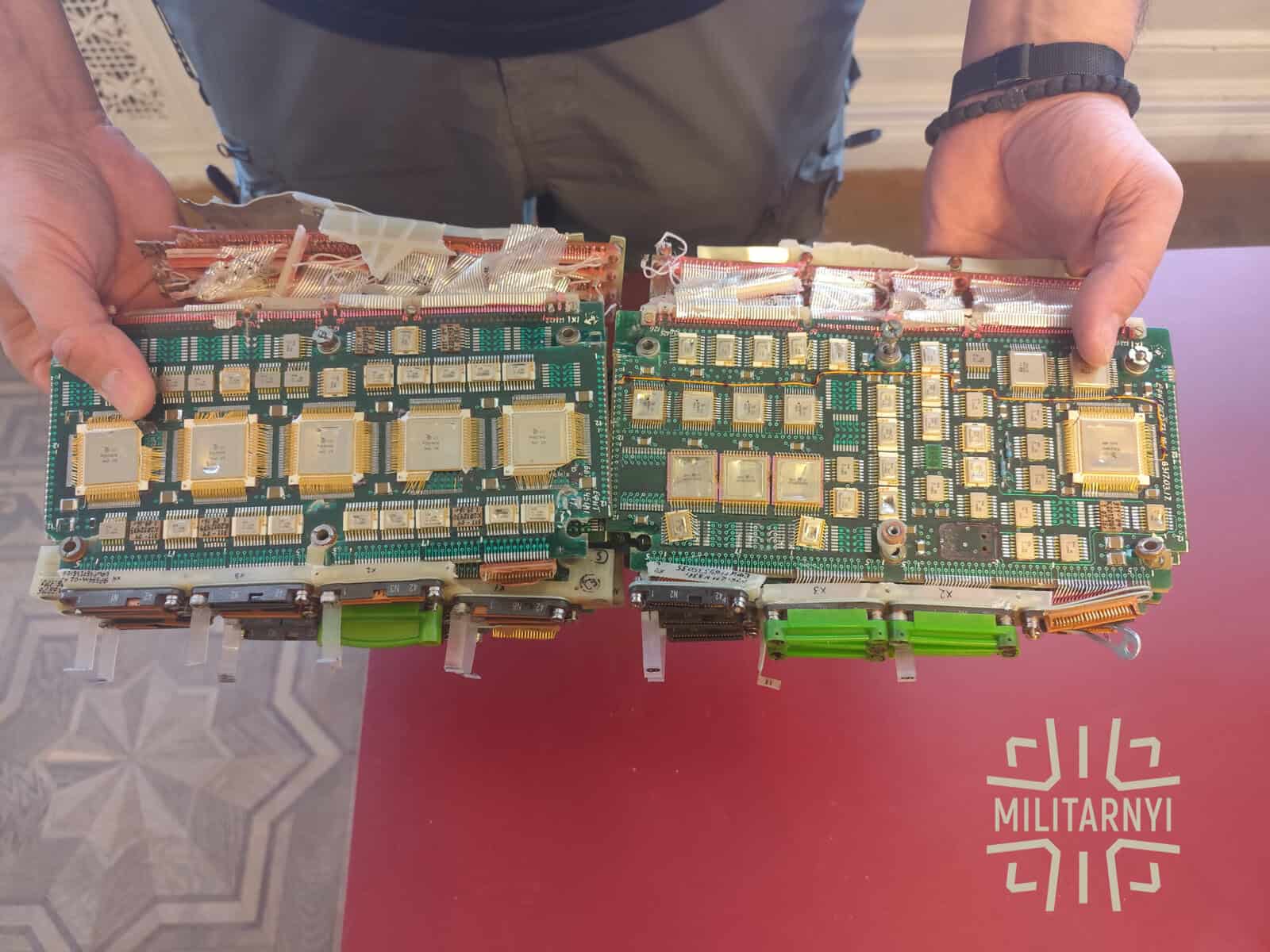
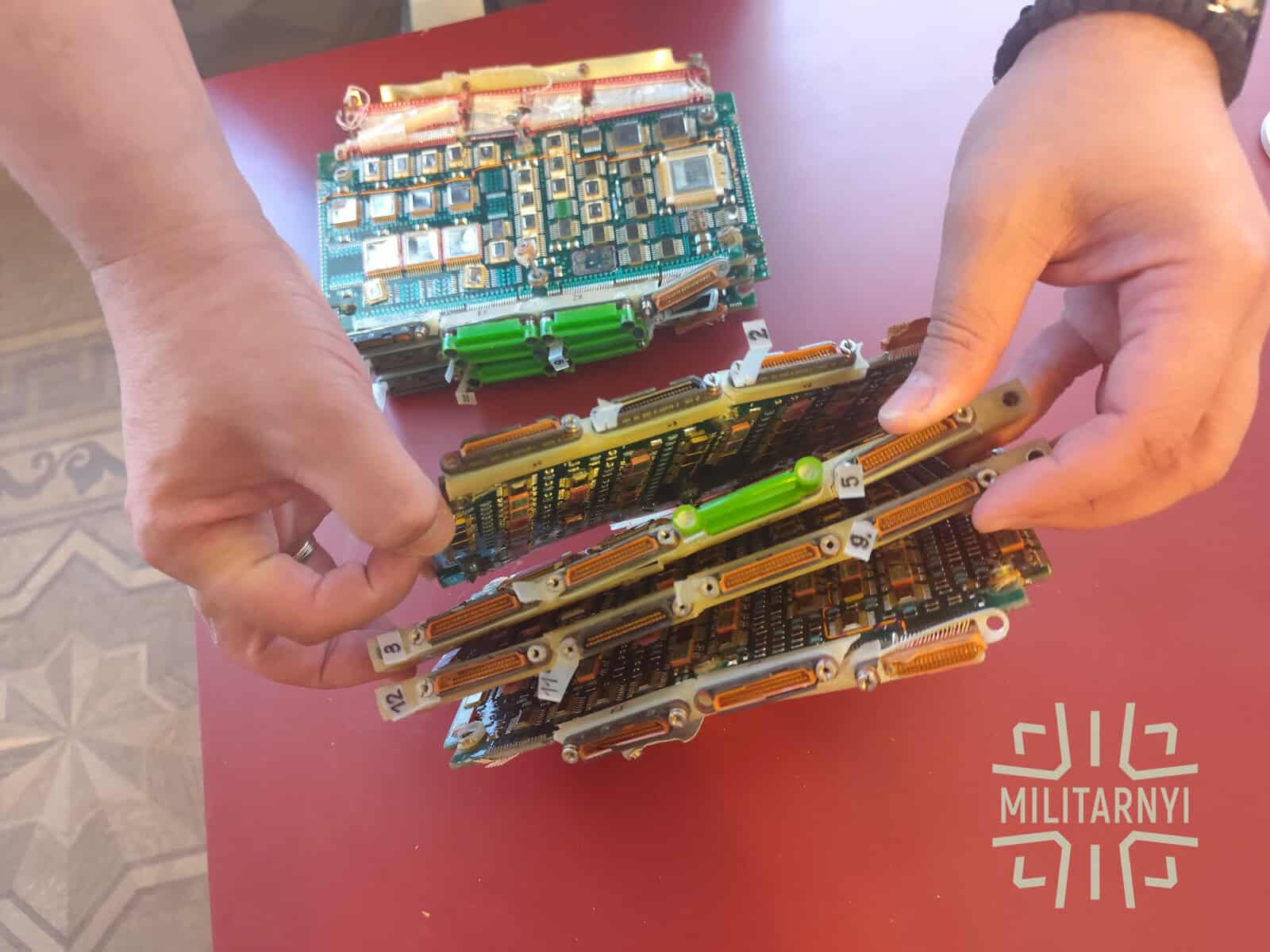
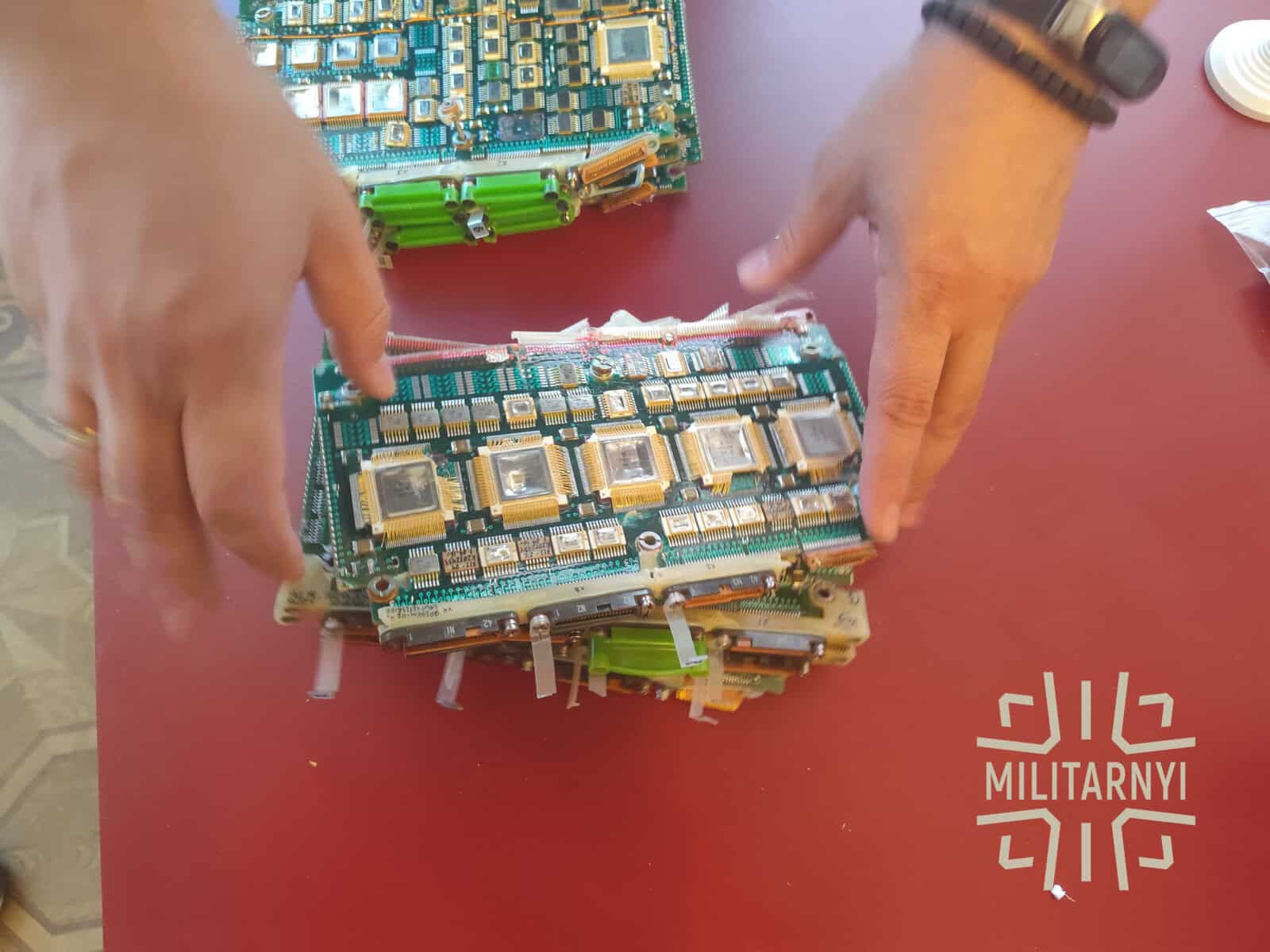
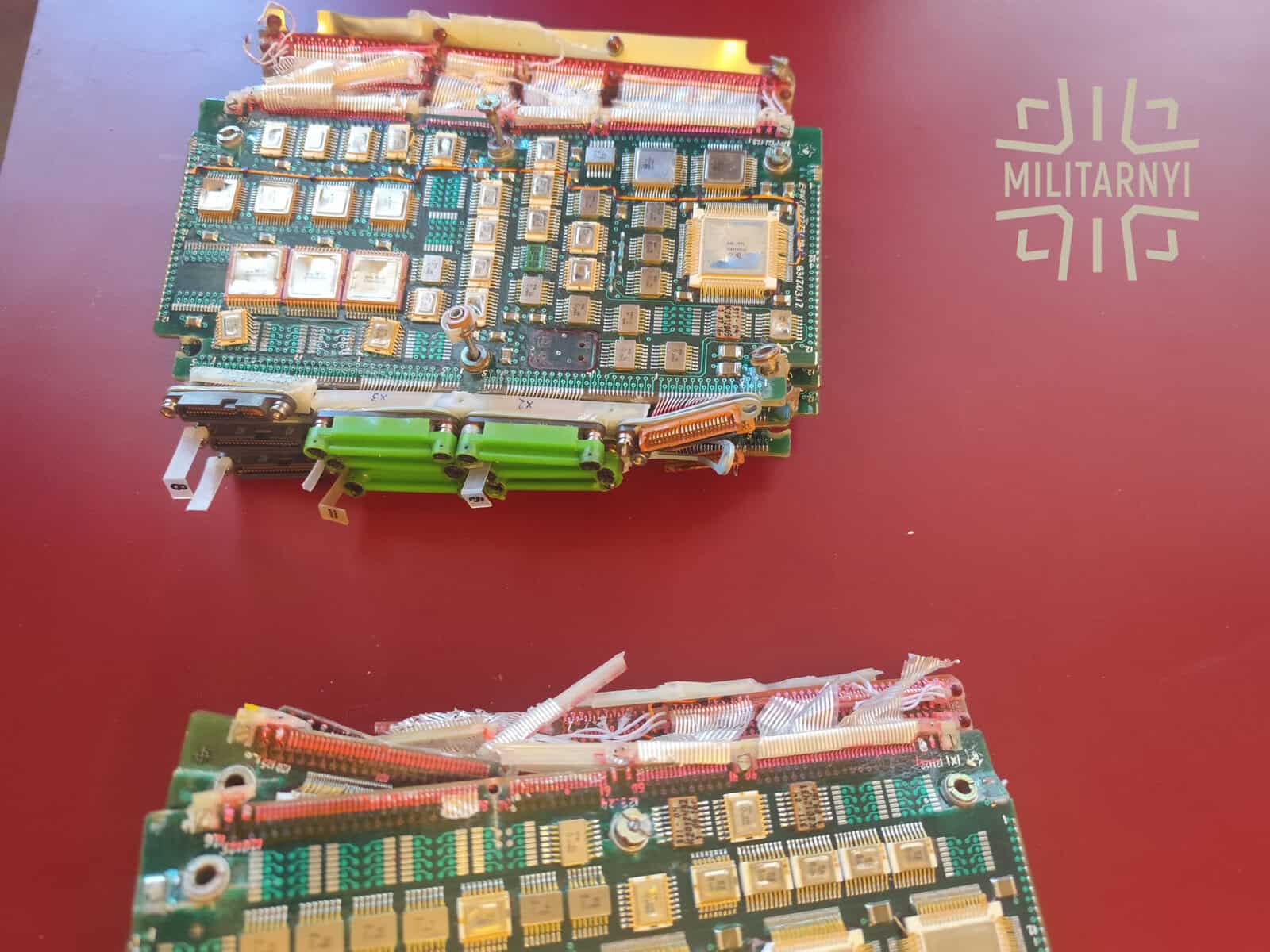
The Oreshnik missile used to attack the Lviv region did not contain new components.
This refutes Russian claims that this weapon is a fundamentally new development.
In fact, the missile is the product of a major modernization of existing Soviet or Russian missile systems, to which certain technological changes were made.
All printed circuit boards and microchips found inside the processor unit were manufactured between 2014 and 2016.
Unlike Russian drones, in which modern foreign components manufactured in 2024–2025 are frequently found, no new American, Chinese, or European parts were detected in this missile.
All electronic components found are exclusively of Russian and Belarusian origin.
In particular, components manufactured by the Minsk-based Integral plant were identified on the circuit boards.
The Belarusian microelectronics company Integral, founded in Minsk, manufactures integrated circuits, semiconductor devices, and electronic components for industry, telecommunications, and military equipment.

The company is one of the largest manufacturers of microelectronics in Eastern Europe.
The majority of the component base is manufactured at facilities in Moscow and the Moscow region.
According to its classification, the Oreshnik is a medium-range strategic ballistic missile. Its range is between 3,000 and 5,000 kilometers.
Since this weapon was designed as a carrier for nuclear warheads, it has low guidance accuracy, which is typical for missiles of this class.
The missile is equipped with a fully passive inertial navigation system based on a gyroscopic module.

The Oreshnik enters the stratosphere and approaches the target, navigating exclusively by coordinates preloaded into the onboard computer.
The system is autonomous and does not use active satellite navigation systems, such as GPS.
The missile is equipped with a separable warhead that splits into six separate guidance units before impact, each of which contains six submunitions for a simultaneous strike on different targets. Without a nuclear warhead, these are simply cast-iron dummies weighing 50 kg.
“In Lviv, it opened up at about five or six kilometers. That’s why it scattered. In Bila Tserkva, they opened at a fairly low altitude, which is why the garages were specifically hit. All six clusters of six missiles each hit those three unfortunate garages,” the missile researcher told Militarnyi.
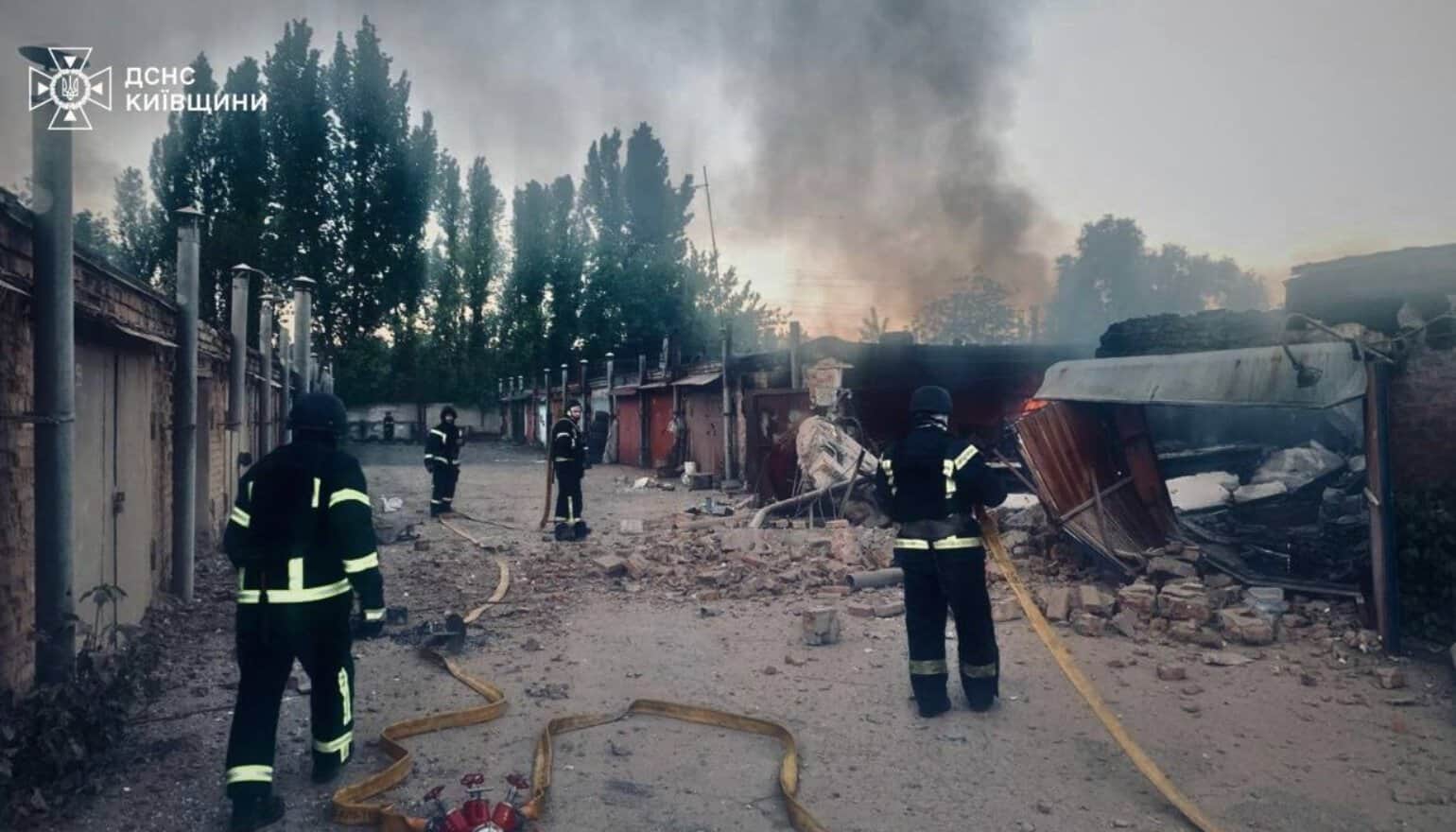
The Oreshnik poses a serious threat due to the difficulty of intercepting it.
It is unlikely that such a strategic ballistic missile could be shot down using conventional air defense systems or Patriot PAC-3 complexes.
To destroy it, specialized American high-altitude anti-missile systems are required, specifically THAAD.
At the same time, if the missile is used in a non-nuclear variant—with inert dummy warheads—its destructive effectiveness is minimal.
Підтримати нас можна через:
Приват: 5169 3351 0164 7408 PayPal - [email protected] Стати нашим патроном за лінком ⬇
Subscribe to our newsletter
or on ours Telegram
Thank you!!
You are subscribed to our newsletter