
RM-48U Missiles for the S-400 Cannot Be Launched Without Foreign Components: How Russia Depends on the West for Its New Ballistic Missiles
Andrii Sukharov

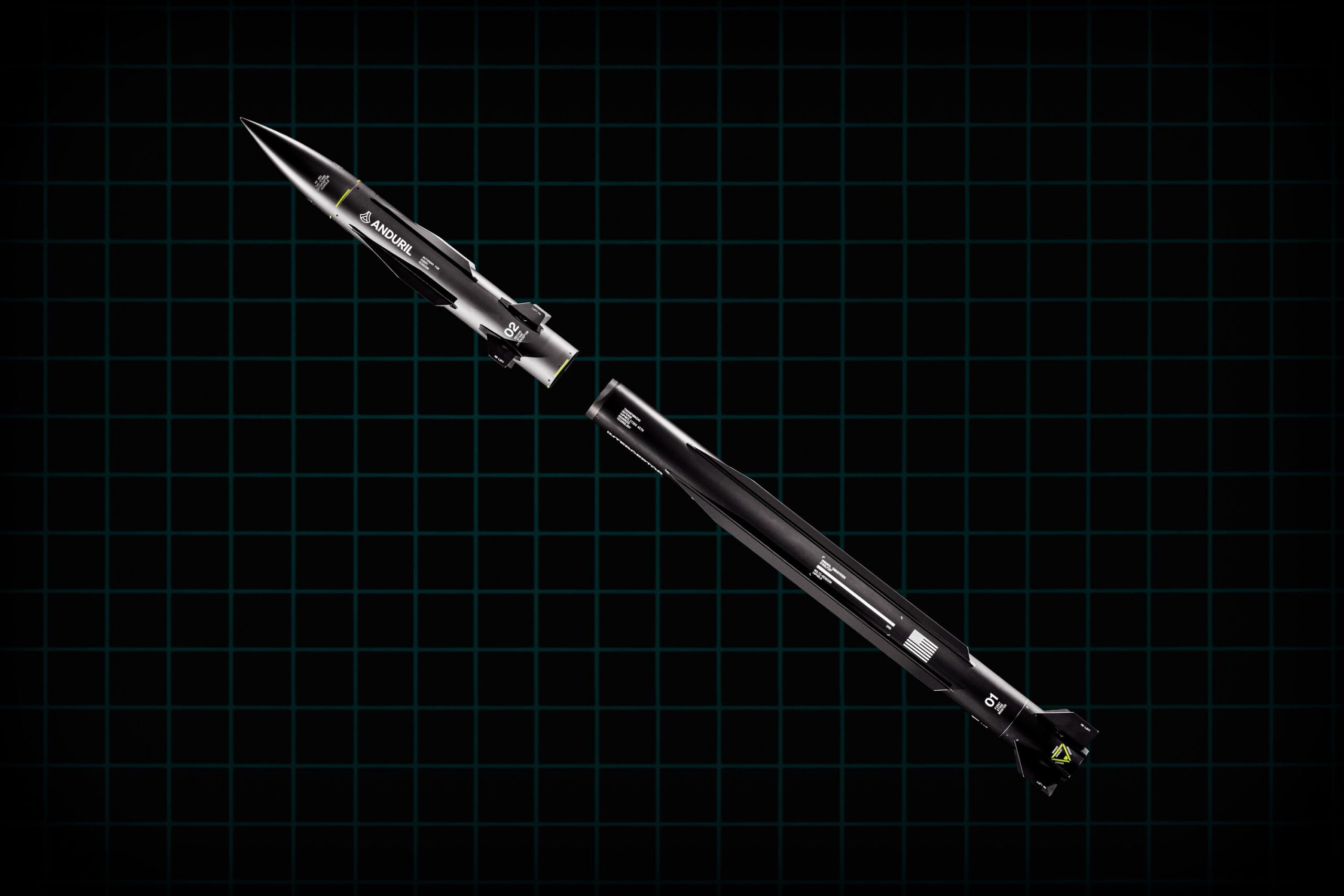
Russia continues to use RM-48U ballistic missiles against Ukraine, which are based on the 48N6 anti-aircraft missiles of the S-400 system. Analysis of their debris shows that the missile’s key components—the guidance systems—rely on foreign technologies.
“The technologies used by foreign manufacturers are not yet available in Russia. Perhaps they could develop them, but it would take significantly longer,” an expert explained during a briefing with Vladislav Vlasyuk, the President’s Special Advisor on Sanctions Policy, regarding foreign components in Russian ballistic missiles and sanctions measures against their production.
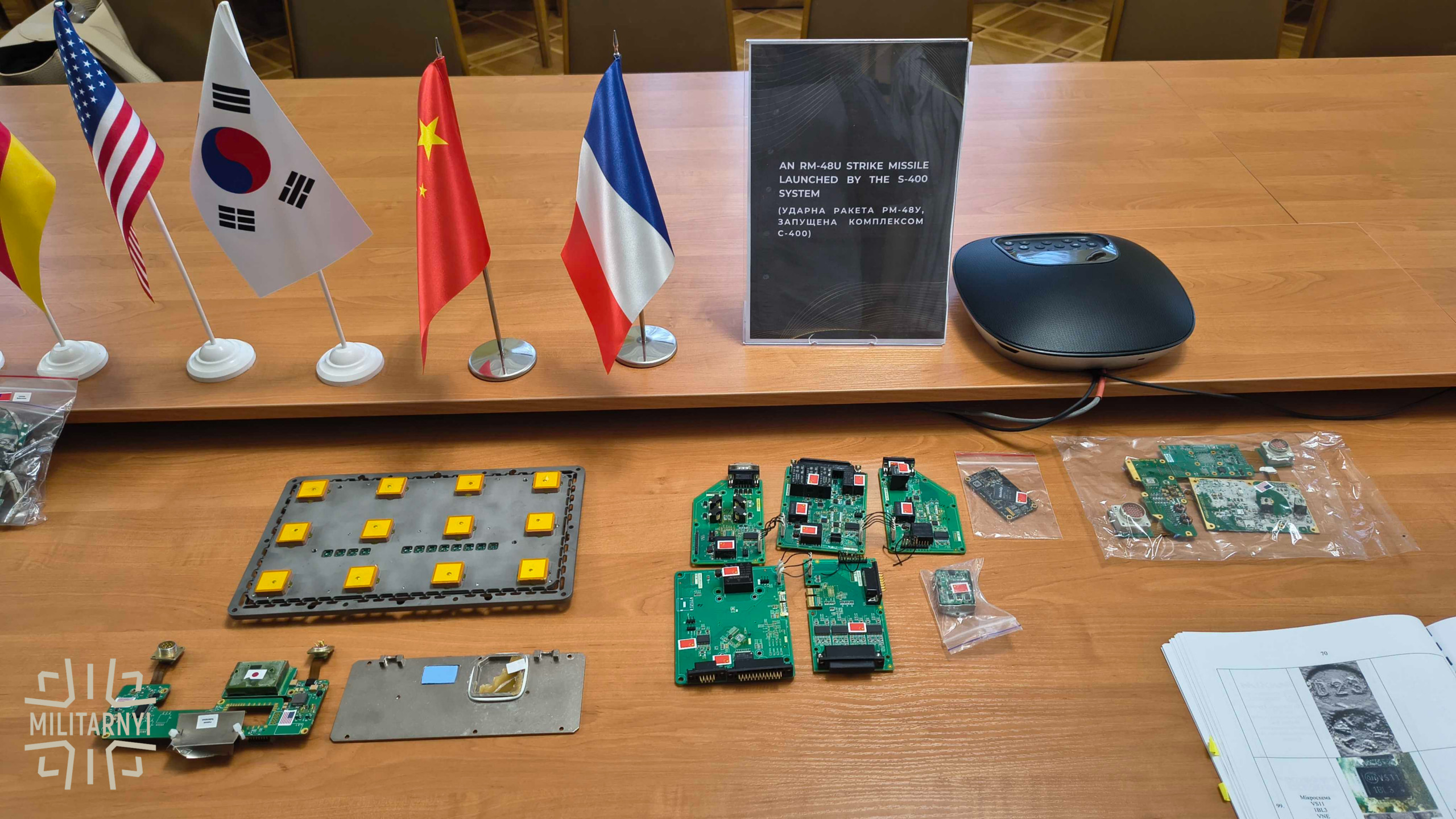
Ukrainian experts have identified components of American, British, French, German, Japanese, Chinese, and Taiwanese origin in Russian missiles. Products from American manufacturers account for the largest share of the identified foreign components in Russian ballistic missiles, while those from Chinese manufacturers are relatively few.
Foreign components were found, in particular, in two key missile systems—the inertial guidance system and the 12-channel jam-resistant Kometa satellite navigation antenna.
Inertial system with a French laser
The RM-48U’s autonomous guidance is based on an inertial guidance system. It allows the missile to determine its own motion parameters and follow a predetermined trajectory without external signals. A key element of such a system is a laser gyroscope.
In the examined RM-48U missiles, experts found a French-made laser module from 3SP Technologies, used as part of this gyroscope.

It is used in fiber-optic gyroscopes (FOGs) and in some types of solid-state ring laser gyroscopes (RLGs).
Depending on the type used, these gyroscopes—which are high-precision inertial navigation systems—serve the following functions:
- as a pump source for active fiber (EDFA/ASE) in interferometric fiber-optic gyroscopes (IFOG)
- for solid-state and VBR lasers in ring laser gyroscopes (RLG).
Components of American origin were also found within the system:
- an integrated circuit from Texas Instruments,
- a regulator, power driver, and current amplifier from Maxim Integrated Products,
- an amplifier from Analog Devices
- an integrated circuit from ON Semiconductor Corporation (known as onsemi since 2021).
These foreign components are key elements of the autonomous inertial guidance system.
12-channel Kometa
The inertial system allows the missile to move autonomously along a predetermined trajectory; however, errors gradually accumulate in its calculations during flight.
To improve navigation accuracy, the RM-48U uses satellite navigation. This allows the missile’s coordinates to be refined during flight and corrects the error that accumulates in the inertial navigation system’s calculations.

A key element of satellite navigation is the CPR antenna; during an examination of RM-48U missile debris, investigators found a Russian 12-channel, jam-resistant Kometa-type antenna. Its purpose is to receive signals from satellites under electronic warfare conditions and transmit them to the control system to correct the missile’s flight path.
The Kometa is also used in other Russian ballistic missiles, notably the Iskander. Over the years of the war, Russia has continued to modernize such systems and install them on new weapon models.
A significant portion of the Kometa satellite navigation system’s component base consists of products from the United States. In particular, experts found the following in the examined RM-48U missile systems: Components manufactured in other countries were also found in Kometa: The Kometa component base has a wide range of foreign origins, and American components account for the largest share of the identified products.
- a microchip from Altera;
- an integrated circuit manufactured by ON Semiconductor Corporation (since 2021, onsemi);
- an analog-to-digital converter from Analog Devices;
- a power inductor from Vishay;
- an integrated circuit from Linear Technology.
- Switzerland—a U-blox satellite navigation module and a transistor and diode from STMicroelectronics;
- Taiwan — a Winbond chip, a DM&P Electronics microprocessor, and a Cosmo Electronics chip
- Japan — an Elna Co. LTD supercapacitor,
- Germany — an Infineon Technologies microcontroller and a HARTING Technology Group connector,
- Ireland — a Taoglas patch antenna.
Russian manufacturers are attempting to conceal the origin of certain components by laser-removing their markings; however, Ukrainian experts are able to identify the specific component base
RM-48U ballistic missile
The first official reports on the development of the RM-48U appeared in the fall of 2023. However, even before that, Russia had been using anti-aircraft missiles from the S-300 and S-400 systems to strike ground targets. In particular, after the start of the large-scale invasion, Russian troops used missiles from the S-300 and S-400 systems in ground-to-ground mode.
Russia developed the RM-48U, based on the 48N6 anti-aircraft missile and adapted to strike ground targets. It flies a ballistic trajectory, and modified S-400 launchers fire it. According to the Defense Intelligence of the Ministry of Defense of Ukraine, the Russians have converted up to 17 S-400 launchers to use these missiles.
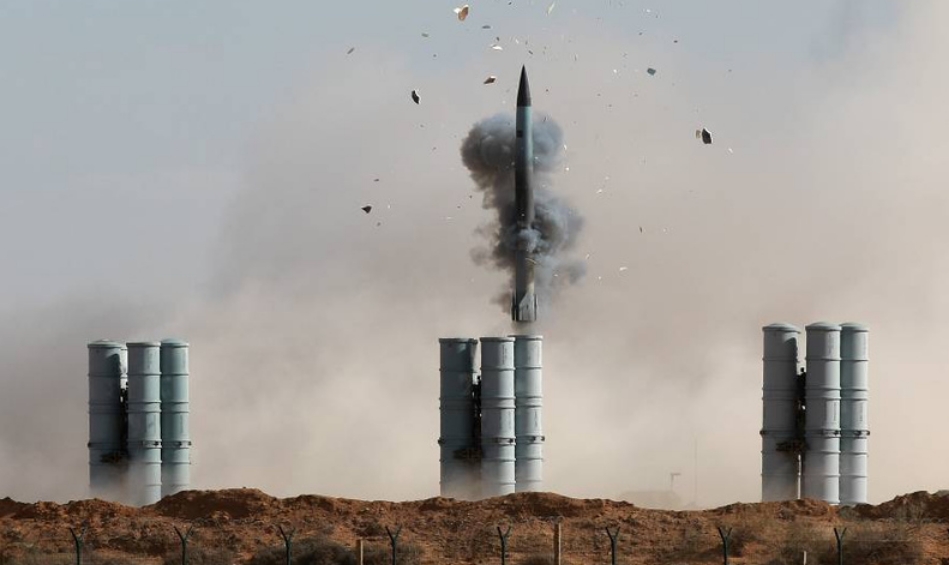
The first confirmed use of the RM-48U took place on the night of January 20, 2026. Following a Russian strike, Ukrainian experts discovered debris from a missile of this type. Subsequently, the RM-48U was detected during other massive attacks, specifically on June 2 and July 19, 2026.
Russia has already established mass production of these missiles. According to estimates by the Ministry of Defense and the Defense Intelligence, Russian industry produces about 40 RM-48U missiles per month in 2026. By comparison, production of 9M723 ballistic missiles for the Iskander-M system is estimated at approximately 60 units per month.
According to estimates by the Defense Intelligence, Russia had more than 400 RM-48U missiles on the eve of one of its massive attacks. Ukrainian intelligence says five specialized missile groups in the Bryansk and Rostov regions deploy the RM-48U.


Xi Jinping’s Washington Visit Outlines the Timeframe for the Active Phase of the Confrontation: Beijing Openly Demands Taiwan’s Return
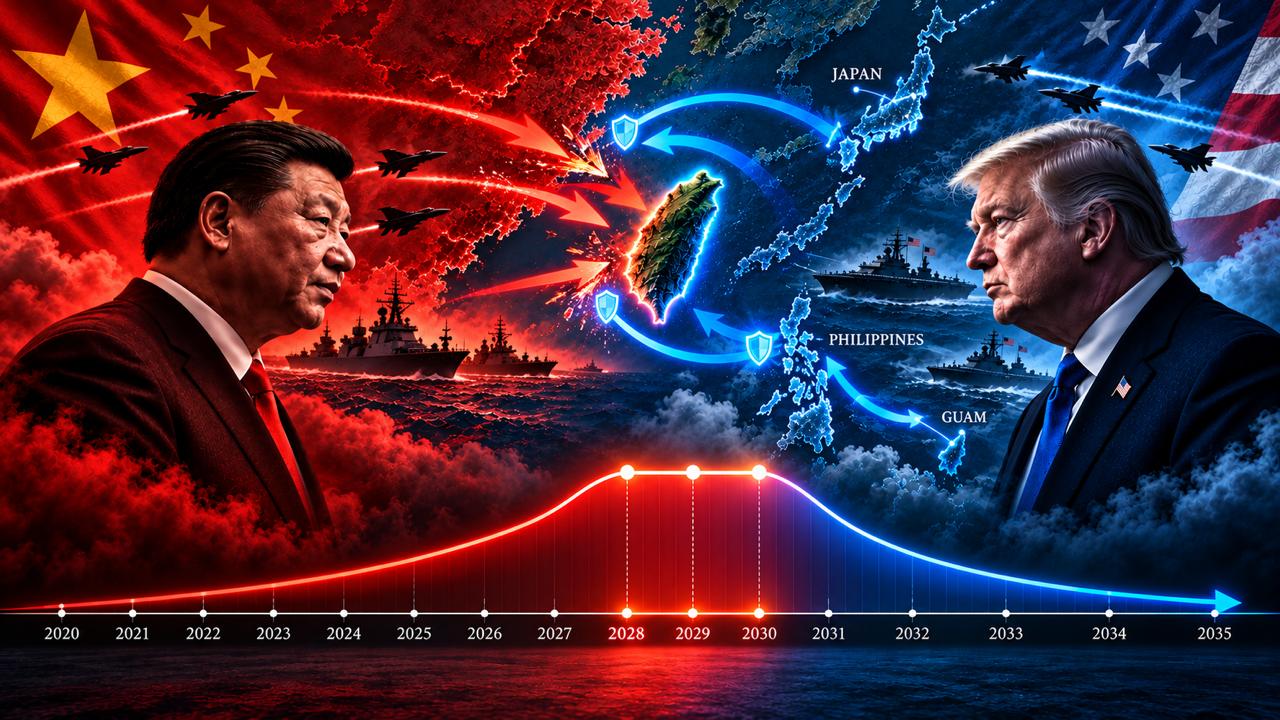
On September 23–25, 2026, Chinese President Xi Jinping held talks with President Trump at the White House during the first Chinese state visit to t...
A Sharp Shift in the Dynamics of Global Confrontation Forces Washington to Rethink How It Builds Its Key Partnerships
On September 12–13, 2026, the 18th BRICS Summit was held in New Delhi. Xi Jinping traveled to India to lead the Chinese delegation, marking his fir...
