

«Solutions for counter-FPV drone defense are our priority» — CEO of Alta Ares

Vadim Kushnikov


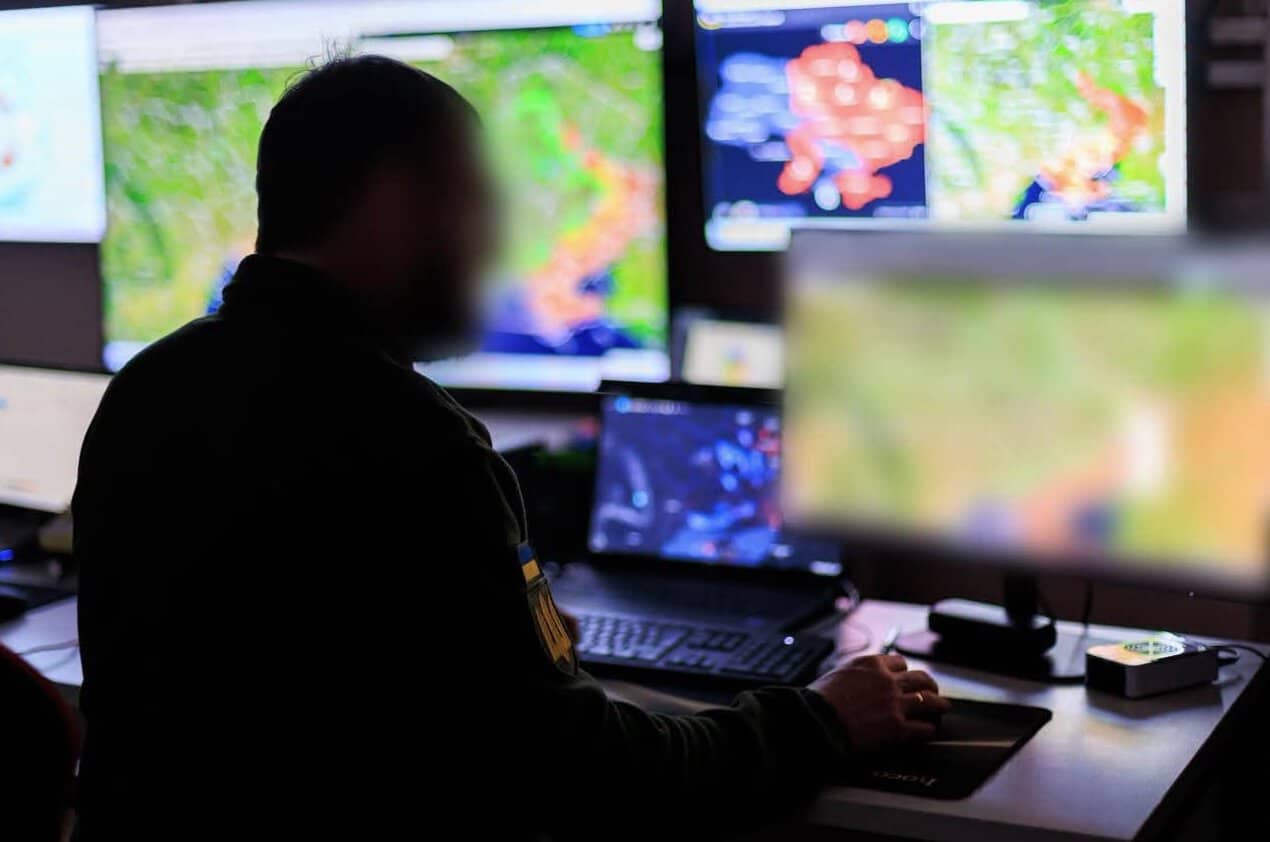

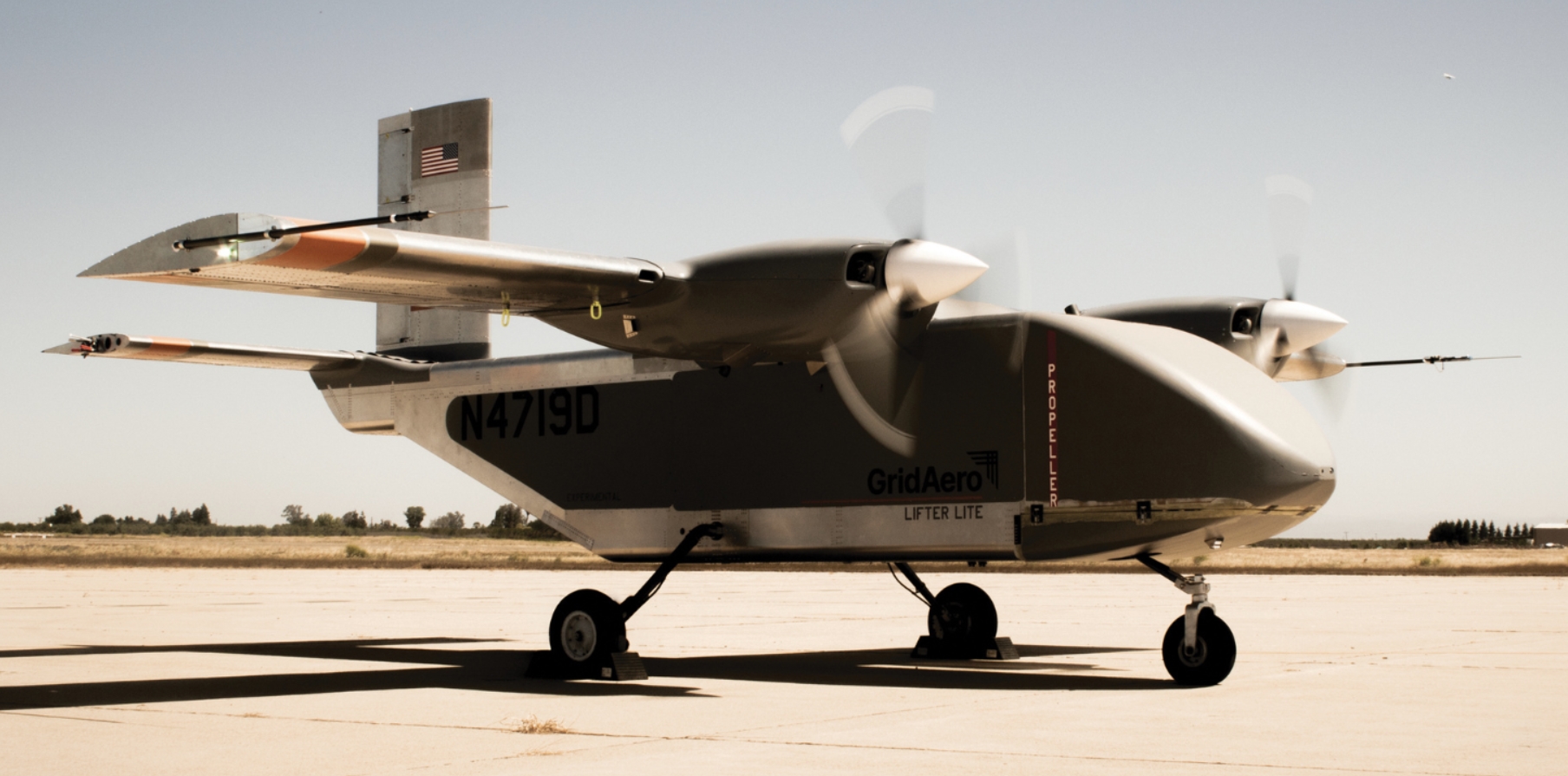

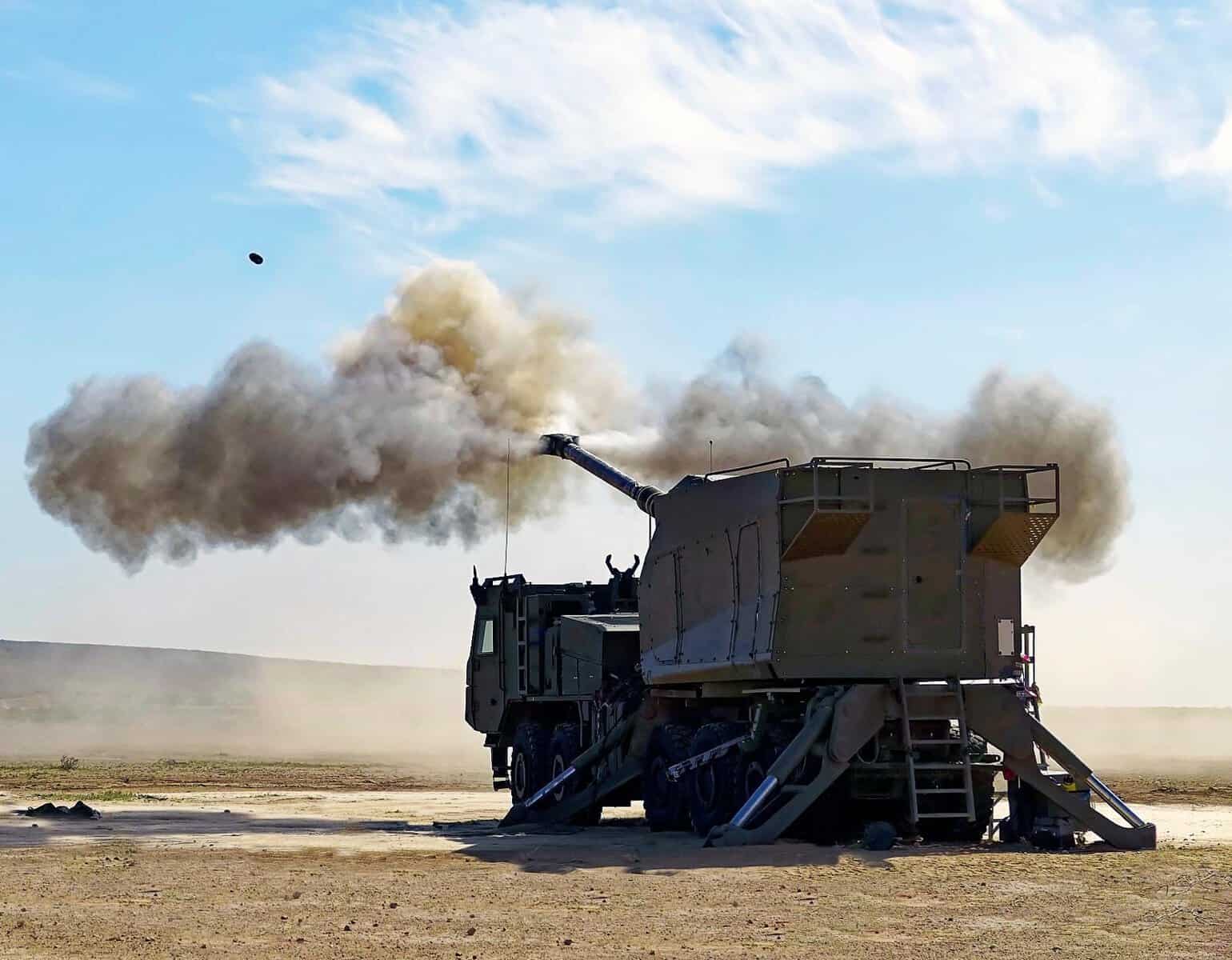

The growing use of drones, including jet-powered Shaheds, challenges traditional interception methods and puts pressure on existing air defense systems.
Countering these threats requires not only new technologies, but also the ability to scale up production and adapt tactics to battlefield realities.
Hadrien Canter, co-founder and CEO of French-Ukrainian defense-tech company Alta Ares, shared with Militarnyi the core objectives and current focus points of Alta Ares, provided insights on how agile newcomers in defence-tech industry cooperate with experienced contractors, and outlined Ukraine’s role in shaping the future of air defense in Europe and redefining how NATO prepares for modern warfare.
What is Alta Ares’ core mission behind combining French engineering with Ukrainian combat experience?
Alta Ares is a French-Ukrainian company founded in Ukraine two and a half years ago after I visited friends from high school serving in an infantry unit in southeastern Zaporizhzhia. Today, we are an important player in the European market, focusing on air defense — one of the key challenges exposed by modern warfare. I believe European security cannot be built without Ukraine, its most threatened and active eastern gate.
Alta Ares focuses on such topics as drone autonomy, air defense systems and AI integration. What specific technological gap are you aiming to bridge first?
The company aims to develop both hardware and software solutions to reduce the cognitive load and fatigue experienced by military personnel. Our goal is to help operators conduct complex missions with less manual intervention, allowing them to operate more effectively during prolonged, high-intensity warfare.
Alta Ares today has three axes of work: air defense, strike capabilities, and AI integration into legacy systems. We develop software and hardware for air defense and use AI to improve existing radars and expand the functionality of outdated technologies – for automating reconnaissance missions, for example. We also aim to let one operator manage multiple interceptors by combining data into a single radar air picture. However, scaling up production remains a major challenge. Even the best technology is not enough without sufficient numbers.

Does Alta Ares integrate into existing Ukrainian battle management systems?
Ukraine’s relatively open IT ecosystem allows Alta Ares to integrate its solutions with existing systems such as Virazh, DELTA, Sky Map and Ground Control. We developed Cyclops midcourse guidance software. It uses target coordinates provided by existing systems to guide an interceptor into the kill zone, reducing the operator’s workload.
At Alta Ares, we provide terminal guidance software to multiple Ukrainian interceptor manufacturers. We believe a shared software stack can help address air defense gaps. No single company can solve this challenge alone. I don’t believe in a winner-takes-all scenario. Our goal is to bring manufacturers together through software and help expand the deployment of our solutions across Ukraine.
What makes intercepting aerial threats in Ukraine different from traditional NATO operational scenarios?
NATO’s air defense planning has traditionally relied on the assumption that the alliance would maintain air superiority. The mass use of Shahed-type drones challenges that approach: NATO does not have enough fighter aircraft and munitions to counter every target. Cooperation between NATO and Ukrainian specialists, including through ACT and JATEC, is helping the alliance adapt to a battlefield where air superiority can no longer be taken for granted.
Europe’s diverse defense industry needs a hybrid model that combines the experience of major contractors with the agility of newcomers. Established companies have expertise that takes years to develop, while startups can bring new ideas and help address urgent production bottlenecks. Money alone cannot buy time, so cooperation is essential.
At Alta Ares, for example, we’re working with Airbus to explore how our software and hardware solutions could be integrated into the IBMS battle management system used with IRIS-T in Ukraine.
Is Alta Ares developing solutions to counter jet-powered Shahed drones?
At Alta Ares, we’ve been developing and testing jet-powered interceptor prototypes for several months, including X-LOCK and BLACK BIRD, working with JATEC and around 20 Ukrainian companies, with support from Brave1 and the Ministry of Defense.
Turning these prototypes into affordable, mass-producible systems remains a challenge. Europe has a limited number of turbine manufacturers, and the interceptors need advanced cameras, computing power and terminal guidance to operate at high speeds. We hope that, through combined efforts, we’ll have a solution ready by winter.
What is Alta Ares’ short- to mid-term vision for shaping the future of air defense across Europe?
Over the next 6 months, we plan to develop the Blackbird interceptor and adapt our software for frontal and side-on interception terminal guidance, wider camera field of view, and sensor integration, including small radars.
Over the next 6 to 18 months, our goal is to move from a working prototype to a product that can be manufactured at scale, with reliable access to key components.
The work we’re doing is ambitious. Defense work is overall ambitious, but it also teaches humility. It’s important to set ambitious goals while recognizing that we can’t solve the air defense crisis alone. That’s why we work with major defense contractors like Airbus, Thales, and MBDA, as well as agile Ukrainian companies that have scaled up production to thousands of drones a month.
We’re not there yet, but we believe it’s realistic. Other companies have done it, so why can’t we?


Netanyahu’s Visit to Abu Dhabi: Israel Builds Partnerships from a Position of Strength, but the Middle East Conflict Is Eroding the Edge of Its Weapons
On September 27, 2026, Israeli Prime Minister Benjamin Netanyahu traveled to Abu Dhabi with the head of Mossad and the head of the National Securit...

Big Tech Pushes the White House Toward Global De-escalation: The Stance of Tech Capital Shapes the Terms for a Deal Between Trump, Putin, and Xi Jinping
As of October 14, 2026, political advertising expenditures in the current U.S. election cycle, including reserved airtime, had exceeded $10 billion...

Japan Rapidly Builds Up Its Defense Capabilities: Personnel Shortages and Low-Cost Weapons Set the Pace of the Self-Defense Forces’ Modernization
On October 13, 2026, lawmakers from Japan’s ruling Liberal Democratic Party, led by former Defense Minister Itsunori Onodera, established a parliam...
