
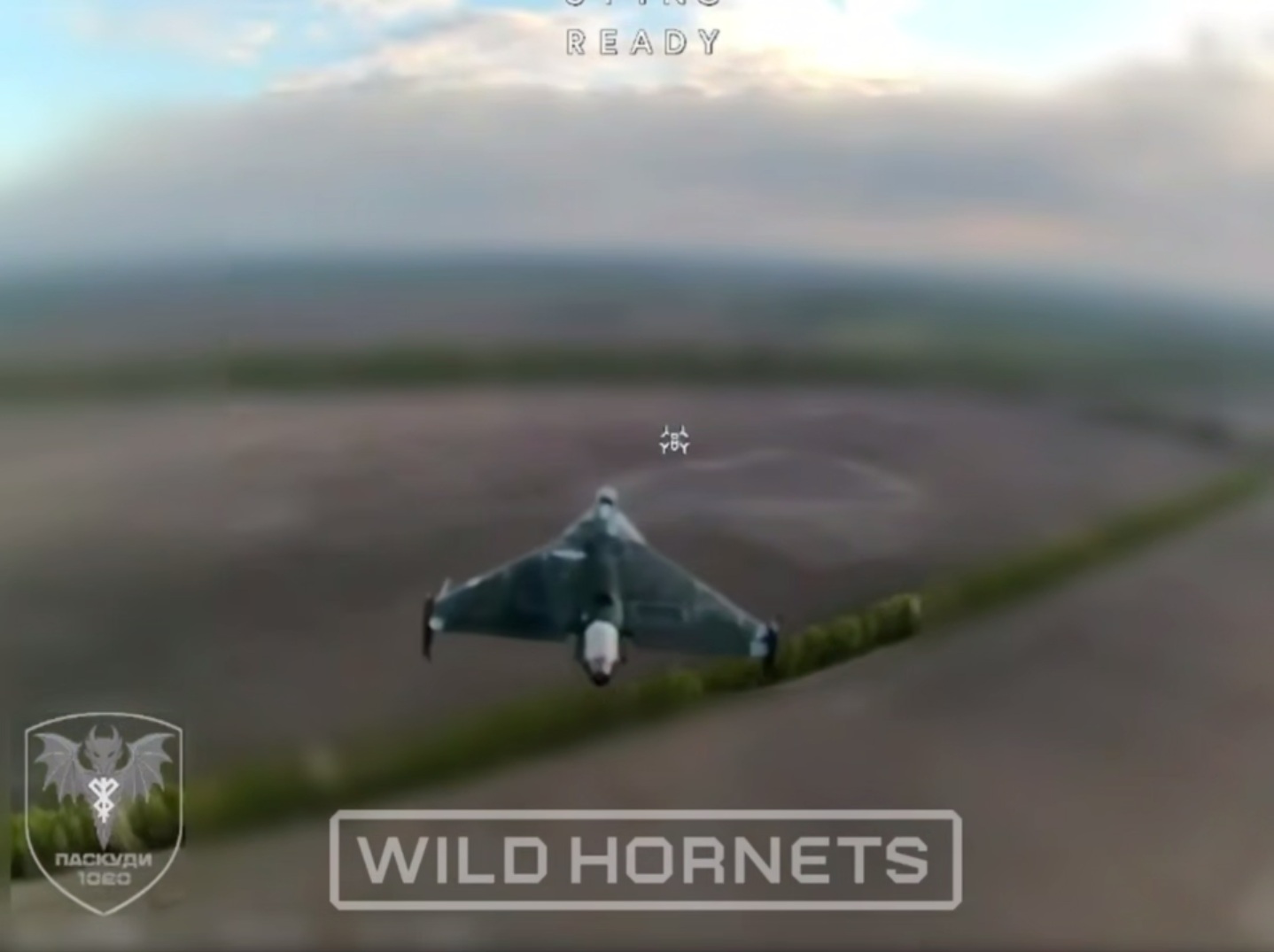
Geran-4’s On-Board Computer: Contains Over 75% U.S.-Made Components

Dmytro Shumlianskyi



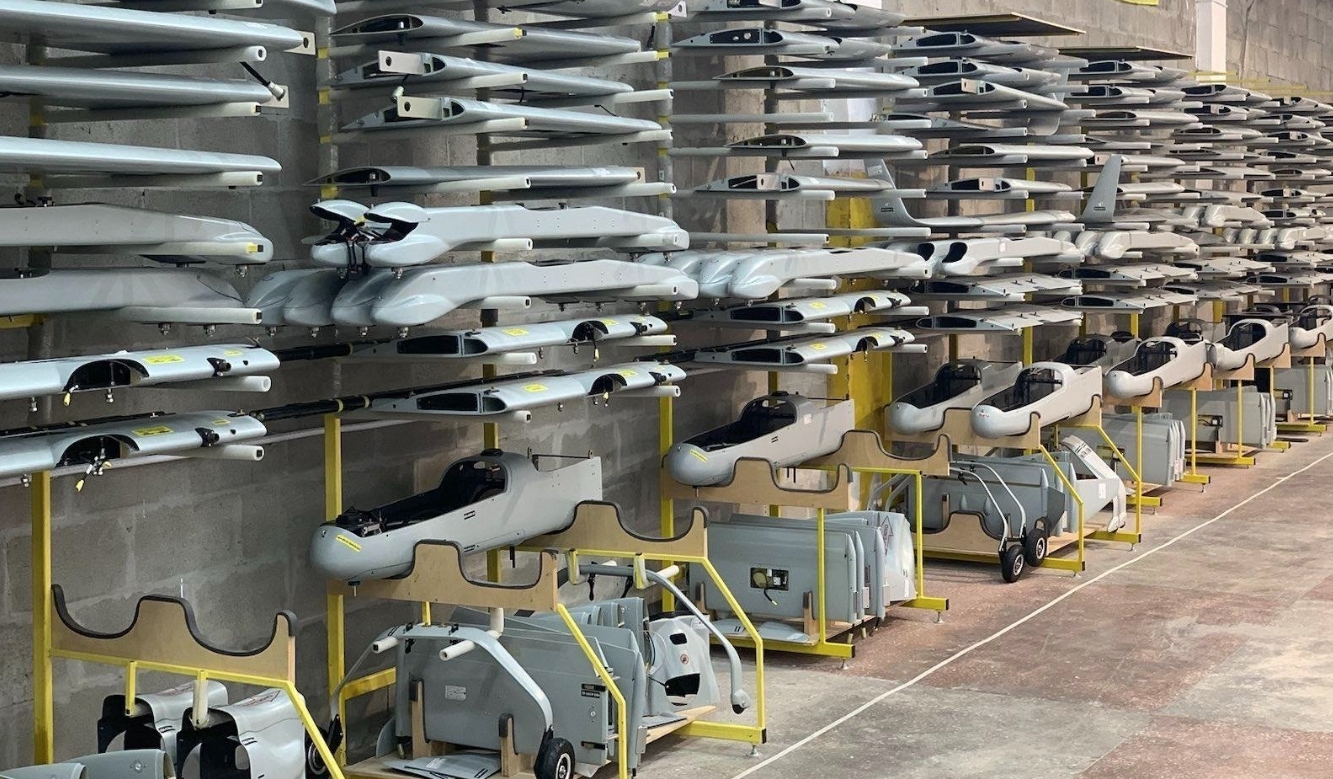
More than three-quarters of the Geran-4’s onboard computer consists of electronic components manufactured by American companies. Products from Texas Instruments account for the largest share, along with components from its acquired subsidiary National Semiconductor — together accounting for more than half of all identified components.
This information was revealed in a report analyzing the flight controller recovered from the wreckage of one of the drones. The investigation was conducted by an engineer using the call sign Prop, who serves with the 1230th Athena Engineering and Technical Regiment of the Ukrainian Armed Forces Support Forces. The unit shared the results with Militarnyi.
Components from foreign companies handle navigation data processing, engine control, power supply, and signal exchange between circuit boards. At the same time, the circuit boards’ serial number markings indicate that they were manufactured in Alabuga.
Subject of the study
The Geran-4 onboard computer was discovered among debris recovered in Ukrane’s Poltava region in 2026. The exact location and circumstances of how the sample was obtained are not being disclosed for security reasons.
Stickers indicate that the aircraft was equipped with the Susannin optoelectronic correlation system. The system compares images from an optical sensor with reference frames stored in the computer’s memory and adjusts the flight path, supplementing satellite and inertial navigation.
A mesh modem was also found among the debris, indicating that the drone belonged to the Siker version.
How the Geran-4 onboard computer is constructed
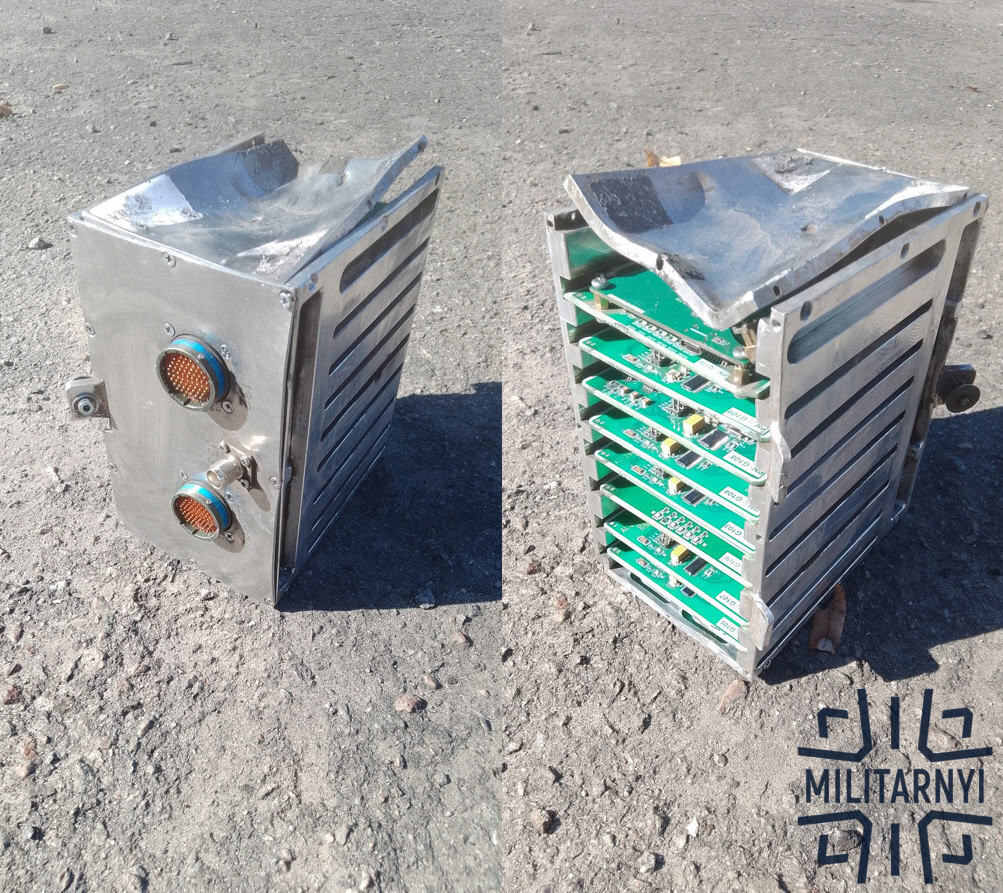
The electronics are housed in an aluminum case measuring 175 mm high, 104 mm wide, and 145 mm deep.
Externally, it has an antenna connector and two multipin Amphenol Aerospace connectors, through which the unit connects to the drone’s other systems.
The casing sustained damage to its upper part, but most of the internal circuit boards remained intact. This made it possible to examine their structure, read the available markings, and compare recurring components.
The controller consists of separate circuit boards assembled into a vertical rack. Among them are the ALAK03 navigation board, G-series computing modules, the G106 relay board, and the G102 interface board.
Seven boards feature Texas Instruments TMS320F28335PGFA 32-bit processors running at 150 MHz. Adjacent to them are power-management ICs, interface components, and data communication devices. According to the researcher’s assessment, the use of common circuit design solutions reduces the range of required parts, while the modular design simplifies the controller’s production and maintenance.
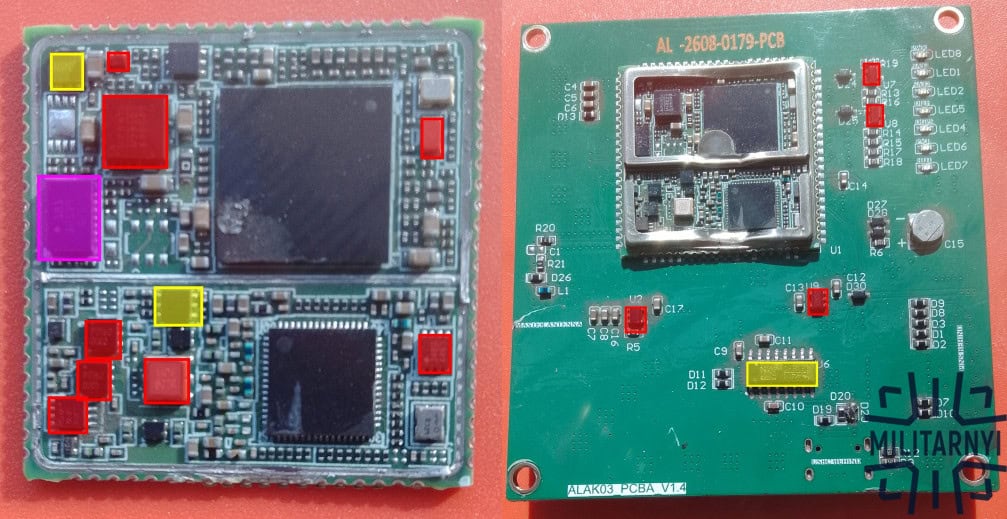
The navigation unit consists of the ALAK03 board and a multichip module (MCM) mounted on it. The ALAK03 board provides the connection to the external antenna. According to the study’s findings, the module receives and processes satellite navigation signals, while the board supplies power to it and connects it to the rest of the controller.
The ALAK03 features indicators labeled SAT1, SAT2, DIFF, DGPS, PVT, and HDT. These indicate the status of satellite navigation, differential corrections, position, velocity, time, and heading. A small battery maintains the internal clock after the main power is switched off.
The board also has a USB port. According to the researcher’s hypothesis, this port can be used to check the equipment’s status before launch and to connect software for mission planning and target selection. During the investigation, the researchers were unable to establish a connection with the computer. This may have been caused by a damaged diode and inter-board connector or the lack of specialized software.
The navigation unit connects to the G110 via a 34-pin connector; according to the analysis, the G110 performs further processing of information from the ALAK03. The pinout table lists power lines, data transmission and reception lines, as well as PPS signals and other navigation indicators. The GPS1, GPS2, DGPS, HEAD, DIFF, and PPS indicators on the G110 allow the status of the corresponding functions to be monitored.
The G108 board is responsible for interfacing with the jet engine. The markings on it relate to fuel level, engine inlet and outlet pressure, two pumps, flow rate, and RPM. According to the researcher’s assessment, it serves as a hub for collecting sensor readings and controlling the engine based on the data received.

Individual circuits on the G108 control the fuel system’s electric pumps, and two LED indicators display their status. The board also features a power indicator and a programming connector.
The G109, G104, G103, G107, and G105 use a similar basic architecture, while the specialized G110 and G108 incorporate additional electronics for navigation and engine control, respectively.
Each of the five boards has its own computing node, data exchange interfaces, power circuits, and a programming connector. The report does not provide a precise breakdown of the functions performed by each board.
The G106 is a relay module for switching electrical circuits. It lacks the pair of CAN transceivers characteristic of the adjacent processor boards. During the investigation, it was not possible to determine exactly which loads are connected to its outputs.
All nodes are connected via the G102 backplane. It has separate connectors for the G-series boards and connects them to the controller’s external multi-pin connectors.
Origin of components
After comparing board descriptions and manufacturer lists, the researcher was able to identify 105 electronic components. Of these, at least 80 are from American companies, accounting for 76.19% of the total.
Countries are determined based on the parent company’s place of registration. Under this approach, Intersil components are classified as products of the Japanese company Renesas, while Zetex components are classified as products of the American company Diodes Incorporated.
| Country | Виробники | Quantity of components | Share |
| USA | Texas Instruments / National Semiconductor, CTS, Onsemi, Monolithic Power Systems, Qorvo, Analog Devices, Diodes Incorporated / Zetex, Microchip, Abracon | 80 | 76,20% |
| China | Yueli Electronic, Yantel, Shanghai Leiditech, Shenzhen Huazhimei Semiconductor, WCH | 11 | 10,48% |
| Germany | Infineon Technologies | 2 | 1,90% |
| Japan | Renesas / Intersil | 1 | 0,95% |
| Taiwan | MediaTek / Richtek | 1 | 0,95% |
| Netherlands | STMicroelectronics | 1 | 0,95% |
| Unidentified | Components with an unidentified manufacturer | 9 | 8,57% |
| Total | 105 | 100% |
Texas Instruments dominates the list of manufacturers by a wide margin. Together with National Semiconductor, which it acquired in 2011, the two companies account for 61 components, or 58.1% of the list. These include, in particular, TMS320F28335PGFA processors for data processing and control of onboard systems, VP230 CAN transceivers for data exchange between modules, MB3238I multichannel transmitters, and PS767D301 voltage regulators. The boards also feature REF3020 reference voltage sources, which provide a stable voltage for measurement circuits.
The American company CTS is represented by CTS39CB3 quartz oscillators with a frequency of 40 MHz. They generate a clock signal to synchronize the operation of digital electronics. Six Onsemi components include Y1 transistors for controlling LED indicators, H11G1 optocouplers for signal transmission, and NUD3124 drivers for controlling inductive loads and relays.
The navigation module was found to contain an MPM38222 step-down voltage converter from Monolithic Power Systems, a Qorvo SGL06Z low-noise amplifier for receiving satellite navigation signals, and a MAX4461 instrumentation amplifier from Analog Devices for amplifying the voltage difference between two inputs.
Also present here are a Zetex FMMV109 varicap, a Microchip VC-830 series crystal oscillator, and an Abracon quartz resonator.
Among the Chinese components, the most numerous are relays from Yueli Electronic —six JZC-30MDs that switch electrical circuits. Two PD1500U03 components from Yantel are designed to split and combine radio-frequency signals. Shanghai Leiditech is represented by the Q3407B power MOSFET for load switching, and Shenzhen Huazhimei Semiconductor by a step-down voltage converter marked HMEY.
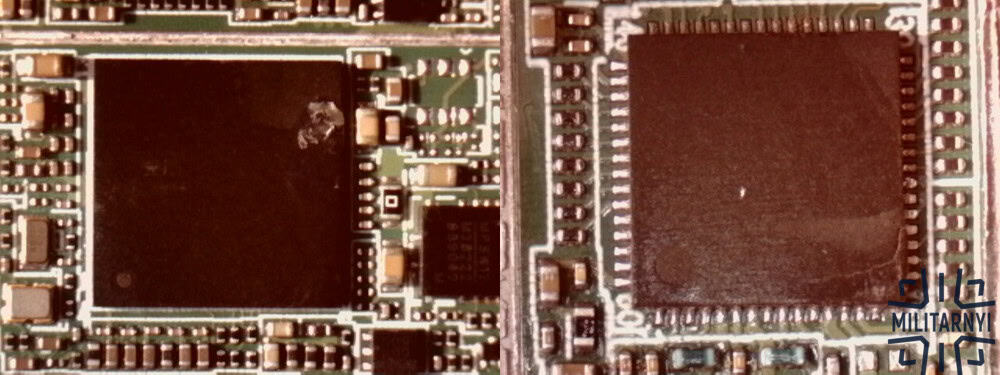
Another Chinese component — the CH343G from WCH — provides conversion between USB and the serial interface on the ALAK03 navigation board.
It is likely intended to connect the controller to a computer for servicing, testing and configuration.
The German company Infineon Technologies is represented by two F4905S P-channel power MOSFETs on the motor control board. According to the study’s findings, they are part of the fuel pump control circuits.
Among the products from the Japanese company Renesas — which acquired Intersil — is the HA-2539 operational amplifier, which processes high-frequency analog signals in the navigation module.
Taiwan-based Richtek, a subsidiary of MediaTek, is represented by a voltage regulator marked 900HAA on the ALAK03 board. STMicroelectronics, whose parent company is registered in the Netherlands, is represented by the HTC04 chip on the G110 board. It contains six logic inverters that invert the signal’s logic level.
The manufacturers of nine other components could not be identified. Furthermore, no Russian-made electronics were found during the investigation.
Manufacturing in Alabuga
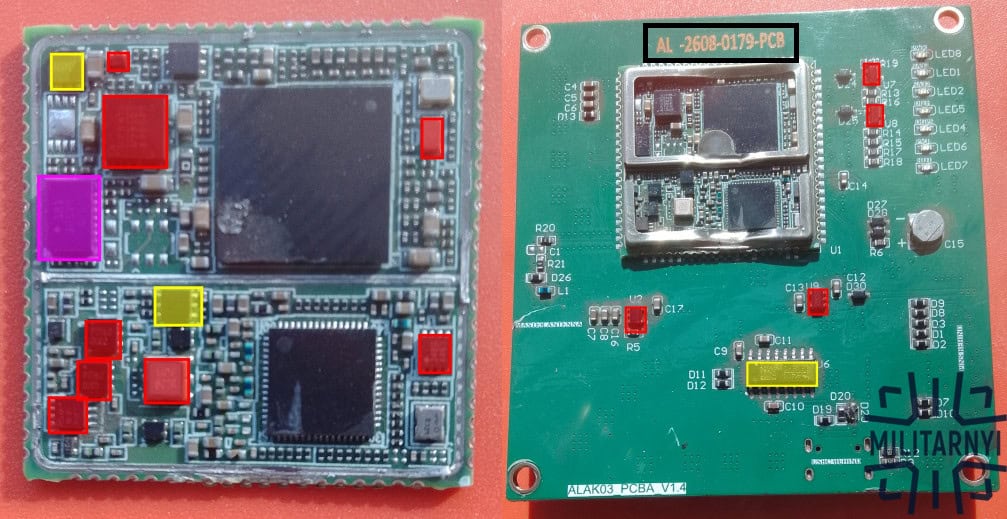
The serial numbers of the examined boards contain the prefix AL—the standard designation for Alabuga. Some boards also bear dates: the G108 is marked June 23, 2026, and the G104 is marked August 12, 2026.
The two external Amphenol Aerospace connectors bear the codes 260106 and 260206, which correspond to January 6 and February 6, 2026.
The Russians attempted to erase the markings on the TMS320F28335PGFA processors. According to the researcher’s observations, the markings on several processors were not completely erased, making it possible to identify the model. Other components with obliterated markings remained unidentified.
According to the researcher’s assessment, the removal of markings is linked to attempts to make it more difficult to determine the origin of the electronics amid sanctions and export restrictions.
How much do the electronic components cost?
Separately, the researchers estimated the cost of components from Texas Instruments and National Semiconductor.
According to data from the Defence Intelligence of Ukraine, Russia produced about 3,000 Geran-4/5 units per month. At the same time, production of the Geran-2 was estimated at approximately 2,800 units per month.
If we extrapolate the component list of the analyzed controller to this production volume, the monthly demand would amount to 21,000 TMS320F28335PGFA processors, 42,000 VP230 CAN transceivers, and 33,000 PS767D301 voltage regulators. In total, 3,000 controllers require 183,000 components from Texas Instruments and National Semiconductor listed above.
According to the researchers’ estimates, at this production rate, Texas Instruments’ monthly revenue from components for flight controllers of this type alone could reach approximately €1.4 million.
However, this is only a rough estimate based on distributors’ retail prices. The actual purchase prices and the share of intermediaries in the final cost remain unknown.
Conclusion
More than 75% of the electronic components in the Geran-4 flight controller come from American companies, and more than half come from the Texas Instruments group. These components handle data processing, communication between modules, power supply, and interaction with the engine.
With a production rate of 3,000 units per month, this dependence creates a need for more than two million components from Texas Instruments and National Semiconductor combined each year. This indicates a lack of an effective mechanism for monitoring compliance with sanctions, both at the level of the companies themselves and at the government level.




Big Tech Pushes the White House Toward Global De-escalation: The Stance of Tech Capital Shapes the Terms for a Deal Between Trump, Putin, and Xi Jinping
As of October 14, 2026, political advertising expenditures in the current U.S. election cycle, including reserved airtime, had exceeded $10 billion...

Japan Rapidly Builds Up Its Defense Capabilities: Personnel Shortages and Low-Cost Weapons Set the Pace of the Self-Defense Forces’ Modernization
On October 13, 2026, lawmakers from Japan’s ruling Liberal Democratic Party, led by former Defense Minister Itsunori Onodera, established a parliam...

Secretary of State Rubio’s Visit to Uzbekistan: U.S. Tech Capital Moves into Central Asia, Leaving Beijing No Zones of Exclusive Influence
On October 18, 2026, U.S. Secretary of State Marco Rubio arrived in Samarkand, Uzbekistan, where he attended a C5+1 meeting with the foreign minist...
