Nightfall Missiles, Octopus Drones, and LMMs: How UK is Arming Ukraine — Interview With Luke Pollard, Minister of State for Defence Readiness and Industry of United Kingdom
Vadim Kushnikov


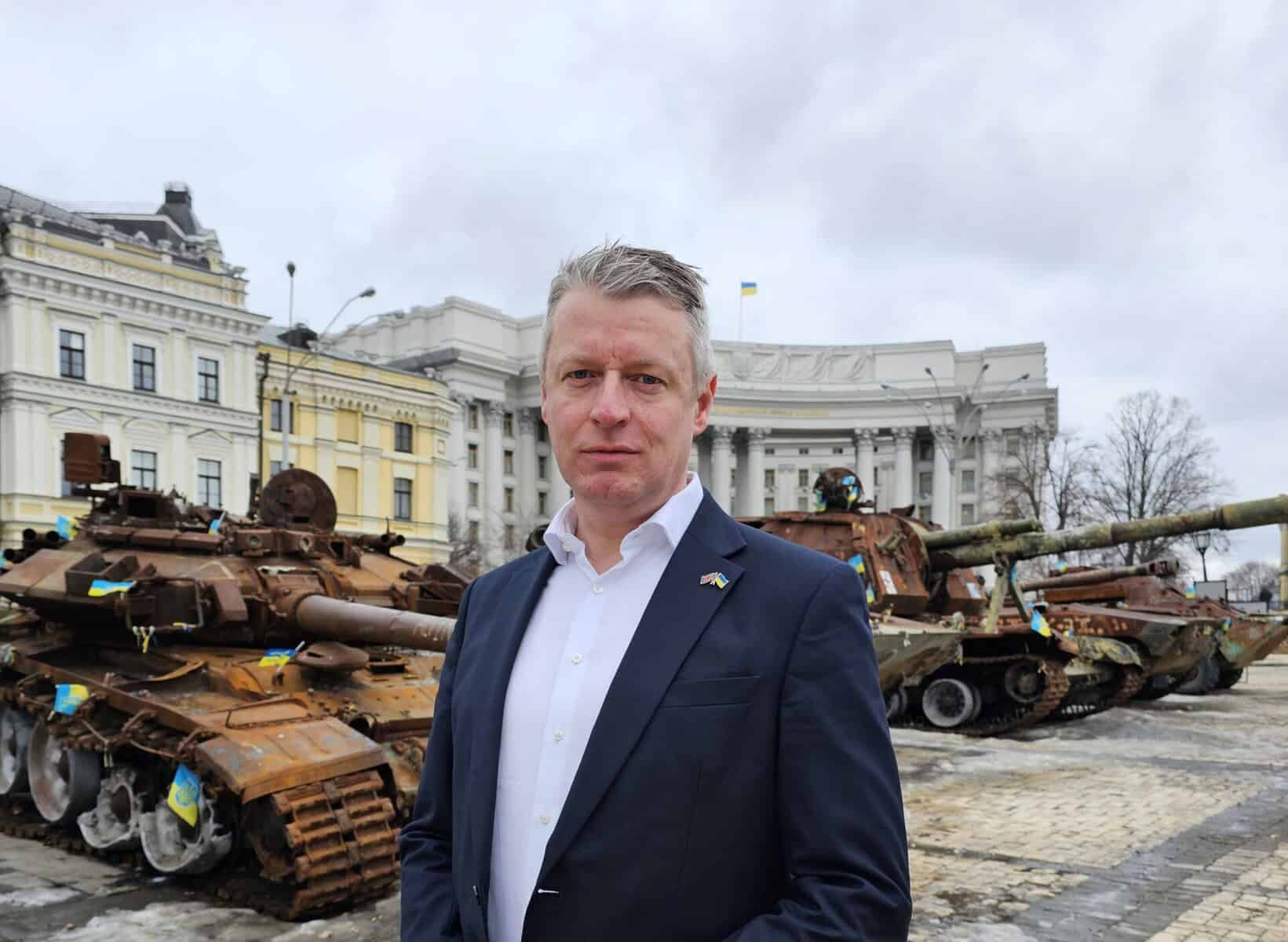
During British Minister of State for Defence Readiness and Industry Luke Pollard’s visit to Ukraine, Militarnyi had the opportunity to interview him. This exclusive interview is available here.
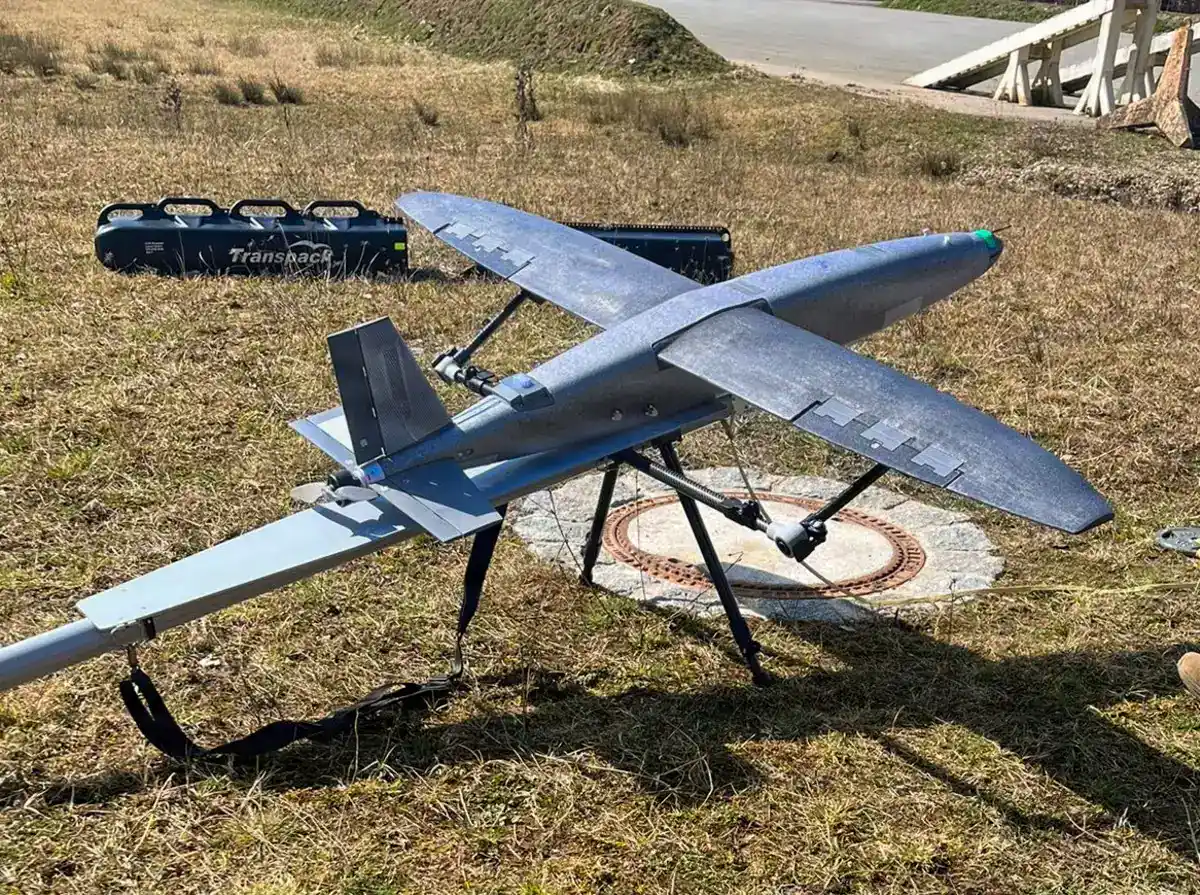
First of all, it is a real pleasure to have you here. I would like to start with topics we recently discussed — Brakestop, as well as the Shark and PD-2 UAVs. What is the current procurement plan for the British Army?
We are very close to announcing our defense investment plan, which will set out the types of technologies we intend to procure over the next ten years and the timeline for acquiring them. We plan to significantly increase our spending on autonomous systems — not only drones, but also capabilities in the maritime and land domains.
This creates a major opportunity for Ukrainian companies. Using the expertise they have developed on the battlefield against Russia, they can export their technologies and know-how. That would generate revenue for Ukraine while also helping us strengthen the protection of our own forces and increase the combat effectiveness of the British Armed Forces. So it is truly a win-win for both countries.
I would like to continue with another important topic for the Ukrainian Defense Forces — ballistic missiles. In particular, you have a program called Nightfall. Could you explain the current situation or stage of development of this project?
We have a number of what we call low-cost programs. Nightfall is a good example of a ballistic missile project, and Brakestop is another missile program where we are trying to develop new technologies faster than we normally would in order to create opportunities for Ukraine to use them on the front line. Nightfall is still at an early stage. Given the pace of progress we achieved with Brakestop, we hope to replicate that success with Nightfall. That means selecting companies that can contribute very quickly and moving rapidly toward live-fire testing. But importantly, it also means adopting a “fail fast” approach.
I want our companies to innovate and push the boundaries of what they normally do in order to deliver best-in-class technology at a low cost — technology that we can share quickly with our Ukrainian partners. I expect further progress on Nightfall very soon, and I hope the Ministry of Defence will be able to announce the next steps in the near future. With both Brakestop and Nightfall, we are developing new technologies specifically designed to support Ukraine, which could also potentially be used by the British military.
Another crucial topic for Ukrainians is air defense. We have a joint UK-Ukraine program — the Octopus drone interceptor. Could you tell us how many companies in the UK are involved in this program and when we can expect the first devices from British industry to be delivered to Ukraine?
For me, Octopus is a really exciting program. Not only because it creates effective technology for intercepting Shahed drones, but also because it is the first example of Ukrainian intellectual property being transferred to the UK for joint development. By combining the UK’s advanced manufacturing capabilities with Ukraine’s battlefield experience, we can create technology that can scale rapidly to defend Ukrainian skies. Right now we are in the process of selecting companies in the UK to participate in the Octopus program. This creates a significant opportunity to produce more systems for Ukraine.
The potential here is not only that the technology can be improved iteratively together with our Ukrainian partners using battlefield feedback, but also that there may be international customers interested in interceptor-drone technology. This creates an opportunity for Ukraine and the United Kingdom to use our partnership to support the broader defence of our allies.

At the same time, it is very important to me that this work does not distract from Ukraine’s front-line defence. Everything we do — whether it is Octopus, Nightfall, or any other program — must add to Ukraine’s capabilities, not take away from them. If we can scale up production in the UK, it will create a secure and reliable production base. One of our concerns is that as spring approaches, Russian attacks on energy infrastructure may decrease while attacks on industrial facilities and factories increase. Having production facilities in the UK that manufacture the equipment Ukraine needs means those facilities cannot be targeted by Russian missiles.
This allows us to maintain reliable production while also helping Ukrainian industry develop further. That is what we mean by partnership. Octopus could become the first of many such opportunities. For example, the opening of the Ukrspecsystems factory in Suffolk is another good illustration. There are many possibilities to deepen this partnership, create new platforms, and expand export opportunities that can generate revenue for Ukraine.
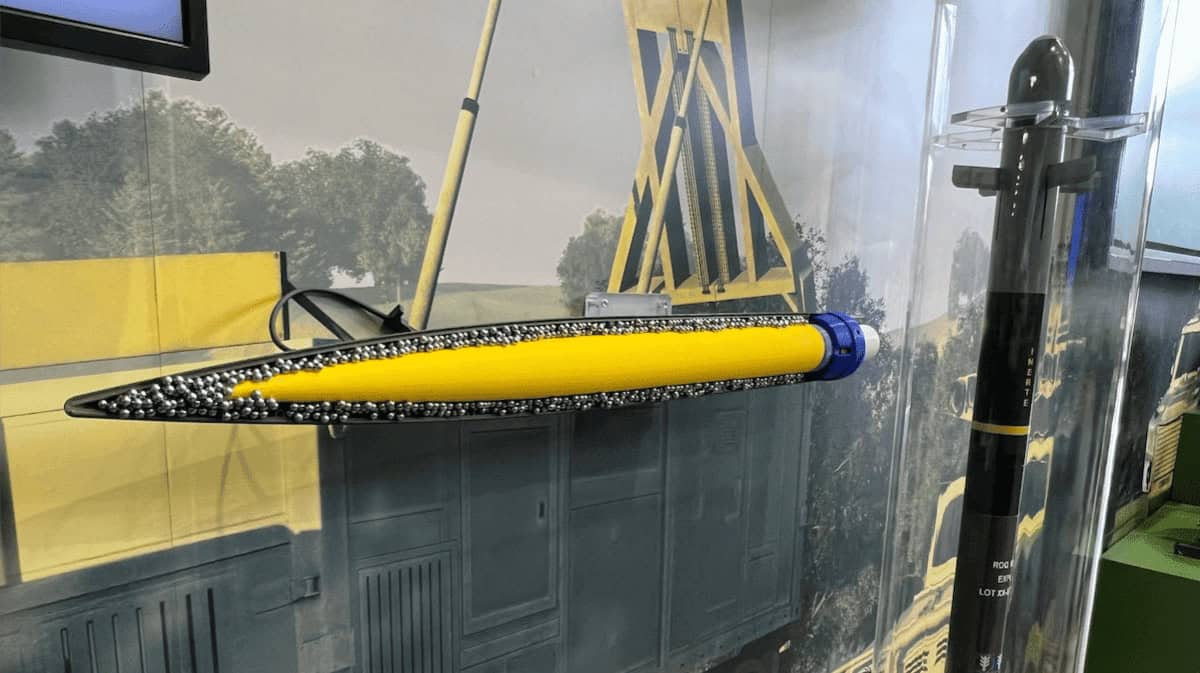
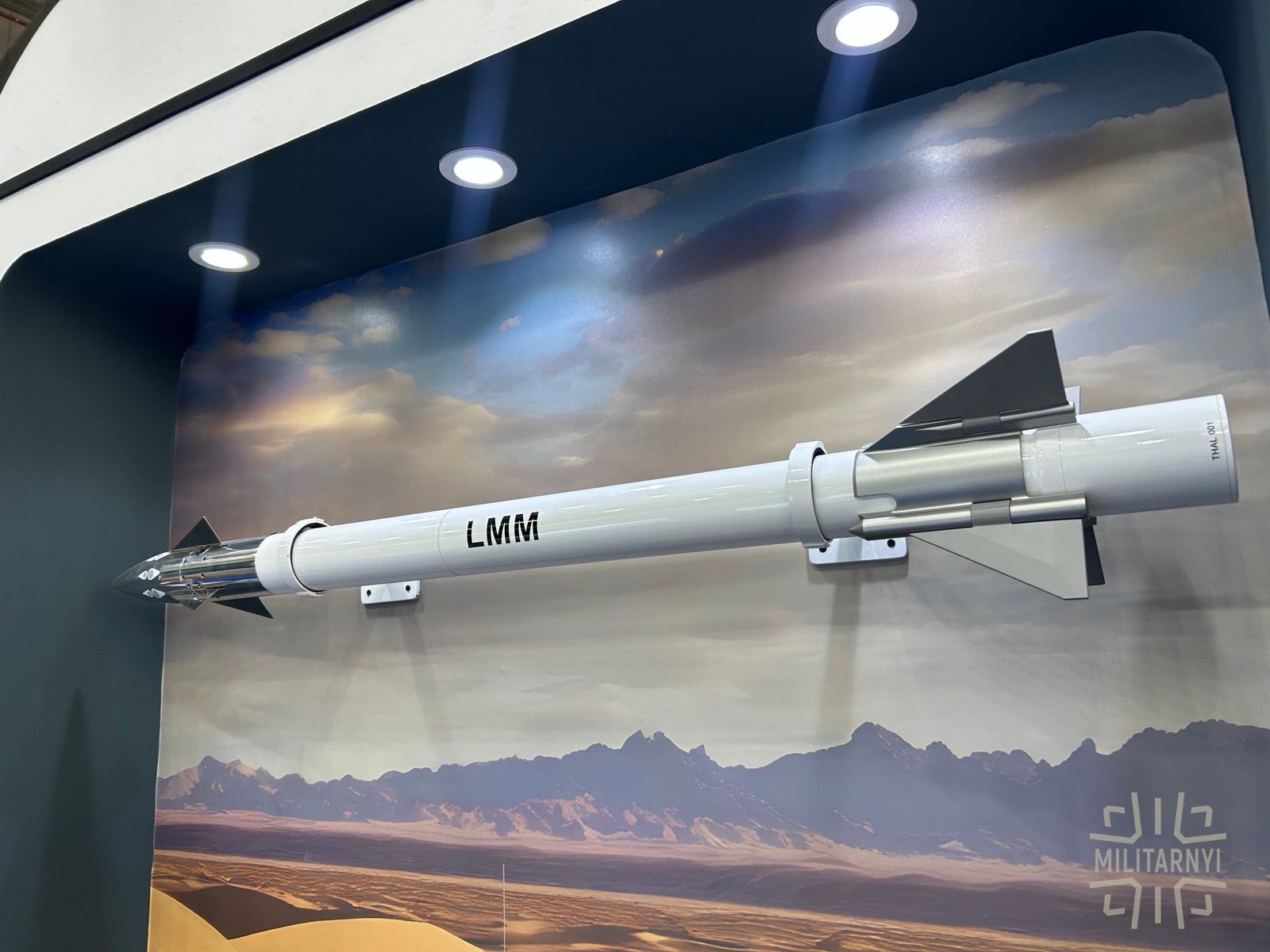
Continuing the topic of air defence and cooperation in developing high-tech solutions: about a year ago the UK and Ukraine reached an important agreement on Light Multirole Missiles (LMM). The UK pledged to supply 5,000 of these missiles and to share technologies for localising production. Has this localisation already begun, or is it difficult to launch such high-tech production in Ukraine under the conditions of Russian strikes?
The LMM missile program is worth £1.6 billion, making it a major project for both Ukraine and the United Kingdom.
We delivered the first missiles ahead of schedule and intend to continue supplying them because we know how important they are. The partnership we signed for the LMM program is the first of its kind. It allowed us to scale up a major project and involve more Ukrainian industry.
There is still work to be done to realise the full scale of this opportunity, but the project is progressing according to plan. We are continuing with the LMM program as agreed, and I see it as an example of what can be done in other areas as well. The financial arrangement from the UK was innovative, and the scale was unprecedented. For me, it highlights the importance of the UK-Ukraine relationship.
The UK is Ukraine’s number one ally. We often move first, and when we do, other allies follow. When we look not only at advanced weapons and high-end missiles but also at industrial scaling across a wide range of technologies, if the UK and Ukraine can take the first step, it creates huge opportunities for other countries to follow and continue supporting Ukraine.
And that is what I would like to see — not only procurement of sophisticated weapons, but also cooperation in drone technologies and other systems. With global attention currently focused on the Middle East, where air defence is becoming a central issue, I believe the UK can help Ukraine highlight a key point: there is one place in the world that truly understands air defence against Shahed drones — and that is Ukraine.
Ukraine has a partner in the United Kingdom that already has experience working together, exporting intellectual property, and building deep cooperation — not just transactional cooperation, but a genuine long-term partnership. Given the UK’s relationships with countries in the Middle East, there is a significant opportunity to expand this cooperation further.
The United Kingdom is Ukraine’s number one ally. We often move first, and when we do, other allies follow.
Ministers in the Ukrainian government have told me that Ukraine wants to become the arsenal of the free world. This is the moment to realise that ambition, and the UK wants to help Ukraine achieve it. If we get this right, Ukraine wins, the UK wins, and our allies win. The ones who lose are Russia and Iran — and that is absolutely fine with me.
Does Britain plan to procure the CAMM missiles that you developed jointly with Poland?
Across the broader complex weapons portfolio, there are several opportunities we are considering. The UK has excellent high-end equipment, while Ukraine has developed very effective iterative drone systems. That creates a strong basis for cooperation.
I cannot provide full details about the systems currently under consideration, but we recognise the potential, as do our Ukrainian partners. So there is more work to be done in this area.
And one last question. We are seeing a truly unstable and sometimes unpredictable policy on the part of the US. Could Britain purchase additional Typhoons instead of, for example, F-35s?
The defence investment plan that will be released shortly will determine what we will purchase. I expect that we will continue investing in our Typhoon fleet. We also strongly believe that maintaining Typhoon production in the UK is important in order to bridge the gap between Typhoon and the future Global Combat Air Programme (GCAP). Exports will also play an important role. If we talk about exporting Typhoons, we should also mention the Gripen. Around 40% of the Typhoon’s components are produced in the UK, and the Gripen also contains roughly 40% British components. We already have a strong relationship with our Swedish partners on the Gripen, and we know there is potential for the aircraft in Ukraine. We need to work together to make that possible.
As the Prime Minister has said, reducing our over-reliance on the United States while strengthening interdependence with our European allies is a key strategic goal for the UK. That does not mean turning away from America. It means using the UK’s unique position — having close partners on both sides of the Atlantic — to achieve the best possible security outcomes. But Europe must do more. When the Prime Minister says we must spend more and spend faster, he is reflecting the reality of the security situation across the Euro-Atlantic region — not only in Ukraine but also in the High North, the Baltic states, and in protecting critical infrastructure such as undersea cables connecting the UK with our allies.
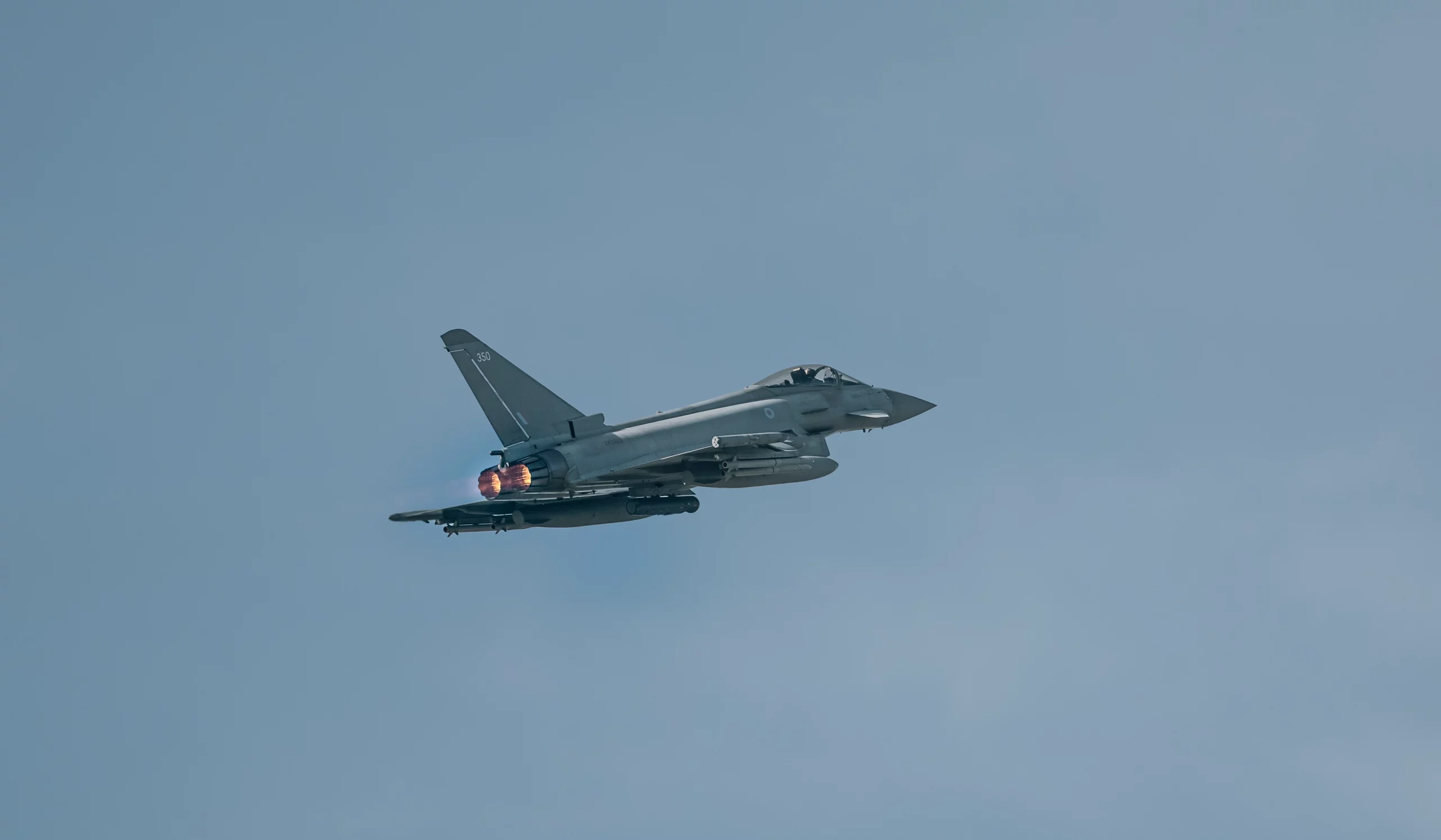
So yes, I see further opportunities for exporting Typhoons. I also see opportunities for continuing participation in the F-35 program — the UK produces about 15% of every F-35 aircraft in the world. The F-35 is an excellent aircraft, and we operate both the F-35 and the Typhoon. Combining these aircraft with collaborative combat systems, stronger high-level air defence, and additional interceptors is the direction we are moving in. And it is much easier to achieve this when we work closely with our Ukrainian partners.
I strongly believe in this partnership. It must be a real partnership — one that benefits both sides. And that is exactly what we are building now. This is not just an agreement. It is real industrial cooperation. We are committed to technology transfer and sharing intellectual property. The experience we can contribute helps Ukraine remain in the fight and protects the freedom not only of Ukraine but of all NATO allies, including the United Kingdom.
There are challenging but very exciting opportunities ahead.