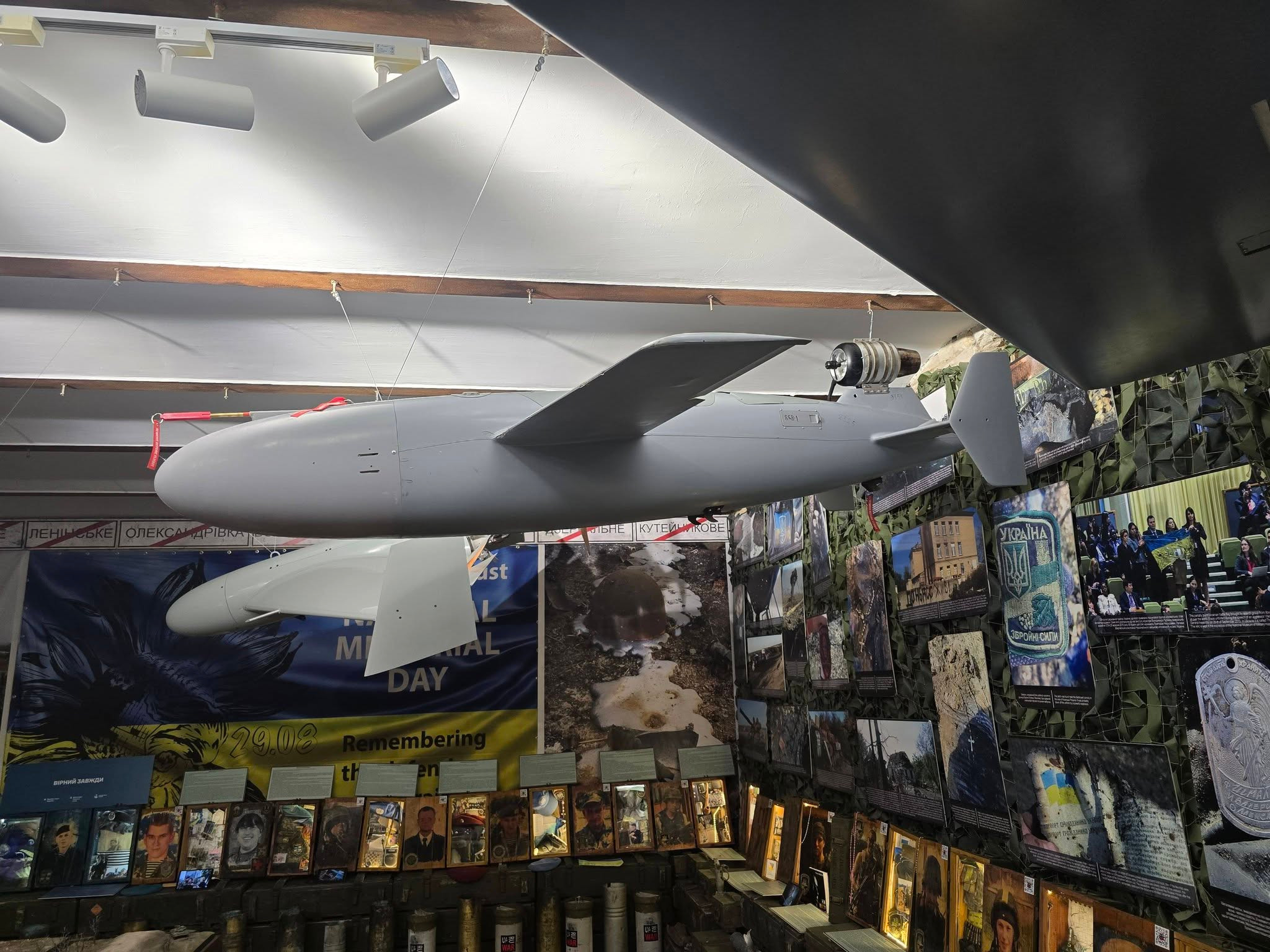
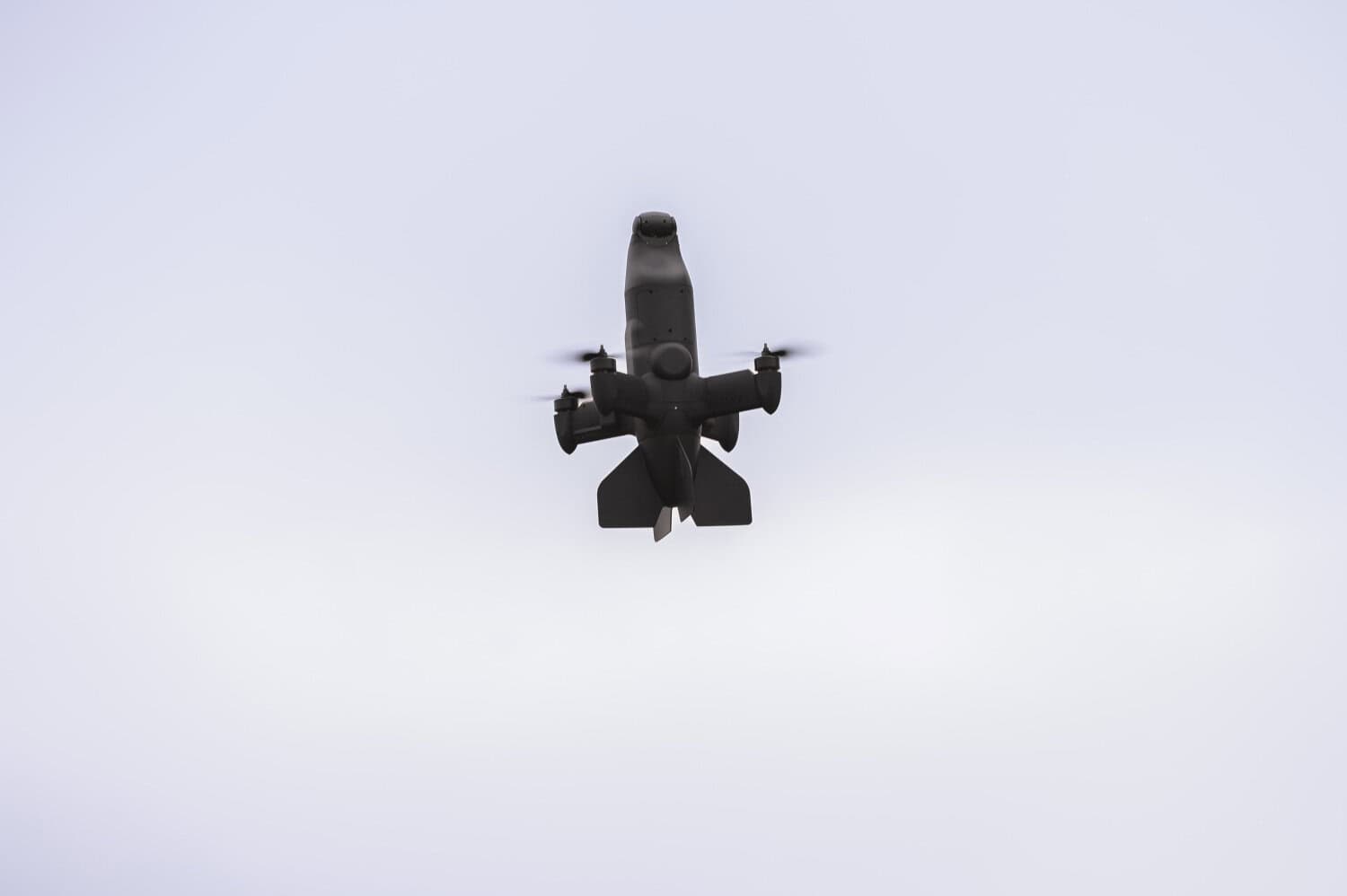


Strike drones attacked the Redkino Experimental Plant in the village of Redkino, the Tver region, on the night of February 7.
This was reported by Astra.
Local residents heard a series of explosions, after which a fire broke out on the premises of the enterprise.
After the explosions, several fires broke out at the plant, and eyewitnesses complained of a sharp chemical smell in the area of the enterprise.
Local authorities confirmed the attack. Vitaly Korolyov, acting governor of the Tver region, said that on the night of February 7, as a result of “repelling a UAV attack,” a fire broke out at one of the enterprises in the Konakovsky district. According to him, there were no casualties, and emergency services are working at the site.
The target is of strategic importance to the Russian military-industrial complex. The Redkino plant specializes in the production of unique chemical products needed by the enemy’s aviation and space industries.
Due to its involvement in defense contracts, the enterprise is subject to US and UK sanctions. The defense forces have already targeted this facility before: the plant was hit in June 2024 and twice in September 2023. The plant is located more than 1,000 kilometers from Ukraine.
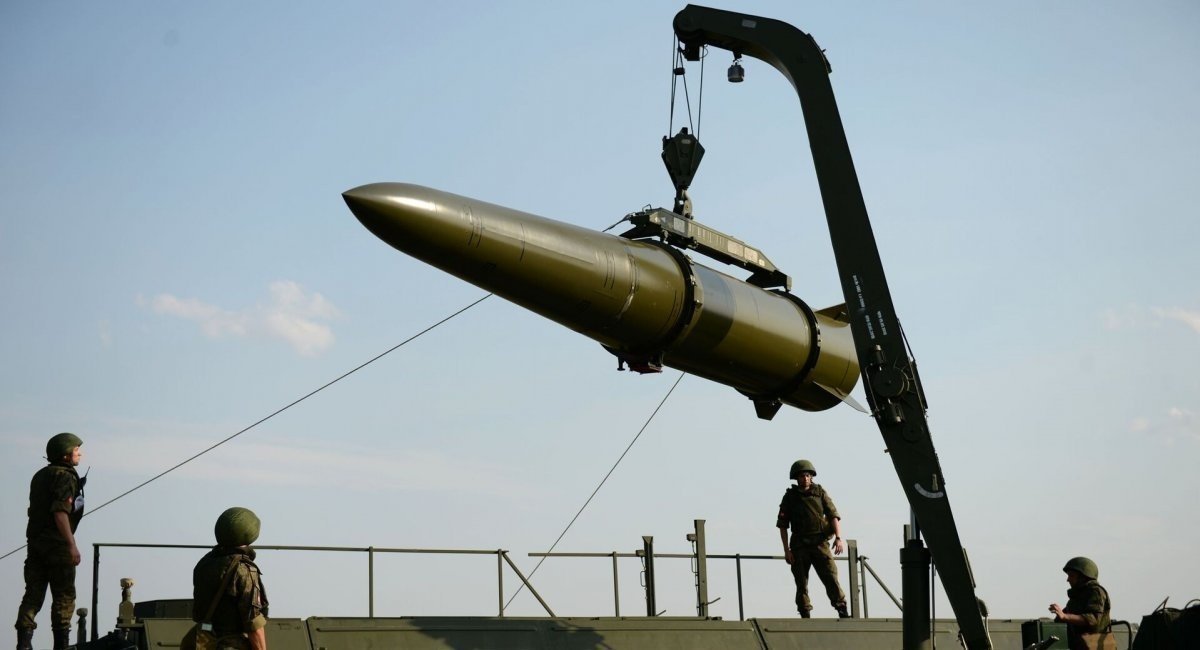
This facility is critical to the Russian missile program, as it is where the unique aviation fuel decyline (T-10) is synthesized. Decylin is a high-energy component necessary for the operation of the engines of the Kh-101, Kh-555, and Kalibr strategic cruise missiles.
Thanks to its high energy density, this fuel allows missiles to cover distances of over 2,500 kilometers while maintaining compact fuel tank sizes. T-10 also does not freeze at temperatures below -50 °C, which allows strategic aviation to launch from high altitudes.
The destruction of the plant poses a serious problem for enemy logistics, as the Russian military-industrial complex has exhausted its Soviet reserves of special fuel and switched to a ‘produce-refuel-use’ model.
Refueling one Kh-101 missile requires about one and a half tons of decyline, so the shutdown of production lines directly affects the enemy’s ability to prepare new massive strikes. It is impossible to quickly resume synthesis, as the manufacture and installation of unique reactors takes 6 to 12 months.
In addition to rocket fuel, the plant produces strategic materials for aircraft manufacturing: boron nitride to protect engines from corrosion, silicon carbide for composite materials, and heat-resistant enamels for rocket technology.
Підтримати нас можна через:
Приват: 5169 3351 0164 7408 PayPal - [email protected] Стати нашим патроном за лінком ⬇
Subscribe to our newsletter
or on ours Telegram
Thank you!!
You are subscribed to our newsletter