



Popular
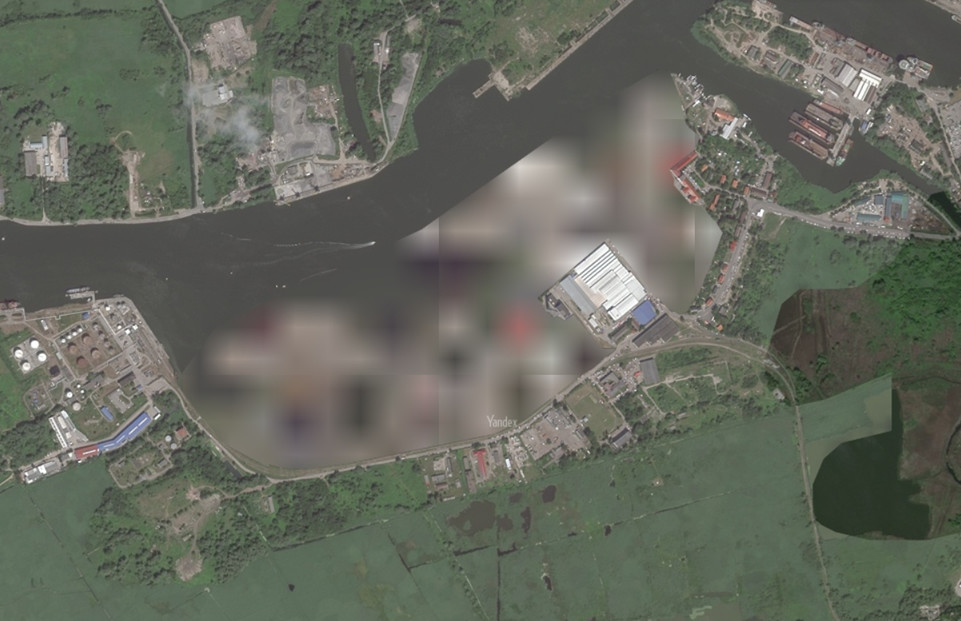
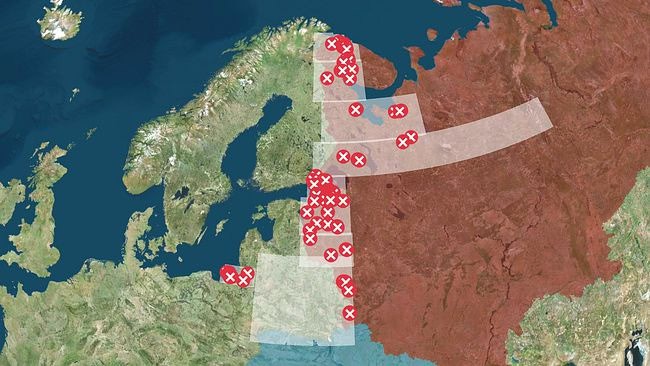
Yandex disguised 119 objects near the western border of the Russian Federation on maps, most of which are related to the defense industry and the Russian army.
Swedish SVT Verifierar reported on this, conducting a study together with the media outlets DR, NRK, and Delfi.
According to the study, Yandex started pixelating images inside Russia relatively recently: back in 2018, there was not a single blurred area.
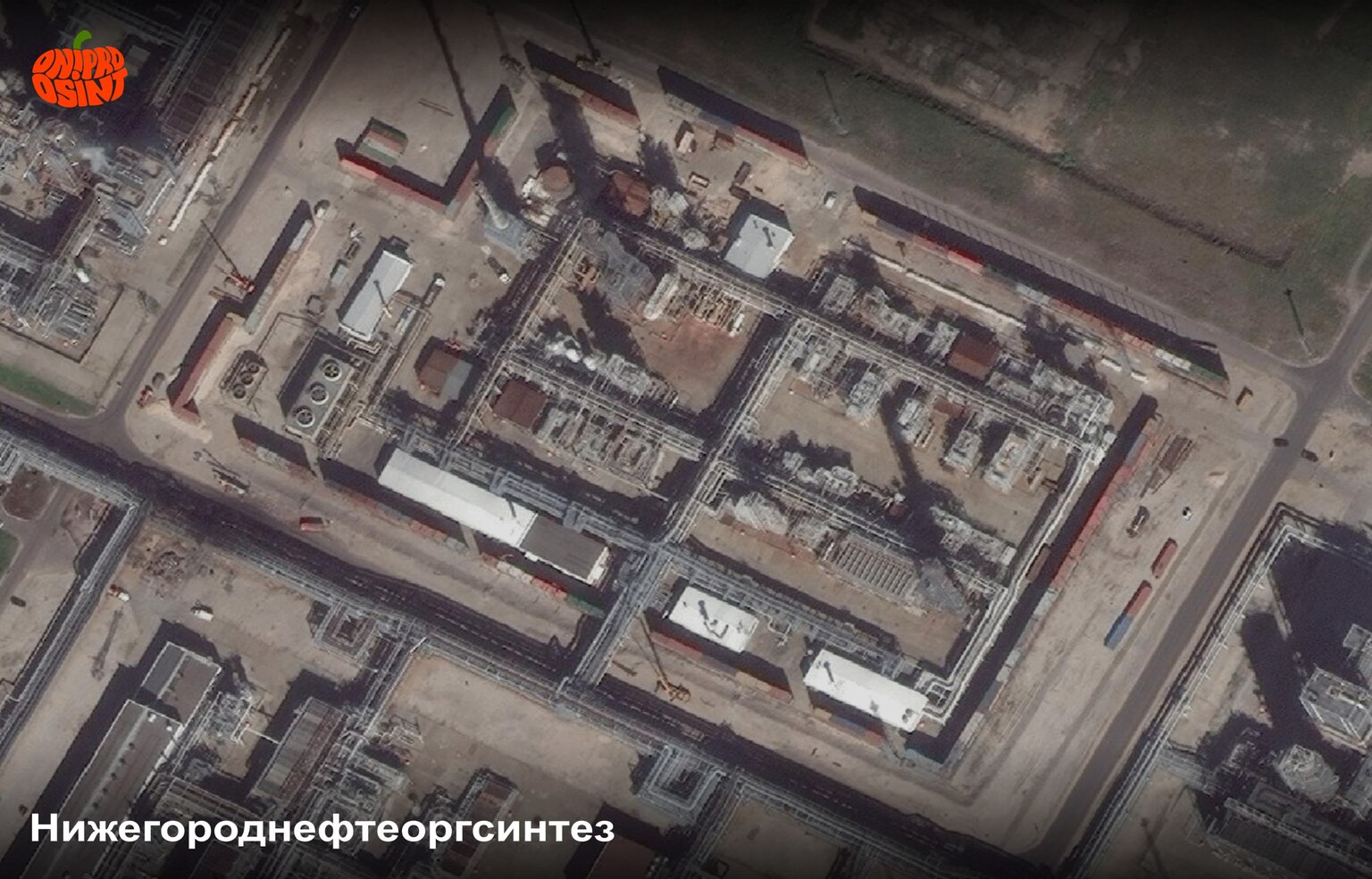
On December 24, 2024, a court in Moscow ruled that Yandex must mask the Ryazan oil refinery after it was attacked several times by Ukraine.
A supervisory authority representative stated in court that during the inspection of the legislation in the field of the defense industry, it was discovered that information about a strategically important facility — an oil refinery — was posted in the open access of the company’s service.
The company’s representative objected to the satisfaction of the prosecutor’s claims in the court hearing, but the court concluded that the circumstances set out in the statement of claim undermine the state’s defense capability and negatively affect the timely supply of materials to the Russian Armed Forces.
In total, according to the journalists’ analysis, 119 obscured sites were discovered near the western border of the Russian Federation. Among the discovered facilities, 31 are related to the defense industry, repair, and research and development; 29 are air bases; 16 are air defense, radar, and communications facilities; and another 12 are naval bases, shipyards, and repair facilities.
They also include 11 logistics, fuel, and ammunition facilities; 6 garrisons and training facilities; 4 nuclear weapons facilities; 4 space activities; 3 nuclear power plants or nuclear energy research facilities; and 3 military facilities of unknown purpose.
The media outlet notes that the downside of blurring objects on the map is that it can cause the “Streisand effect” – when censorship attempts, on the contrary, attract even more attention to these places.
“In my opinion, censorship attempts are not worth the effort. Analysts can get around this by turning to other image providers, and adversaries can use their own military satellites for surveillance,” nuclear weapons expert Matt Korda told the media in a comment.
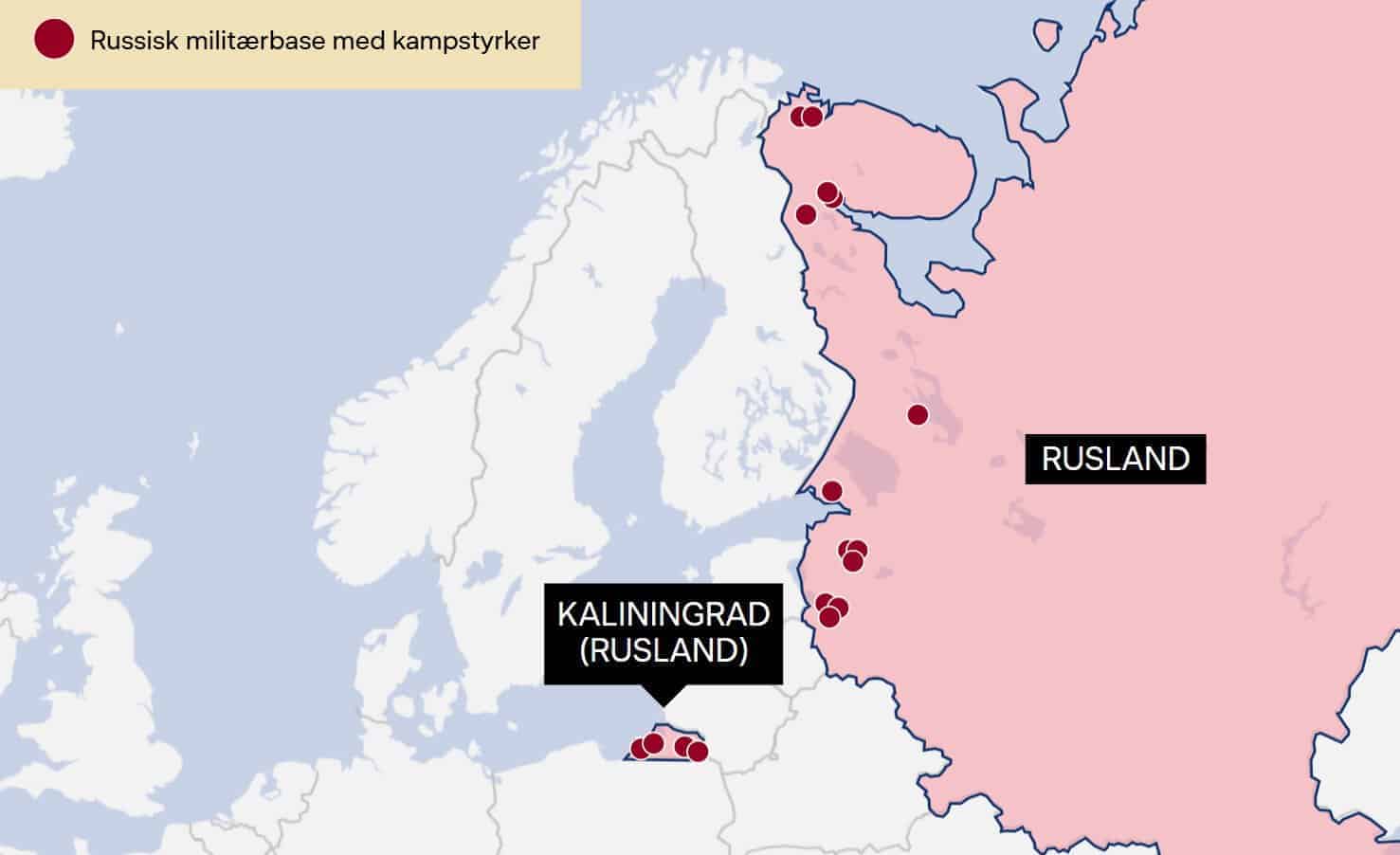
Intelligence officials from Denmark, Sweden, Norway, and Finland believe that the expansion of Russian bases and the reinforcement of troops along the borders with Northern Europe and the Baltic could drag NATO and the Russian Federation into a dangerous confrontation.
According to sources in the Danish intelligence services, these actions may indicate preparations for a potential large-scale conflict with European states in the Baltic Sea region.
High-ranking military officials note that, in the event of an escalation, hostilities could begin near Denmark and the Baltic countries. The sources emphasize that Russia has not yet made any confirmed decisions regarding aggression, but preparatory processes are already underway.
Підтримати нас можна через:
Приват: 5169 3351 0164 7408 PayPal - [email protected] Стати нашим патроном за лінком ⬇
Subscribe to our newsletter
or on ours Telegram
Thank you!!
You are subscribed to our newsletter